Sep 21, 2026
3D Kitchen Rugs vs Flat Mats: Which Is Best for Retailers?
When retailers ask whether 3D kitchen rugs or flat mats deliver better returns, the honest answer depends on your customer base and margin goals. From my experience working with home décor buyers across the U.S., 3D kitchen rugs consistently generate stronger shelf appeal and higher price points, while flat mats hold steady as volume movers in budget-conscious segments. Both product categories carry real commercial value — the key is knowing which one fits your retail channel, and how to source each type from a qualified 3D kitchen rugs manufacturer that can support your scale.

Understanding the Core Differences Between 3D Kitchen Rugs and Flat Mats
Design Language and Visual Impact
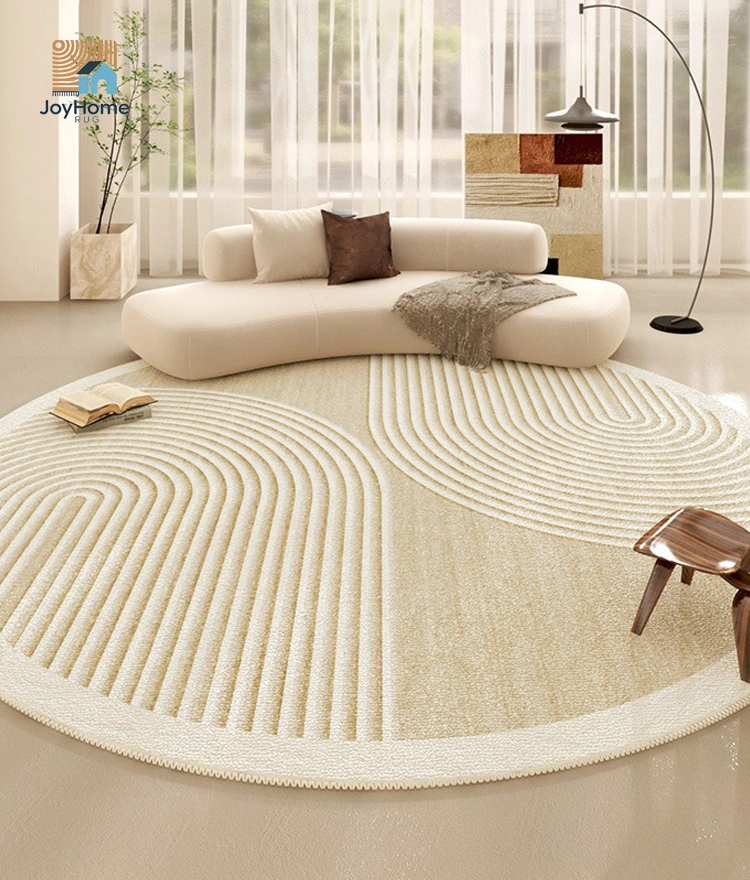
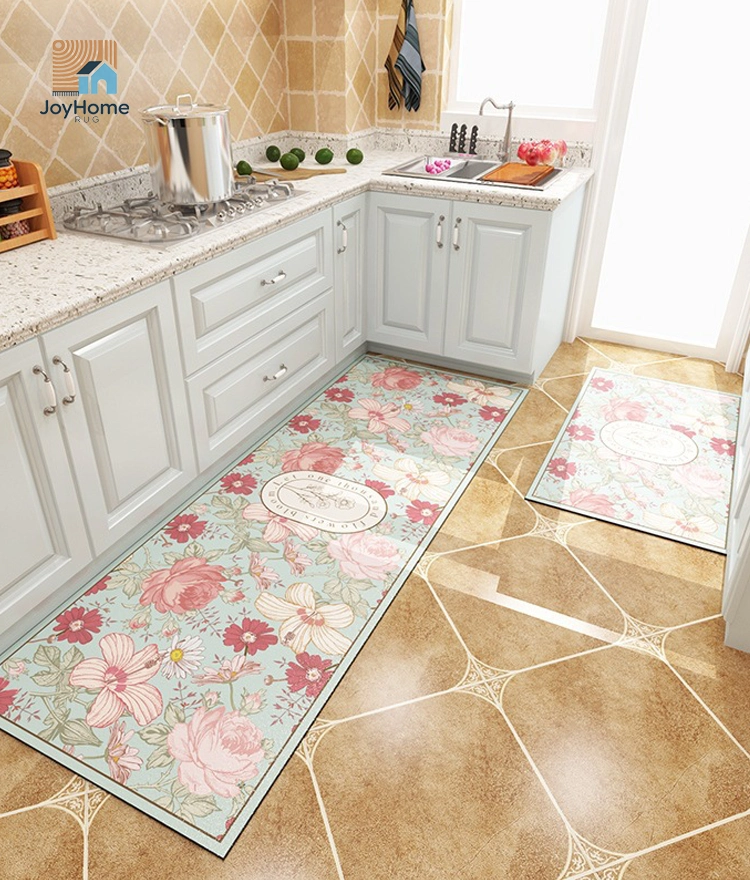
3D kitchen carpets are made from a high-density polyester surface, printed at over 300 DPI, creating a photo-realistic depth that flat mats can’t achieve. Consumers react to these graphics in a heartbeat – a well-merchandised 3D kitchen rug display consistently beats plain mat sections in foot traffic conversion. Flat mats are about utility over form. Clean lines, consistent colours, and repeated patterns are what make flat mats ideal for minimalist or business settings.
Material Composition
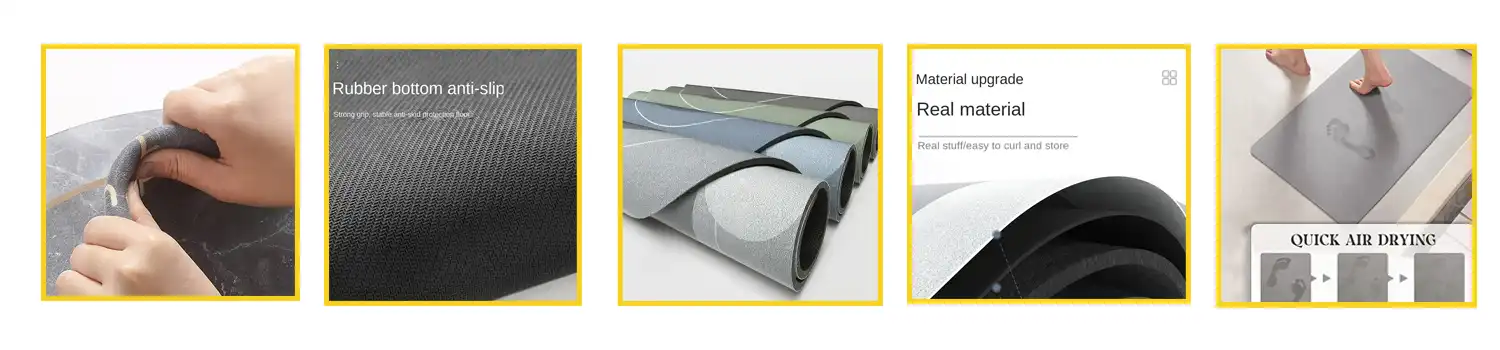
Quality 3D kitchen mats often blend a polyester or PVC print surface with a memory foam or NBR (Nitrile Butadiene Rubber) core, giving ergonomic cushioning during extended food preparation periods. Flat mats are usually built from diatomaceous earth, PVC, microfibre or rubber, with each being appropriate for various use situations. For example, diatomaceous earth mats absorb water far quicker than ordinary microfibre and recover to a dry condition in minutes.
Functional Attributes and Safety
Both product types typically incorporate anti-slip backing, but the certification standards differ. Premium 3D kitchen rugs carry SBR or suction-cup backing that meets R10 or R11 slip-resistance ratings per ASTM D2047 friction testing. Flat diatomaceous earth mats offer double anti-slip protection through surface texture and rubber backing — a practical safety feature for wet kitchen floors where accidents are common.
Key Performance Dimensions for Retail Procurement Decision-Making
Durability and Maintenance
Retailers frequently cite maintenance as a deciding factor. 3D kitchen rugs with hydrophobic coatings allow liquids to bead off the surface, resisting oils and food stains without deep scrubbing. Diatomaceous earth flat mats can be rinsed directly with water or wiped clean with a cloth — they are not machine-washable, but they dry quickly and return to their original shape without warping, cracking, or powder shedding under normal use conditions.
Safety Certifications and Compliance
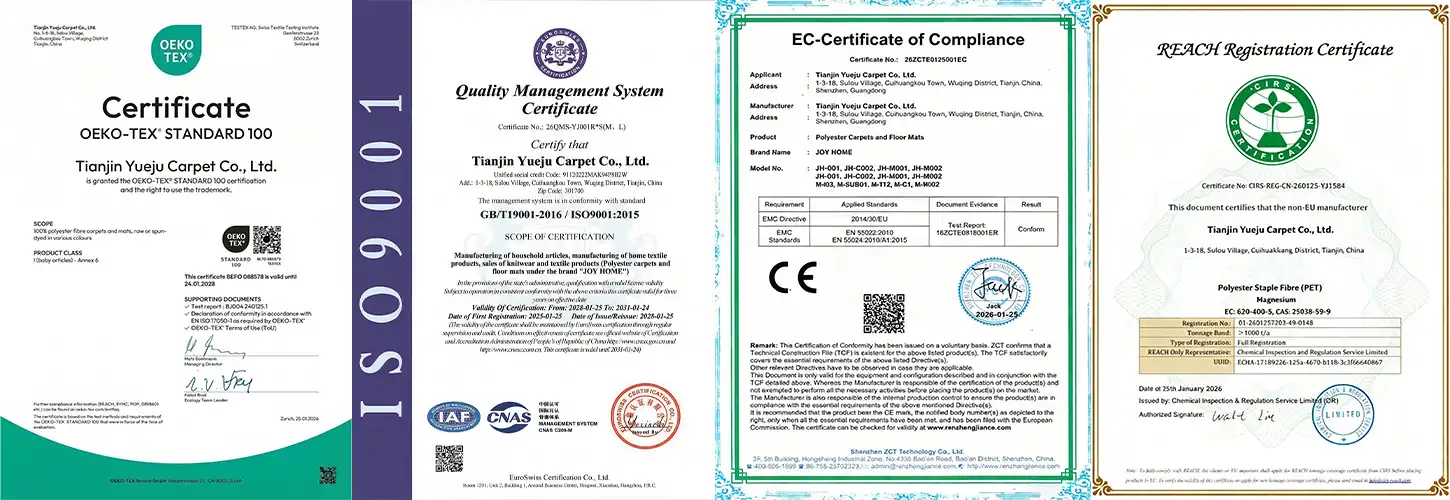
Procurement teams increasingly require documentation before approving new SKUs. For 3D kitchen rugs, color fastness testing per ISO 105-C06 and formaldehyde screening under REACH or CPSIA standards are standard quality checkpoints. Dimensional stability testing also verifies that rug edges do not curl — a documented trip hazard. Retailers sourcing from certified facilities reduce liability exposure and simplify compliance conversations with chain buyers.
Size Availability and Customization
Standard sizes for kitchen floor coverings typically run from 40×60 cm through 50×150 cm, accommodating galley kitchens and island layouts. However, non-standard dimensions — L-shaped runners, oversized mats for commercial prep areas — require supplier flexibility. Working with a 3D kitchen rugs supplier that supports size customization and laser-cut finishing means you can fulfill specialty orders without holding excess inventory.
Market Trends and Customer Preferences Impacting Retailers
Growing Demand for Visual Differentiation
The U.S. kitchen décor segment saw consistent growth through 2023 and into 2024, with consumers allocating more spending to functional accessories that carry aesthetic value. 3D kitchen rugs capitalize on this shift — buyers are willing to pay a premium for floor coverings that function as décor statements. Interior designers specifying residential remodels increasingly include textured or print kitchen mats in their material schedules.
Indoor vs. Outdoor Application Trends
Flat mats retain a strong edge in outdoor kitchen and patio applications, where UV resistance and weather durability outweigh visual detail. For indoor use, 3D kitchen rugs dominate lifestyle-focused retail segments. Retailers stocking both categories can address the full household purchase cycle, reducing the likelihood of customers seeking alternatives elsewhere.
Sustainability Considerations in B2B Purchasing
Eco-conscious procurement is reshaping how retail buyers evaluate suppliers. Diatomaceous earth, the core material in many flat mats, is a naturally occurring sedimentary mineral with low environmental processing impact. On the 3D kitchen rugs side, low-VOC production and CRI Green Label Plus certification signal indoor air quality responsibility. Both product lines can now be positioned to sustainability-focused buyers with legitimate material credentials.
Procurement Strategies for Retailers: Choosing Between 3D Kitchen Rugs and Flat Mats
Segmenting Your Customer Base
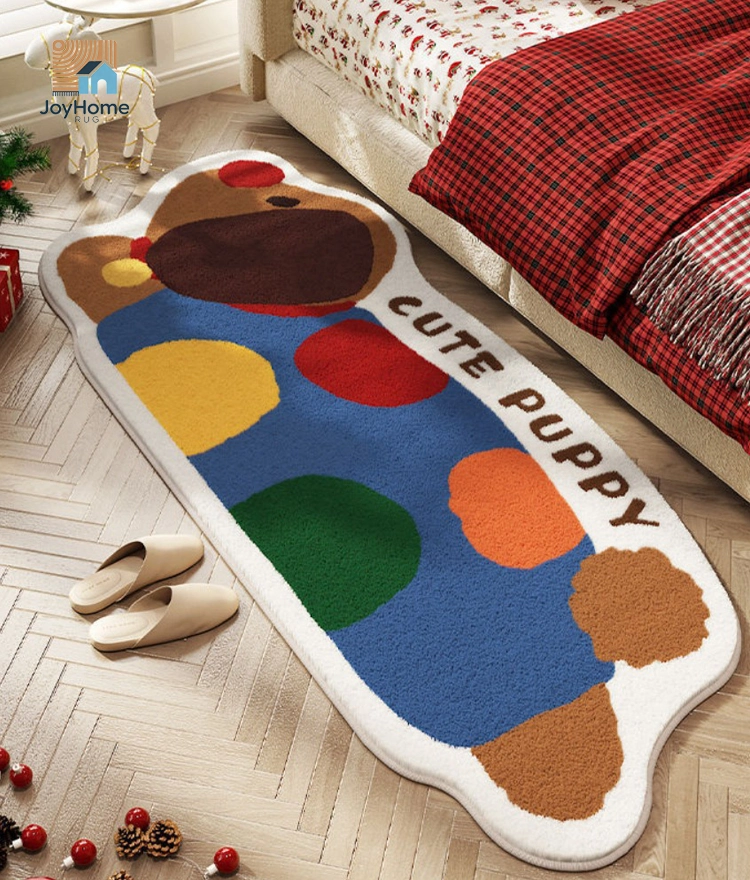
Budget-sensitive shoppers and high-volume commercial buyers typically gravitate toward flat mats due to lower per-unit cost and straightforward replacement cycles. Design-driven homeowners, interior decorators, and gift market buyers respond more favorably to 3D kitchen rugs for sale with premium finishes and seasonal prints — such as holiday runner collections that combine festive aesthetics with slip-resistant, low-profile construction for cabinet door clearance.
Evaluating Supplier Credibility
A credible 3D kitchen rugs manufacturer maintains transparent quality control records, supports flexible minimum order quantities, and delivers within competitive lead times. JoyHome operates a 20,000-square-meter production facility in Tianjin with 25 advanced production lines and approximately 100 specialized staff. Processes include heat transfer printing, laser cutting, edge-locking, and weaving — giving retailers access to consistent quality across both 3D kitchen rugs and flat mat categories from one source.
Cost-Benefit Analysis
Here are the core procurement metrics retailers should weigh when comparing product categories:
- 3D kitchen rugs carry higher unit margins and lower return rates when quality standards are met, but require more detailed supplier audits around print durability and edge stability.
- Flat diatomaceous earth mats offer faster turnover at lower price points, with minimal after-sales complexity given their rinse-clean, quick-dry properties.
- Customization costs decrease significantly when working with a single supplier capable of handling both product types, consolidating logistics and reducing per-order overhead.
These factors directly influence total cost of ownership over a retail season. Retailers who align procurement volume with supplier capacity — including quick delivery options with lead times as short as one week — consistently report stronger inventory performance compared to those splitting orders across multiple sources.
Case Studies and Best Practices for Retail Success
When 3D Kitchen Rugs Drive Sales Performance
A U.S. home furnishings e-commerce retailer added a 3D kitchen rugs collection with photorealistic food-themed prints to their spring catalog. Average order value in the kitchen accessories category increased by 34% over the prior year's flat mat-only offering, with the 3D line accounting for 61% of category revenue despite representing only 40% of SKU count.
Where Flat Mats Excel
For retailers serving property management companies and hospitality buyers, flat diatomaceous earth mats proved a stronger fit. Their super-efficient water absorption, soft barefoot feel, and double anti-slip backing addressed practical facility needs without the premium pricing of printed alternatives. The rinse-and-dry maintenance cycle reduced housekeeping labor costs, a documented advantage in institutional procurement evaluations.
Best Practices for Stock Assortment
Successful kitchen floor covering retailers consistently apply three principles: stock both product types to capture the full price spectrum, feature 3D kitchen rugs in visual merchandising to drive traffic, and use flat mats as conversion tools for price-sensitive buyers. Seasonal rotation — incorporating holiday kitchen runner designs in Q4 — sustains year-round category relevance.
Conclusion
Retailers who treat 3D kitchen rugs and flat mats as competing products leave margin on the table. The two categories serve distinct buyer segments and purchase motivations. A balanced assortment, sourced from a qualified manufacturer with proven quality controls, gives retailers the range to serve design-oriented, budget-conscious, and institutional customers from a single category strategy.
FAQ
Are 3D kitchen rugs safe for households with children?
Yes. Quality 3D kitchen rugs use non-toxic, REACH-compliant materials with formaldehyde screening as a standard production checkpoint. Anti-slip backing meeting R10 or R11 friction standards adds a further safety margin on tile and hardwood floors.
How do I clean diatomaceous earth flat mats?
Rinse directly with water or wipe with a cloth. These mats are not machine-washable, but they dry quickly after cleaning and return to their original shape without warping or cracking.
What sizes are available for kitchen floor coverings?
Standard sizes include 40×60 cm, 50×80 cm, 40×120 cm, and 50×150 cm. Size customization and precision cutting are both supported for non-standard kitchen layouts.
Can 3D kitchen rugs be customized with brand graphics?
Yes. Heat transfer printing at 300+ DPI resolution supports brand logo application, seasonal designs, and custom colorways — practical for private label retail programs.
Will diatomaceous earth mats crack or shed powder over time?
Under normal use conditions, high-quality diatomaceous earth mats will not shed powder, crack, or deform. They are engineered for long-term durability with consistent performance across daily use cycles.
Partner with JoyHome for Premium 3D Kitchen Rugs and Flat Mats
JoyHome supplies both 3D kitchen rugs and diatomaceous earth flat mats from our certified Tianjin facility, with no strict MOQ and delivery as fast as one week. Whether you need a 3D kitchen rugs supplier for private label programs or bulk flat mat orders for institutional clients, our team provides pre-sale design support and prompt after-sale response. Contact us at admin@longtengmen.com or visit yuejuditan.aixdb.cn to request samples and pricing today.
References
1. Flooring Business Magazine — 2023 Annual Kitchen Floor Covering Retail Trends Report
2. Journal of Consumer Research — "Visual Merchandising and Purchase Intent in Home Décor Categories," 2022
3. ASTM International — ASTM D2047: Standard Test Method for Static Coefficient of Friction of Polish-Coated Flooring Surfaces, 2021
4. Carpet and Rug Institute — CRI Green Label Plus Indoor Air Quality Testing Program Overview, 2023
5. Home Furnishings Business — "The Rise of Functional Aesthetics in Kitchen Accessories," 2024
6. International Journal of Retail & Distribution Management — "Procurement Strategy and Category Performance in Home Goods Retail," 2022
Online Message
YOU MAY LIKE
High quality furniture manufacturer