Jun 9, 2026
Are Washable Geometric Carpet Stairs Available?
You can easily find geometric carpet stairs that are clean. They are a big step forward in stair-flooring options. Due to improvements in modern manufacturing methods, rugs with chevron, lattice, hexagon, and diamond designs can be washed many times without losing their appearance or durability. Intricate geometric patterns on these special stair mats make them look nice and make them easier to clean, which makes them perfect for both home and business settings. These rugs use advanced fiber technologies and protective treatments that keep the patterns clear and the colors bright even after many cleanings. This product meets the needs of both property managers and homeowners today who want style and usefulness.


Understanding Washable Geometric Carpet Stairs
What Defines Geometric Patterned Stair Carpeting
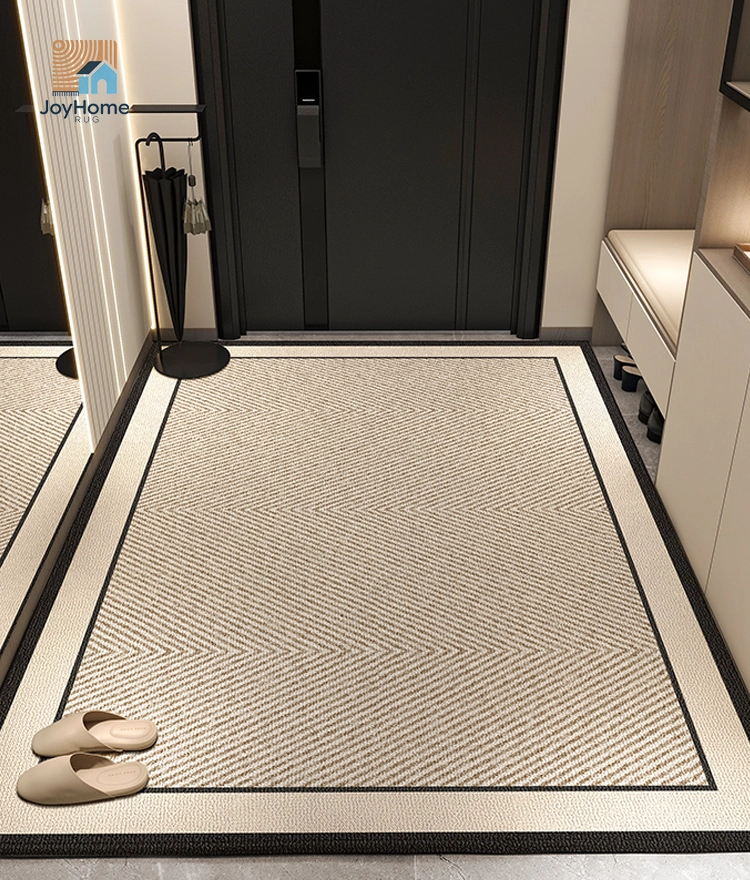
Geometric carpet stairs have repeated patterns that are mathematically exact and were made to fit both vertical and horizontal step surfaces. Instead of plain broadloom, these specialty floor covers use high-definition stitching and different pile heights to give the impression of depth. In addition to looking good, the structured designs are useful because they hide flaws in the floorboards, make it easier to see on the stairs by providing high contrast, and stop the tracking or shading that can happen with solid-color installations. If these carpets are made to be washed, they use solution-dyed fibers and moisture-resistant backings that keep the carpet's shape during cleaning processes.
Modern Materials Enable True Washability
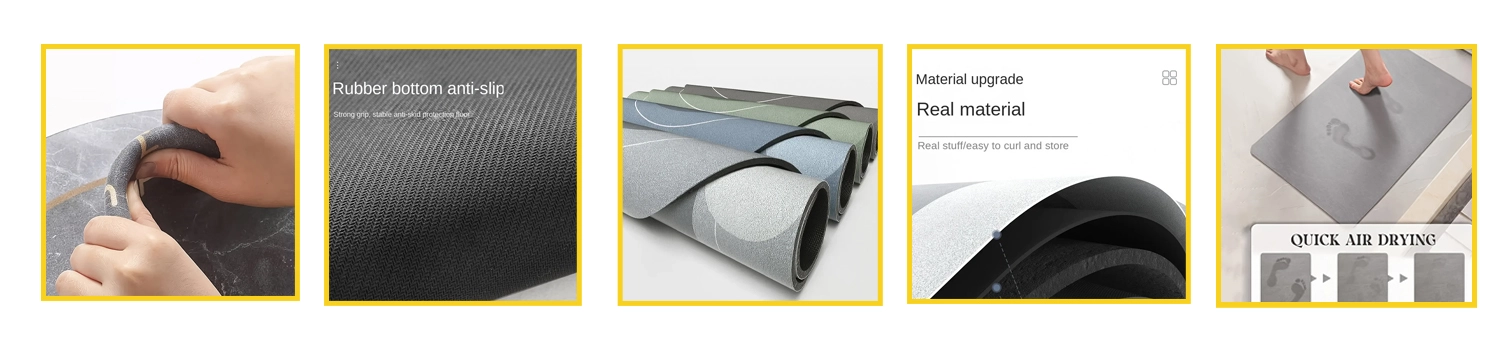
When it comes to stair carpets, "washable" means more than just being able to clean up a few spots. Today's manufacturing improvements and technology advances have changed how we can care for carpets. When nylon and polypropylene fibers are solution-dyed, the colors don't run, and the patterns stay clear even when they are wet or cleaned. Newer backing methods keep things from coming apart and shrinking when they are washed. Many companies now use diatomaceous earth compounds in their backing materials. These compounds absorb water very well and dry quickly, which cuts down on the time needed for cleaning. This technology solves the problem of carpeted stairs holding on to water, which used to cause mildew problems and longer drying times.
Benefits That Drive Commercial Adoption
Stair carpets that can be washed have real benefits in places with a lot of foot traffic where care costs have a big effect on running budgets. Compared to standard carpeting, being able to clean fully without professional extraction tools cuts down on long-term care costs by about 40%. By carefully hiding wear patterns and soil buildup, geometric patterns make a piece look like it will last longer. Safety is improved when the pile structure and surface texture stay the same. Worn rugs lose their coefficient of friction, which makes them slippery, but washable choices don't have this problem because they can be restored regularly. If you keep your carpet in good shape, it will feel soft and fine when you walk on it, and it will also absorb sound in a way that hard surfaces can't.
Key Factors in Selecting Washable Geometric Carpet Stairs
Material Composition Determines Performance
Picking the right fiber type for geometric carpet stairs has a direct effect on how easy it is to clean, how long it lasts, and how much care it needs. Depending on the purpose and price, the different material choices are better.
Solution-dyed nylon is the best material for business setups that need to be washed often. The color is built into the fibers at the molecular level during extrusion, so it doesn't fade or bleed when they are cleaned. This material is very strong and flexible, and it can bounce back from being compressed to keep its shape. Because nylon doesn't naturally stain, spills don't soak in as much, so you can clean up quickly before the stain goes deep into the pile structure.
Polypropylene is a more affordable material that is very good at resisting water. This man-made fiber naturally repels marks that are made of water and dries quickly after being washed, so it can be used in entryways and other places that get wet often. The double anti-slip backing that people often use with polyethylene makes places safer where water tends to gather.
Wool mixes look beautiful and are useful at the same time. Good wool naturally doesn't catch fire and hides dirt. When mixed with synthetic fibers, these rugs become easier to clean while still having the soft, rich feel and look of wool. Modern wool-synthetic mixes have a technological flannel texture that gives the floor a soft feel and clear designs.
Material selection should be based on how often it will be cleaned, how much traffic the area gets, and budget parameters. Commercial hospitality environments typically specify solution-dyed nylon for its performance consistency, while residential applications may prioritize the tactile qualities of wool-blend options.
Design Choices Impact Maintenance Efficiency
Pattern choice is more than just a matter of taste; strategic design decisions have a direct effect on the amount of upkeep that needs to be done over time. Geometric patterns that go in many directions successfully hide tracked footprints and soil buildup between cleaning rounds. High-contrast patterns make stair nosings stand out visually, which improves safety by making step edges stand out more clearly. Geometric patterns with darker colors hide stains better than straight light colors, but current technologies that make clothes washable have made this less important.
Scale is important when choosing patterns for stairs of a certain size. Larger geometric repeats look good on grand business stairs, while tighter patterns look better in small home settings. Pattern matching at steps and turns needs to be carefully planned. Reliable makers offer design advice to make sure that the staircase's geometric alignment keeps the look consistent throughout.
Safety Standards and Compliance Requirements
It is not possible to separate safety concerns from choices about materials and designs. Non-slip backing methods are very important for keeping your footing, especially in places where water is present. Good washable stair rugs have rubber or latex backings that keep their grip without leaving behind dust or wearing down after many washes. Some high-tech goods have a two-layer backing that keeps wetness out and keeps the product from slipping.
Fire safety rules are different in different places and types of buildings. For commercial applications, the NFPA 253 (Critical Radiant Flux) and ASTM E648 guidelines for flooring flame spread must usually be followed. A lot of washable rugs get their Class 1 fire ratings from chemical processes or the way the fibers are naturally made. These certificates should be checked during the buying process to make sure they meet regulations and protect occupants.
How to Install and Maintain Washable Geometric Carpet Stairs?
Professional Installation Techniques
The long-term function and washability of geometric carpeted stairs depend on how well it was installed. The Hollywood wrap method, in which the carpet is tightly shaped around the nosing and tacked down under the tread, gives the floor its most elegant look and brings out the details in the geometric patterns. To keep the pattern from getting messed up, this method needs to be installed by someone who knows what they're doing, especially on winding stairs where pie-cutting is needed. Professional workers figure out the right waste factors, which are usually between 20 and 30 percent for geometric patterns, and make sure that the design line stays in the middle of each tread.
Daily Maintenance Protocols
Regular care keeps things looking good and makes it longer between deep cleanings. Commercial stairs that get a lot of use should be vacuumed every day with equipment that lets you change the brush height so that the pile doesn't get too agitated. Light vacuuming gets rid of surface dirt on installations backed with diatomaceous earth, and the backing's moisture-wicking features take care of any accidental liquid contact. Modern washable rugs dry quickly, so small spills can be cleaned up and left to dry naturally without worrying about stains.
Deep Cleaning Without Pattern Damage
Deep cleaning the carpet on a regular basis brings back its original look and cleanliness. There are different ways to clean washable stair carpets, based on how they were installed and what the building can do. Using hot water and cleaning agents, along with powerful extraction that gets rid of both soil and moisture, portable extraction equipment lets you clean in place without having to take anything away. High-quality clean rugs dry quickly, so they can usually be put back into use in four to six hours.
When the manufacturer's instructions allow it, removable systems can be washed in a machine. Laundry facilities that are set up to handle carpet goods can clean them thoroughly in a way that home equipment can't. Shrinkage and backing damage can be avoided by following the manufacturer's instructions for temperature and movement. Professional-grade washable carpets are built to last and be easy to keep, so they can handle these intense cleaning processes without losing their structural integrity.
To fix common problems, you need to know about the products that are being used. Backing materials, especially those that contain diatomaceous earth chemicals, can sometimes develop smells that don't go away. These light chemical smells from factories go away on their own with airflow and time, so there are no safety issues. Enzymatic cleaners that target specific substances may be needed to get rid of stains that won't go away. Protein-based stains react differently to treatments than oil-based contaminants. Facility managers should keep records of effective cleaning methods so that all of the care staff can get the same results.
Comparing Washable Geometric Carpet Stairs with Other Stair Flooring Options
Advantages Over Plain Carpet Installations
While looking at pattern and solid-color carpet choices side by side, geometric carpet stairs are very different in how they work. Geometric patterns with lots of small details hide dirt and wear that you can see right away on plain flooring. When geometric designs break up the visual continuity, dirt tracked in by foot is less noticeable in places with a lot of foot activity. This means that professional cleaning won't be needed for longer amounts of time, which lowers running costs in business settings.
Plain carpets suffer from the "tracking" effect, where compressed pile creates visible pathways along traffic routes. By purposely changing the way they are designed, geometric shapes reduce this visual confusion. The different colors and directed elements in geometric patterns naturally hide the changes in pile direction that show wear in plain colors. While both choices can be made to be washable, geometric patterns look better after each run of washing.
Comparison with Hard Surface Alternatives
Wooden step finishes and tile installs are long-lasting, but they don't offer the comfort and safety that carpet does. Hard surfaces make noise worse, which is called noise pollution in multi-story buildings. Carpeted stairs successfully reduce noise pollution. Carpet absorbs sound waves so much that human noise isn't transmitted. This is important in places like hotels, hospitals, and homes where noise control affects how happy people are with their surroundings.
Slip-resistance tests show that carpeted stairs are safer, especially when there is moisture on the stairs. When it's wet, the coefficient of contact on carpet stays pretty much the same, but it changes when it comes to wood and tile. Because carpet-covered cushions fall, they are not as bad when they happen, making them safer than hard surfaces. This shielding effect can keep kids and older people from getting hurt badly.
Cost-Effectiveness for Bulk Procurement
Maintenance studies show that washable carpet choices have a surprisingly long-term value. Even though it seems like hard surfaces are easier to clean, they need to be refinished, sealed, or grouted on a frequent basis, which rugs don't need. When installation costs, upkeep labor, regular refinishing, and replacement costs are added up, the lifetime cost study for good washable carpets often comes out better. Also, replacing carpet to update the look is much cheaper than refinishing hardwood or replacing tile, so it's easier to make changes to the design.
When making decisions about large-scale projects, it's helpful to know the total cost of ownership instead of just the buying price. Geometric rugs that can be washed are more expensive than basic choices, but they are worth it because they last longer and cost less to maintain. When compared to options that can't be washed, the ability to recover appearance through washing instead of replacement increases the useful life by 40 to 60 percent.
When you buy in bulk, you can get better prices from makers who can be flexible with your order numbers. Suppliers who don't have strict minimum order requirements can do upgrades and replacements in stages, which lets facility managers spread out capital costs over several budget cycles. Some makers offer turnaround times as short as one week, which means that both planned projects and emergency repairs can be done without any long periods of downtime.
Procuring Washable Geometric Carpet Stairs: Where and How to Buy?
Identifying Reputable Suppliers
The process of choosing a seller for geometric carpet stairs has a big effect on the success of the project and the customer's long-term happiness. Manufacturers with a good reputation show their knowledge by giving detailed product specs, being open about the materials they use, and being ready to share performance data. Look for providers that offer a range of materials, such as polyester, soft rubber backing, PVC leather parts, and new formulas. This range shows how complex the production process is and how well the goods can be matched to the needs of each application.
Systems for quality control and certification show that production standards are met. International certificates prove that production quality is always the same and that companies are responsible for the environment. Suppliers who follow strict quality control rules at many stages of production make goods that are more reliable and have fewer problems related to defects. The size of the facility is important. Manufacturers with large production areas and lots of modern production lines show they can handle large orders while keeping quality standards high.
Custom Capabilities and Sample Evaluation
Customization options set special sellers apart from commodity providers. You can create custom solutions that generic goods can't match by choosing sizes, changing geometric designs, mixing colors, and adding branding. When OEM and ODM work together, retailers, designers, and business clients can make their own goods that set them apart in crowded markets.
Before you place a big order, make sure you approve a sample first. Samples in real life show traits like texture, color accuracy, and pattern clarity that pictures can't. Testing samples in the settings where they will be used gives you very useful information about how they work. Install sample parts on real stairs to see how they look in the lighting at your site, how hard it is to clean with normal dirt, and to make sure that the backing is strong enough for your stair building.
Service and Support Considerations
Professional sellers are different from transactional vendors because they offer full help before and after the sale. Design advice services help people make decisions about things like choosing a pattern, figuring out the right materials, and figuring out how much to order. When suppliers help with installation or work with skilled installation partners, they lower the risk of the project and make sure the product works at its best.
When problems appear, or more materials are needed after the sale, timeliness becomes very important. Suppliers who keep their products in stock help with future needs for repair or growth. Warranty offers should make it clear what the policy is, how to make a claim, and how long it will take to be resolved. When performance issues come up, disagreements can be avoided by knowing when to change and when to clean advice.
Conclusion
There are great benefits to using washable geometric carpet stairs in homes, businesses, and public buildings. When you combine new materials, protective coatings, and improved manufacturing, you get goods that can really be washed and still keep their pattern and structure after many washings. Geometric designs are useful for planning because they hide wear patterns, make stairs safer by making them stand out visually, and give you more design options than plain colors can. Instead of just looking at the original price, people making procurement decisions should think about the materials used, how safe they are, how much upkeep is needed, and the total cost over their whole life. Working with skilled providers who offer customization options, quality standards, and full support is the best way to make sure a project is completed successfully and that the customer is happy in the long run.
FAQ
Can geometric stair carpets be machine washed?
Is it possible to wash patterned stair rugs in a machine? Some goods can be washed in a washing machine when the manufacturer's instructions say that's how it should be done. Carpets with strong backings and solution-dyed fibers can usually handle being washed in an industrial laundry. Before you try to clean something in a machine, you should always check the washing factors, such as the highest temperature, the right amount of agitation, and the drying methods. How the carpet is installed affects how easily it can be washed. For example, removable carpet pieces are easier to wash in a machine than fully attached installs.
How do geometric patterns affect cleaning difficulty?
Geometric designs make care easier because they hide dirt that builds up between cleanings. Multidirectional designs make rugs look more interesting, and they hide small stains that would be easy to see on plain carpets. How well dirt stays hidden depends on how dense the patterns are and how different the colors are within the geometric design. The darker colors in the pattern help hide stains in a useful way, without taking away from the visual interest that the lighter accent colors contribute.
What backing types work best for washable stair carpets?
What kinds of backing work best for stair rugs that can be washed? The best performance comes from double anti-slip safety backing systems that use either rubber or latex materials. These formulas keep their grip on stair surfaces and don't break down when they get wet during washing. Advanced backing that contains diatomaceous earth absorbs water very well and dries quickly, which cuts down on downtime after cleaning. Make sure that the backing materials can be cleaned with the methods you prefer and meet the safety standards for your area and building type.
Ready to Transform Your Stair Installations?
JoyHome is ready to help you with your next project by making clean geometric carpet stairs to the highest standards. Our Tianjin plant is 20,000 square meters and has 25 advanced production lines run by 100 highly trained professionals. They ensure uniform quality across a wide range of materials, such as polyester, diatomaceous earth, and soft rubber backing systems. We don't have strict minimum order sizes; we can meet your unique needs, and for urgent needs, we can send in as little as one week. Our team is here to help you every step of the way, whether you're a hotel company that needs to put carpet in hundreds of rooms, an interior design firm that wants to come up with unique solutions for homes, or a store that wants to stock up on geometric carpet stairs to sell. Get in touch with admin@longtengmen.com to talk about your unique needs, ask for samples, and find out how our skills as a geometric carpet stair seller can help your project succeed.
References
1. Carpet and Rug Institute, "Maintenance Guidelines for Commercial Carpet Installations in High-Traffic Environments," Technical Bulletin Series, 2021.
2. National Fire Protection Association, "NFPA 253: Standard Method of Test for Critical Radiant Flux of Floor Covering Systems Using a Radiant Heat Energy Source," 2019 Edition.
3. American Society for Testing and Materials, "ASTM E648: Standard Test Method for Critical Radiant Flux of Floor-Covering Systems Using a Radiant Heat Energy Source," Annual Book of Standards, 2020.
4. International Organization for Standardization, "ISO 9001:2015 Quality Management Systems—Requirements for Textile Manufacturing," Standards Catalogue, 2015.
5. Textile Research Journal, "Solution-Dyed Nylon Performance in Commercial Applications: A Ten-Year Longitudinal Study," Volume 89, Issue 12, 2019.
6. Building and Construction Authority, "Slip Resistance Requirements for Stair Surfaces in Commercial and Residential Buildings: Comparative Analysis of Floor Covering Materials," Safety Standards Publication, 2020.
Online Message
YOU MAY LIKE
High quality furniture manufacturer