Aug 31, 2026
Best Indoor Floor Mats for Modern Home Décor Solutions
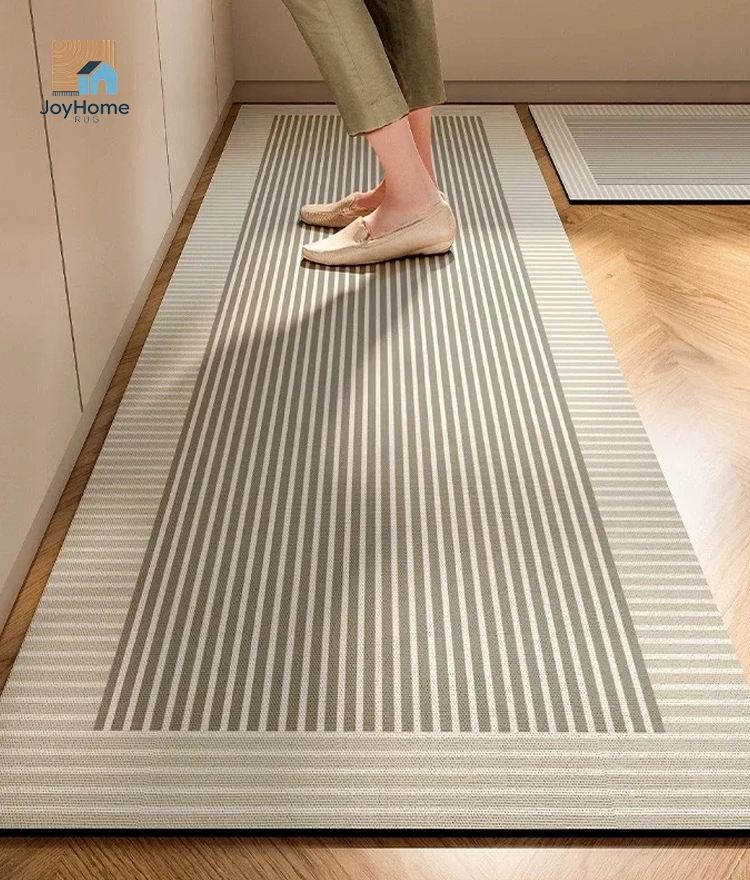
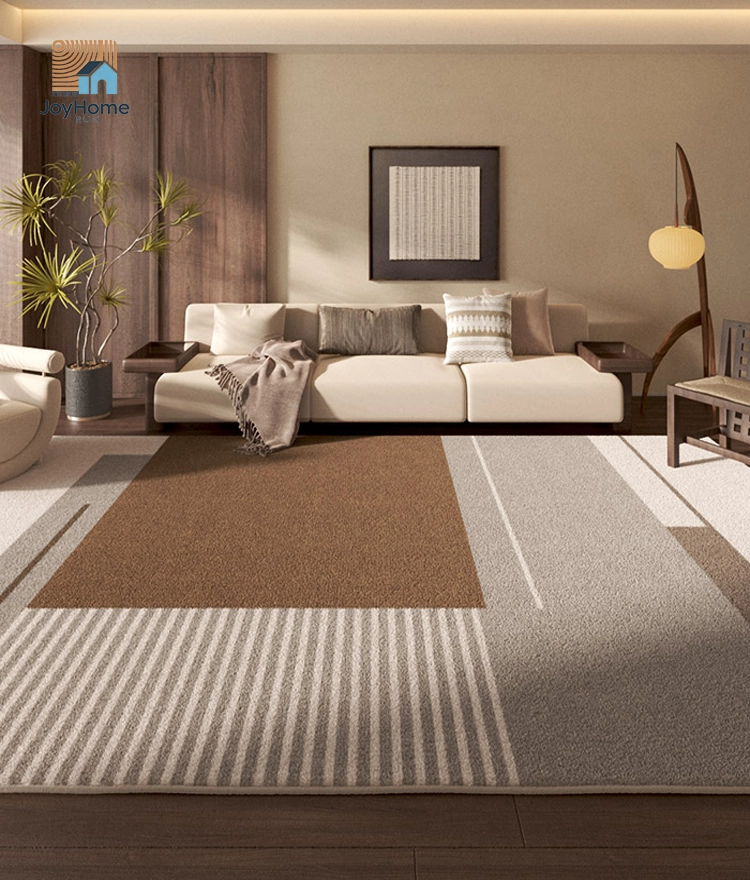
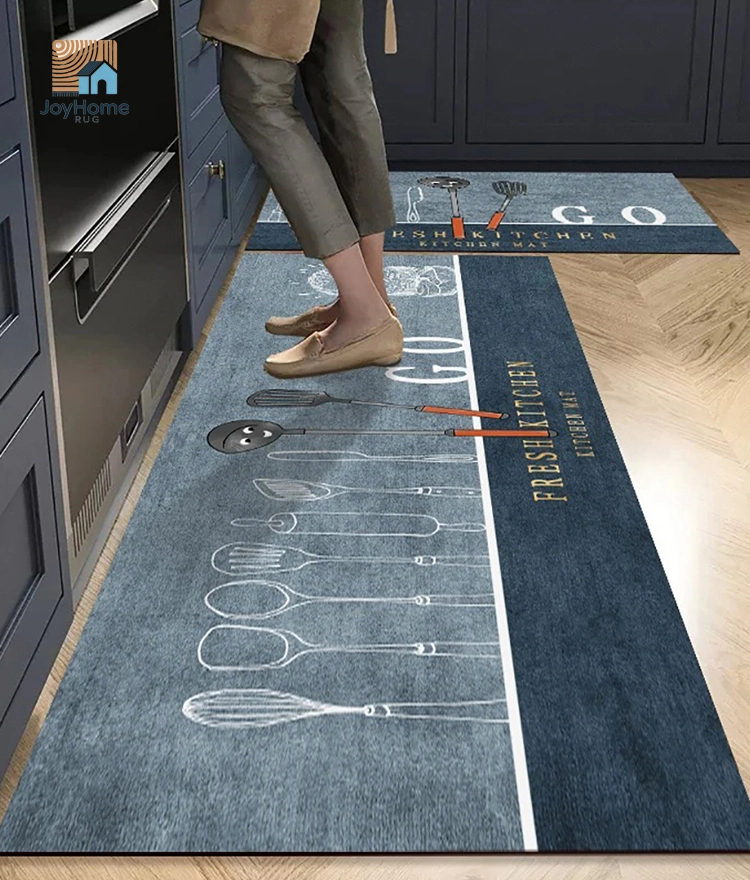
When looking for the best indoor floor mats, both procurement professionals and homeowners look for options that look good and work well. Modern interior design is built around high-quality floor mats, which protect floors, keep moisture away, and make spaces look better together in both homes and businesses. This balance is shown by JoyHome's thick loop pile rugs, which are made with a high-density 1300g/m² material that makes them very durable while still being easy to match with different types of decor. Our 7mm loop pile structure includes a stain-resistant treatment and an anti-slip backing, making it a reliable choice for kitchens, entryways, office halls, and stores where style and performance are important.

Understanding Indoor Floor Mats: Types, Benefits, and Essential Features
Material Composition and Structural Design
As a type of indoor floor covering, loop pile carpets are unique because they are made using tufted techniques that make tightly packed yarn loops across the surface. This way of building gives better crush protection than cut-pile options, which makes loop pile mats perfect for areas with a lot of foot traffic. Solution-dyed polyester fibres are often used as the base material because they don't fade and keep their colour even after being exposed to sunshine and cleaning products over and over again. The mat stays in place on the floor without the need for adhesive underlays because of the backing system, which can be made of pointed plastic, thermoplastic rubber, or silicone strips.
Modern loop pile mats meet a lot of different functional needs at the same time. Particles are trapped at entry points by the tight weave pattern, which keeps rough grit from spreading to the floors inside. This ability to keep dirt in check makes hardwood, tile, and luxury vinyl planking last longer by keeping the surfaces from getting scratched. Managing moisture is also very important. The loop structure keeps water away from people walking on it, and the waterproof buffer layer stops liquid from getting into the floors below. As a bonus, the thick pile structure keeps the cold from moving through the concrete subfloors during the winter, which also helps save energy.
Safety and Environmental Compliance
Commercial-grade goods are different from domestic ones because they have safety certifications. The floor mats from JoyHome are compliant with CE marking for the European market, OEKO-TEX Standard 100 for textile safety, and ISO 9001 quality management rules. These certifications make sure that there are no harmful chemicals and that the production process is uniform. The non-slip backing has a coefficient of friction higher than 0.6, meeting NFSI high-traction standards that lower the number of slip-and-fall accidents that happen when it's wet.

Sustainability factors are becoming more and more important in purchasing decisions. Our loop pile rugs are made with polyester that can be recycled and low-VOC backing materials that are safe for chemicals and meet REACH rules. The product's physical stability means that it doesn't need to be replaced as often, and the quick-dry technology stops mould and mildew growth, which often means bad mats need to be thrown away. Acoustic testing shows that materials can absorb sound and reduce noise, which is helpful in open-plan offices and hotel settings where controlling background noise makes the guest experience better.
How to Choose the Best Indoor Floor Mats: A Decision Support Approach
Environmental and Traffic Load Assessment
Before choosing the right floor mats, you should look at the work area. Commercial settings with a lot of foot traffic need mats with pile weights higher than 24 ounces per square yard so they can handle constant foot traffic without wearing down. JoyHome's density of 1300g/m² is equal to about 38 ounces per square yard. This makes our product heavy-duty and suitable for places like stores, hotel lobbies, and office reception areas that get more than 500 foot traffic every day.
The amount of moisture contact determines the backing that is needed for the best indoor floor mats. Kitchens and entryways need barrier layers that are completely waterproof, but water-resistant treatments may work fine in hallways inside homes. Temperature changes are also important. Buildings with underfloor heating need mats that are rated for thermal stability up to 50°C to keep the backing from wearing down. People who have pets will benefit from surface treatments that don't colour and make cleanup easier after accidents. In healthcare situations and allergy-friendly housing projects, hypoallergenic qualities are very important because antimicrobial treatments stop germs from colonising and lower the amount of airborne particles they release.
Material Quality and Design Integration
When choosing a material, you have to balance its efficiency characteristics with your income. Nylon 6,6 is more durable and can bounce back after being crushed than polyester, but polyester is cheaper and better at resisting stains. Loop pile design naturally avoids snagging and tearing better than cut-pile options, which makes it better for places where rolling carts or furniture move around a lot. The 7mm thickness offers cushioning comfort without creating trip risks. To meet ADA standards for accessibility, mats thicker than 10mm may need edges that are bevelled.

Design similarity is more than just matching colours. By adding a custom logo, functional mats can become branding tools for retail and corporate lobbies. JoyHome's customisation services work with OEM/ODM agreements, so you can specify exact Pantone colours, graphic placements, and size needs. When remodelling existing spaces, being able to change the sizes of things is very important. Our manufacturing skills allow us to work with both standard sizes and custom-cut shapes for rooms with odd floor plans. Visual impact changes depending on whether you choose solid colours, printed patterns, or custom designs. For example, subtle geometric patterns hide dirt buildup in areas that get a lot of use, while bright colours separate functional areas in open floor plans.
Financial Considerations and Supplier Reliability
When you figure out the total cost of ownership, you have to look at more than just the buying price. Premium mats with strong guarantees usually have lower usage costs because they don't need to be replaced as often. JoyHome's routine for inspecting all items before they are shipped cuts down on the number of problems that could lead to expensive refunds or project delays. With our variable minimum order numbers, we can support both large-scale business setups and smaller domestic projects. This way, you don't have to worry about keeping too much inventory on hand, which can happen with rigid MOQ requirements.
The dependability of lead times has a direct effect on project schedules. Our 25 high-tech machines can produce 2000m³ per day, which means that bulk orders usually take 7–15 days to finish. Samples are made within 24–48 hours so that specifications can be approved. This ability to respond quickly is very helpful when managing multi-phase construction projects or meeting urgent replacement needs. Long-term relationships with suppliers have extra benefits. For example, established buyers get first choice on timing during busy times and can try out new products before they go on sale to the public.
Best Indoor Floor Mats for Different Use Cases and Surfaces
Hardwood and Delicate Surface Protection
Protecting hardwood floors from scratches, water damage, and UV loss is important because it is a big investment. Loop pile mats with soft backings keep surfaces from wearing down and keep you stable on the ground. The pointy plastic backing type is better for finished wood surfaces because it doesn't scratch as easily as the sharp cleated rubber. Waterproof barrier layers stop liquids from getting through and warping and staining the wood. This is especially important in entryways where snow melt and rain track through during different seasons.
Dimensional stability makes sure that mats stay flat and don't curl at the edges, which is a common way for them to fail and leave exposed areas of the floor open to damage. Because our manufacturing process locks the yarn into the backing layer, our products don't shrink after being washed like cheaper ones do. Since glue isn't needed, there are no worries about leaving behind residue that could damage floor finishes when the mat is moved or taken off.
High-Traffic Commercial Environments
A lot of people walk on the best indoor floor mats quickly in places like shops, show halls, and office buildings. Heavy-duty loop pile construction keeps the look even when it's being crushed, and treatments that don't stain can handle spills without changing the colour permanently. The quick-dry technology is very important in business settings where wet mats can cause accidents and slow down operations. Moving air through the loop structure speeds up the removal of wetness, which cuts down on downtime after cleaning or bad weather.
In business settings, branded custom designs serve two purposes: they help people find their way and strengthen the company's character. Strategically put mats with specific patterns or logos to help customers find their way and let them know that your brand is there. Because solution-dyed fibres don't fade, their colour doesn't lose its impact over time. This means that the product looks professional for as long as it lasts.
Allergy-Friendly and Pet Owner Solutions
Mats that keep mould from growing and reduce the spread of allergens are needed in homes where people have allergies. Our OEKO-TEX-certified materials don't have any dyes or processes that are known to cause allergies. The antimicrobial surface treatment stops bacteria from growing when it's damp, which keeps the air quality inside your home high. Because it is made of tight loops, allergens are trapped instead of being released back into living spaces when people walk on it.
Having a pet comes with its own set of problems, like claws, accidents, and shedding. Stain-resistant treatments make it easy to clean up pet waste quickly without letting it soak into the fibres. The strong loop structure also resists scratches better than more delicate cut-pile options. The waterproof backing stops pee from getting into the base, which keeps smells out and keeps the structure from getting damaged. Machine-washable options make deep cleaning easier, but our quick-clean surface means that most problems can be fixed with just water and light soap applied to a spot.
Comparison of Top Indoor Floor Mat Brands and Products
Industry Leader Evaluation
There are well-known companies in the floor mat market that are known for certain performance qualities. Mohawk Industries’ name was built by making residential carpets with a wide range of colours and designs that could be used for home decor. Gorilla Grip focuses on making affordable consumer goods that are sold in a lot of stores, but they don't have many commercial-grade products yet. Apache Mills mainly makes door mats with hollow aluminium frames that fit in with the architecture of business settings.
JoyHome stands out by allowing for customisation and vertical integration. Our 20,000-square-meter building has everything needed to make something, from processing the yarn to packing it all up at the end. This lets us do fast prototyping and quality control at every step of the manufacturing process. Competitors often hire outside companies to do specialised work, but we have laser cutting, edge-locking, heat transfer printing, and weaving equipment here in-house, which cuts down on lead times and makes sure that quality is maintained across large production runs. This operational model works especially well for business-to-business clients who need to make sure that exact specifications are followed and that delivery is coordinated across multiple project sites.
Value Proposition Analysis
Price positioning takes into account the features and demographics of the target market. In order to stay cheap, budget-level products usually skimp on backing quality and pile density, which means they last less long and need to be replaced more often. Premium brands can charge higher prices because they have better guarantees and are more well-known, but the materials may not be very different from mid-tier names. JoyHome is in the value-engineered market, which offers commercial-grade specs at low prices made possible by efficient production and direct sales models.
Customization Capabilities and Support Services
When it comes to mass-produced mats, you can only choose from basic sizes and colours. Custom makers, such as JoyHome, let you choose the exact sizes, placement of logos, border patterns, and mixes of materials needed for a project. This versatility comes in handy when trying to fit current decor or make design themes that work in more than one room. Our design support team works with building managers and interior designers to come up with specifications. Before committing to production, they provide material samples and digital mockups.
Professional suppliers are different from transactional suppliers because they offer support after the sale. Technical paperwork, such as cleaning instructions, installation instructions, and material safety data sheets, makes sure that products are used and maintained correctly. For modular mat systems that need to change sections regularly, the supply of replacement parts is important. Our global distribution network makes it easier to coordinate logistics for international projects by taking care of the paperwork and freight arrangements that come up when you buy something across borders.
Maintenance, Cleaning, and Longevity of Indoor Floor Mats
Material-Specific Cleaning Protocols
Loop pile polyester mats can handle rougher cleaning methods than natural fibres that are more delicate. As part of regular upkeep, the loop structure needs to be vacuumed every day with beater-bar attachments to remove any trapped particles. Using pH-neutral cleaners and damp mopping once a week to get rid of surface dirt won't damage stain-resistant treatments. Do not use strong alkaline or acidic liquids because they break down fibres and backing over time.
Deep cleaning for the best indoor floor mats should happen every three months in homes and once a month in businesses. Hot water extraction tools are used for extraction cleaning, which gets into the structure of the pile to get rid of built-up oils and dirt. Let it dry for 4 to 6 hours in a well-ventilated area to stop mould from growing. Professional steam cleaning services, on the other hand, can do the same thing without having to buy any equipment. The quick-dry technology in our loop pile design keeps less water in the carpet than thick cut-pile options, so there is less downtime during cleaning processes.
Preventive Care and Lifecycle Extension
Smartly placing mats lowers the number of times they need to be cleaned and increases their usefulness. Putting mats at all building entrances makes a three-zone dirt removal system: exterior scraper mats remove heavy debris, transition mats soak up water, and interior mats collect any leftover particles. This layered method stops dirt from moving into places inside the building, where it would be much more expensive to remove.
Seasonal repair changes help with problems caused by the weather. Winter weather makes it easier for water and salt to stick to surfaces, so they need to be cleaned more often, and mat sections may need to be rotated to spread out wear. So that random fading doesn't happen in sun-exposed places, you might need to move the plant every so often during the summer. Mats should be switched out every six months to keep wear patterns even. This is especially important in high-traffic lanes where concentrated use makes travel paths clear.
Keeping mats in the right way during the off-season keeps their quality. To keep the pile fibres from getting crushed, roll mats face-side out and store them in a climate-controlled space away from direct sunshine and sources of wetness. Don't fold, because that makes lasting creases in the backing materials. When compared to products that are stored and maintained incorrectly, these simple steps often double the functional lifespan.
Conclusion
To choose the best indoor floor mats, you need to think about how well they work, how they look, and how long they will last. Loop pile building has been shown to last in high-traffic areas, and it also gives designers a lot of freedom to make the design their own. Material certifications make sure that safety and environmental rules are followed, which is very important in today's buying decisions. Our manufacturing skills—which include high-density building, short production cycles, and strict quality controls—make us a reliable partner for flooring projects in homes, businesses, and institutions. The mix of stain resistance, non-slip backing, and waterproof protection meets the basic needs of a wide range of indoor settings, from foyers and entryways to corporate offices and stores.
FAQ
What distinguishes water-resistant from waterproof floor mats?
Waterproof mats have layers of non-porous material that keep liquid from getting through to the floors below. They are good for wet areas like bathrooms and kitchens. Water-resistant treatments briefly keep liquids away, but they can be absorbed after long-term contact, which is good for low-moisture settings.
Can commercial-grade disinfectants damage floor mat materials?
If you follow the manufacturer's instructions for diluting commercial disinfectants, good loop pile mats made of polyester with an NBR or TPR backing will still work. Common cleaning products can't damage the material according to ASTM D471 chemical compatibility guidelines.
How do I verify slip-resistance ratings?
You should look at the coefficient of friction. Ratings of 0.6 or higher are considered safe by professionals. Independent testing certifications from NFSI or similar groups provide concrete proof of performance that goes beyond what the maker says.
Are custom sizes available for irregular floor plans?
Through its accurate cutting powers, JoyHome can meet your specific size needs. Send us your floor plan measurements for a quote. Our design team will figure out how to best use materials to reduce waste while still meeting your exact fit needs.
What maintenance frequency extends the mat lifespan?
Vacuuming every day gets rid of rough bits that speed up wear. Deep cleaning once a month in business settings and every three months in homes keeps things looking nice and keeps people healthy. When compared to goods that aren't maintained, those that are usually double the useful lifespan.
Partner with a Trusted Best Indoor Floor Mats Manufacturer
JoyHome has commercial-grade loop pile carpets ready to help you with your flooring projects. These carpets are made to last. Our 20,000-square-meter factory in Tianjin has 25 high-tech production machines that are run by 100 highly trained pros. This ensures uniform quality and quick turnaround. Our flexible minimum order amounts and OEM/ODM skills make it possible for projects of any size, whether you need standard inventory items or fully customised solutions with your own brand. We are certified by CE, OEKO-TEX, ISO 9001, REACH, and EN 13501, which means that we follow all international rules. Get in touch with our team at admin@longtengmen.com to talk about your needs with the best indoor floor mats provider that is dedicated to giving you value through high-quality products, quick service, and low prices that help your project succeed.
References
1. International Sanitary Supply Association (ISSA). "Cost-Benefit Analysis of Entrance Matting Systems in Commercial Facilities." Journal of Facility Management, 2021.
2. American Society for Testing and Materials. "ASTM D471: Standard Test Method for Rubber Property—Effect of Liquids." Annual Book of ASTM Standards, 2022.
3. National Floor Safety Institute. "Walkway Safety and Coefficient of Friction Testing Standards." NFSI Technical Bulletin, 2020.
4. Carpet and Rug Institute. "Specifier's Guide to Commercial Carpet Selection and Maintenance." Technical Report Series, 2023.
5. OEKO-TEX Association. "Standard 100 Certification Requirements for Textile Product Safety." International Certification Guidelines, 2022.
6. Building Owners and Managers Association. "Preventive Maintenance Protocols for Commercial Floor Covering Systems." BOMA Facilities Management Handbook, 2021.
Online Message
YOU MAY LIKE
High quality furniture manufacturer