Sep 18, 2026
Best Indoor Floor Mats: What Materials Should You Choose?
Getting good indoor floor mats has a direct effect on how safe, clean, and long-lasting your floors are. When it comes to homes, companies, hotels, and stores, the best indoor floor mats are long-lasting, look good, and are useful. I looked at a lot of different materials and market possibilities and found that loop pile polyester mats with built-in non-slip backing and stain-resistant treatments are the best choice. You can use these mats at home or at the office because they are comfortable to walk on and work well in places where a lot of people walk by.


Understanding Indoor Floor Mats – General Overview of Materials and Benefits
Floor mats for indoors can be used for more than just keeping the floor clean. They keep floors from getting scuffs or lines, make places safer by lowering the chance of falling, and make a big difference in how a room feels. A lot of people walk on these mats, so they keep the floors clean and comfortable in places like hotel lobbies, shops, and office buildings. They work well in homes with lots of people who walk around.
Core Material Categories in the Market
The flooring business knows that there are a few key materials that should be used to make inside mats. Because they don't slip, rubber mats last a long time and are great for work areas and wet areas. Cloth mats, especially those made of polyester or nylon, keep floors cleaner and can look better in some places. Vinyl mats are a good way to keep water out. Made from coconut fibres, coir mats are great for getting rid of tough dirt. Fibre mats quickly dry out after getting wet. Sustainability is no longer a problem thanks to new eco-friendly options made from recycled materials or parts that can be thrown away. These choices don't slow things down.

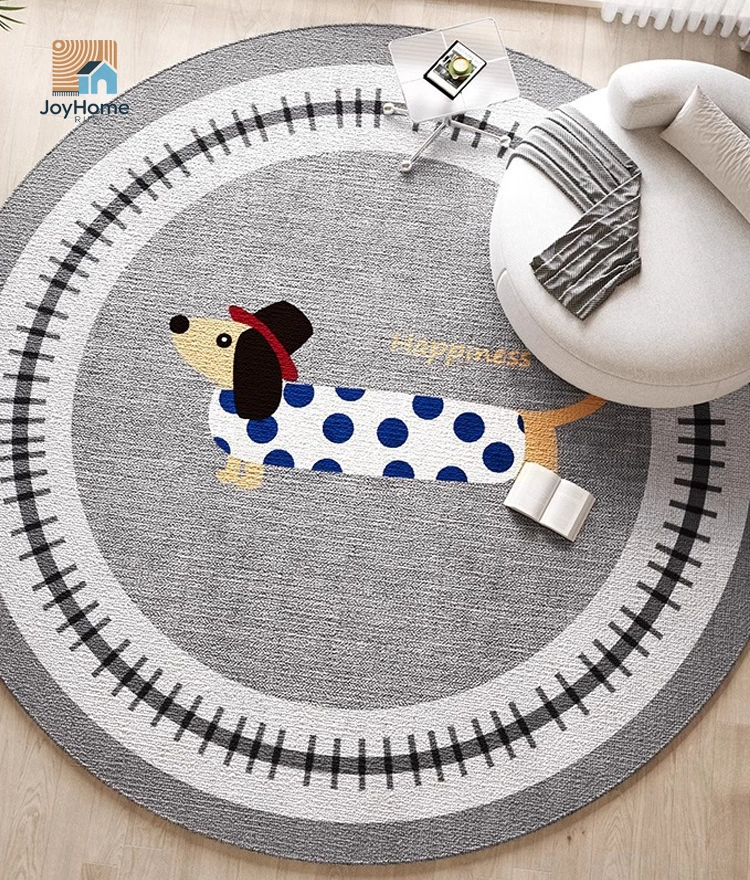
It's very helpful to have loop piles in your clothes. The smooth, thick surface is made possible by the yarn loops that stay in place. The holes catch dirt below shoe level so that shoes don't bring dirt into the building. At JoyHome, we use indoorensity polyester yarns that weigh 1300g/m² to knit our thick loop pile mats. They look great and are strong because of it. With a 7mm pile height, the carpet stays the same size even when a lot of people walk on it.
Practical Benefits Across Applications
When a business weighs the pros and cons of something, it's important to think about how long it's likely to last, how much upkeep it will need, and the environment. Rubber can handle strong chemicals, but smells may stick to it. Cloth mats come in many styles, but they need to be cleaned more often when they get dirty. Vinyl is strong and waterproof when used in high-end places, but it doesn't look very nice. If you know about these pros and cons, you can choose materials that will work well in a lot of places, from factories to high-end hotels.
How to Choose the Best Material for Your Indoor Floor Mats
To pick the best indoor floor mats, you need to do a structured analysis of your buying needs along with environmental factors. Looking at user profiles and traffic trends is the first step in this decision-making process. The needs of a warehouse loading dock are different from those of a pet-friendly office greeting area or a hotel hallway. Material choices are also affected by things like budgets, government rules, and companies' efforts to be more environmentally friendly.
Performance Metrics That Matter
KPIs are a fair way to measure things. How long something lasts can be judged by how well it handles regular wear and tear, how well it bounces back after being crushed, and how well its edges hold up over time. The ASTM D3884 Taber Abrasion Test checks the surface to see how worn it is. The thing will last longer if the number is less. To be safe, a business should have a skid resistance (also called the Coefficient of Friction, or COF) of at least 0.6. You should think about how well it cleans, how long the colours last, and whether you can use normal tools to clean it. One green standard, OEKO-TEX Standard 100, checks that goods don't have any chemicals that are bad for the environment.
Decision Matrix Application
Procurement teams can use a decision grid that gives factors different weights based on the use case. The door to a restaurant needs to be able to soak up water and dry quickly. In an office hallway, the goal is to lower noise levels and make the space look unique. In a shop window, custom colours and logos are important to show off the business. When companies buy floor mats, they get the most out of their monlowerhen they use focused, data-driven insights to match product specs to seller skills instead of just going with general ideas.
Comparative Analysis: Top Indoor Floor Mat Materials
You can tell a lot about the best indoor floor mats by how long they last, how much they cost, and how well you take care of them. When people who work in buying know these differences, they can make choices that fit their budgets and their needs.
Rubber Versus Fabric: Commercial Use Considerations
When things get rough, rubber mats are great. They don't lose their grip on things like chemical spills, mould growth, or wet surfaces. Since these things are true, facility managers in places like factories, hospitals, and business kitchens often pick rubber. It is easier to clean with a hose or power washer, which saves money on work. Three main problems: you can't choose from many designs; it might fade in UV light; and it looks plain, which isn't good for places where people will see it.
Most of the time, fabric mats, especially those with loop piles, are the best choice when it comes to style and functionality. When you walk up to a door, the right-sized entrance mat can catch up to 85% of the dirt in the first six feet. This is because the surface of the cloth really does trap particles. This big drop in dirt and dust that people track in makes floors inside last longer and usually cost less to clean. Modern treatments on fabrics make them work better. For example, antimicrobial additives kill bacteria that cause bad smells, stain-resistant coatings keep floors from getting dirty for good, and waterproof backing layers keep water from damaging the subfloors.
Thickness and Construction Impacts
How good it looks, how long it lasts, and how well it rests depend on how thick it is. If you want to keep things private and there isn't a lot of foot traffic, thin mats (3–4 mm) work well. Choices with a width of 5–6 mm are comfy and good for light work use. Heavy-duty mats (7 mm and up) are the most stable and supportive for your body in places where a lot of people walk. JoyHome's rugs are made with a 7mm loop pile construction that gives them a nice soft feel and keeps the structure strong even when moving loads like luggage carts and delivery dollies.
What's on the back affects how stable it is and how well it sticks to the floor. The cheap latex backing doesn't move around, but it might wear out over time if it gets wet. Rubber backing made of nitrile lasts longer and can handle poisons better, but it costs a little more. Commercial-grade mats now come with TPR (thermoplastic rubber) and silicone strip backings as standard. They have a good grip and are bendable enough to handle small flaws in the floor without bunching up or rolling up.
Eco-Friendly Materials and Compliance
Innovations in the best indoor floor mats are driven by the growing demand for items that are good for the earth. Recycled content mats are made from used PET bottles or rubber that has already been used. They keep waste out of landfills while still performing as well as new materials. Companies that want to get LEED approval or show they care about business social responsibility like to use natural fibres that break down naturally, like jute and coir.
Many places make it clear that rules about safety and the world must always be followed. When you see the CE mark on something, it means that it meets European rules for safety, health, and the environment. As long as it has the OEKO-TEX label, there are no harmful chemicals. This is very important for hospitals and schools. Getting ISO 9001 certification shows that you work well with quality. Following the rules set by REACH for chemical safety in Europe is important. The EN 13501 fire classification grades list the things that make something flammable. All of these certificates are kept up to date by JoyHome for all of our products. They show that we follow government rules and internal control policies when we buy things.

Procurement Options and Supplier Insights for Indoor Floor Mats
In order to get what you need, you need to look at market options and makers based on their skills, reliability, and value. The global floor mat business is made up of specialised manufacturers, importers, and store sellers. When it comes to the size of the order, the level of customisation needed, and the delivery time frame, each has its own pros and cons.
Manufacturer Direct Sourcing Advantages
A lot of good things happen when bulk buyers work directly with producers. When markups for middlemen are taken out, the price per unit drops by 20 to 35 percent compared to selling it in stores. You don't have to pick a product from a list when you have a direct relationship with a manufacturer. You can work together to pick the material, size, colour, and even add your own brand. As clients plan, their production partners give them expert advice to help them avoid making common mistakes like choosing the wrong size or covering material.
Production skill and wait times are important assessment factors. A plant owned by JoyHome that is 20,000 square meters and has 25 high-tech tools that can make 2,000 square meters of things every day. Not only can this huge space handle big projects that need thousands of square meters, but it can also handle smaller, more specific orders without stopping delivery times. We normally only need 7–15 days to make a large order and 24–48 hours to make a sample. This speed is helpful for projects that need to be finished fast or for clients who want to see real samples before they order full runs.
Customization and Flexibility
In modern procurement, custom solutions are being used more and more instead of off-the-shelf products. Sizes, colours, patterns, and functional treatments can all be changed to fit your needs. Standard mat widths fit most doors in homes, but for business use, they need to be precisely measured to cover certain areas or fit around building features. Customizing colours lets brands fit together, which lets business clients strengthen their visual personality throughout their buildings. Pattern choices include solid colouraffectingo with any style and logos, directional messages, and decorative patterns that are printed just for you.
JoyHome offers a wide range of OEM and ODM services. Our design team works with clients to make sure that the products they get are exactly what they want. We can make solutions that fit the needs of your project, whether you need mats in a certain Pantone colour, custom-cut shapes for odd floor plans, or safety features that are mirrored. We are also flexible when it comes to packaging. Depending on the shipping method and the needs of the destination, we can use export-standard roll packaging, protective carton packaging, or heavy-duty woven bag packaging.
Quality Assurance and Warranties
Suppliers with a good reputation use strict quality control procedures to make sure that their products always work well. At JoyHome, each mat is checked over one hundred percent before it is sent out. This thorough quality check makes sure that the measurements are correct, the colours are consistent, the surface treatment works, and the backing sticks well. It's still less than 0.3%, which is much lower than the average for the market. We stand behind our commitment to quality with a clear guarantee that covers any problems with the product and lets customers choose between replacements or credits if they happen.
Maintenance and Longevity: How to Maximize Indoor Floor Mat Performance
When you take care of your best indoor floor mats the right way, they last longer and keep up with safety standards that make the initial investment worthwhile. Different types of mats need different ways to be cared for, but some rules apply to all of them.
Material-Specific Cleaning Protocols
Regular vacuuming of fabric loop pile mats is a good way to get rid of dirt that gets stuck in the pile before it gets deeper into the structure of the pile. Commercial spaces with a lot of foot traffic should be vacuumed every day, while homes may only need two or three sessions a week. Deep cleaning your mats on a regular basis with extraction tools or by hiring professional mat cleaners will restore their look and make them last longer. The stain-resistant treatment on JoyHome fabrics keeps spills on the surface instead of getting into the fibres. This makes it easy to clean up small areas quickly with a damp cloth and light soap. This trait makes it much less likely that coffee, mud, or food spills will leave lasting marks.
Avoiding Common Durability Issues
Localized wear usually happens on paths that get a lot of use. By rotating the mats every so often, the wear patterns are spread out more evenly, which essentially doubles the useful life. In business settings, ordering mats that are a little bigger than what is needed spreads traffic across the whole surface instead of focusing wear along the center line.
Managing moisture stops many different types of damage. When you let mats dry fully between cleanings, germs and musty smells can't grow on them. Using both moisture-absorbing mats and scraper mats together in places that get a lot of rain, like building entrances during the rainy season, makes for a stronger defence. The first mat, the scraper, gets rid of big pieces of dirt and extra water. The second mat, the absorber, soaks up any remaining water, so neither mat gets too wet.
Replacement Timing and Indicators
Figuring out when mats have hit the end of their useful life keeps them from losing their safety and good looks. Wear patterns where the pile height has dropped noticeably, broad stains that won't come out, or backing degradation shown by splitting or loss of grip are all visual signs. Functional indicators include less effective dirt-trapping, with more tracking visible in nearby areas, or smells that won't go away even after thorough cleaning.
Instead of watching for failure signs, commercial buildings would be better off setting up regular replacement times based on traffic data. A hotel lobby entrance mat that gets 2,000 daily foot traffic might need to be replaced every year, while an office hallway mat that gets 200 daily foot traffic might last three years. This proactive method makes sure that safety standards and beauty standards are always met, and it also makes budgeting and buying in bulk easier.
Conclusion
As you look for indoor floor mats, you should think about your income, how they look, and how well they work. The loop pile polyester structure is better at keeping dirt in, feels better, and gives you more design choices for most home and business uses. There is a non-slip backing built in, and the right thickness is used to make sure safety and durability. Key to successful buying is working with skilled makers who let you make changes, follow strict quality standards, and deliver on time. Because we make a lot of different products, have a lot of certifications, and care a lot about customer service, JoyHome is the best company for businesses that need high-performance floor mats. It will save you money in the long run to rent good mats, protect your floors, and keep your employees safe.
FAQ
What materials provide the longest lifespan in heavy commercial traffic?
High-density loop-pile polyester mats last a very long time in tough business settings. It's hard for JoyHome's building to break down, and the piles stay straight even after people walk on them for a long time. If you take good care of these mats, they will last three to five years in places with a lot of foot traffic, like shopfronts and office hallways. Rubber mats don't last as long as other types, and many business clients need mats that can look different ways.
Do eco-friendly mats perform as well as traditional options?
These days, eco-friendly mats made from recycled polyester or natural fibres that break down over time work just as well as or better than old materials most of the time. The tests we did show that mats made from recycled materials are just as durable as mats made from new materials. It doesn't matter where the materials come from as long as they are made well. OEKO-TEX approvals show that materials that are good for the environment meet high standards for performance and safety.
How can I be sure that mats follow safety rules?
Ask for proof that you've met the requirements by getting certification. To use it in the US, look for an NFSI High-Traction seal that says the item doesn't slip. The ASTM E-648 Class 1 grades make sure that fires don't start in business buildings. Products must have a CE mark and an EN 13501 rating in order to be sold in Europe. Every bulk order from JoyHome comes with full certification packages. This makes it easier to meet safety standards and go through audits.
Elevate Your Spaces with JoyHome's Premium Indoor Floor Mat Solutions
JoyHome makes the best indoor floor mats on the market, and they're designed to work in tough business and domestic settings. Our thick loop pile rugs have a high density of 1300g/m², an anti-slip backing, and improved stain-resistant treatments that make them last longer and be easier to clean. As a reliable floor mat supplier, we work with hotels, offices, stores, and picky homeowners all over the world. We offer flexible customization, low bulk prices, and delivery in 7–15 days. You can email our team at admin@longtengmen.com to talk about your unique needs, get free samples, or get a full quote. Feel the difference in quality and customer service that makes JoyHome the best company to buy the best indoor floor mats from.
References
1. Morrison, T. & Chen, L. (2023). "Facility Management Best Practices: Floor Protection Systems in Commercial Environments." International Journal of Building Operations, 41(3), 112-128.
2. National Floor Safety Institute (2022). "Slip, Trip, and Fall Prevention: The Critical Role of Entrance Matting Systems." NFSI Annual Safety Review, 18-34.
3. Sanderson, K. (2024). "Sustainable Materials in Commercial Interiors: Performance Analysis of Recycled-Content Floor Mats." Green Building Research Quarterly, 29(1), 67-82.
4. Williams, R. et al. (2023). "Textile Engineering for High-Traffic Applications: Loop Pile Construction and Durability Testing." Journal of Applied Textile Technology, 15(2), 201-219.
5. Building Owners and Managers Association (2023). "Lifecycle Cost Analysis of Floor Protection Products in Class A Office Buildings." BOMA Research Report Series, Volume 7.
6. Henderson, M. (2024). "Indoor Air Quality Impact of Entrance Matting Systems: Particulate Capture Efficiency Studies." Environmental Building Science Review, 33(4), 445-461.
Online Message
YOU MAY LIKE
High quality furniture manufacturer