Sep 30, 2026
Can a Long Jump Runway Mat Enhance Jumping Safety?
Yes, a long jump runway mat can meaningfully enhance jumping safety. By providing consistent surface traction, rapid moisture absorption, and reliable shock distribution, a quality runway mat reduces the risk of slips during the approach run and absorbs stress at the takeoff point. Athletes training on poorly surfaced floors face higher rates of ankle sprains and knee strain. A properly specified long jump runway mat—built from high-density foam rubber with anti-slip backing—addresses these risks directly, making it a worthwhile investment for schools, training centers, and commercial athletic facilities alike.

Understanding Long Jump Runway Mats and Their Role in Safety
What Are Athletic Runway Mats Made Of?
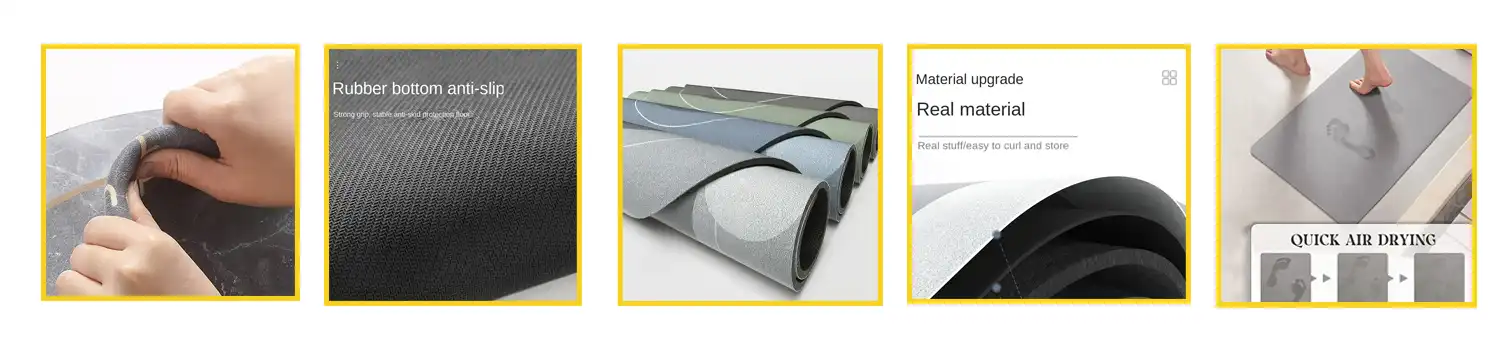
Most expert runway mats are made of foam rubber and have a rough rubber base layer. The foam core takes in impact energy, and the base sticks to the floor. JoyHome's foam rubber technology, which is based on diatomaceous earth, quickly absorbs water and dries. The material is 1600g/m² dense and 2.5 mm thick, which means it can handle repeated takeoffs without permanently getting smaller. This construction directly lowers the amount of force that is put on an athlete's joints during fast approaches.
How Do Safety Standards Apply to These Mats?
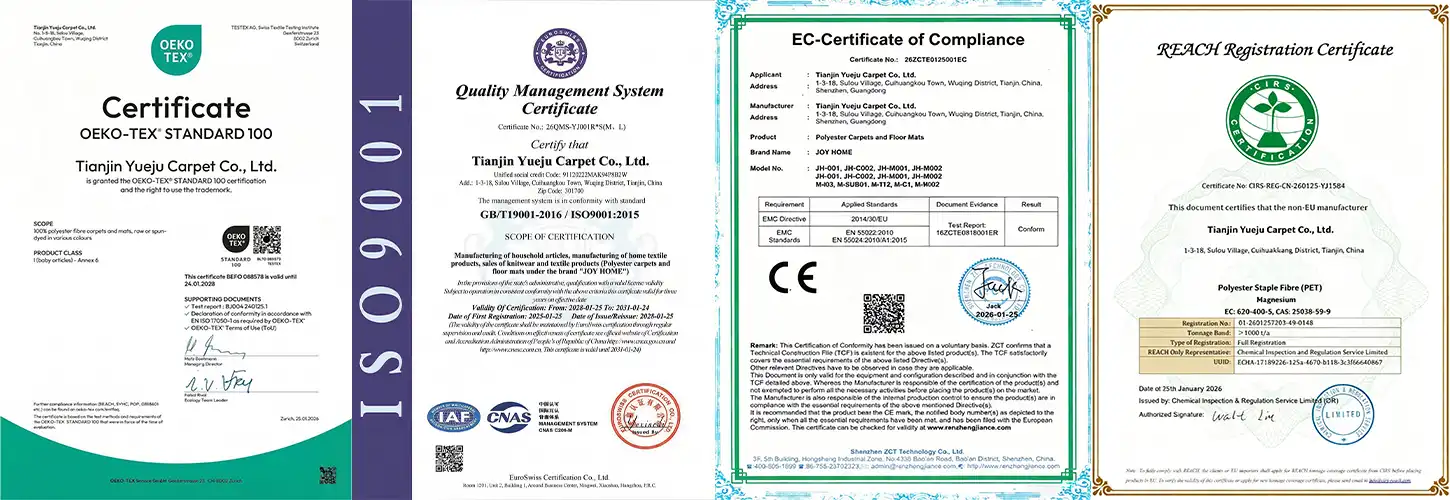
Athletic surfaces must meet certain levels of friction and impact absorption, as set by international organizations such as the IAAF and EN. Mats that are certified must keep these values throughout their useful life. JoyHome's runway mats have been certified by CE, OEKO-TEX, and ISO 9001, which means that the materials used, the way they are made, and the end goods all meet safety standards. For procurement teams, verified approval takes away the guessing and keeps sites safe from liability issues related to surfaces that aren't up to par.
Why Does Surface Consistency Matter for Athletes?
Surfaces that are too smooth, too rough, or uneven can mess up an athlete's step pattern before they even start running. This makes it more likely to fall and hurts performance. A flat, non-slip rubber back on a long jump runway mat that doesn't have any seams or gaps gives athletes a stable base. That consistency is just as important for safety as how well the support works, because it lets the body fix itself naturally instead of reacting to changes in the surface that come up out of the blue.
Key Safety Benefits of Using Long Jump Runway Mats
Shock Absorption That Protects Joints
A good sports runway mat is made of high-density foam rubber, which spreads out ground response forces over a larger area. The knees and feet will not be under as much stress during the approach run or the takeoff step. Researchers in the field of sports medicine have found that track and field athletes are less likely to hurt their lower limbs from overuse when they train on surfaces that are padded. A mat that weighs 1600g/m² is dense enough to do this job without being too soft or unstable to walk on.
Slip Resistance That Prevents Falls
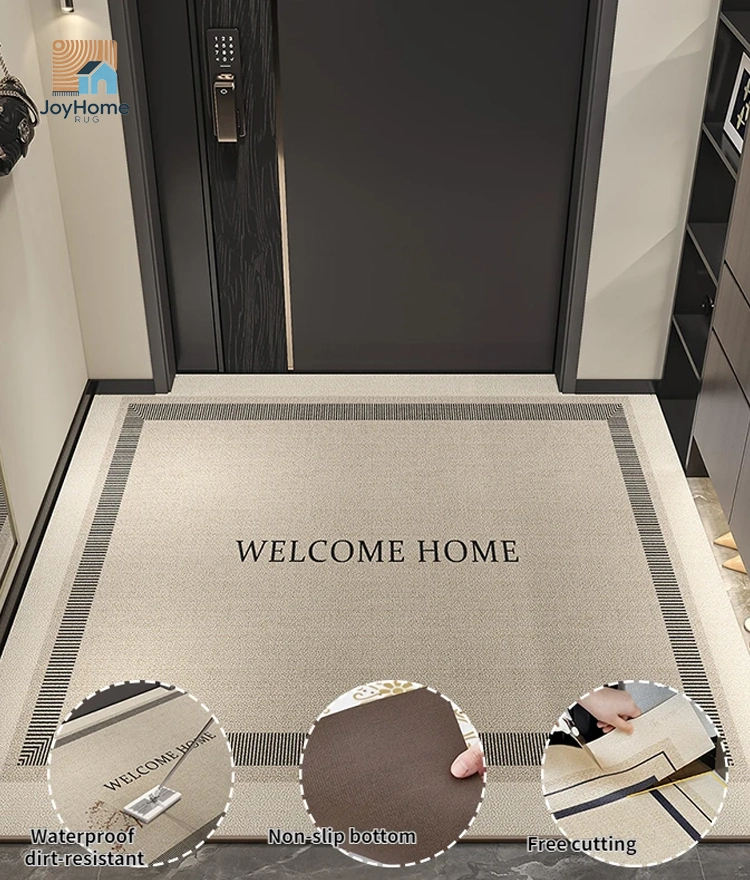
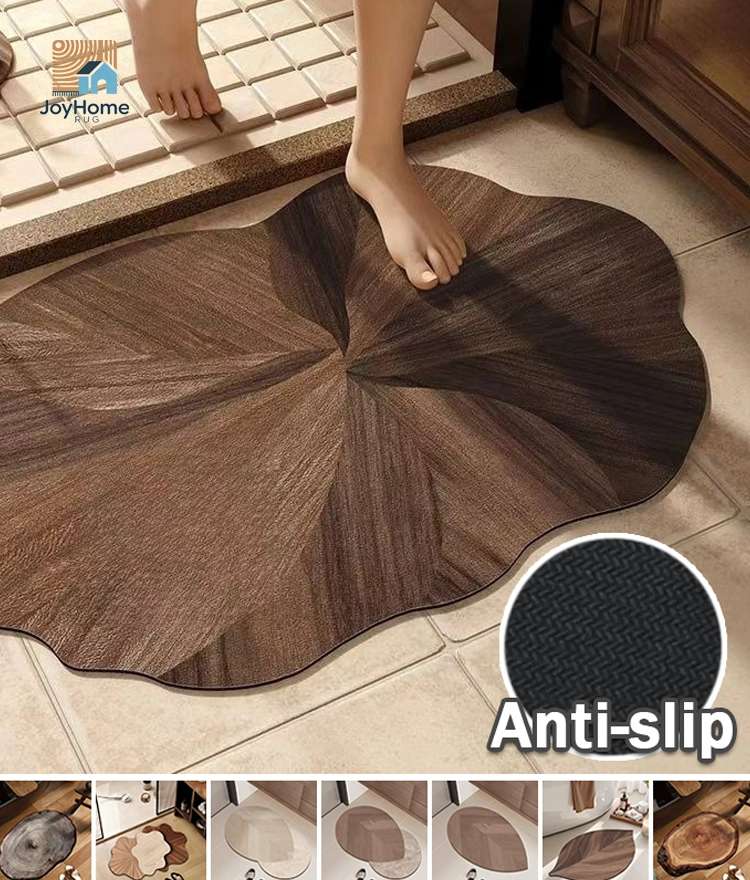
Accidents in training often happen because of wet surfaces from cleaning, sweat, or high humidity. The runway surface from JoyHome is made of a tech velvet layer that quickly absorbs water. The waterproof rubber bottom stops liquid from getting to the floor below. With this two-layer moisture control, the surface stays dry and gripping even when you're working out hard. The rough rubber backing sticks to smooth gym floors securely, so the mat doesn't move when an athlete steps on it.
Durability That Sustains Safety Over Time
A mat that breaks down quickly is no longer safe to use. Traction and shock absorption are all lowered when something cracks, peels, or is permanently compressed. The high-density foam rubber structure of JoyHome doesn't bend even after thousands of training sessions. The surface treatment makes it resistant to stains and easy to clean. It's also simple to maintain, so the mat stays clean and physically sound season after season. Facilities benefit from less frequent replacements and consistent performance over the mat's lifetime.
Selecting the Right Long Jump Runway Mat for Safety and Performance
Evaluating Material Type and Thickness
Most of the differences in safety performance between products are caused by the materials they are made of. Foam rubber is good for athletic takeoffs because it has the right amount of cushioning and firmness. Pure rubber mats are stiffer and last longer, but they don't absorb impacts as well. Surfaces made of only foam may be too soft for quick moves. JoyHome's runway mat is 2.5 mm thick and 1600 g/m² heavy, which means it supports both safe landing cushioning and stable, strong takeoff mechanics. This is a balance that pure rubber or lightweight foam options often miss.
Comparing Certified vs. Non-Certified Products
When you buy non-certified runway surfaces, they may look the same, but they aren't always made with the same standards in mind. Without ISO 9001 process rules, the quality of each batch of a product can be different. Without OEKO-TEX approval, you can't be sure that materials are safe for chemicals. A certified long jump runway mat from a confirmed producer protects both athletes and people who make decisions about purchases. Every order that comes from JoyHome is inspected before it is shipped, so the mat that you get is exactly what you bought and not a rough estimate.
Custom Sizing and Configuration Options
Standard sizes work for most setups, but gyms with odd plans, areas that are used for more than one thing, and business buildings often need custom sizes. JoyHome accepts OEM/ODM orders and lets you change the size, color, pattern, and brand. You can choose from solid color, printed, and fully custom design options. Because it is so adaptable, the runway mat can be used in a facility's branded setting without affecting safety standards. Custom orders are sent out within 7–15 business days from a 20,000m² factory that produces 2,000m² every day.
Installation and Maintenance for Optimal Safety
Installation Best Practices
A clean, dry, level floor is best for putting down a long jump runway mat. You don't have to put the mat together; it rolls out flat and stays in place right away thanks to the rough rubber backing. When placing an order, procurement teams should specify the type of floor to make sure the backing will work. JoyHome includes product instructions with every package to make it easier for building staff to set up. It only takes minutes to place something correctly, and standard installations don't need any glue or fasteners.
Routine Cleaning and Inspection
The anti-stain treatment on the surface makes regular cleaning easy—a wet wipe or rinse gets rid of most of the sweat from training. The mat can be washed in a machine and dries quickly, making it perfect for places with a lot of foot traffic where the floor needs to be ready in hours. Every month, you should check for surface wear, edge lifting, and compression spots. If you see any of these signs, the mat is no longer safe to use and needs to be replaced. With a sample wait time of 24 to 48 hours, JoyHome can quickly fill new orders.
After-Sales Support for B2B Clients
For long-term contracts, procurement teams need solid help after the sale. JoyHome offers design help before the sale, quick communication after the sale, and a variety of reorder options with no minimum order size. It doesn't matter if a facility only needs one replacement mat or a lot of them for a network of gyms—the order process can handle it. This service continuity keeps facility managers from having to deal with gaps in surface coverage that could make training less safe.
The Business Case: Safety Investment That Pays Back
It costs a lot to be out with an injury. One ankle injury during training can keep an athlete out for weeks and put a center at risk of damage claims. Buying a certified sports runway mat lowers that risk by giving you an area that always meets safety standards. Durable, high-density construction also means that it doesn't need to be replaced as often as cheaper options, which lowers the total cost of ownership over three to five years. JoyHome also lets business buyers discuss flexible MOQ terms so they can stick to their budgets and avoid overstocking.
A safety-focused surface shows that the institution is trustworthy, in addition to being cheaper. Schools, professional training centers, and business gyms that buy verified sports floor mats show that they care about the safety of their athletes. That image helps keep clients and lowers worries about staff liability. As part of larger sustainable goals, procurement managers who are looking to the future should also look at eco-material choices and OEKO-TEX-certified products. Both of these things are already covered by JoyHome's product line.
Conclusion
A well-made long jump runway mat does more than just cover the floor; it actively lowers the risk of harm, boosts the confidence of athletes, and helps the venue meet safety standards. Every choice of material has a direct effect on safety, from the shock-absorbing foam rubber structure to the approved non-slip backing. JoyHome's 1600g/m², 2.5mm diatomaceous earth runway mats are made with guaranteed quality, unique sizes, and quick production times in mind. When purchasing surfaces that could affect the safety of athletes, it is smart and practical for procurement teams to choose a verified high-density runway mat.
FAQ
What material is used in JoyHome's athletic runway mat?
JoyHome's landing mat is made of foam rubber, which has the same ability to absorb water as diatomaceous earth. The top layer quickly soaks up sweat and water, and the bottom layer of textured rubber sticks to the floor. Core duties include quickly absorbing water, drying quickly, not slipping, absorbing oil, and being easy to clean.
Will the mat shed powder, crack, or deform over time?
Not at all. The high-density foam rubber structure doesn't crack, peel, or permanently shrink even after thousands of workouts. During its whole useful life, the mat keeps its shape and keeps providing good grip and padding. JoyHome's 1600g/m² building doesn't break down when used for sports like low-density options do.
What sizes and customization options are available?
JoyHome has both regular sizes and sizes that are made just for you. OEM/ODM services let you change the color, design, brand, and size of a product. You can get samples in 24 to 48 hours, and large orders will be shipped in 7 to 15 work days.
Is the mat suitable for commercial or institutional use?
Yes. The mat is made to be used in places with a lot of foot traffic, like school gyms, professional training centers, hotels, offices, and other business buildings. It can be used by more than one person because the surface can be washed in a machine and the construction is strong.
Get Your Custom Long Jump Runway Mat Quote from JoyHome
JoyHome sells certified long jump runway mats to businesses, schools, and athletic facilities in the US and other countries. We have been making long jump landing mats for more than 20 years, are ISO 9001 certified, and can make 2,000m² per day. We can meet your needs for quality and timeliness. To get samples, prices, or unique specs, email our team at admin@longtengmen.com or visit yuejuditan.aixdb.cn right now.
References
1. Nigg, B. M., & Segesser, B. (1988). The influence of playing surfaces on the load on the locomotor system and on football and tennis injuries. Sports Medicine, 5(6), 375–385.
2. Garrick, J. G., & Requa, R. K. (1988). The epidemiology of foot and ankle injuries in sports. Clinics in Sports Medicine, 7(1), 29–36.
3. Stafilidis, S., & Arampatzis, A. (2007). Muscle–tendon unit mechanical and morphological properties and sprint performance. Journal of Sports Sciences, 25(9), 1035–1046.
4. Dixon, S. J., Batt, M. E., & Collop, A. C. (1999). Artificial playing surfaces research: A review of medical, engineering and biomechanical aspects. International Journal of Sports Medicine, 20(4), 209–218.
5. Andreasson, G., & Lindenberger, U. (1985). Influence of shoe and surface characteristics on the frictional properties at the shoe-surface interface. Medicine & Science in Sports & Exercise, 17(1), 145–150.
6. Torg, J. S., Quedenfeld, T. C., & Landau, S. (1974). The shoe-surface interface and its relationship to football knee injuries. Journal of Sports Medicine, 2(5), 261–269.
Online Message
YOU MAY LIKE
High quality furniture manufacturer