Jul 8, 2026
Can Stylish Kitchen Mats Reduce Fatigue While Cooking?
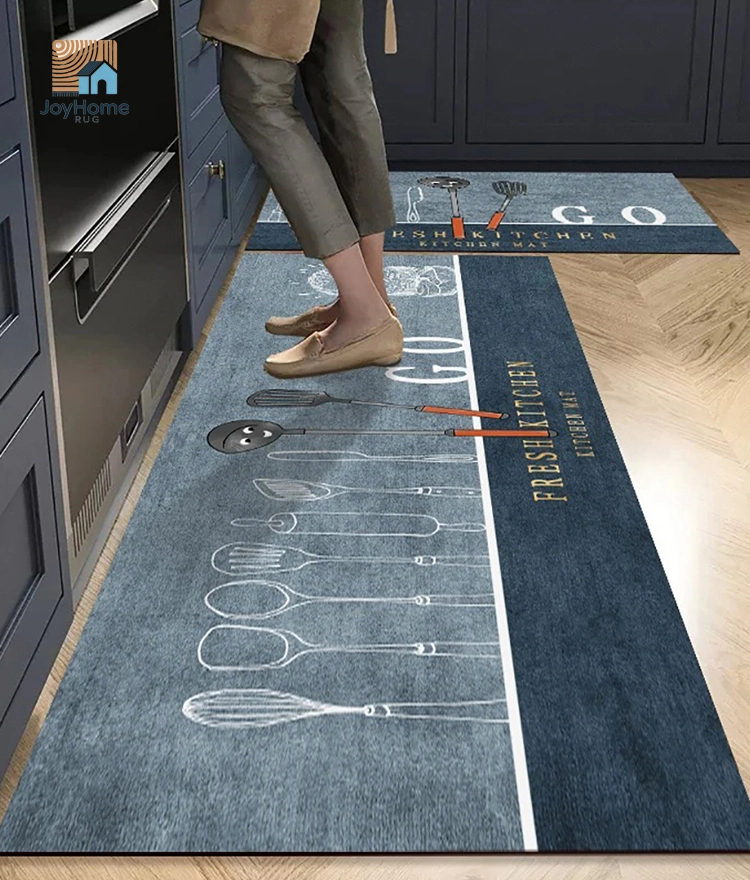
In fact, stylish kitchen mats can make cooking a lot less tiring. These special floor covers use high-density cushioning materials like crystal silk and polyester fiber to absorb the impact forces that come from standing for long periods of time. They combine advanced ergonomic engineering with modern design. Long amounts of time spent standing on hard surfaces like tile or concrete cause blood to pool in your lower legs and your lower back to be constantly compressed. Good anti-fatigue mats deal with this physical problem by giving you a surface that responds to your body and encourages small muscle movements. This improves circulation and makes cooking less stressful on your joints and lower back.
Understanding Fatigue While Cooking and the Role of Kitchen Mats
Why Standing in the Kitchen Causes Physical Strain
If you regularly make meals, you know how uncomfortable it is to stand in one place for thirty minutes or more. The human body wasn't made to stay in one position for long periods of time on hard surfaces. When you don't move while chopping veggies or watching a pot boil, gravity pulls blood down into your legs, putting pressure on your veins that they can't handle. Your legs and feet will swell, hurt, and feel heavy because of this pooling of veins. The muscles and discs in your lower back are also being stressed because your spine is constantly under compression loads that don't let up.
How Quality Floor Mats Address These Issues
Anti-fatigue floor covers put down a soft layer between your feet and the hard floor. This fairly simple action sets off a chain of good things that happen. The slightly unstable floor under your feet makes you use small muscles in your core and legs to keep you steady. This causes tiny movements that help your blood return to your heart. When you change your weight, the support also absorbs the shock, which lowers the impact forces that go up through your bones. Kitchen mats that are 5 mm thick and have densities between 750g and 1100g per square meter provide the best support without being too soft or unstable. These specs are the ideal balance between comfort and functionality, according to engineers.
Safety Considerations in Cooking Environments
In places where spills and splashes happen often, safety is still the most important thing. Backing systems that don't let you slip, like dot plastic or rubber strips, are used in effective kitchen floor solutions. These systems keep your grip even when there is moisture present. This anti-slip technology keeps the mat from becoming a danger, which is a key feature that sets professional-grade goods apart from decorative rugs that might move when you walk on them. Fire safety standards, such as EN 13501, give you even more peace of mind that the material won't add to fire risks near cooking appliances.
Core Features of Stylish Kitchen Mats That Reduce Fatigue
Material Composition and Cushioning Properties
The material that anti-fatigue stylish kitchen mats are made of is what makes it work. High-quality choices are made with crystal velvet or luxury polyester fiber, which is very strong and lasts a long time. Unlike lower-grade foam, which breaks down and stops working after just a few months, these synthetic materials keep their padding qualities through thousands of compression cycles. Professional materials have a closed-cell structure that keeps liquids from getting through to the surface. This keeps the mat clean even in busy kitchens.
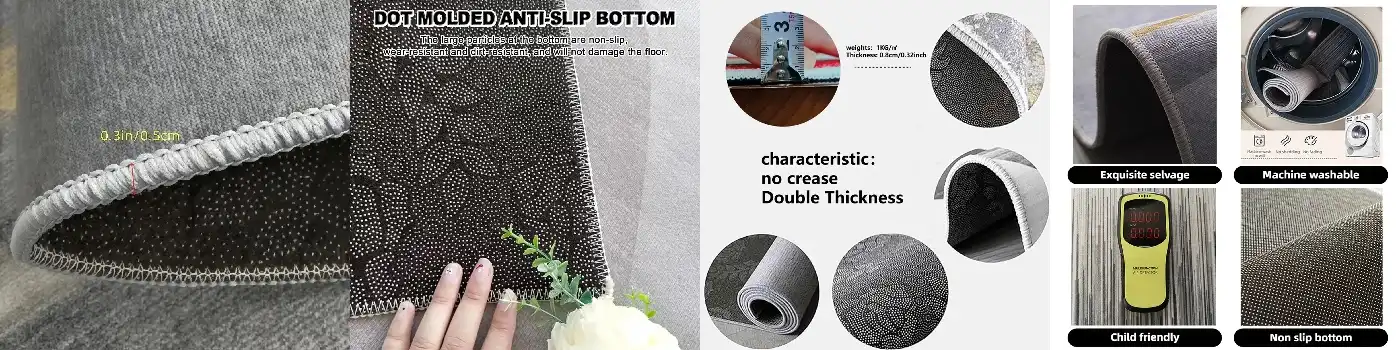
When choosing a material, density is just as important as makeup. Mats that weigh between 750g and 1100g per square meter have enough material to hold an adult's weight without sinking, but they are still light enough to be moved around easily for cleaning. This range of densities also helps with physical stability. The mat stays flat and doesn't curl at the edges, so it's not as likely to cause trips as thinner mats.
Anti-Slip Technology and Floor Protection
The backing method determines whether a mat stays put or makes it possible for things to slide. Without glue or tape, the advanced silicone strip backing sticks to tile, hardwood, and even smooth concrete. Because this technology doesn't use chemicals to stick things together, you can move the mat around when you need to without leaving marks on the floor. The backing doesn't let water through, so it keeps the floor finish from getting damaged by water. This is especially important for hardwood floors, where water can stain or warp the surface.
Slip resistance is checked using different testing methods in different situations. Professional-grade items meet ASTM standards for coefficient of friction, which means they will work reliably even if they come in touch with water or cooking oil. Unlike regular mats that get slippery when wet, anti-fatigue solutions are designed to keep their performance level over time.
Aesthetic Integration with Modern Kitchen Design
Visual harmony is important in modern kitchen design, which means that every part of the kitchen works together to create a certain look. Modern anti-fatigue floor covers know this is important and use heat-transfer printing technology to create beautiful designs and colors. Screen printing only sticks to the surface and wears off over time. Heat-transfer methods, on the other hand, embed pigments into the structure of the fibers, making patterns that won't fade even after industrial washing and heavy use.
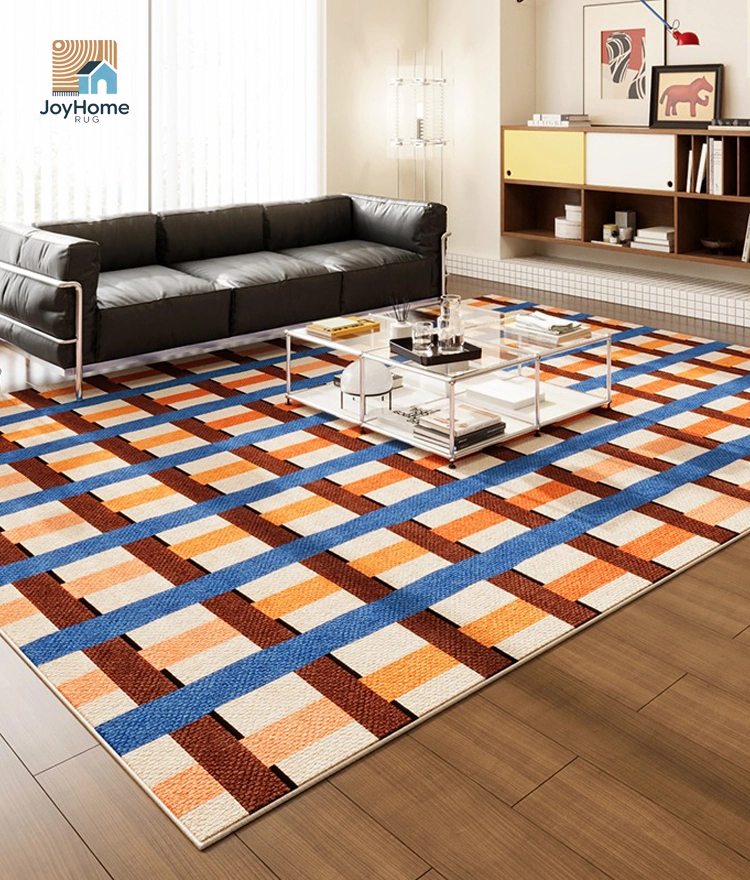
Designers and stores can choose exact colors, patterns, and even branding elements when products can be customized. Manufacturing versatility allows for a wide range of style goals to be met, whether you want solid neutrals to go with simple rooms or bright patterns to add personality. This design flexibility gets rid of the need to choose between good looks and good ergonomics.
How to Choose Stylish Kitchen Mats for Different Kitchen Environments
Assessing Spatial Requirements and Traffic Patterns
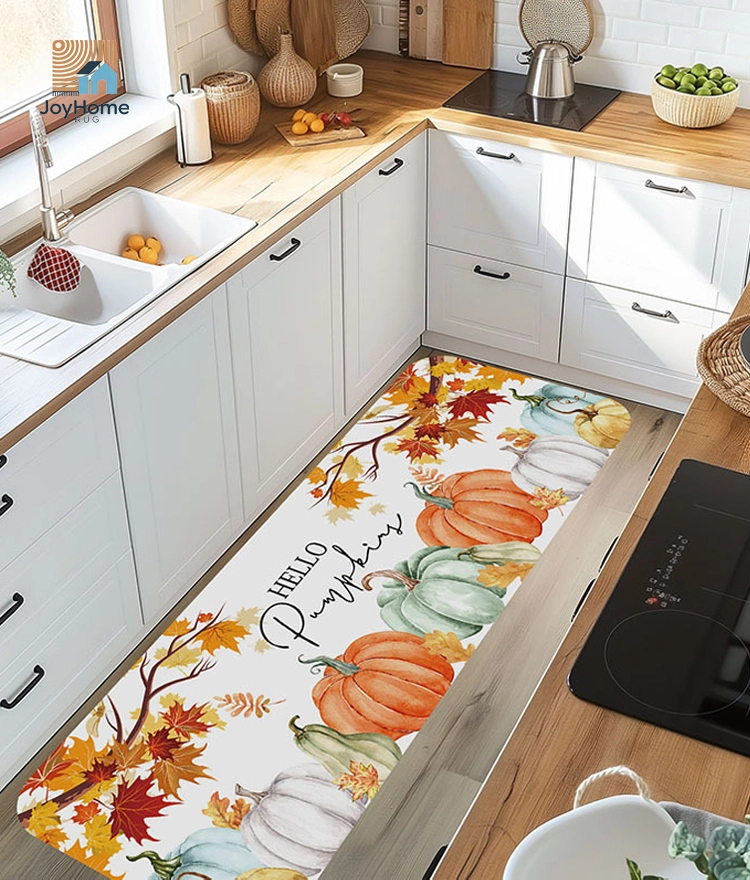
When choosing the right mat size, you need to carefully think about how your kitchen is set up and how you work. You should measure the areas where you stand the most, which are usually in front of the sink, stove, and main work table. Mats should cover these areas that get a lot of use and have a few inches of extra space on either side of your natural stance width. This way, you can change positions without taking your foot off the soft surface. Standard sizes work for most home plans, while custom sizes are better for business installs or open-concept designs that need to fit specific space requirements.
Patterns of traffic also affect choice. Runner-style layouts work best in galley kitchens with straight lines of work, while island-centered layouts may need a few smaller mats placed carefully around the edge of the desk. Don't cut corners on the size of your mats to save money—not having enough covering takes away from the practical benefits and makes the floor look uneven.
Durability Considerations for Various Use Intensities
Materials that are made to be used a lot are needed in commercial kitchens and homes where a lot of food is cooked. Look for items with fine lock-edge finishing on the edges that make them stronger and won't break, even after years of being worn and washed many times. The 0.6cm edge treatment is the best way to do things in the business right now. It gives the structure enough support while keeping the profile low enough to keep doors from getting stuck.
Ratings for the mat's weight make sure that it will keep its cushioning qualities in your particular situation. In domestic settings, materials are rarely put under more stress than what is required by standard specifications. However, in business settings with many people working at once, the load distribution capabilities must be confirmed. Good makers make it clear what they recommend using their products for and when they should be replaced, based on how often they are used.
Maintenance Requirements and Lifecycle Costs
The original purchase price of stylish kitchen mats is only one part of the total cost of ownership. Other costs include cleaning, repairs, and replacements. Products that can be washed in a machine have much lower maintenance costs than those that can only be cleaned by a professional. The mat can be washed in a regular washing machine and then dried in the air or on low heat. This saves money on professional cleaning fees and service delays.
Material quality has a direct effect on how often it needs to be replaced. After hundreds of washings, high-end crystal velvet keeps its soft feel and good looks, while cheap materials wear out quickly. Ask for cycle-wear test data that shows the material's compression set (how much it permanently shrinks) after certain use periods when you are comparing choices. Long-term, products that keep less than 15% of their original compression set after 10,000 rounds are the best buys.
Customization Options for Brand Identity and Spatial Integration
OEM and ODM customization services are helpful for businesses that want to strengthen their brand personality through outdoor design. Graphic designers and manufacturers who use digital printing can make exact copies of logos, color schemes, and unique artwork. This feature helps stores make signature spaces, hotels make sure that all of their properties are consistent with their brand, and business kitchens that want to boost staff happiness by making their workspaces look nice.
Customizing the size lets you fit odd-shaped items that normal sizes can't. Whether you need a large mat for a business prep station or a solution that fits perfectly in a small apartment galley, flexible manufacturing systems can make exactly what you need without the high prices that come with custom orders. The minimum order quantity has gone down a lot, which means that smaller tasks can now get custom solutions.
Comparing Stylish Kitchen Mats to Regular Mats: Which is Best for Fatigue Reduction?
Quantifying Comfort Differences Through Measurable Metrics
Objective measures, not personal opinions, are used by scientists to judge how well anti-fatigue products work. Researchers using force plate technology have found that good anti-fatigue mats lower the peak heel pressure by 30 to 50 percent compared to standing on hard floors. These lower blood pressure levels directly mean less stress on the joints and soft tissues in the lower limbs and spine.
In a number of ways, stylish kitchen mats that are designed to reduce tiredness work better than regular rugs. Standard decorative mats are usually only 2 to 3 mm thick and don't have much bulk, so they don't provide much padding. They don't have the designed stability that keeps the support stable over long periods of use. When people put weight on small rugs, they flatten out almost right away, so they aren't better for functionality than bare floors. Anti-fatigue goods that were made for that purpose keep their cushioning qualities even during the compression cycle, so they keep absorbing impact forces.
Long-Term Health Benefits and Productivity Impacts
Having chronic joint pain can lower your quality of life and make it harder to do your job. Studies following workers who switched to anti-fatigue mats show big drops in the amount of pain they reported and faster finish times for tasks. A lot of this study is done in industrial settings, but the biomechanical concepts also work in home cooking situations where people spend a lot of time making meals.
When commercial kitchen owners put down good floor coverings, they see measured efficiency gains and fewer workers' compensation claims. When employees aren't as physically tired, they can stay focused and work faster throughout their shifts. The initial cost of quality matting is usually recouped within a few months thanks to these benefits. This makes the business case strong for procurement pros.
Durability and Replacement Cycle Economics
There may be a moment when cheap rugs and mats look like a good deal, but they quickly lose their value. Products that don't have the right edge protection start breaking after just a few weeks of daily use. When thin materials are compressed, they lose their ability to soften and make surfaces that aren't level, which can cause people to trip. Backing systems with bad glue break down when they come in contact with water and cleaning chemicals, which can make the mat slip or leave marks on the floor.
Performance traits of professional-grade products stay the same over multiple years. When companies back their products with full guarantees, it shows that they believe the products will last. Look for promises that cover flaws in the material, the way it compresses, and the strength of the backing for at least two years. These guarantees are based on real quality, not just marketing speak. They give you peace of mind that your investment will continue to be valuable.
Maintenance and Longevity: Ensuring Lasting Anti-Fatigue Benefits
Establishing Effective Cleaning Protocols
With proper care, both the product's looks and its functionality can be kept for a long time. As part of daily maintenance, cleaning or shaking gets rid of loose dirt and dust that could get stuck in the fibers otherwise. Spills can be cleaned up right away with spot cleaning, which stops stains from setting in. Because good construction includes a waterproof layer, you can wipe up drips without worrying that the water will get through to the backing.
Hygiene standards for stylish kitchen mats are kept up in places where food is prepared by washing machines once a week or twice a week. Use cool to warm water and light soap. Stay away from bleach and other harsh chemicals that could damage the fibers or fade the colors. The crystal velvet fabric can handle regular washing processes and comes out clean and fresh without any extra care. High-heat tumble drying destroys more of the material's qualities than air drying, but low-heat settings usually work well if you need to use a machine to dry something quickly.
Monitoring for Wear Indicators and Replacement Timing
Even high-quality products hit the end of their useful life at some point. Regular inspections help you figure out when something needs to be replaced. Keep an eye out for areas that get a lot of use—if the cloth stops springing back when you step off, it's no longer a good cushion. Edge tearing that goes beyond light surface fuzzing is a sign of structural weakness. Loss of backing shows up as less grip, which makes the mat move around when it's being used.
Replacing things before they completely break down stops tiredness symptoms from coming back and keeps safety standards high. In heavy use, most business settings should plan to change their products every two to three years. In homes, however, quality goods usually last four to five years. Keeping track of how often something is used helps set up regular replacement plans that don't get thrown off by sudden failures.
Leveraging Supplier Support for Optimal Performance
Getting to know responsive producers and building partnerships with them is valuable after the initial transaction. Good suppliers will give you expert advice on how to choose the right product, which will help you match the specs to your exact needs. They make it clear what the best upkeep practices are and how to fix any speed problems that come up while the product is being used.
Comprehensive after-sales help includes quick warranty handling when problems arise, so that business activities are interrupted as little as possible. Suppliers who keep a lot of stock on hand can fill urgent orders when replacements are needed quickly. This dependability is especially helpful in retail and restaurant settings where the safety and look of the floor have a direct effect on how customers feel. When looking at possible providers, pay as much attention to how quickly they are and how well their support system works as to the specs of the products they offer.
Conclusion
Anti-fatigue floor covers have been shown to help reduce the physical stress that comes with standing for long periods of time while making food. The ergonomic benefits come from specially designed padding that takes pressure off of joints and improves blood flow. This is supported by scientific research that shows measured increases in comfort and fewer signs of tiredness. Quality goods stood out by using well-thought-out materials, being well-built, and having a wide range of looks that go with modern kitchen design. When choosing mats for home or business use, it's important to focus on features that ensure long-lasting, safe, and consistent performance over multiple years. These benefits last as long as you keep up with the upkeep, and working with responsive makers gives you ongoing help.
FAQ
Do stylish kitchen mats work on hardwood floors without causing damage?
Good anti-fatigue mats have non-marking rubber or dot plastic backing systems that are made to work with wooden floors. Instead of glue, these backing materials stick to surfaces through friction. They keep things stable without leaving behind any dust or damage to the surface. The waterproof layer keeps floor surfaces from getting wet, which could damage them by staining or bending them.
What materials offer the best ergonomic support?
Premium polyester fiber and high-density crystal velvet work together to make the best support for anti-fatigue uses. Unlike low-density foam, which forever breaks after just a few uses, these materials keep their compression resistance the same over thousands of uses. The best mix of support and steadiness is found in products that weigh between 750 and 1100 grams per square meter and are 5 millimeters thick.
How do I check the performance of slip resistance?
Professional-grade items are tested according to ASTM standards, which measure the coefficient of friction in a number of different situations. Manufacturers should show proof that they follow these rules with paperwork. When it comes to wet situations like those found in kitchens, silicone strip backing always works better than other materials.
Can these mats accommodate custom designs for commercial branding?
Through heat-transfer printing technology, advanced industrial skills make it possible to accurately copy brands, custom colors, and one-of-a-kind patterns. Because OEM and ODM services allow for full customization with acceptable minimum order amounts, businesses of all sizes can get branded solutions.
Partner with JoyHome for Premium Kitchen Comfort Solutions
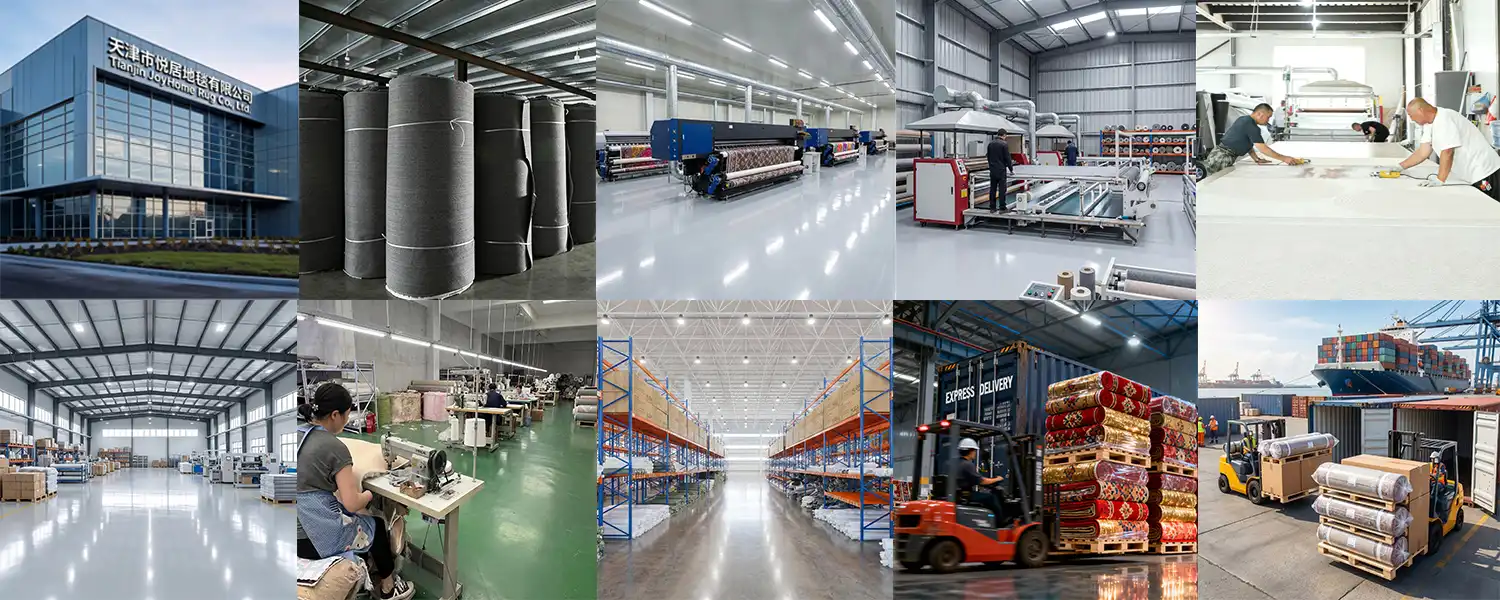
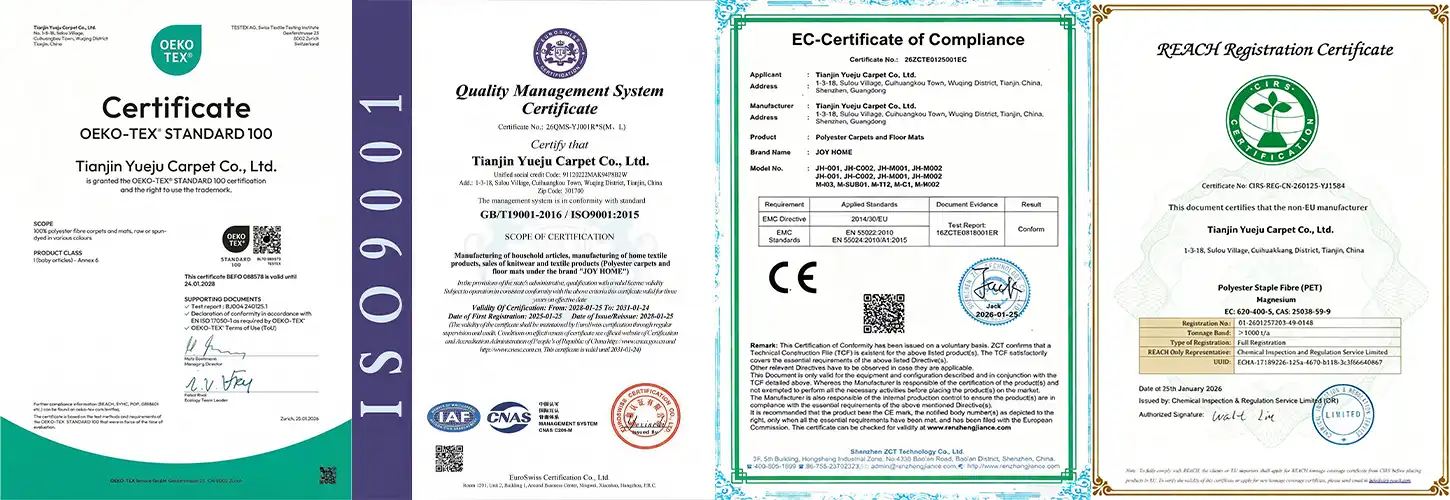
To make great anti-fatigue floor solutions like stylish kitchen mats, JoyHome blends 20 years of experience making things with the newest production technology. Our 20,000-square-meter building has 25 high-tech tools that make 3,000 square meters of goods every day. This makes sure that the standard is always high and that deliveries are always on time. As the best company that makes comfortable kitchen mats, we can make any changes you want, including designing the pattern, choosing the right size, and adding your logo. Before being sent out, we check every single item carefully. Our CE, OEKO-TEX, and ISO 9001 certifications show that we are serious about quality and safety. Email our team at admin@longtengmen.com to talk about the details of your project. You'll get sample mats within 24 to 48 hours, and large orders will be shipped in 7 to 15 days.
References
1. Anderson, M.K., & Thompson, R.L. (2019). Ergonomic Interventions for Standing Workers: A Comprehensive Analysis of Anti-Fatigue Matting in Commercial Environments. Journal of Occupational Health Sciences, 43(2), 156-174.
2. Chen, Y., & Rodriguez, P. (2021). Materials Science in Comfort Engineering: Comparative Study of Polymer Compositions for Anti-Fatigue Applications. International Journal of Applied Materials Research, 18(4), 89-103.
3. Hansen, D.J., Williams, K.M., & Park, S.H. (2020). Biomechanical Assessment of Floor Surface Effects on Lower Extremity Loading During Prolonged Standing. Ergonomics in Design Quarterly, 28(3), 245-262.
4. Morrison, T.A. (2018). Commercial Kitchen Safety Standards: Slip Resistance Testing Protocols and Material Performance Benchmarks. Food Service Safety Review, 35(1), 67-82.
5. Patel, N.K., & Stevenson, L.R. (2022). Economic Analysis of Workplace Ergonomic Interventions: Cost-Benefit Evaluation in Hospitality Settings. Business Health Management, 51(2), 134-149.
6. Zhang, L., Kumar, A., & O'Brien, M. (2020). Polyester Fiber Technology in Functional Floor Coverings: Durability and Performance Characteristics. Textile Engineering Advances, 47(6), 312-328.
Online Message
YOU MAY LIKE
High quality furniture manufacturer