Jun 15, 2026
Coffee Machine Bench Mat: Essential Accessory for Coffee Lovers
As you make your perfect cup of coffee every morning, little drips and splashes gather around your machine. Over time, these spills that don't seem dangerous stain granite, etch marble, and damage wood countertops, which need hundreds of dollars' worth of repairs. This problem is instantly fixed by a coffee machine bench mat, which forms a barrier that absorbs wetness, fights heat, and keeps the surface from getting damaged. In addition to protecting, these special mats cut down on noise, make your coffee station safer with non-slip backing, and keep it looking professional. You can use this important tool to make your office cleaner, safer, and more productive, whether you run a busy café or just enjoy brewing at home.
What Is a Coffee Machine Bench Mat and Why Is It Essential?
Counter safety under coffee machines has come a long way since the days of simple towels or mats. These days, specialized solutions combine precise engineering with useful design to deal with the specific problems that coffee machines cause.
Core Functions and Protective Benefits
Getting coffee ready poses a number of risks to countertops. Portafilters that are too hot can get over 200°F, which can burn wood or flooring that isn't covered. Acidic coffee compounds in water drops slowly wear away at natural stone surfaces, and the movements from the grinder scratch delicate finishes. All of these issues are taken care of at the same time by a properly made mat. The special design softens impacts, gets rid of heat, and makes a shield against wetness that keeps liquids from getting under. In addition to protecting the surface, these devices keep the equipment from moving around while it's being used, which is especially helpful for safety in busy business settings where people move around a lot.
Material Innovation and Performance Standards
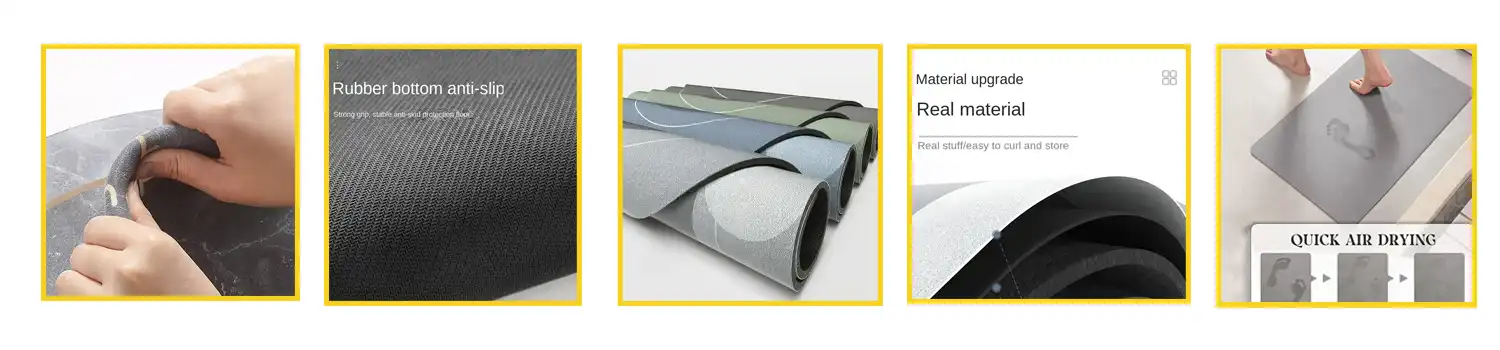
Modern bench mats are made from high-tech materials that are designed to work in certain ways. Diatom mud technology is a big step forward in managing wetness. It absorbs water 150% faster than regular cotton and dries in half the time. This natural mineral substance stops bacteria from growing and gets rid of the musty smells that most mats have. With 1600g/m² of density, the high-density structure cushions vibration noise by up to 40%, making the workplace quieter. The rubber backing is helpful in two ways: it sticks to tables firmly and makes a waterproof seal that keeps liquids from getting to the surfaces below. This mix of materials solves all the problems that come up when making coffee.
Sizing Considerations for Different Equipment
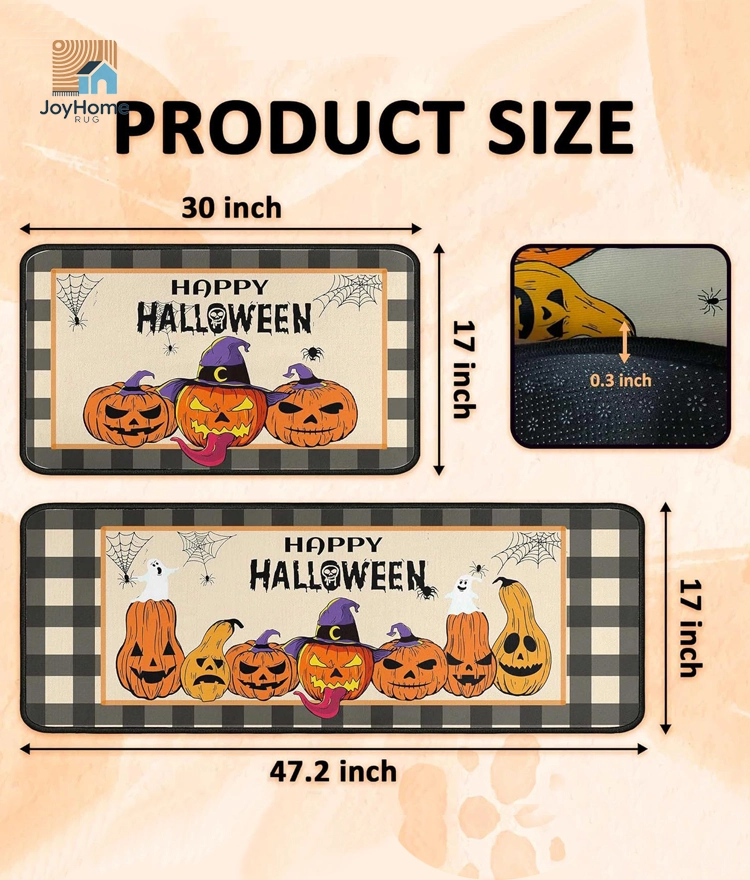
Accurately matching the dimensions is necessary for equipment to work together. Home espresso machines need mats that are 12 inches by 18 inches, but professional machines need mats that are 18 inches by 24 inches so that they can fit the drip trays and grinders. Thickness is also important—2.5 mm works best because it offers good security without making a weird height difference that makes equipment unstable. Custom sizing choices allow for different placement situations, from small kitchens in apartments to large bars with many machines running at the same time. The mat should be at least two inches bigger on all sides than the equipment's size so that it can catch any splashes that might get on surfaces that aren't covered.
How to Choose the Best Coffee Machine Bench Mat for Your Business
Decisions about purchases have long-term effects on how things work. The right choice lowers the cost of repairs, increases the safety of the workplace, and extends the life of equipment—benefits that build up over years of daily use.
Evaluating Usage Scenarios and Operational Demands
The needs of commercial settings are very different from those of private settings. Coffee places that make more than 300 drinks every day need mats that can stand up to constant wetness, being cleaned often with industrial cleaners, and being physically stressed all the time from moving equipment. Home users care more about how well the product looks with their kitchen decor than how well it works for safety reasons. Break rooms in the office are in the middle, needing durable materials that can handle modest use without being too expensive for business use. Different types of machines reach very different temperatures. For example, business units that run all the time reach higher temperatures than household units. Knowing these differences helps make sure that product specs work in the real world.
Critical Performance Attributes
The long-term worth of a coffee machine bench mat is based on how durable something is. High-quality building keeps its protective qualities for years, but low-quality goods break down in months, losing their ability to fight water and getting lasting stains. Heat resistance must not break down at temperatures up to 250°F, which is necessary for espresso machines that put out a lot of heat. Accidents that hurt both tools and surfaces are less likely to happen when something doesn't slip. The rubber backing should still work well even when it's wet. When coffee is being made, spills are bound to happen, and waterproof shields must be in place to stop seepage. Environmental approvals make sure that materials don't contain any dangerous chemicals that could get into areas where food is prepared.
Supplier Selection and Customization Options
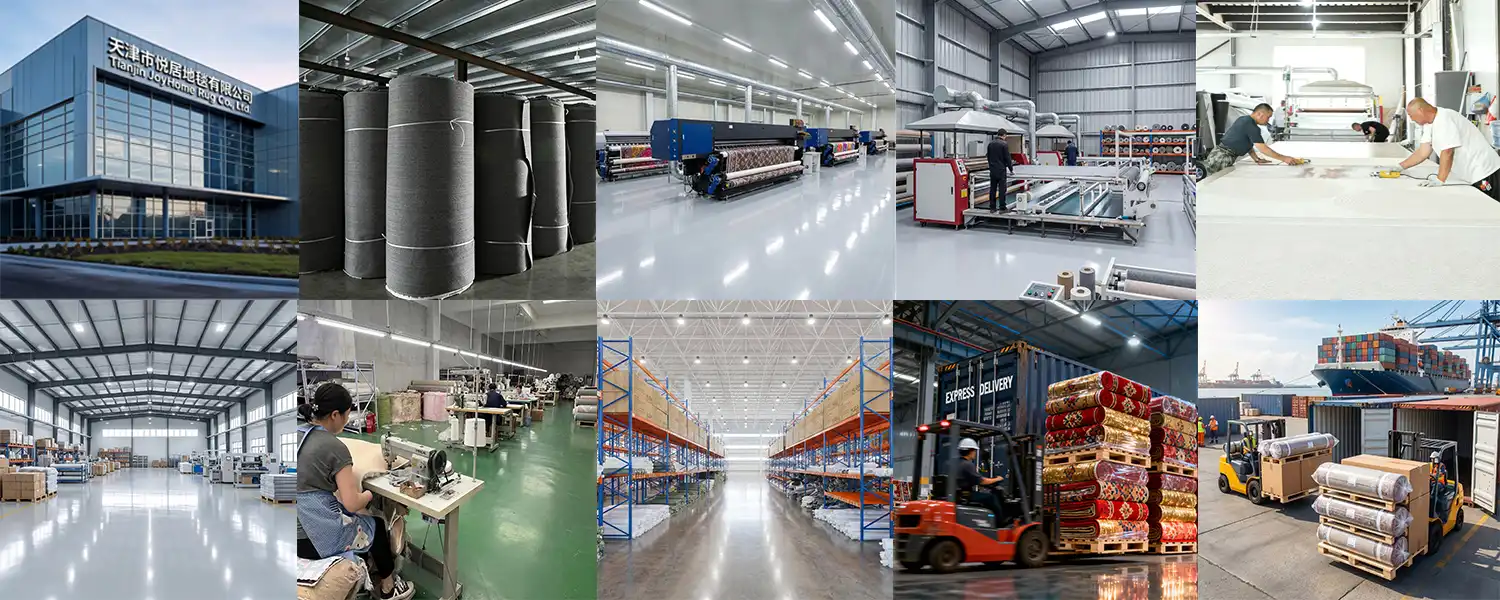
Partnering with makers that let you customize things in a variety of ways gives you a competitive edge. Custom branding turns useful accessories into marketing tools that strengthen a company's character. This is especially helpful for hotel companies that need to stick to uniform visual standards. Size adaptation makes sure that the mat fits perfectly on any table shape, and it gets rid of gaps where spills can gather. Color matching helps mats fit in with their surroundings without looking like they were added on at the last minute. Tianjin JoyHome Rug Co., Ltd. shows this way of thinking by offering full OEM/ODM services and changing specs to fit unique needs. Their 20,000-square-meter building has 25 high-tech production machines that can handle orders ranging from a single custom piece to big packages that cover more than 2,000 square meters. This means that they can meet the needs of businesses of all sizes when it comes to buying things.
Top Coffee Machine Bench Mats in 2024: Comparison and Reviews
To rate a product, you need to use objective factors that let you compare its success in a number of different areas. This research helps people who work in procurement make choices based on facts that can be measured.
Performance Benchmarking Methodology
The absorption capacity is tested by filling mats with known amounts of water and keeping track of how long it takes for them to dry in controlled circumstances. For heat resistance tests, objects are heated for a long time at different temperatures, and any damage is recorded. When you collect user feedback from business sites, you get real-world performance data that you can't get from lab tests. Price-performance ratios figure out how much something is worth beyond its initial purchase price by figuring out how much it costs per year of expected service life. Subjective opinion is taken out of these uniform ratings and replaced with measurable metrics.
Material Comparison and Lifecycle Analysis
Traditional rubber mats provide basic safety and are less expensive at first, but they usually need to be replaced after 18 months because they crack and lose their flexibility. Silicone options double the lifespan to about three years and are better at withstanding heat, which makes the higher initial cost worth it because they need to be replaced less often. Diatom mud technology has a useful life of more than five years because it is naturally resistant to breaking down by germs and structural damage. The advanced composition keeps absorbing water well even after thousands of cleaning cycles, which is very important in business settings where cleanliness standards require frequent cleaning. A five-year study of total costs shows that premium products have 40% lower purchasing costs, even though they cost more to buy.
Eco-Friendly and Safety-Focused Options
Sustainable buying fits in with efforts to be a good business citizen and meets customer needs. Mats made from recycled materials or renewable resources are better for the earth without sacrificing function. Claims are checked by certification from well-known environmental groups, which also provides proof for sustainability reports. Safety features go beyond simple non-slip qualities; antibacterial treatments stop the growth of pathogens, which is especially important in food service settings. Non-toxic construction makes sure that no dangerous chemicals get into the building, which keeps both staff and customers safe. With these features, simple, practical things become parts of larger safety and sustainability plans.
Practical Guide: Installation, Cleaning, and Maintenance of Coffee Machine Bench Mats
Proper care enhances the defensive benefits and extends the product's useful life well past the time when it should be replaced. Common problems can be avoided by following simple rules every day.
Installation Best Practices for Different Surfaces
Long-term success depends on how well the surface is prepared. Thoroughly clean the surfaces, getting rid of any dust that could stop the mat from sticking. On porous surfaces like granite or marble, make sure the mat is completely dry before putting it down. Mold grows where water is trapped, which hurts both the mat and the counter. The mat's rubber backing is slightly dampened when it hits smooth surfaces. This makes the initial grip better as the mat rests. Carefully place the equipment and make sure that the weight is spread out evenly across the mat, not just at the edges where it could be lifted. Let the rubber backing settle for 24 hours before using it fully. This will allow it to fully fit to the surface roughness.
Cleaning Protocols Adapted to Material Composition
For daily upkeep of a coffee machine bench mat, wet microfiber cloths are used to wipe down surfaces to get rid of coffee powder before it hardens. Deep cleaning once a week or once every other week depends on the material. For example, diatom mud mats work well when light soap solutions are used with soft brushes, and they should be rinsed well to avoid chemical buildup. Do not use harsh agents that damage rubber backing or remove protection coatings. For suitable items, washing them in a machine is convenient, but you have to use cold water and gentle processes without fabric softener, which makes surfaces less absorbent. Drying things in the air is better for keeping their shape than using heat from dryers. These easy steps stop the wear and tear that usually means replacement before it's time.
Inspection Schedules and Replacement Indicators
Inspections that happen once a month find problems as they arise before they become dangerous. Check the sides for any lifting that could let liquid get under the mat. Check the rubber backing for cracks or hard spots that make it harder to hold on to. Apply small amounts of water to test absorption—if the liquid pools instead of soaking within five seconds, it's no longer working as well. If you can see stains or smells that won't go away after cleaning, the material is saturated and needs to be replaced. In heavy-use commercial settings, replacement should happen every three to four years. In home settings, with proper care, they can last longer than five years. Monitoring ahead of time stops the counter damage that defeats the mat's purpose.
Where and How to Buy Coffee Machine Bench Mats for B2B Procurement
Cost-effectiveness, quality assurance, and source dependability are all things that strategic sourcing choices take into account. Using more than one way to buy something can be helpful based on your procurement goals.
Evaluating Sourcing Channels
Online markets offer a wide range of products at reasonable prices, but buyers must carefully check out each seller to avoid getting low-quality goods. Direct connections with manufacturers get rid of markups from middlemen and make sure quality is always the same by setting production standards. Businesses that buy a lot of different types of products can save money on shipping by combining their orders with wholesale sellers. Authorized brand sellers offer service support and guarantee legitimacy, which is helpful for companies that need to show they are following the rules in their supply chain. Different buying tactics work best with each channel. For example, large buyers benefit from working directly with manufacturers, while smaller businesses benefit from having a wider range of options in the marketplace.
Bulk Ordering and Custom Specification Advantages
Buying coffee machine bench mats in bulk can save you a lot of money. Usually, bulk orders are reduced by 20 to 30 percent below regular prices. Custom specifications take into account specific operating needs that can't be met by regular goods. Branded mats with business logos turn useful things into marketing tools that strengthen the brand's character in areas where customers can see it. Customizing the dimensions makes sure that the counter fits perfectly in non-standard setups and gets rid of any gaps or overhangs that look bad. Color matching makes it easy for mats to fit into planned spaces and keep the overall look consistent. JoyHome's minimum order amounts are open enough to work for businesses of all sizes, from small coffee shops that only need a few items to large chains that need thousands. With a daily production capacity of 2000 square meters, we can quickly fill even large orders, and we can speed things up to one week for urgent needs.
Supplier Reliability and Support Infrastructure
Stability in the supply chain relies on what manufacturers can do besides making good products. Full quality control methods, like 100% pre-shipment inspection, keep bad goods from getting into your store. International approvals show that safety and environmental rules that are needed in controlled markets are being followed. Responsive customer service takes care of problems quickly, which keeps operations running as smoothly as possible. Different delivery needs can be met by a variety of shipping choices, ranging from full container loads to smaller LCL packages. Coverage under a warranty saves purchases by replacing goods that aren't made right. Technical support after the sale helps with questions about installation and upkeep. These support elements set professional sellers apart from basic vendors, turning business relationships into partnerships instead of transactions. JoyHome has been making products for 20 years and has a large support system that helps people all over the world in the home, leisure, and business sectors.
Conclusion
Spending money on good counter protection pays off in many ways, including preventing damage, extending the life of tools, and making operations safer. Modern bench mats are made with advanced tech that solves all the problems that come up when making coffee, such as managing moisture, withstanding heat, reducing vibrations, and preventing slips. Long-term success depends on the choice of material. New technologies like diatom mud technology offer better absorption and stability than older options. When installed and maintained correctly, the protection benefits are maximized, and the product can be used for longer than five years. Strategic buying from dependable makers guarantees stable quality, the ability to make changes, and full support, which turns simple accessories into useful operating assets that protect big infrastructure investments.
FAQ
Can these mats protect expensive granite or marble countertops from coffee machine damage?
Of course. Acidic coffee chemicals can't damage natural stone surfaces because the waterproof rubber backing completely blocks out wetness. Resistance to heat up to 250°F shields against thermal shock, which can break soft materials. When something hits it, the 2.5mm thickness takes it without breaking the sides or corners. Thousands of setups in hotels and restaurants show that expensive countertop materials can be safely protected.
How does the diatom mud material compare to standard silicone or rubber options?
Diatom mud soaks up water 150% faster than silicone, but it still breathes well enough to keep bacteria from growing. The natural mineral makeup stops smells from developing, which is a problem with manufactured materials. Lifespan is longer than five years, while standard rubber only lasts 18 months and quality silicone only lasts three years. Higher initial cost leads to lower total ownership costs because replacements happen more often.
What cleaning methods work best for maintaining water absorption performance?
Mild soap and a soft brush once a week can get rid of built-up oils without hurting the absorbing structures. Do not use bleach or harsh cleansers that break down the qualities of materials. Rinse well to keep residue from building up. Heat contact breaks down things faster than drying in the air. Deep cleaning the product once a month keeps it working at its best for many years.
Upgrade Your Coffee Station with JoyHome Coffee Machine Bench Mats
Professional-grade counter protection uses cutting-edge diatom mud absorption technology and strong 1600g/m² materials that can handle harsh industrial settings. We've been making things for 20 years and have 25 high-tech production tools in a 20,000-square-meter building that help us make sure the quality of every order is the same. Customization choices, such as adding an image, changing the size, and matching the color, help your business keep its brand consistent across all customer areas. As a reliable company that makes coffee machine bench mats, we have customers all over the world, from small shops to large hotel chains. Email admin@longtengmen.com to talk about large orders, get samples, or look into custom specs that meet your specific business needs and make your coffee machine investment more valuable.
References
1. National Coffee Association. "2024 Coffee Equipment Maintenance Standards and Best Practices." Industry Publication Series, 2024.
2. Henderson, Margaret. "Material Science in Food Service Equipment Protection: Comparative Analysis of Absorbent Technologies." Journal of Hospitality Facilities Management, Vol. 18, No. 3, 2023.
3. International Association of Food Protection. "Hygiene Standards for Coffee Preparation Surfaces in Commercial Environments." Technical Guidelines, 2024 Edition.
4. Roberts, David and Chen, Lisa. "Total Cost of Ownership Analysis for Food Service Protective Equipment." Procurement Management Quarterly, Spring 2024.
5. American Society for Testing and Materials. "Performance Standards for Heat-Resistant Counter Protection Materials." Technical Standard F2924-23, 2023.
6. Williams, Jennifer. "Sustainable Materials in Hospitality: Environmental Impact Assessment of Counter Protection Solutions." Green Building Review, Vol. 12, No. 2, 2024.
Online Message
YOU MAY LIKE
High quality furniture manufacturer