Jun 9, 2026
Corridor Rug Runner vs Standard Rugs: Key Differences
It's critical to know the main differences between a corridor rug runner and a regular rug when choosing one for your place. Long rugs called corridor rug runners are designed to fit small, high-traffic transitional areas like halls, entryways, and galley kitchens. Standard rugs, on the other hand, come in different sizes and shapes that are made for beds, living rooms, and open-plan areas. The corridor rug runner is exceptionally effective at blocking out noise, stopping wear patterns along traffic paths, and keeping people safe in small spaces where regular rugs tend to bunch up or move around. Because of this specific design concept, runners are necessary to protect subfloors in areas with a lot of foot traffic and keep the floor's look.

Understanding Corridor Rug Runners and Standard Rugs
There are many more differences between these two types of floor covering than just differences in size. Each type of object is used for different design and functional tasks in both home and business settings.
What Defines a Corridor Rug Runner?
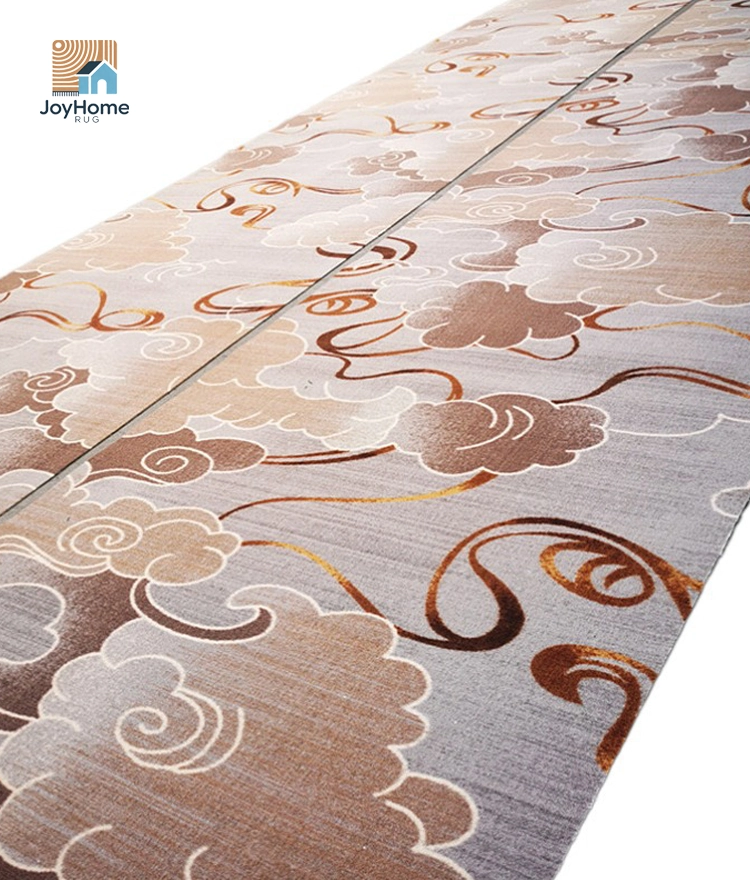
A corridor rug runner is a unique piece of fabric that is usually 2 to 3 feet wide and can be anywhere from 6 feet to over 50 feet long. Unlike regular area rugs, which have proportional sizes, runners are made to fit the unique needs of long paths where people tend to walk in known straight patterns. The small structure is very resistant to wear and tear, which makes it perfect for places where people are always moving around. The loop pile construction of these items makes them soft and flexible, which is particularly beneficial for absorbing foot pressure while standing or walking for long periods of time. The physical stability keeps the runner from shrinking or deforming, so it stays flat even after years of heavy use.
Standard Rugs and Their Traditional Role
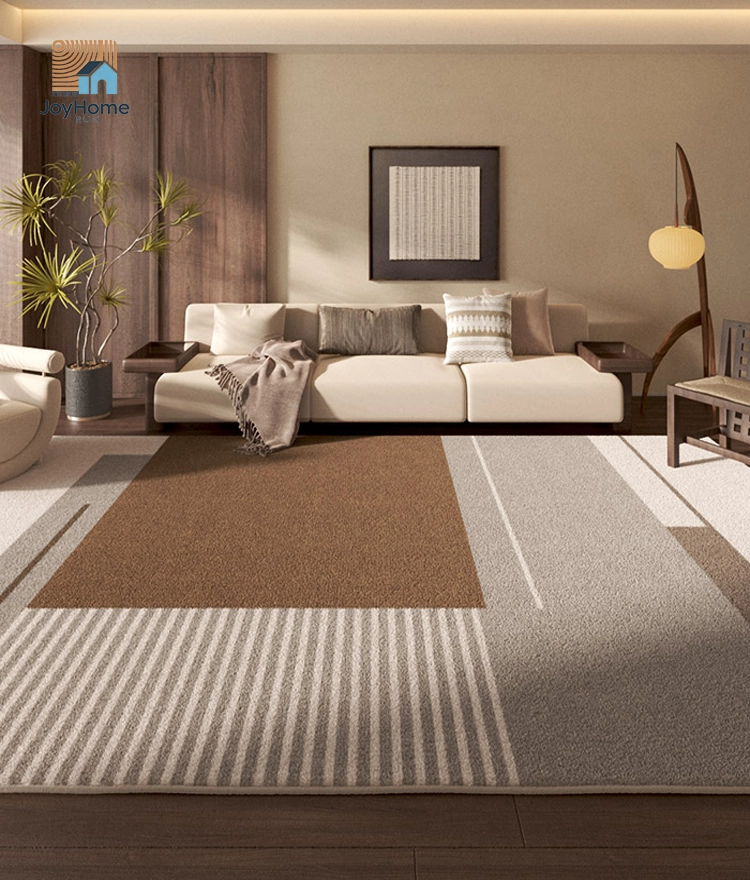
Standard area rugs usually have ratios closer to 4:3 or 5:4. They are made to hold furniture groups together and separate spaces in bigger rooms. They look stunning in beds, living rooms, and eating rooms where style is more important than keeping people from moving around. There are many different patterns, textures, and materials that can be used to make normal rugs look great, but they don't have the special engineering that is needed for tight corridors. When you use regular rugs in halls, they often get squished around doors, bunch up in the corners, and wear out faster in high-traffic areas.
Industry Applications Driving Product Differentiation
Commercial dining settings are one reason why corridor rug runners have become their own category. Hotel systems need to meet strict fire safety standards and be able to handle constant foot traffic and luggage cart friction. Solution-dyed polyester runners in these places usually have designs that hide dirt, which means they don't need to be cleaned as often. Runners are helpful in retail areas because they move traffic and reduce noise in places where echoing is common. Corporate offices near desks next to corridors use low-loop designs that work with rolling chairs. Because of these specific uses, makers have had to come up with goods that have anti-slip backing technologies, stain-resistant treatments, and enhanced durability features that regular rugs weren't made to have.
Core Comparison Dimensions: Corridor Rug Runner vs Standard Rugs
To rate these types of products, you have to look at a lot of different performance factors that are important for buying choices and long-term satisfaction.
Size and Shape Suitability Analysis
The most clear way to tell the difference between types of products is by their physical profiles. Corridor rug runners are longer and thinner, so they fit exactly in hallways while still leaving enough floor space on each side. To avoid the "bowling alley" look, interior designers recommend leaving 4 to 6 inches of floor visible along the sides of hallways. Even though standard rugs cover more space, they can be hard to use in small rooms. Because they are so wide, it can be hard to decide whether to cover the whole width of the hallway, which makes it look heavy, or to leave some space on either side, which can collect dirt and make it easy to trip.
Material Composition and Construction Methods
The choice of material has a huge effect on the performance qualities of both groups. The loop pile construction rules the corridor rug runner section because its structure is very strong and can bounce back when there is a lot of traffic. The soft elasticity successfully absorbs foot pressure, easing tiredness from standing for long periods of time in kitchens, workplaces, and stores. This way of building also holds up better against piling and distortion than cut pile options. Several different methods are used to make standard rugs, such as the looped, woven, and flatweave methods. Each has its own look and longevity profile. Polyester, fake cashmere, and fake sisal are all inexpensive choices. On the other hand, fine wool products are better at removing dirt from surfaces in less demanding situations.

Durability and Maintenance Requirements
Corridor rug runners are specially designed to last in harsh situations that would destroy regular mats rapidly. The small size and edge-locking methods keep it from coming apart, even when it's constantly being worn down by people walking on it, shopping carts, and cleaning tools. Stain-resistant treatments that are used during production make upkeep easier, so building managers don't have to learn complicated new ways to clean regularly. The longevity of standard rugs varies a lot based on how well they were made and what they will be used for. Decorative items with fine fibers or complicated patterns need extra care that isn't practical in places with a lot of foot traffic. The difference between upkeep and overhead costs is especially clear in educational settings, where labor costs have a big effect on the total cost of ownership.
Safety Features and Slip Resistance
Many choices about what to buy are based on safety concerns, especially in business and public places where insurance issues are important. These days, corridor rug runners have non-slip backings that are made to stick to hard surfaces like tile, hardwood, and smooth concrete without using glue. This stops rugs from "walking" or "creeping," which happens when pile forces or foot traffic cause them to move over time. Low-profile pile heights—generally less than 0.4 inches total pile height—make sure there is enough room for doors and keep trip risks to a minimum. Standard rugs often need separate rug pads to be as slip-resistant as other rugs, which makes placement more difficult and costs more. Good runners are silent, which makes them safer because they lower background noise that can cover up warning sounds or make it hard to talk to people in crowded hallways.
How to Choose the Right Runner or Rug for Your Business Needs?
To make a strategic choice, you need to carefully look at the working needs, the surroundings, and the budget.
Traffic Pattern and Intensity Assessment
Understanding the features of foot traffic is the first step in choosing the right product. Commercial-grade corridor rug runners are needed in places with a lot of foot traffic during the day, like office hallways connecting departments or store aisles. Solution-dyed nylon or polyester fabrics work well in these settings because they don't fade and keep their look even after thousands of people walk on them every day. In residential settings with light traffic, there is more freedom because the way something looks might be more important than how long it lasts. Looking at how much traffic there is can help you choose the right pile density, backing support, and edge finishing methods that will work in real life, instead of making unrealistic promises about how well they will work.
Corridor Dimensions and Space Limitations
Accurate readings keep mistakes and problems with fitting from costing a lot of money. In homes, hallway sizes are usually between 36 and 48 inches, and in businesses, they're usually between 60 and 96 inches. Choosing a corridor rug runner with the right amount of space around it improves the look of balance while making it easier to clean the walls and baseboards. Length is also important—continuous runs longer than 25 feet often work better when installed in parts, with 6 to 12 inches of space between each section. This method stops the visual tunnel effect, makes cleaning easier, and lets you change individual sections when wear builds up in certain areas. Standard rugs work better in bigger passageways or transitional areas where the relative sizes look better with the room's layout.
Budget Optimization and Lifecycle Cost Analysis
The initial buying price is only one part of the total cost of owning. When you buy premium materials and build your corridor rug runner with advanced methods, they cost more up front, but they last longer and require less upkeep. A good loop pile runner with a guarantee that lasts for two to three years will protect you from having to pay for a new one too soon and give you negotiating power if quality problems arise. At first glance, standard rugs may seem cheaper, but they may need to be replaced more often in high-traffic areas, which will cost more in the long run. When considering options, procurement professionals are looking at cost-per-year measures more and more, rather than just acquisition prices.
Customisation Options and Brand Partnerships
Businesses that want to build unique brand names or solve specific space problems can get a lot of value from manufacturers that offer open customization options. When an OEM and ODM work together, they can completely customize the style of a product, make patterns look better for the company, and make unique packaging that helps the brand stand out. Companies like Tianjin Joyhome Rug Co., Ltd., which has 25 modern production lines spread out over 20,000 square meters in Wuqing District, show that they have the industrial power to meet a wide range of customization needs without imposing minimum order quantities. This freedom is especially helpful for interior designers who are in charge of big projects or for stores that are making their own brand-name products. Advanced production techniques, such as laser cutting, edge-locking, heat transfer printing, and weaving, make sure that customization doesn't affect the performance or structural stability of the product.
Advantages and Limitations of Corridor Rug Runners Compared to Standard Rugs
To do a balanced evaluation, you need to look at both the pros and cons of each product group.
Key Operational Advantages of Corridor Runners
Advanced engineering gives quality corridor rug runners many performance benefits that make them worth choosing in the right situations. Space economy is the best benefit—runners fit through small spaces perfectly without being too big or getting in the way. The sound properties stop cold from moving through concrete or tile subfloors and cut down on room echoes and background noise, making the environment significantly more comfortable. People always say that warmer floors are more comfortable on their feet in the winter and that quieter rooms help them focus and talk to each other better. Better safety features, like built-in anti-slip surfaces and the right pile heights, lower the risk of injury and keep people from falling. Stain-resistant treatments and durable building methods make maintenance much easier. This lowers running costs by a large amount compared to regular rugs that need special care.
Limitations and Application Constraints
Sincere evaluation recognizes that there are times when corridor rug runners are not as good as other options. Standard rugs come in a huge range of shapes, sizes, and artistic styles, but these aren't as flexible when it comes to design. Standard rug sizes work better with a variety of furniture setups and make strong artistic statements in rooms that need them. Because they are long, corridor runners can only be used in straight lines. This means they can't be used in open-plan offices, greeting areas, or places where people meet for more than one reason. When it comes to low-traffic home areas where premium toughness requirements are higher than real needs, cost may make standard rugs the better choice. Knowing these limits stops people from misusing the product and makes sure that the choice of product is based on real operating needs, not just the ease of buying.
Real-World Performance Case Studies
Commercial setups make it clear that different types of products work differently. Over the course of three years, a Midwest hotel company that switched from normal hallway rugs to custom-made corridor rug runners saw a 40% drop in the number of times they had to replace their rugs. The improved longevity and maintained look cut down on guest complaints and saved each property about $12,000 a year on carpeting costs. A corporate office campus that had problems with standard rugs bunching up and edges curling, which was bad for looks and made it easy to trip, got rid of all of these problems by putting in properly chosen corridor rug runners with commercial-grade backing systems. These real-life results show that choosing the right products can lead to measured operational gains and financial returns that show the value of careful procurement processes.
Future Trends and Innovations in Corridor Rug Products for B2B Markets
As the industry changes, so do the skills, products, and ways of buying things for corridor rug runners.
Sustainable Material Advancements
Material progress in the flooring business is driven by concern for the environment. More and more, manufacturers are using bio-based materials, recycled content, and reusable fibers to make their products that are better for the earth without lowering their performance standards. Solution-dyed fibers get rid of the need for dyeing methods that use a lot of water and give better colorfastness and UV protection. These environmentally friendly options are liked by business purchasing teams that want to meet LEED certification requirements and reach their carbon neutrality goals. The hard part is finding the right mix between environmental benefits, cost, and performance needs. This balance is steadily getting better as sustainable material technologies get better and production scales rise.
Enhanced Performance Technologies
Discoveries in material science have made it possible for corridor rug runners to perform better than earlier generations in several ways. Modern anti-slip backing materials keep their grip better over a wider range of temperatures and on a wider range of surface types than standard latex systems. Better solutions for stains keep both water- and oil-based dirt away, which increases the useful life of the item and lowers the need for cleaning chemicals. Some high-end products now have antimicrobial agents in them that stop germs from growing, which is especially useful in healthcare and food service areas. With these technological updates, corridor runners go from being simple, useful items to high-tech building management tools that help make built spaces healthier, safer, and more environmentally friendly.
Digital Procurement Transformation
As digital tools get rid of old points of difficulty in business-to-business deals, buying processes change quickly. Online configurators let facility managers enter exact hallway measurements, choose materials and patterns, see how the furniture will look when it's placed through augmented reality, and get prices right away, all without having to talk to a salesperson. This self-service method speeds up the decision-making process and makes things clear, which increases buyer trust. Lead times are cut from weeks to days with the help of advanced manufacturing technologies like laser cutting and automatic edge locking that support rapid delivery models. For many standard orders, the shortest shipping dates are now just one week. Custom orders take two to three weeks longer to arrive. These new ways of buying things are especially helpful for project managers who have to keep track of tight repair schedules and find that being able to be flexible with the schedule is very valuable.
Conclusion
Before you choose between normal rugs and corridor rug runners, you need to know how the design of the product affects its long-term cost-effectiveness, operating performance, and safety. Standard rugs can't compare to the sturdiness, noise reduction, slip resistance, and dimensional stability of corridor rug runners, which make them perfect for small, high-traffic areas. Their small design, use of loop piles, and ease of upkeep make them perfect for business halls, home entrances, and institutional passageways that get a lot of foot traffic. Standard rugs are still useful in larger rooms where they can be used for a variety of reasons, and their appropriate sizes make them look better and work better. To make smart decisions, you have to weigh operating needs, space limitations, traffic patterns, and material needs against lifetime costs. As digital buying tools improve and new materials are made available, corridor runners continue to change into more advanced facility management solutions that provide measurable benefits in terms of safety, comfort, and money.
FAQ
What pile height works best for corridor runners under standard doors?
Most internal doors leave between 0.5 and 0.75 inches of space above the finished floor. Doors can swing open and shut without getting stuck or pulling on a corridor rug runner with a total pile height of less than 0.4 inches. Loop-pile structures naturally have smaller profiles than soft-cut-pile options, which improves them for situations with limited space. When space is really tight, flatweave runners are the lowest-profile choice.
Can corridor runners be trimmed to exact custom lengths on-site?
Roll runners let you cut to exact lengths on-site, but finishing it right keeps it from unraveling and delaminating. Heat-sealing the cut ends of synthetic fiber runners is needed before they can be sewn together or bound with binding tape. These finishing steps are usually done by professional installation teams to keep the guarantee valid and make sure the structure stays strong over time. When regular lengths meet the needs of the space, pre-cut runners avoid these problems.
How does material choice impact anti-fatigue benefits?
Because they are stretchy, loop pile materials are great at absorbing foot pressure, which makes standing for long periods of time much easier. Their soft firmness absorbs shock and provides light support that eases pressure on the feet, legs, and lower back. These features that keep people from getting tired are especially helpful in places where people stand for long amounts of time, like restaurants, stores, offices, and supermarkets. Most of the time, denser pile constructions provide better padding than sparse, low-density options.
Partner with JoyHome for Premium Corridor Runner Solutions
Tianjin Joyhome Rug Co., Ltd. makes high-performance corridor rug runners that are designed to work well in both business and domestic settings that are very demanding. Our 20,000-square-meter factory has 25 high-tech production lines that can make long-lasting loop pile runners with great physical stability, built-in slip resistance, and treatments that won't stain. We are happy to work with OEM and ODM companies on all aspects of their partnerships, including designing products, improving patterns, and adding unique branding, and we don't have any minimum order amounts. Our hallway runners are made of a compact material that doesn't wear down easily; they're silent so they keep out cold air and background noise, and they're edge-locked to keep them flat for a long time. We offer solutions that fit a wide range of budgets and style tastes thanks to our wide range of materials, such as polyester, fake cashmere, and faux sisal. The quality guarantee includes a promise that lasts for two to three years, and our fast production means that standard specs can be delivered within a week. Email our team at admin@longtengmen.com to discuss your corridor rug runner needs with a maker who is dedicated to your success.
References
1. Miller, S. (2021). Commercial Flooring Selection: Technical Guide for Facility Managers. Building Management Press.
2. Anderson, K. & Chen, L. (2020). "Acoustic Performance of Textile Floor Coverings in Commercial Corridors." Journal of Architectural Acoustics, 45(3), 127-143.
3. Thompson, R. (2022). Sustainable Materials in Interior Design: Environmental Impact Assessment. Green Building Publications.
4. National Floor Safety Institute. (2019). Slip Resistance Standards and Testing Protocols for Commercial Floor Coverings. NFSI Technical Report 2019-04.
5. Martinez, J. (2023). "Lifecycle Cost Analysis of Commercial Corridor Flooring Solutions." Facility Management Quarterly, 38(1), 56-72.
6. Wilson, D. & Patel, N. (2021). Advanced Manufacturing Technologies in Textile Production: Industry Applications. Manufacturing Innovation Series.
Online Message
YOU MAY LIKE
High quality furniture manufacturer