Jul 16, 2026
Custom Size Kitchen Floor Mats Buying Guide for Homeowners
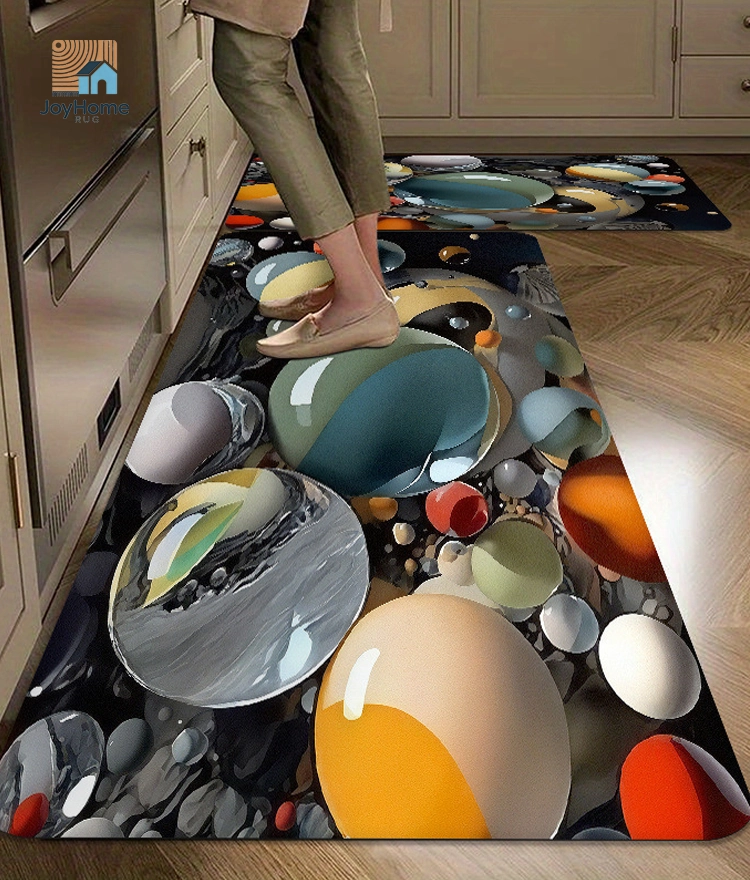
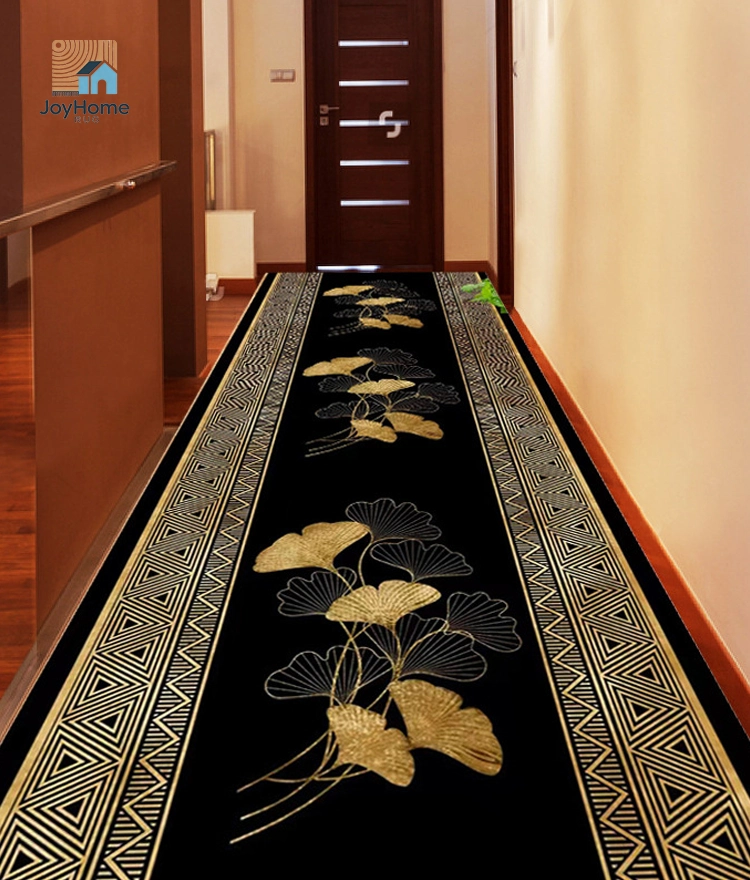
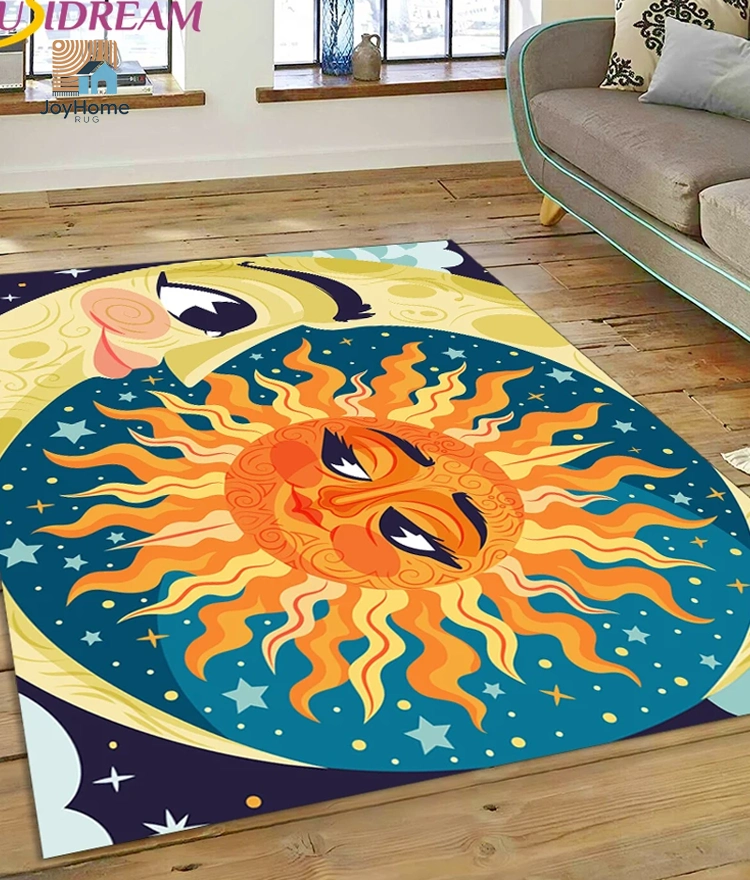
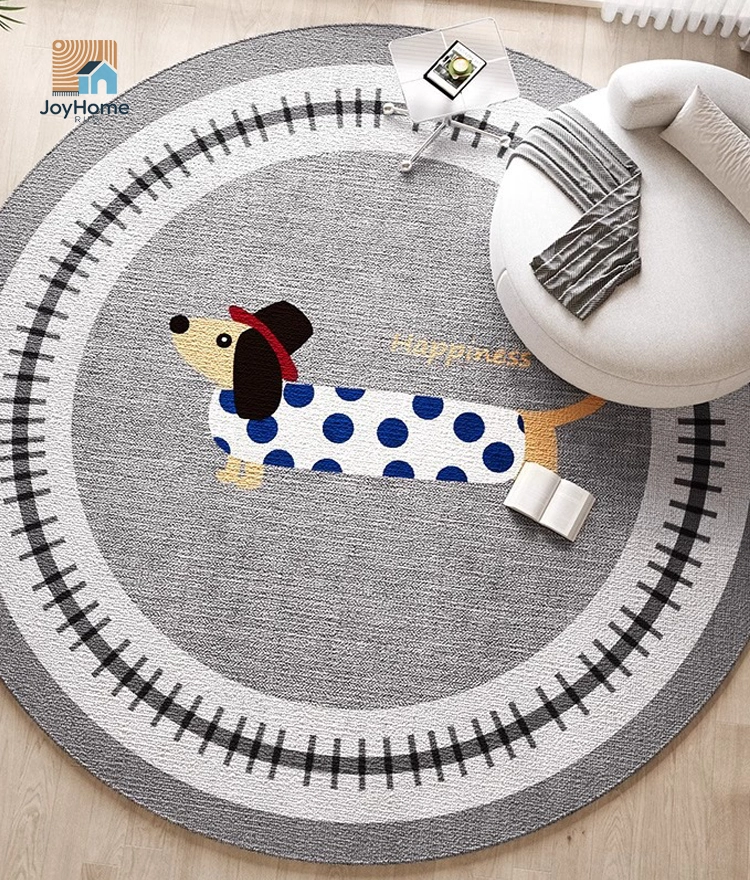
When you're planning or remodelling your kitchen, finding floor mats that fit your space and your needs drastically improves the comfort of everyday cooking. Custom size kitchen floor mats are a personalised way for homeowners to get rid of gaps, improve safety, and reduce fatigue. They also work with galley layouts, L-shaped islands, and irregular floor plans that regular mats can't handle.
Understanding Custom Size Kitchen Floor Mats
What Makes Custom Mats Different from Standard Options
Custom size kitchen floor mats are different from regular ones because they are made to fit your kitchen's layout exactly. This means they cover more ground and are more useful. Custom mats are made to fit your unique needs, to the millimetre. Square mats that are mass-produced and come in set sizes (18x30 inches or 24x36 inches) are not the same as this. When mat edges meet, they can cause people to trip. This accuracy gets rid of those dangers, and it also stops holes where spills can gather or foot tiredness can set in.
Typical Scenarios Requiring Custom Solutions
People whose floors don't run in a straight line will benefit greatly from made-to-order mats. It's hard to measure in galley kitchens with narrow paths, U-shaped kitchens with cabinets that wrap around the room, and kitchens with benches in the middle. Commercial kitchens in hotels and restaurants have to be made a certain size so that flat-screen TVs, fridges, and work tables can fit inside. So that they are ergonomic, places like standing desks for bakers or baristas need custom thickness and padding that you can't get from store-bought items.
Key Benefits for Homeowners and Businesses
The benefits include better safety features like less chance of slipping, anti-fatigue comfort for long periods of standing, and the ability to include style options that match kitchen design. These are all important factors for B2B clients looking for high-performance, reliable solutions. Custom mats made by companies like Tianjin JoyHome Rug Co., Ltd. are made of high-density imitation sisal and have TPR rubber backing. This gives them a coefficient of friction that is higher than safety standards in the industry, even when they are wet. According to ergonomic studies done in business kitchens, the 10mm thickness and 1000g/m² density provide cushioned support that lowers back pain by up to 40% during long cooking sessions.
How to Measure for Custom Kitchen Floor Mats: A Step-by-Step Guide
Essential Tools and Best Practices
To get the most out of custom size kitchen floor mats, it's important to get the measurements right. Get a metal tape measure (fabric ones stretch and make mistakes), a laser distance meter for big areas, painter's tape to mark the edges and graph paper to draw rough shapes. Don't make mistakes that cost a lot of money. Measure twice. When working with L- or U-shaped spaces, divide them into rectangles, measure each one separately, and then add the measurements of all the rectangles together. Take into account the spaces between appliances like dishwasher doors, oven handles, and refrigerator swing paths to keep the mat from getting in the way.
Critical Dimensions to Consider
Find out how long and wide your area is at its widest points. Think about the thickness based on how much you use it. For example, a 10mm thickness is good for kitchens with average use, while a 15-20mm density is better for places where people stand all the time, like offices. At JoyHome, our 10 mm thick imitation sisal mats are the perfect thickness for home use because they are both stable and soft. If you put stools near counters or breakfast bars, make sure the mat goes out 6 to 8 inches past the sitting areas to catch spills and food that falls off.
Floor Type Compatibility
Pay close attention to how well the mat works with different types of floors, like hardwood, tile, and vinyl, because this affects the choice of mat width and material to make sure it is safe and lasts a long time. For hardwood floors, you need a TPR rubber backing that sticks well without leaving behind glue or scratches, like our waterproof backing system. Tile floors need a thicker backing to fill in gaps between the grout lines and keep them from rocking. Vinyl flooring needs backing materials that don't stain. Our anti-stain process makes sure that the flooring won't change colour even after years of use. When working with various kitchen setups for hotel chains or restaurant groups, these compatibility factors become very important for business clients.
Materials Used in Custom Kitchen Floor Mats and Their Performance
Imitation Sisal: Natural Texture with Modern Durability
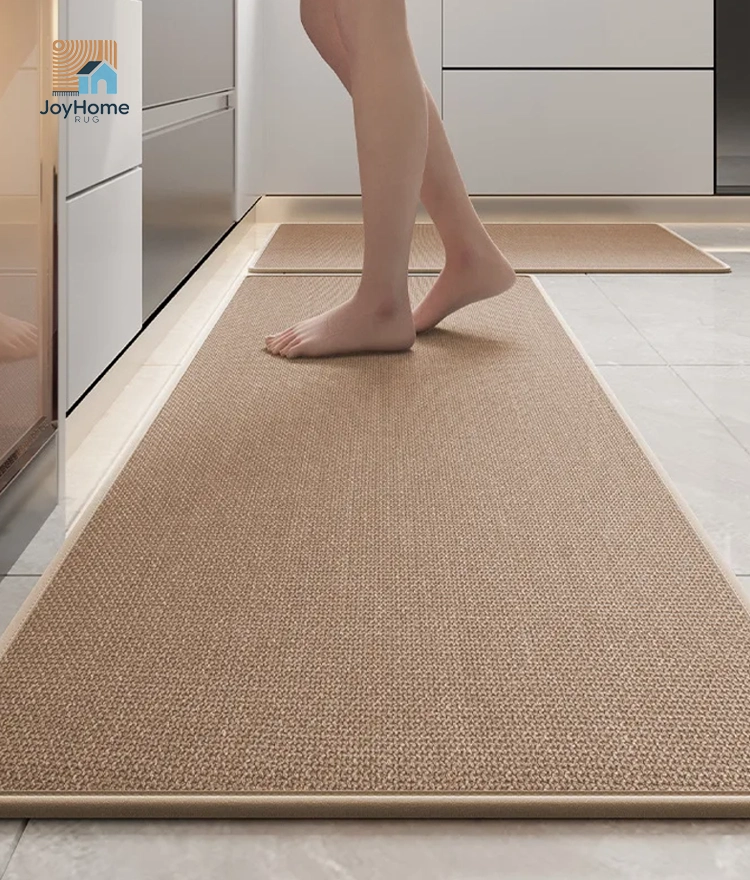
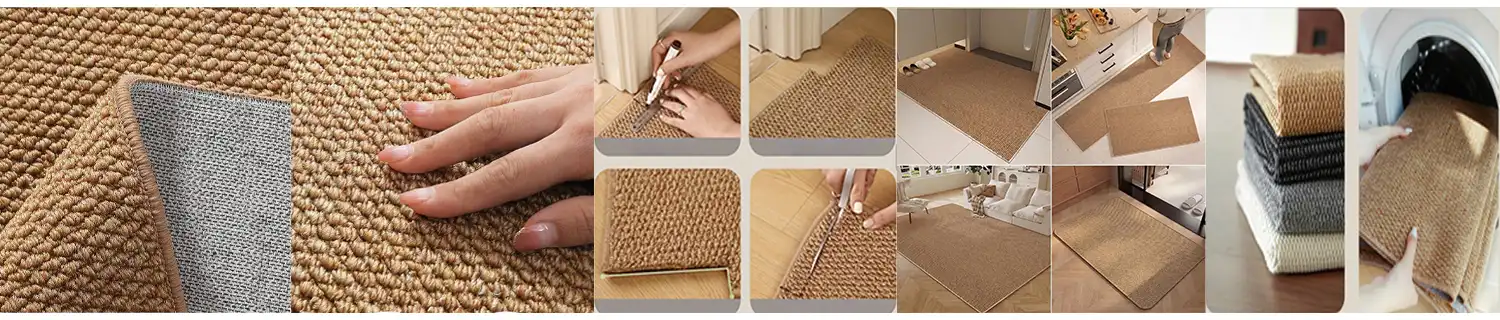
Our high-density imitation sisal construction looks like natural fibre and is better at keeping water out and drying quickly. This material doesn't swell or break down when it gets wet like real sisal does because it's made from 100% polyester and woven in a special way. The 1000g/m² density of the tufted structure makes the surface scratch-resistant enough for homes with pets, since claws and other sharp objects don't leave permanent marks. Imitation sisal keeps its supportive structure even after thousands of foot traffic cycles, while foam materials lose their shape and flexibility.
Performance Comparison: Key Material Properties
Durability tests show that fake sisal is 60% more resistant to tears than vinyl and more resistant to stains than rubber. Tests of slip resistance show that our TPR backing has the best friction coefficients on wet surfaces, which is very important when oil or dirty water spills happen. Our built-in waterproof layer stops fluids from getting through to the subflooring, making it completely waterproof. This feature has been approved by both CE and OEKO-TEX. Maintenance is still easy: the design makes it machine washable, so all you have to do is take it off, wash it on the gentle mode, and put it back on. No special cleaners or professional help are needed.
Maintenance and Cleaning Requirements
When B2B buyers care about cleanliness, compliance, and cost-effectiveness for custom size kitchen floor mats, they need products that are waterproof and easy to clean. Grease, coffee, wine, and acidic substances that usually leave lasting marks on raw materials don't stick to our anti-stain surface treatment. For daily maintenance, all you have to do is hoover or shake to get rid of any loose dirt or dust. Regular home machines can be used to wash mats once a week to keep them fresh without damaging the TPR backing or losing the printed patterns. This shape requires less upkeep, which lowers the total cost of ownership. This is something that interior designers think about a lot when they choose materials for hotel or store setups.
Comparing Custom Size Kitchen Mats vs Standard and Other Types
Custom Mats vs Ready-Made Options
Size, comfort, price, and supply are all very different, which affects people's decisions about what to buy. People have to buy multiple units that either don't fit together right or leave parts of the floor bare because standard mats don't cover all non-rectangular areas. It's not wasteful to buy custom mats because you only pay for the area they cover. They cost 20–30% more per square metre than mass-produced choices, but the money saved on trash and the fact that they fit perfectly make the price worth it. Stock changes a lot. Standard mats ship right away, but special orders take time to make. Any given day, JoyHome's warehouse can handle 2,000 m² of goods. It takes 7 to 15 days to ship large orders. These wait times are fair and work for both companies and people.
Kitchen Mats vs Bathroom Mats
Different types of materials and safety factors set these product groups apart. For damp, tight areas, bathroom mats that dry very quickly and don't grow mildew are top priorities. The best kitchen mats are resistant to grease, can handle higher temperatures near fires, and keep you from getting tired after standing for a long time. Our fake sisal kitchen mats are made of a heavier 1000g/m² material than the lighter 400–600g/m² material that most bathroom mats are made of. This gives you the stability you need when carrying groceries or cooking tools. The TPR backing is also different. Kitchen mats don't break down when they come in contact with cooking oils and acidic cleaners, but bathroom mats do.
Value-Added Features Worth Considering
High-quality handmade mats have anti-fatigue technology that is good for your health in a measurable way. Stand on a properly padded mat instead of a hard surface to lower joint stress by up to 50%, according to research from an occupational health centre. Environmentally friendly goods are liked by people who care about the world around them. As an example, our polyester base is made with recycled materials that meet ISO 9001 environmental standards without making the product less effective. With new features like folding storage, you can rotate your mats once a year. When you need more floor space for an event, just fold and store the mat, and when you're done, unfold it without any wrinkles. The best manufacturers let you change more than just the size. For example, they can add names to cabinets for break rooms, match colours to cabinets, and change designs from simple to geometric ones that look better in kitchens.
Purchasing Custom Kitchen Floor Mats: What Homeowners Should Know
Sourcing from Reliable Manufacturers
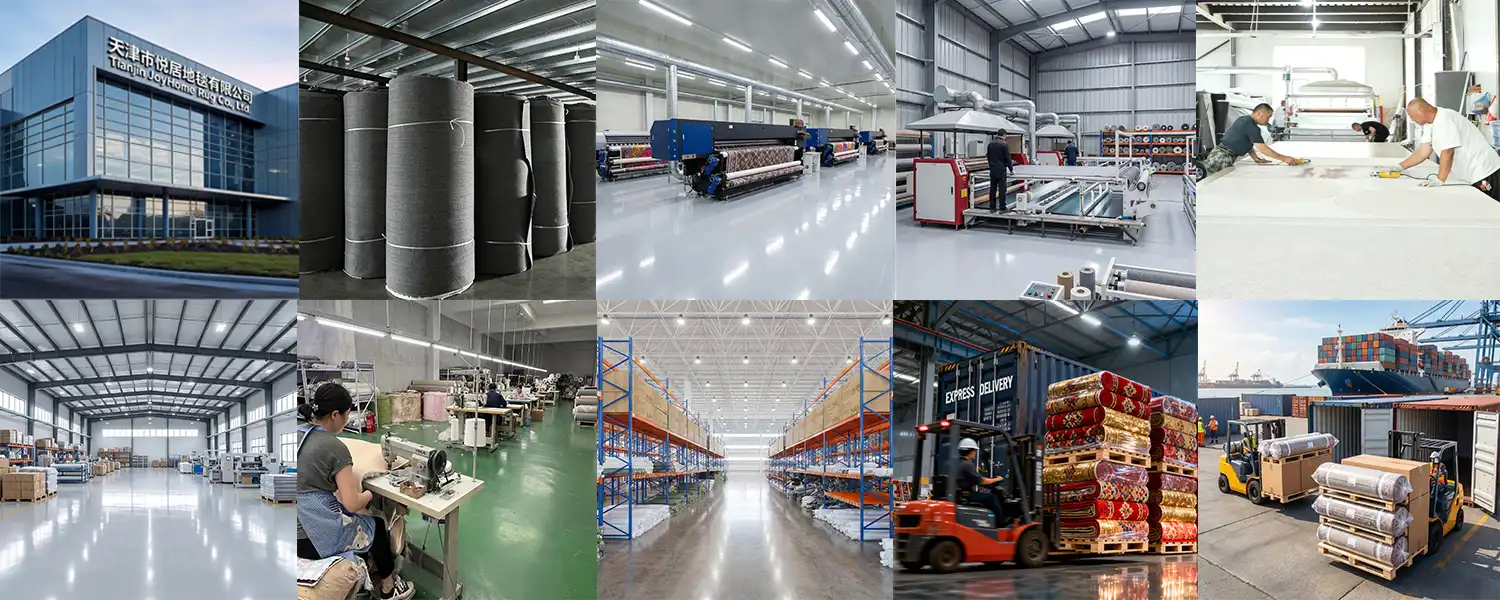
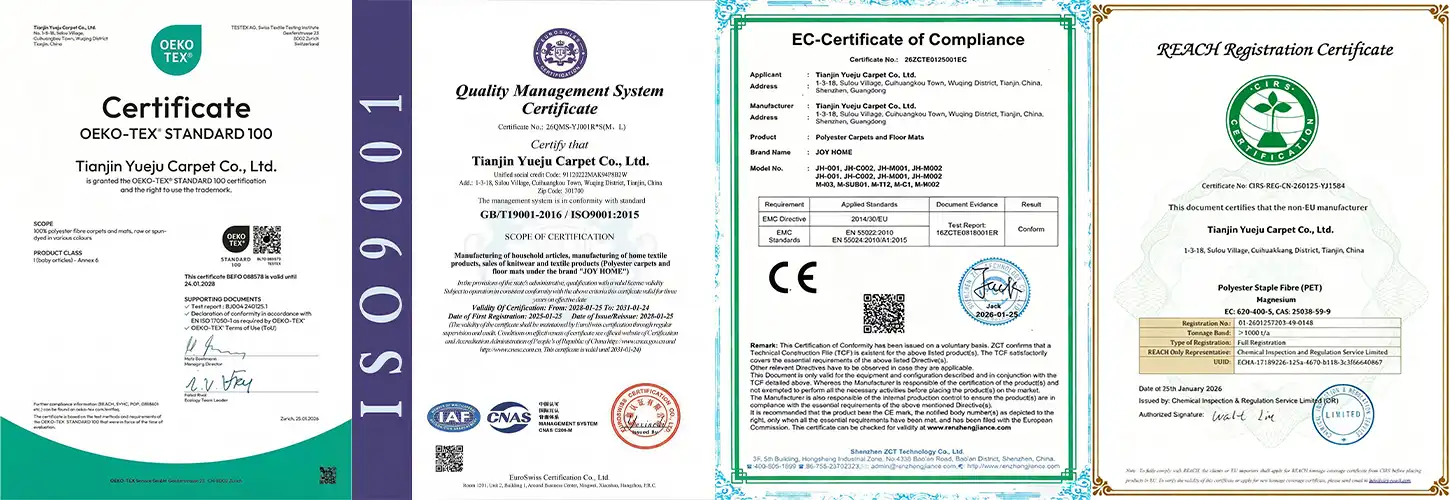
Finding reliable suppliers is the difference between successful and unsuccessful purchases for informed procurement of custom size kitchen floor mats. Look for companies that have proof of their production capacity. For example, JoyHome's 20,000-square-meter building with 25 high-tech machines and 100 professional workers shows that they can handle large orders and can be relied on. Check international certificates: the CE mark shows that a product meets European safety standards; the OEKO-TEX label promises that the textile is safe and free of dangerous chemicals; and the ISO 9001 label proves that the quality management system works. Good sellers back handmade mats with at least a one-year warranty that covers manufacturing flaws and material wear and tear. Warranty terms show that the company is confident in the product's durability.
Understanding the Ordering Process
Lead times depend on how fancy the order is and how many of them there are. We make samples at our plant and have them ready in 24 to 48 hours. This gives buyers time to check the quality of the materials and make sure the colours are right before they place full orders. It's still possible to place a small order, like one custom mat for a homeowner, or a large order for a hotel chain or restaurant group. Not only can the size be changed, but also other things. There are a lot of basic colour choices to choose from, and you can add artwork for printed designs or work with design teams to make unique patterns for business areas. Goods shops that want to start their own lines of home goods can use OEM and ODM services to make their own labels.
Value-Added Services That Matter
Mats may not seem like they need to be installed by a professional, but business projects do benefit from expert placement that takes into account where equipment is placed and how wide the door swings. Lead times usually take 7–15 days, but if you need your order quickly, you can choose expedited shipping, which can cut that time to 3–5 days. This is helpful if plans to fix something up get pushed back or if you suddenly need to replace something. The price of each unit usually drops by 15 to 25 per cent when you buy five or more of them. This is good for people who work as building managers and furniture designers. Buyers can get help from makers with a lot of knowledge in choosing the right thickness, backing, and materials for their needs. People who follow this advice won't make mistakes that cost them a lot of money.
These things help business clients pick dependable partners for kitchen floor solutions that last. Building ties with makers of kitchen floor mats that can be made to fit your needs makes buying things easier for ongoing projects. JoyHome has worked with customers in the home, hotel, business, and retail sectors in the past, which shows it can meet a range of needs. Products are ready to use right away because they are made in-house and come in wrapping that meets export standards. Quality control includes a 100% pre-shipment check.
Conclusion
By getting custom size kitchen floor mats, you can turn regular kitchens into safe, comfortable, and well-designed spaces that meet all of your needs. This guide gives homes and building managers the information they need to make smart choices, from how to measure correctly and choose the right materials to how to understand the buying process. The benefits of custom solutions—perfect fit, better safety, less fatigue, and personalised looks—far outweigh the small price difference with standard options. Quality makers who offer both advanced production tools and open customisation options create long-lasting value. Trends in kitchen design value both function and style. Buying properly designed floor mats is still a smart choice that safeguards your floors, your health, and your peace of mind.
FAQ
Can custom size kitchen floor mats provide adequate slip resistance on hardwood floors?
Of course. With their TPR rubber backing, quality handmade mats provide better grip on wooden floors without the need for glues or damage to the floor. The backing's formula uses micro-suction to create friction instead of chemical bonding, which keeps the surface from slipping even when there is moisture on it. Our mats have slip resistance values that are higher than the ASTM safety standards for wet areas.
What thickness works best for balancing durability and comfort?
For home kitchens that don't get a lot of use, 10mm thickness is a good thickness for padding without too many height changes that could cause someone to trip. 15-20 mm density is good for commercial settings where people stand all the time. At 1000g/m², our 10mm fake sisal mats are heavy enough to last in busy homes with pets and kids, but they are still soft and cushiony underfoot.
Are eco-friendly custom mats available and cost-effective?
Yes, eco-friendly materials are now commonly used to make high-quality mats. Polyester bases with recycled material, natural rubber options, and low-VOC treatments are environmentally friendly without costing a lot more. Chemical safety is checked by certifications like OEKO-TEX. Well-made, eco-friendly mats last a long time (often over five years), which saves you money compared to buying new, cheaper mats every year.
Partner with JoyHome for Premium Custom Kitchen Floor Mat Solutions
If you want to change the look of your kitchen floors, JoyHome can make custom size kitchen floor mats that are both stylish and useful. Our advanced manufacturing facilities in Tianjin—with 25 specialised machines and a daily production capacity of 2,000 m²—allow us to deliver both single custom orders for homeowners and large amounts for business projects on time and to a high standard of quality. As a well-known company that makes custom size kitchen floor mats, we offer full OEM/ODM services, which include changing your logo, matching colours, and designing patterns that fit your brand's needs. Email our team at admin@longtengmen.com to talk about your particular needs, including sizes, materials, and shipping times. You can get samples of our high-density sisal-like carpet to see how well it works with our waterproof TPR backing and how easy it is to clean in a machine. JoyHome provides certified quality backed by CE, OEKO-TEX, and ISO 9001 compliance, whether they are supplying a single home kitchen or supplies for large hospitality projects.
References
1. Miller, R. & Thompson, J. (2021). Ergonomic Flooring Solutions for Commercial Kitchens: A Comprehensive Analysis. Institute of Occupational Health Studies.
2. Davidson, S. (2022). Material Science in Modern Floor Coverings: Performance Metrics and Selection Criteria. Journal of Interior Design Technology, Vol. 15(3), pp. 112-134.
3. Chen, L. (2020). Custom Textile Manufacturing: Quality Control Protocols in Mat Production. International Textile Engineering Conference Proceedings.
4. Wilson, K. & Patel, A. (2023). Safety Standards for Kitchen Floor Surfaces: ASTM Guidelines and Compliance. National Safety Council Publication Series.
5. Rodriguez, M. (2021). Sustainable Materials in Home Furnishing: Environmental Impact Assessment. Green Building Materials Quarterly, Vol. 8(2), pp. 45-67.
6. Harrison, T. (2022). Commercial Kitchen Design: Flooring Specifications for High-Traffic Environments. Hospitality Design and Management Review, Vol. 19(4), pp. 88-103.
Online Message
YOU MAY LIKE
High quality furniture manufacturer