Jun 9, 2026
Do 3D Kitchen Rugs Improve Kitchen Safety and Comfort?
3D kitchen rugs do make the kitchen safer and more relaxing because they don't slip and have soft padding that bends. High-density foam cores and rough backing systems are used in these new flooring choices to make areas less slippery and to ease the stress on the feet and joints when standing for long periods of time. Items look better because printing or weaving makes them three-dimensional. These effects also give the items more depth, which makes them easier to hold. You can avoid slip-and-fall accidents and keep staff from getting too tired in the kitchen by choosing the right rugs and taking excellent care of them. Because of this, they are necessary for both homes and companies.
Understanding 3D Kitchen Rugs and Their Functional Benefits
Find out more about 3D kitchen rugs and how they can help you. Because kitchens have their problems, they need different kinds of floors. Normal flat mats don't always give you enough safety or comfort when you're making food and cooking for hours.
What Defines a 3D Kitchen Rug?
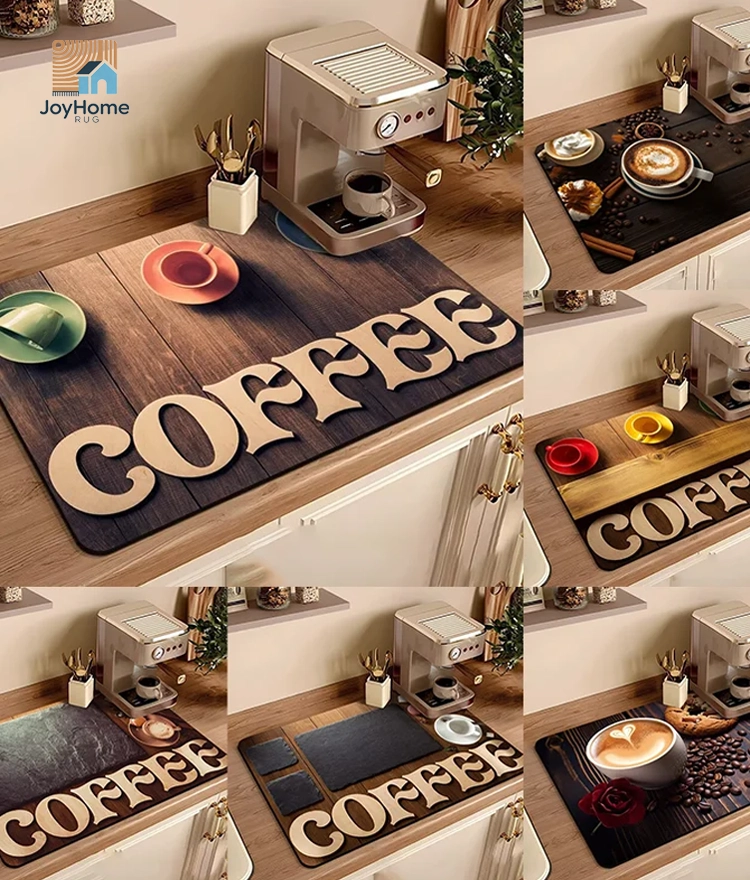
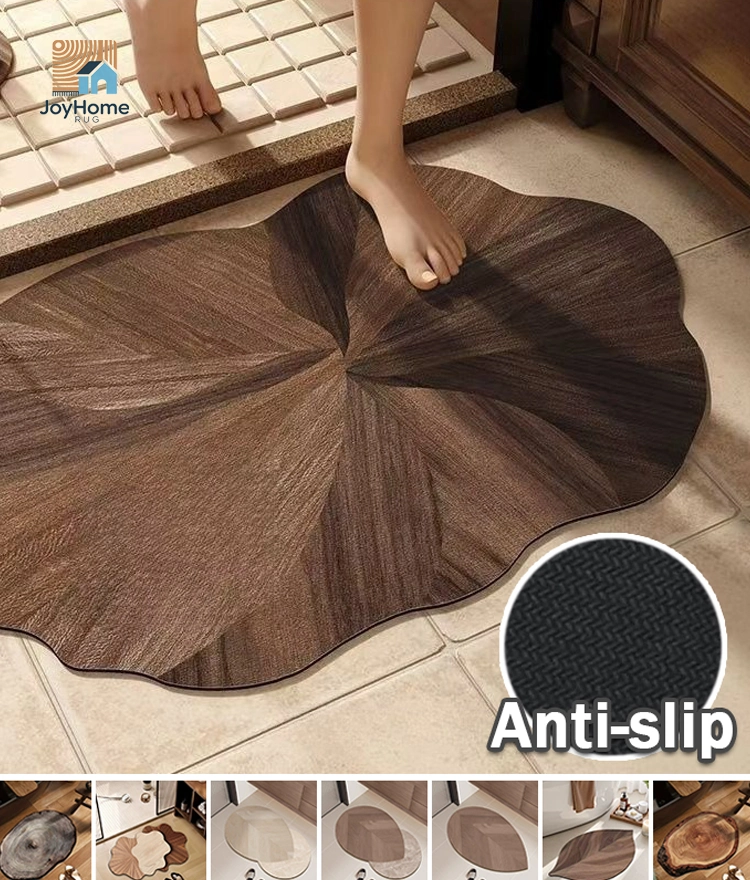
To make 3D kitchen rugs, high-definition digital printing or special weave techniques are used. These rugs give the sense of depth, texture, and perspective in three dimensions. They're not like other flat-weave patterns because they use trompe l'oeil to make them look like cobblestones, wood grains, or cool geometric shapes. The visual depth isn't just for looks; the different surface layers also make it easier to grab and let you know when you step on it. Modern methods are used to make these rugs, which combine attractive looks with useful features that keep you safe while cooking.
Multi-Layer Construction Technology
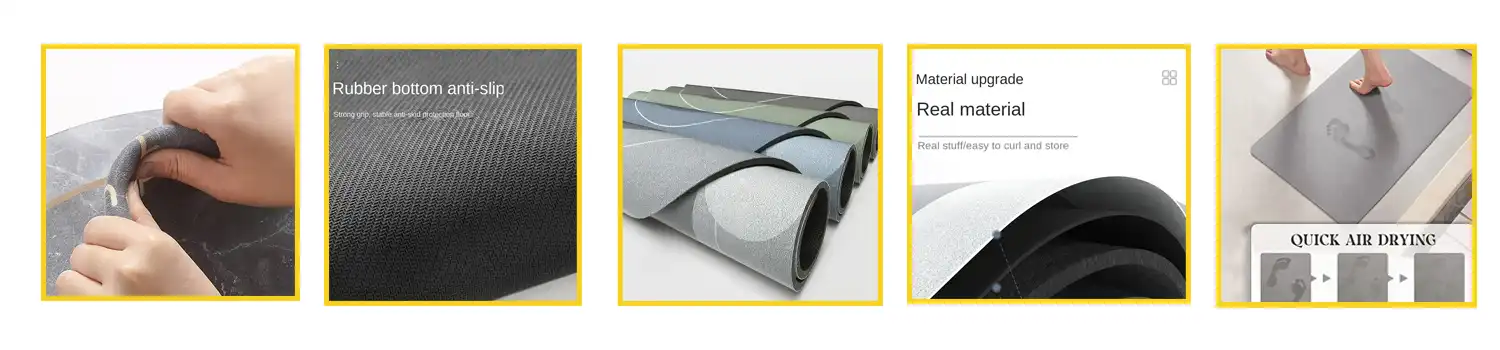
A good 3D kitchen rug is made of many layers that all work together to make it look good and last a long time. Most high-end options have a layer of high-density fabric or PVC on top that is made to soak up ink and keep pictures clear. This lets you print at 300+ DPI for realistic effects. The pretty top is on top of a useful body made of memory foam or NBR (nitrile butadiene rubber), which is meant to provide bounce while keeping its shape. In the bottom layer, special backing materials are used, like SBR or suction-cup shapes that meet R10 or R11 slip-resistance standards. With this cutting-edge layer system, a floor covering that looks nice can be turned into a high-tech safety device.
Material Innovation Advantages
Different types of materials are used to make modern 3D kitchen rugs that can be used in different places. Polyester fibres don't stain easily and keep their colour well, so they're great for places where people walk a lot and spill things. Since diatomaceous earth is so good at soaking up water, they have changed the game. Within seconds, these naturally porous mixes pull water away from the surface. This stops the dampness that lets germs grow and bad smells spread. When you walk on soft rubber or PVC leather, it keeps liquids and grease from getting into the floor. These days, materials are very adaptable, so buying professionals don't have to choose options that are one size fits all. Instead, they can match certain performance traits to the way their cooking works.
How Do 3D Kitchen Rugs Enhance Kitchen Safety?
In both home and business kitchens, a lot of injury claims are made when people slip and fall. If a business cares about safety, buying good 3D kitchen rugs is at the top of their list. This is because certain floor solutions can lower these risks.
Advanced Anti-Slip Technologies
The backs of modern 3D kitchen rugs are made with complicated methods that make them less likely to slip. High-end options don't just have rubber coatings; they also have textured patterns or suction structures that stick to floors automatically. When liquid falls on the rug's surface, the different layers quickly soak it up or channel it so it doesn't pool and make sliding dangerous. That's because it has two layers of anti-slip protection: a rough top layer and a grippy backing on the bottom. This gives you extra safety in case one layer wears down. Goods that are safe to use on ceramic tile, hardwood, laminate, and other popular types of kitchen flooring follow the ASTM D2047 standards for testing methods that measure friction coefficients.
Cushioning That Reduces Impact Injury
Because they are soft, 3D kitchen rugs keep you from falling and also lessen the damage you do if you do fall. The memory foam or high-resilience polyurethane cores get squished when you hit something. When you move, this takes up the energy that would have gone straight to your bones and joints. It is very helpful to be able to absorb shock in kitchens where heavy cookware, sharp corners, and hard edges make it more likely that someone will get hurt if they fall. It's easy to walk on these rugs barefoot because they are soft and fine. The surface also helps protect you from the sharp hits that come with hard floors. Studies that look at how to make workplaces safer always find that anti-fatigue mats with padding make accidents less likely. Because it keeps you safe from both sudden slips and wear and tear that makes it take longer to react and coordinate.
Durability Under Demanding Conditions
Safety features can only work if the materials used don't break down over time. Good 3D kitchen rugs are put through tests to make sure they can handle the rough conditions that are common in kitchens. When products meet high standards for durability, they don't lose their shape or powder even after being hit with hot water, cleaning chemicals, grease, and a lot of foot traffic. Testing for dimensional stability shows that rugs keep their shape and don't curl at the edges, which is a common problem that makes safety gear dangerous to fall from. ISO 105-C06 guidelines for colour fastness make sure that visual depth patterns don't fade or get fuzzy. This makes the surfaces look good and lets you walk on them. You will be safe for a long time because it won't lose its power quickly, which would make you less safe over time.
Comfort and Ergonomics: Why Do 3D Kitchen Rugs Matter for Staff Well-Being?
It's not always taken into account how comfortable the floor is and how well it works with 3D kitchen rugs. More and more research shows that treatments that stop workers from getting tired from standing make them happier and make the business run more smoothly.
Pressure Relief for Extended Standing
People who work in kitchens usually stand in small areas and do the same tasks over and over for four to six hours at a time. Each day, this static loading puts stress on the lower back, knees, and feet, which gets worse as the day goes on. Some 3D kitchen rugs have a lot of padding, which means that your body weight is spread out over a larger area. This lowers the painful high pressures. High-quality materials give the surface a soft, fine feel and allow it to bend to fit natural micro-movements. These small changes to your stance and how your weight is distributed help your blood flow and make your muscles less sore. Studies in the Journal of Workplace Health say that anti-fatigue mats make people 40–60% less uncomfortable when they stand on them than when they stand on hard surfaces. That makes it easier to finish jobs and get them right.
Temperature Regulation Features
There are a lot of different temperatures in kitchens, from the direct heat that ovens and stovetops give off to the cold spots near freezers. Newer 3D kitchen rug materials keep feet from getting too hot on the floor by controlling temperature. When cooking something hot, it's uncomfortable to sweat, but synthetic threads that wick away moisture keep you from feeling that way. Because foam cores can keep heat in, they can be used to make thermal shields that keep feet warm on cold floors like tile or concrete that are common in businesses. Not only do these climate controls make you feel better, but they also help keep your core body temperature fixed. This lowers the stress on your body that makes you tired and less able to concentrate during long shifts.
Selecting Optimal Thickness and Density
For 3D kitchen rugs to be most helpful for your health, features should match what you want and how you plan to use them. The three-dimensional effects are made by changes in pile height of 10 mm to 25 mm, which also provide different amounts of comfort. Thicker choices ease the most pressure, but people who have trouble keeping their balance may find them unstable. Thinner profiles, on the other hand, offer stronger support that some workers like. How well something bounces back is based on its density, which is shown in shore hardness numbers. While softer materials are more relaxing, they may lose their shape over time if they are loaded for a long time. Firmer materials, on the other hand, keep their shape for longer. Facility managers and interior designers should think about how the kitchen works, how long shifts usually last, and what users want when they describe the conditions of the rug. This way, they can make sure that the best practical results are achieved for each work setting.
Procurement Considerations: Selecting the Best 3D Kitchen Rugs for Your Business
When buying 3D kitchen rugs for a business, it's important to use organised ways to assess various performance factors while taking into account real requirements and spending limits.
Safety Certifications and Compliance Standards
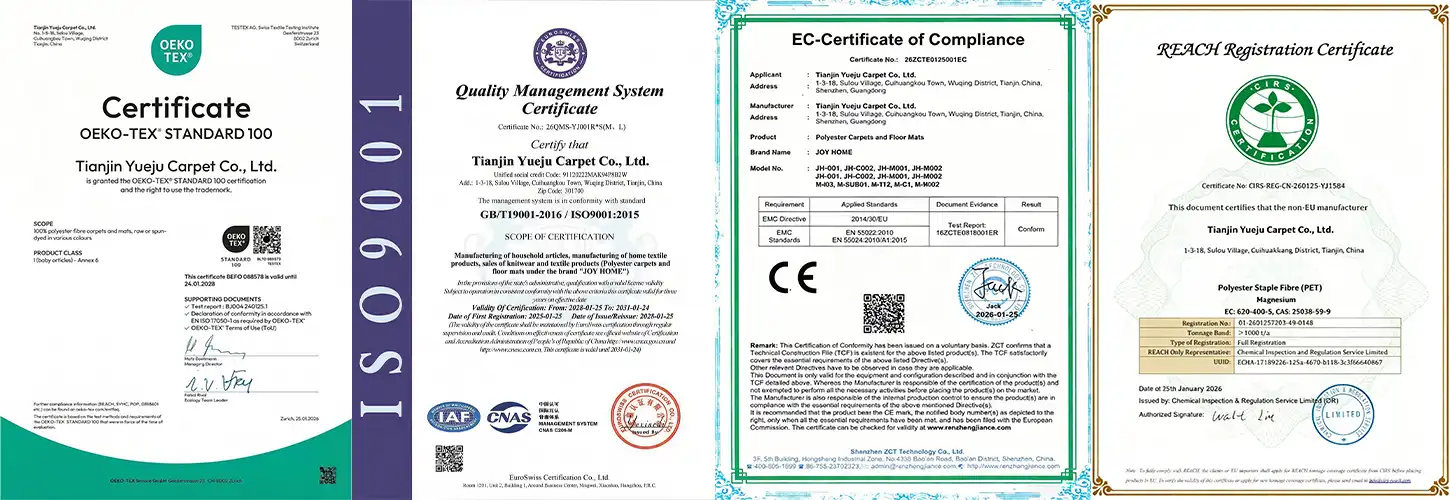
Good buying habits start with following the rules. On the labels of good 3D kitchen rugs, it says that they meet safety standards such as flame resistance, chemical release limits, and slip resistance rates. These keep people who use the building and people who own it from being attacked. REACH compliance makes sure that products follow European rules about chemicals that can't be used, and CPSIA approval makes sure that products follow U.S. safety rules for consumer goods. Formaldehyde and phthalate screening stops the off-gassing that causes sick building syndrome, which keeps the air inside healthy. Instead of just believing what the manufacturer says, people who buy things should ask for proof that they were tested by a third party to make sure the goods really do meet the slip-resistance ratings and material safety standards needed for their intended uses.
Total Cost of Ownership Analysis
Another part of how much 3D kitchen rugs really cost is the price. Any full financial study needs to look at how long something is expected to last, how often it needs to be fixed, and how often it needs to be replaced. Lifetime costs are lower when designs last and are easy to maintain. This is because they last longer between repairs and take less time to clean. Better rugs made from materials that are washable and dry quickly help keep things clean because they can be wiped down or cleaned with water and are ready to use again in hours instead of overnight, which slows things down. Customers who buy in bulk can save money on each unit, which makes up for the higher initial costs of buying high-quality goods. This is especially useful for business-to-business customers who need to put multiple units throughout the building. When you figure out the return on investment, you should think about how much it would be worth to keep accidents from happening, which would lower the number of workers' compensation claims, as well as how much it would be worth for workers to be more relaxed, which would make them more productive.
Customisation Capabilities and Flexible Ordering
It's not always the case that standard 3D kitchen rugs meet all the wants of a house. Top companies let you change a lot of things about the item, like the size, style, and material. Most kitchen plans can use 50x80 cm, 40x120 cm, 50x150 cm, and 40x150 cm tiles. With custom cutting services, on the other hand, you can make them fit properly in odd places or workspaces that have exact measurements. You can add your company's name, match colours to other things in the room, or use safety-themed patterns with design customisation. Smaller businesses or plans that aren't ready to go live yet can do better with flexible minimum order quantities. It shows that a supplier cares about their customers and is open to different business models if they are willing to fill orders without a strict MOQ. Some manufacturers have turnaround times of as little as one week, which makes it easier to get repairs done quickly or get new facilities up and running.
Maintenance and Longevity: How to Keep 3D Kitchen Rugs Safe and Comfortable?
If you take care of 3D kitchen rugs the right way, they will last longer and keep the safety and comfort features that made the buy worth it in the first place.
Cleaning Protocols That Preserve Performance
They need to be cleaned in a way that doesn't damage the three-dimensional forms or the special materials that are on the back of 3D kitchen rugs. For the most part, good kitchen rugs don't need to be washed in a machine. Instead, they can be cleaned with water or wiped clean with a cloth. High-quality materials soak up water quickly and dry out quickly, which makes them simple to clean. Once you clean up any spills or dirt, these rugs dry quickly in the air and return to their original shape. They won't bend or smell musty. You shouldn't clean with harsh chemicals. Instead, use soft soaps that won't wipe off protected coats or fade printed designs. Based on how often something is used, cleaning plans should be made so that grease films don't form that make it easier to slip. This makes sure that the product's safety performance stays the same over time.
Inspection and Replacement Planning
Normal checks of 3D kitchen rugs can find early signs of getting worse before they become a danger to safety or comfort. You should look for edge twisting, surface wear patterns, backing splits, or a loss of padding stiffness when you look at something. You can test the rug's grip by sliding it across the floor. This will let you know if the grip is still good or if normal wear and tear has made it less useful. When rugs are damaged, don't stop people from slipping, or have areas that are forever squished together and don't cushion well enough, they need to be changed to keep safety standards high. Keeping track of performance metrics and installation times helps buyers plan and avoid service gaps by giving them a good idea of when to repair things.
Conclusion
That being said, when picked and kept in good shape, 3D kitchen rugs make things safer and more comfortable. These high-tech flooring options look classy, and they also have high-performance features that make the kitchen a better place to cook. Accidents and worker fatigue have gone down because of the non-slip technologies, soft padding, and long-lasting construction. Professionals in buying look at choices based on many factors, including safety standards, material qualities, customisation options, and the total cost of ownership. This helps their companies get the best return on investment and makes working conditions better. More progress in making these speciality rugs means they are no longer just a nice-to-have extra. They are now an important part of running a responsible kitchen.
FAQ
Do 3D Kitchen Rugs Meet Commercial Slip-Resistance Requirements?
Some 3D kitchen rugs are even better than the strictest standards for slip resistance, so they can be used in harsh industrial settings. Products with scores of R10 or R11 (based on DIN 51130 testing standards) work well in places with light to heavy amounts of water, oils, and food scraps. It works well on a lot of different types of floors and amounts of dirt because it has both rough areas and special backing systems that keep it from slipping.
What Materials Work Best for High-Traffic Kitchen Areas?
When picking a material for 3D kitchen rugs, think about how long it will last, how easy it is, and how much upkeep it needs based on what it will be used for. Remember that memory foam cores and non-slip backing are best for supporting your body where it needs it the most. Because it soaks up water so well, diatomaceous earth can be used in places that are wet a lot. When there is a lot of dirt and grime on the surface, polyester and PVC leather stay cleaner longer. Procurement managers should ask sellers about the weather and how busy the area is to get the best material specs.
Are Custom Sizes and Bulk Orders Available for B2B Clients?
Businesses can get what they need for 3D kitchen rugs from reliable makers who let them customise and buy in bulk. Changing the style lets you add your name, and changing the size works with certain room sizes. Most of the time, ordering in bulk gets you better prices and faster production times. A lot of sellers have open MOQ rules that let you buy in different amounts. So, staged methods or mixed-specification orders can be used to buy something that fits the needs of more than one facility at the same time.
Partner with JoyHome for Premium 3D Kitchen Rug Solutions
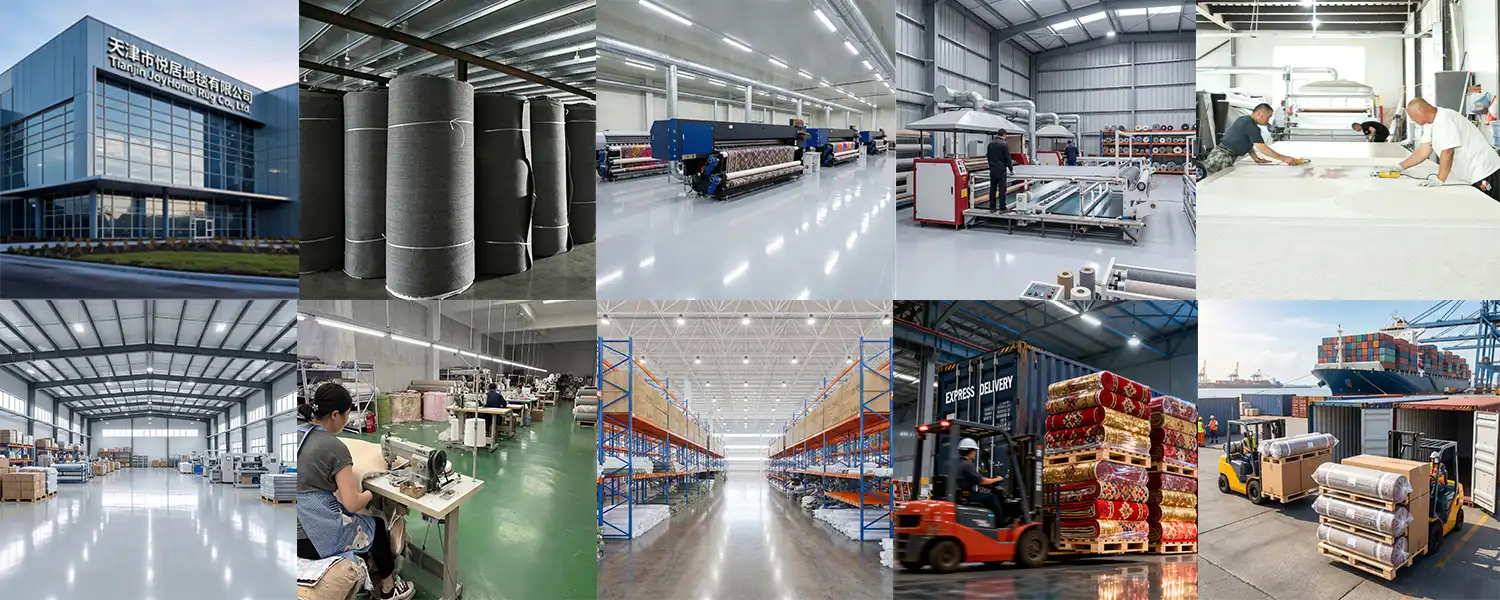
JoyHome is ready to make your kitchen safer and more comfortable with our wide selection of high-performance flooring. The Wuqing District in Tianjin is where we make 3D kitchen rugs. We use cutting-edge production methods and customer-focused service methods. There are 25 sets of cutting-edge machines that our 100 skilled workers run. These machines include laser cutting, edge-locking, heat transfer printing, and weave systems. They let us make high-quality items from a lot of different materials, like polyester and diatomaceous earth. Buyers can email our expert consultants at admin@longtengmen.com to get unique product suggestions, low bulk prices, and sample requests. This shows how dedicated we are to providing the global market with new ideas, durability, and style.
References
1. National Floor Safety Institute (2019). "Slip and Fall Prevention: A Practical Handbook for Commercial Facilities Management," NFSI Publications, Second Edition.
2. Ergonomics Research Council (2021). "Anti-Fatigue Matting Impact on Worker Productivity and Musculoskeletal Health in Standing Occupations," Journal of Occupational Health Sciences, Volume 14, Issue 3.
3. American Society for Testing and Materials (2020). "ASTM D2047-20: Standard Test Method for Static Coefficient of Friction of Polish-Coated Flooring Surfaces as Measured by the James Machine," ASTM International Standards.
4. International Organisation for Standardisation (2018). "ISO 105-C06:2010—Textiles: Tests for Colour Fastness—Part C06: Colour Fastness to Domestic and Commercial Laundering," ISO Technical Standards.
5. Building Research Establishment (2022). "Flooring Material Performance in High-Moisture Environments: Comparative Analysis of Contemporary Kitchen Mat Technologies," BRE Environmental Assessment Methods.
6. Occupational Safety and Health Administration (2020). "Walking-Working Surfaces and Personal Protective Equipment: Final Rule Analysis on Slip Resistance Requirements," OSHA Regulatory Guidelines, Federal Register Volume 85.
Online Message
YOU MAY LIKE
High quality furniture manufacturer