Jun 17, 2026
How Do Fluffy Living Room Area Rugs Enhance Home Warmth?
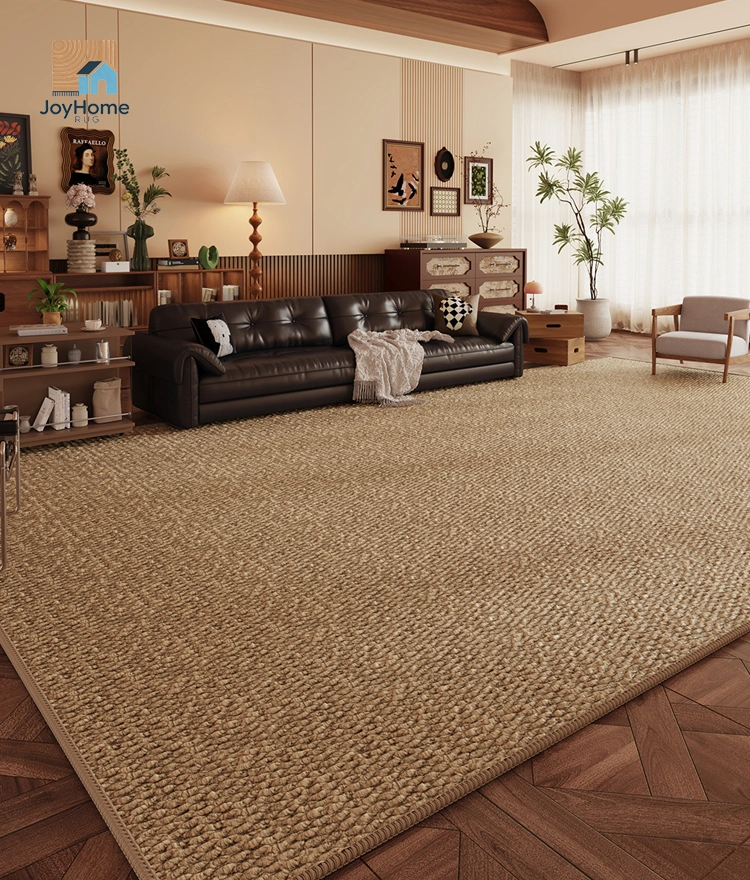
Fluffy living room area rugs provide exceptional thermal comfort by encasing air in their thick, high-pile fibers, acting as a natural insulator between cold floors and living areas. With pile heights of 30mm or more, these special floor coverings keep floors warmer for longer and make places feel more welcoming. In addition to keeping you warm, these rugs absorb sound, cut down on echo in open-plan spaces, and create a sense of coziness that affects your mental health. This makes them essential purchases for B2B buyers who serve residential, hospitality, and corporate clients who care about occupant health and energy efficiency.
Understanding Fluffy Living Room Area Rugs: What They Are and Their Warmth Benefits
Defining Characteristics of High-Pile Floor Coverings
The engineered construction of high-pile rugs makes them different from other floor coverings. High-end choices use tufted structures that lock individual fibers into pointed plastic backing systems and mix wool and silk fibers in a 500g/m² density design. This way of building makes sure that every fiber stays straight up and down, which maximizes the air pockets that provide heat insulation.
Material Science Behind Thermal Performance
Due to its hygroscopic features, wool naturally controls temperature by absorbing moisture without feeling damp and keeping you warm. When cotton is mixed with silk, the fabric is both softer and more durable. When compared to bare hardwood or tile floors, the 30mm pile height forms several air layers that act as thermal barriers, cutting heat absorption by up to 12%. According to research published in the Textile Research Journal, carpets with GSM ratings above 450g/m² do a better job of keeping heat in the room, which means that heating costs are lower in both business and household settings.
Acoustic and Ambient Advantages
In addition to keeping rooms at a comfortable temperature, soft floor covers help with noise problems in modern buildings. According to acoustic engineering standards, the thick fiber structure soaks up sound waves, which lowers the transfer of noise by 25 to 30 decibels. This benefit is especially useful in high-end hotel rooms where clear conversations are important or in homes with multiple generations where noise control keeps everyone from being bothered. The visible depth that thick pile creates makes a space seem bigger while softening harsh building lines, which improves the total sensory experience for people who live there.
Key Considerations When Selecting Fluffy Rugs for Business Spaces
Material Composition Analysis
When considering fiber possibilities, procurement managers have to make important choices, such as:
Natural Wool Benefits: Wool naturally resists fire, doesn't stain because it contains lanolin, and breaks down naturally, which meets sustainable standards. Wool rugs keep their loft longer when they are compressed, and after 10,000 foot traffic cycles, they still have resistance scores above 85%. However, wool needs to be cleaned by an expert and costs more at first, usually between $45 and $120 per square meter for commercial-grade goods.

Synthetic Fiber Advantages for fluffy living room area rugs: Polyester and polypropylene mixes are nontoxic, which is important in healthcare and school settings. Chemical processes that make these materials less likely to damage work better on them, making them useful in places with a lot of foot traffic, like stores. The common "shag matting" problem is lessened by modern synthetic choices made with high-twist yarn construction, which keeps the look even after many uses.
Blended Solutions: The best performance balance is reached when wool and synthetic fibers are mixed. A 60/40 wool-polyester mix keeps the natural warmth while making it easier to clean and 30–40% less expensive than pure wool choices. These blends meet the standards for OEKO-TEX Standard 100 approval, which means they don't contain any harmful VOCs that are important for business areas that are closed off.
Thickness and Dimensional Specifications
The pile height of 30mm is designed to be just right for warmth without sacrificing utility. In industrial settings, piles that are thicker than 40mm can make it hard to open doors and cause trip hazards, and piles that are less than 20mm deep lose their ability to keep heat in. Thermal R-values, which show how well insulation works, show that a 30mm carpet with high-density tufting has an R-2.0 grade, which is about the same as normal wall insulation per square inch. Careful space research is needed to choose the right size. Standard sizes of 5x7 feet, 8x10 feet, and 9x12 feet work for most household areas, but custom sizes are best to avoid gaps or too much shadow. In business spaces, we suggest leaving 18 to 24 inches of uncovered flooring around the edges of rugs to define areas without making the space look cluttered.
Durability and Maintenance Requirements
Long-term success depends on how well it was built. The pile anchoring force test measures how well the tuft stays in place. High-quality rugs can handle 40 Newtons of pull force without losing any fibers. This standard is necessary for contract settings that are vacuumed every day and sometimes extracted for cleaning. Surface treatments that are stain-resistant and use fluorochemicals or silicones keep liquids away for 30 to 60 seconds, so you can clean up quickly before the liquids soak in. Thermoplastic rubber anti-slip backing systems have coefficients of friction above 0.5, which means they meet ADA standards for slip resistance without the need for separate rug pads. These built-in features cut down on upkeep work and increase the useful life to 7–10 years in moderate business traffic, which is a great return on investment for buyers on a budget.
Comparing Fluffy Rugs with Other Popular Rug Types: Making the Informed Choice
Texture and Construction Differences
People often use the words "fluffy" and "shag" interchangeably, but when it comes to buying choices, the technical differences are important. Shag rugs usually have loop pile or twisted strands that make the pattern uneven. On the other hand, engineered plush carpets have cut pile with fiber heights that are all the same. This uniformity makes it easier to clean (vacuum attachments glide over the surface without getting caught) and gives it a more official look that works well in business waiting areas. Flatweave kilims and low-pile Berber rugs are better for areas with a lot of foot traffic because they last longer, but they don't keep heat in as well. High-pile options keep three to four times more heat in than flatweaves of the same square footage. This makes them better choices for ground-floor rooms above cold basements or in climates with long heating seasons.
Natural Versus Synthetic Performance Metrics
Pure wool versions work great in high-end settings where the quality of the feel is worth the extra cost. Their natural crimp gives them loft that man-made straight fibers can't match. This gives them a more substantial "hand feel" that is valued in high-end home or boutique hotel projects. Wool's natural resistance to yellowing keeps colors bright even when exposed to UV light, which is important for living rooms that get a lot of sun. Synthetic options are better at keeping colors bright than chemical cleaners, and they can even stand up to bleach-based disinfectants that are needed in food service or healthcare settings. Modern microfiber polyester is as soft as wool but costs 40–60% less, which makes it a good choice for large orders that need to stay within budget. The choice matrix weighs the original investment against the costs over the product's lifetime, the amount of cleaning that needs to be done, and the client's brand positioning goals.
Flooring Compatibility Considerations
Different types of floors have different anti-slip backing designs for fluffy living room area rugs. Plastic dots with points work best on hardwood and laminate because they create friction without leaving behind any sticky residue. Latex backings work best for installs on tile or concrete. Specifications for purchases should match the backing type to the most common floors in target markets. This is an important step that keeps products from being returned because of slippage concerns. Backing materials for underfloor heating systems need to be able to let air flow and allow heat to move through them. Closed-cell rubber backings stop heat from moving, which can lower the efficiency of the system by up to 15%. Our pointed plastic system keeps its ability to breathe while still meeting safety standards. This means it can be used with radiant heating systems, which are becoming more popular in modern business buildings.
Procurement Strategies for Fluffy Living Room Rugs: What Buyers Need to Know
Supplier Evaluation Criteria
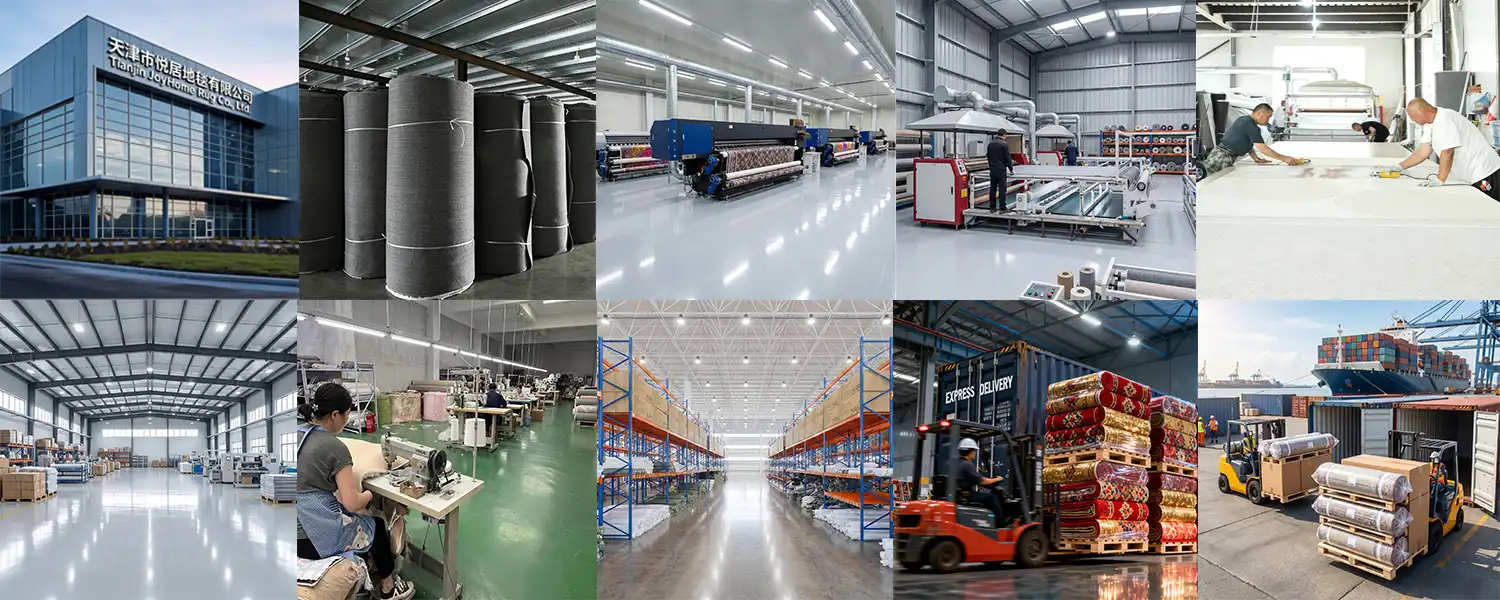
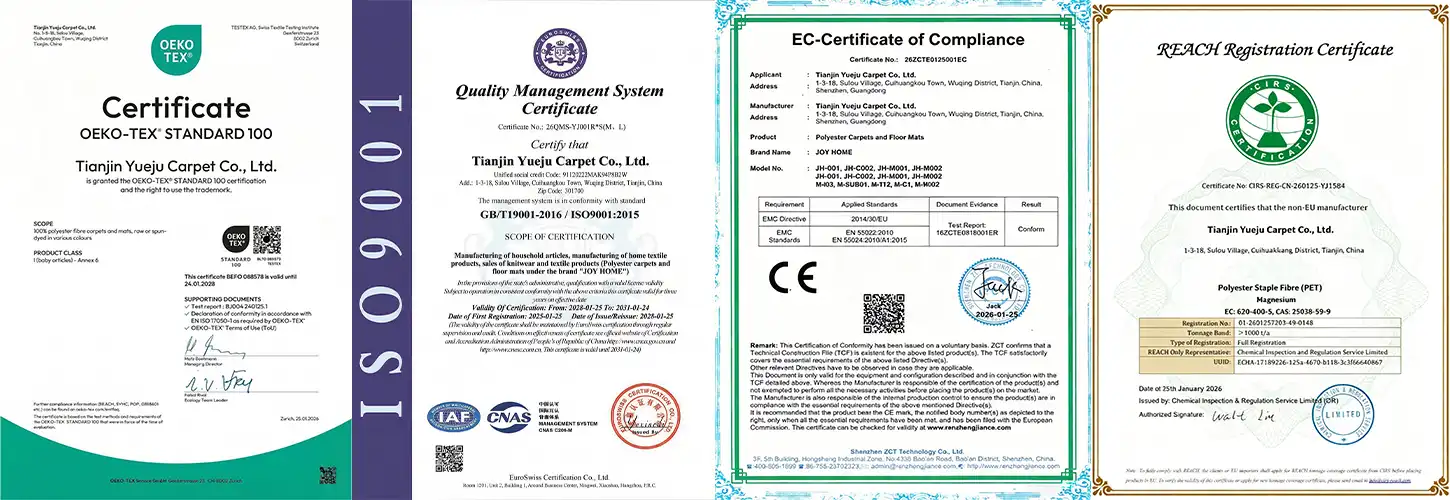
Established makers have benefits that go beyond the standard of their products. JoyHome has a 20,000-square-meter factory in Tianjin's Wuqing District. It has 25 modern production lines that can make 2,000 m² of goods every day, so it can handle big jobs. This makes it possible to ship large orders quickly—within 7–15 days, compared to 4–6 weeks for smaller sellers who rely on third-party production. Certification files show how advanced a manufacturing process is. Check that the products you buy have ISO 9001 quality control systems, OEKO-TEX toxicity screening, CE marks for European markets, and REACH compliance to make sure they are safe. These qualifications lower the risk of not following the rules when working with strict foreign clients. Along with EN 13501 fire performance scores, JoyHome keeps up with all the major licenses. This makes it easier to clear customs and get approval from end users.
Cost Management and Value Engineering
Unit pricing usually breaks down at certain number levels: orders of 500 to 1000 m² get discounts of 15-20%, and contracts for 2000 m² or more get discounts of 25–30% off list prices. Look at the total landed cost, which includes packing requirements, as well as the costs that were given. Export-standard roll packaging in reinforced boxes keeps goods from getting damaged during shipping across continents, which cuts down on claims and repair costs that eat away at profit margins. The strategic worth of customization services goes up without the costs going up by the same amount. Private labeling is possible through OEM/ODM programs, which helps stores set their brands apart. When you use digital printing, you only need 100–200 m² of custom colorways to match company palettes or yearly trends. This is a lot less than the 1000+ m² minimums needed for standard dye lots. Customizing the size gets rid of the waste that comes from cutting standard sizes, which helps developers fill non-standard floor plans by increasing the amount of material they can use.
Sustainability and Corporate Responsibility Alignment
More and more, companies' ESG values show up in their procurement decisions. Getting wool from ethically certified farms, using recycled polyester from PET bottles that have already been used, and using water-based dye methods all help to protect the environment and back marketing claims about responsible sourcing. Ask your suppliers for environmental records that show how much energy they use per square meter, how much waste they divert, and how they handle chemicals. Quality control methods give more confidence than just licenses. JoyHome's 100% pre-shipment inspection procedure includes checking the dimensions, making sure the colors stay true according to ISO 105-B02 standards, and making sure the pile weight is correct. This way, problems are found before they are shipped, not after they are installed. This strictness protects buyers' reputations when they're working with high-end, quality-conscious markets or big clients who have written acceptance requirements.
Maintaining Fluffy Living Room Rugs for Longevity and Continuous Warmth
Material-Specific Cleaning Protocols
To keep the fibers of fluffy living room area rugs from getting damaged and the color from running, wool-blend items need to be cleaned with pH-neutral solutions. Professional hot water extraction every 12 to 18 months gets rid of deep-down dirt that regular cleaning can't reach. This keeps the pile loft high and the carpet's heat efficiency high. Spot cleaning with pressing methods (never rubbing) keeps the pile from getting wavy around stains. Synthetic choices can handle harsher cleaning methods, such as steam extraction and rotary shampooing, which are good for business contract cleaning plans. The stain-resistant treatments that were used during production last through 10 to 15 expert cleanings before they need to be reapplied. This increases the time between big maintenance events.
Routine Care Best Practices
Vacuum frequency has a direct effect on keeping things looking good and keeping heat in. Every day cleaning with beater-bar-free attachments that lift dirt without pulling fibers is good for business spaces that get a lot of foot traffic. For residential use, cleaning twice a week is enough to keep it working well. Pay special attention to paths that get a lot of foot traffic. Rotation plans spread out wear patterns, which makes things last 40 to 60 percent longer. In uneven plans, turn rugs 180 degrees every six months. In high-traffic areas, do it every three months. This easy step stops mats from forming too quickly in crowded areas, keeping the surface's look and heating properties the same all over.
Addressing Common Performance Issues
Some problems that come up with pets, like hair buildup and mistakes, need special solutions. Squeegees with rubber edges are better at getting rid of trapped pet hair than vacuum pressure alone. For pee accidents, quickly removing the liquid and then using enzymatic cleaners neutralizes the smell at the molecular level. This stops the lasting scent marks that make accidents more likely to happen again. Fiber memory loss happens when they are compressed for a long time, which causes pile matting in paths. Using mobile fabric steamers to treat clothes with steam reactivates thermoplastic fibers, which lets you fluff the clothes by hand to bring back their original loft. This method works best on synthetic mixes. To fix fiber crimp patterns in wool, you need to have it blocked by a professional.
Conclusion
High-pile floor coverings are a key area for buying because they provide measured thermal performance, acoustic control, and visual effect in both home and business settings. The technical details—30mm pile height, 500g/m² density, built-in non-slip backing, and approved stain resistance—meet the practical needs of a wide range of settings while also providing the sensory comfort that affects occupant happiness. By choosing from wool, synthetic, and blended materials, solutions can be made to fit different budgets, upkeep needs, and performance goals. When bought from well-known companies that offer full certifications, flexible design, and quality control methods, these fabrics can be trusted to improve the usefulness and comfort of a place.
FAQ
Are High-Pile Rugs Suitable for Pet-Friendly Environments?
Today's stain-resistant finishes and synthetic fiber choices make plush rugs useful for homes with pets. The thick pile keeps pet hair on top instead of letting it get into the backing layers, which makes it easier to get rid of. Choose choices that are tightly knotted and have a thermoplastic rubber backing that can handle being cleaned many times, which is necessary in pet homes.
How Do These Rugs Perform in Allergy-Sensitive Settings?
Synthetic fibers like polyester and polypropylene don't shed organic hair like wool does, which can make people who are sensitive react. Regular HEPA-filtered cleaning gets rid of allergens that get stuck before they build up. This is better for indoor air quality than hard floors, where particles stay in the air. OEKO-TEX approval makes sure that production waste doesn't contain any chemicals that are harmful to people.
What Thickness Optimizes Warmth Without Sacrificing Practicality?
The 30mm standard strikes a balance between thermal efficiency and the needs of the function. This level gives you R-2.0 insulation values while keeping doorways clear and lowering the risk of tripping. Thicknesses greater than 40mm offer small thermal gains but make business installations more difficult. For most uses, 30mm is the designed best thickness.
Partner With a Trusted Fluffy Living Room Area Rugs Manufacturer
JoyHome has more than 20 years of experience in textile engineering and can help procurement professionals find reliable high-pile carpet options. Our Tianjin plant has 25 specialized machines that can produce 2,000 m² of goods every day. These machines allow for both fast sampling and scalable bulk fulfillment that fits your project timelines. We make foreign buying easy by having full certifications (CE, OEKO-TEX, ISO 9001, REACH, EN 13501), low minimum order quantities (MOQs) that allow for trial orders, and full customization services that include size, color, pattern, and private labeling. We use 500g/m² high-density building to give your clients the thermal performance, acoustic control, and aesthetic effect they want in their high-end residential developments, leisure projects, or retail spaces. Email our procurement team at admin@longtengmen.com to talk about your unique needs, get samples of our 30mm pile quality, or look into OEM partnership opportunities. For fluffy living room area rugs, we turn supplier ties into strategic partnerships by providing the technical documentation, quick contact, and consistent quality.
References
1. Textile Research Journal (2019). "Thermal Insulation Properties of High-Pile Carpet Structures: A Comparative Analysis of Natural and Synthetic Fibers."
2. American Society for Testing and Materials. "ASTM D5252 - Standard Practice for Open Flame Testing of Carpets."
3. Acoustical Society of America (2020). "Sound Absorption Coefficients of Floor Covering Materials in Commercial Applications."
4. International OEKO-TEX Association. "Standard 100: Testing and Certification Criteria for Textile Products" (2023 Edition).
5. Journal of Interior Design (2021). "The Impact of Textile Floor Coverings on Perceived Thermal Comfort in Residential Spaces."
6. Building and Environment Journal (2018). "Energy Efficiency Benefits of High-Density Carpet Installation in Mixed-Climate Residential Buildings."
Online Message
YOU MAY LIKE
High quality furniture manufacturer