Jun 11, 2026
How Long Do Geometric Carpet Stairs Typically Last?
When you're planning your budget for stair flooring for a business or a high-end home, knowing how long it will last is critical. Most geometric carpet stairs last between 5 and 15 years, but this depends on a number of important factors, such as the type of material used, how much foot traffic they get, how well they were installed, and how often they are maintained. At the higher end of this price range are high-quality geometric carpet stairs made from solution-dyed nylon or premium wool blends. This is especially true if they are properly installed using contoured wrapping methods and kept in good shape by cleaning them on a regular basis. The geometric designs are also useful because they naturally hide wear and soil better than basic colors. This means that the fibres will look better for longer even though they are still being used normally.

Understanding the Longevity of Geometric Carpet Stairs
What Defines Geometric Carpet Stairs?
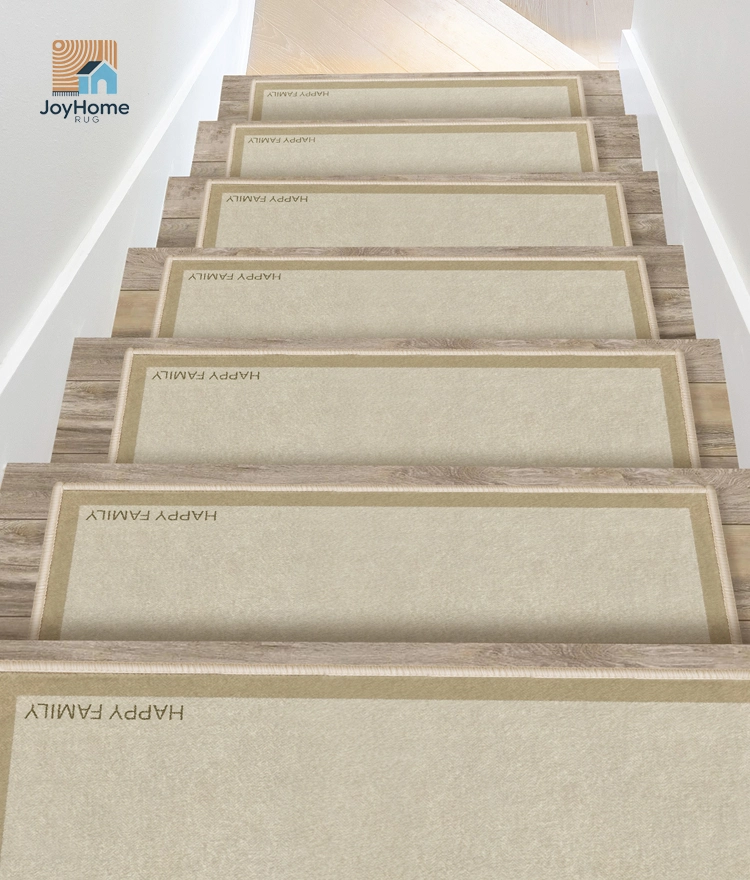
As a unique flooring option, geometric carpet stairs use carefully designed rugs with repeating mathematical patterns like chevrons, lattices, hexagons, or diamond shapes that are put down on the treads and risers of stairs. Unlike regular broadloom carpets, these products use different pile heights and high-definition tufting technology to create organized looks that stay looking good even when they go from vertical to horizontal. The surface is made of a technological cloth material that has clear patterns, a soft feel, and a little fluff. You can change the colors to fit your brand or design needs. In the professional carpeting business, this group solves three main problems: hiding uneven subfloors visually, making nosings easier to see for better safety, and getting rid of the tracking or shading that comes with solid-color plush piles. These rugs look classy and last a long time because they are made with design elements that work with wear patterns instead of against them.
Key Factors Determining Lifespan
The most important thing that determines how long your geometric carpet stairs will last is what kind of material they are made of. It is amazing how resilient and "memory" nylon 6,6 fibres are; they can bounce back from being compressed by repeated foot traffic. Wool blends naturally don't stain, and if you take good care of them, they will look great for decades. Polypropylene is a durable material that doesn't break the bank and keeps colors well, but it may matt sooner than more expensive options. The method of installation has a direct effect on how long something lasts. When you use the Hollywood or contoured wrap method, the carpet is tightly wrapped around the nosing and tucked under the tread. This makes a strong connection that stops the carpet from moving and the edges from wearing down too quickly. Even good material cannot compensate for bad fitting techniques like insufficient stretching, misplaced seams, or inadequate glue, which can cut the projected lifespan by 40% or more.
Durability Benchmarks Across Different Environments
The most changeable effect on longevity is the amount of foot traffic. A boutique hotel spiral staircase that gets hundreds of climbs every day needs industrial-grade standards, but a business office stairwell that doesn't get used frequently can handle mid-range goods. By knowing how your geometric carpet stairs will be used, you can ensure that the standards meet the needs of real life, which improves both performance and return on investment. Commercial settings require different standards than home settings. Because they get walked on all the time and wear out faster in places like hotels and spas, geometric carpet stairs usually need to be replaced every 5 to 7 years. In these situations, the geometric designs are especially useful because they keep looking good even as the fibres break down. Quality geometric carpet stairs should last between 8 and 12 years in corporate office settings with controlled entry and light traffic. In retail facilities, properly specified geometric carpet stairs can last for 6 to 10 years in tough circumstances where the patterns help hide small spots that would stand out on solid-colored options.
Core Dimensions Impacting Durability and Performance
Material Selection for Maximum Wear Resistance
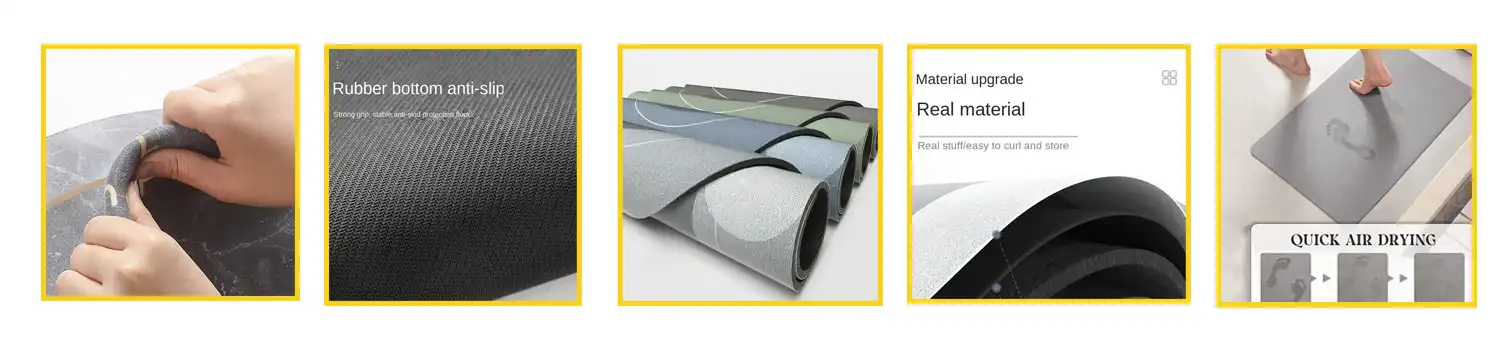
Knowing about material science helps you make choices about purchases that are within your budget and meet performance standards. Solution-dyed nylon is the best material for industrial geometric carpet stairs because it is more resistant to wear and tear, keeps colors bright, and keeps pattern lines crisp and clear without fiber blooming, which can blur geometric edges. Because the colouring process embeds the colour into the fibres instead of just covering the surface, the carpet will still look good even as the fibres on the surface wear down. Constructions made of wool or a wool-blend offer unmatched comfort and natural performance. Wool fibers naturally fight fire and dirt because they contain lanolin and are very resilient. When mixed with man-made fibers, these carpets combine natural benefits with better longevity and lower prices. Value-oriented options like polypropylene or olefin rugs meet basic durability standards without losing quality. Because they are hydrophobic, these materials work exceptionally well in places that get a lot of moisture, resisting water absorption and drying quickly.
Installation Quality and Professional Techniques
Professional installation separates goods that last as long as they're supposed to from those that don't because of technology issues. When installing on winding or curved stairs, the pie-cut method is critical because the geometric designs must stay in the middle and look balanced on wedge-shaped steps. This method usually needs 20–30% more material to account for pattern matching and waste, but the extra cost makes sure that geometric patterns keep their intended visual effect throughout the installation. When installed correctly, stretching stops bending or wrinkling before it's time, which speeds up wear in high-stress areas. Power stretchers even out the stress on the carpet's surface, getting rid of any loose spots that could become traffic patterns or safety risks. The double anti-slip protection that comes with excellent installations—the right padding and secure connection methods—improves both safety and life by stopping the shifting that wears down edges too quickly. Geometric carpet stairs need extra care when it comes to where the seams are placed and how they are put together to maintain pattern matching.
Maintenance Best Practices for Extended Lifespan
Regular upkeep is directly linked to how long a product lasts. Having your geometric carpeted stairs cleaned by a professional regularly keeps rough dirt from getting stuck in the fibers, where they act like sandpaper when people walk on them and speeds up wear. Cleaning with hot water extraction once every 12 to 18 months and low-moisture cleaning every 3 to 6 months gets rid of harmful particles and refreshes the look. When it comes to maintenance routines, geometric designs have both pros and cons. Visual complexity naturally hides light dirt, but this can lead to delayed maintenance that allows soil accumulation to reach damaging levels. Setting up cleaning schedules based on traffic counts instead of eye inspections guarantees consistent care. Protective treatments stop dirt and water from getting in, covering each fiber with protected barriers. While full stair setups usually need to be cleaned while they are in place, synthetic materials dry quickly, minimizing downtime for businesses.
Comparing Geometric Carpet Stairs to Other Stair Carpeting Options
Visual and Functional Advantages of Geometric Designs
In business settings, geometric carpet stairs are clearly better than regular or solid-colored carpets. The pattern's complexity adds visual interest that raises the building's presence, turning simple stairs into design elements that support brand identity. Patterns with chevrons make the eye move quickly upward, while patterns with hexagons or lattices add depth and texture that looks great in marketing materials and makes business areas seem more valuable. In terms of function, geometric carpet stairs are great at hiding wear patterns that show up on solid colors. Traffic lines that turn into dark paths blend in perfectly with geometric patterns, which makes the look last a lot longer. The high-contrast parts common in these designs are very important for safety because they help people see depth and level changes. Geometric shapes give people reference points that help them navigate stairs safely, reducing trip hazards compared to monochromatic displays.
Durability Comparison with Plain and Runner Carpets
Because they don't need to be matched up with patterns, plain rugs are easier to put down and cost less to make, but they tend to get worn out faster than geometric carpet stairs. A plain nylon carpet might need to be replaced at 60–70% of its real fiber life because the traffic lanes become too obvious, while a geometric design could reach 80–90% fiber utilization before replacement is necessary. Runner rugs have different levels of durability because the smaller coverage area focuses wear on a smaller surface. However, replacing a runner costs less than a wall-to-wall system. Geometric carpet stairs in a wall-to-wall broadloom format offer the highest level of safety by getting rid of slippery hard surface edges. The full covering also saves stair systems from water damage and impact, which could make the base infrastructure last longer than runner installations.
Cost Efficiency and Return on Investment Analysis
Instead of just looking at buy prices, procurement teams need to look at the total costs over the whole lifespan. High-end geometric carpet stairs that last 15 years cost more than cheaper options that last only 5 to 7 years, but they last longer, so they cost less overall and cause less downtime. When you include the costs of installation labor, removal, and business interruption, the math becomes more favorable. Businesses with multiple properties can save a lot of money by ordering in bulk, with manufacturers giving discounts on large orders. Brand dependability is also very important for ROI. Established makers with track records of performance lower buying risk compared to price-conscious providers. Reliable geometric carpet stairs from quality-focused makers provide predictable performance that helps with accurate long-term financial planning.
Procurement Considerations for Geometric Carpet Stairs
Selecting Reliable Manufacturers and Suppliers
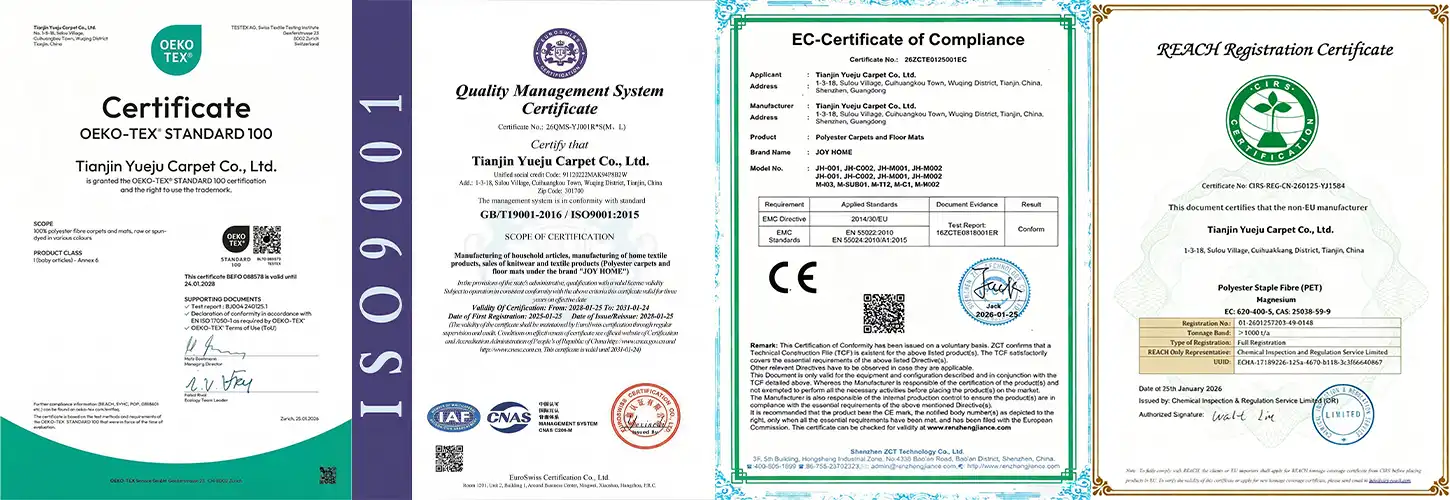
To find reliable sellers of geometric carpet stairs, you need to look at manufacturing ability and technical sophistication. Advanced production facilities with laser cutting for exact pattern matching, edge-locking for increased durability, heat transfer printing for intricate designs, and automated weaving systems show the capability needed for high-end products. Quality certificates like ISO 9001 and Green Label Plus give unbiased proof of safety and environmental standards. Tianjin JoyHome Rug Co., Ltd. operates a 20,000-square-meter factory with high-tech production tools and professional workers. We offer a wide range of materials, including polyester, diatomite mud, soft rubber, and premium textiles, to meet the needs of any project. Our approach to flexible customization means that projects don't have to meet strict minimum order amounts, and for pressing needs, our shortest delivery time is just one week.
Customization Options and Ready-Made Solutions
Custom geometric carpet stairs let you perfectly match brand rules, building styles, or specific useful needs. Custom patterns can include company names, match existing room colors, or draw on cultural themes. This method needs 6 to 12 weeks of lead time, but the installs are unique. Ready-made geometric sets allow for faster implementation at a lower cost, with stock choices usually shipping within one to two weeks. The OEM and ODM partnership models offer a range of customization levels for business-to-business situations. Original Equipment Manufacturing agreements let you request current patterns in custom colors or materials, while Original Design Manufacturing partnerships let you work together to create new patterns while sharing intellectual property rights. These models provide full product design services that help buyers stand out from standard catalog offerings.
Installation Support and Logistics Coordination
For geometric carpet stairs to be installed correctly, the people who buy the carpet and the people who install it need to work together. Many companies have networks of qualified installers who know how to use their tools and follow warranty requirements. Accurate measurements are very important for geometric designs where misalignment is quickly visible. Professional measurement services help identify architectural irregularities and waste factors before production begins. When negotiating a purchase, it's important to carefully read over the warranty terms and conditions. Full guarantees cover both problems with the material and performance, spelling out how much wear is normal under certain traffic conditions. Knowing what isn't covered, like damage from poor cleaning or unauthorized changes, helps set up the right upkeep rules to keep coverage in place. Longer warranty periods are often a good deal for expensive setups where the cost of replacing makes the extra security worth it.
Ensuring Safety and Compliance in Stair Carpet Procurement
Slip Resistance Standards and Testing Certifications
Slip resistance is the most important safety factor for geometric carpet stairs specs. The coefficient of friction test measures how slippery a surface is in a controlled environment. For commercial stairs, COF values must be higher than 0.50 for flat surfaces and 0.60 for sloped surfaces. Claims of slip resistance can be objectively checked by independent testing laboratory certificates against ASTM F1677 or ASTM F2508 standards. NFSI approval shows that the National Floor Safety Institute has approved the product. These third-party reviews prevent legal problems that can happen if goods don't work as promised, especially after a slip-and-fall accident. Quality geometric carpet stairs have double anti-slip protection from the fiber pile and textured backing. Dense pile construction mechanically locks into shoes, and rough backings stick firmly to underlayments without moving.
Building Code Compliance and Regional Regulations
Minimum performance standards are set by building rules, which are tougher for commercial buildings than for private ones. Procurement teams have to make sure that the geometric carpet stairs they choose meet the building rules where they will be installed. If they don't, non-compliant materials could lead to stop-work orders or expensive repairs. Flammability ratings are also important, with most places needing at least Class II or even Class I performance. The Americans with Disabilities Act's accessibility guidelines add more requirements for business stair carpets. Pile height limits make sure stairs are accessible for wheelchairs, and securement standards stop edges from causing trip hazards. Colour contrast between treads and risers helps visually impaired people adjust to changes in elevation. Geometric carpet stairs naturally have a lot of contrast, which helps with ADA compliance when colour choices draw attention to the difference between treads and risers.
Case Studies from High-Traffic Commercial Installations
A small hotel company just finished remodelling some popular properties with brand-colored, chevron-patterned geometric carpet stairs. Solution-dyed nylon with a 45-ounce face weight was used, professionally installed using the Hollywood wrap method. After three years of heavy traffic, the patterns still look good with only minor wear. Similar solid-color installations in older buildings needed replacement after only two years, proving that the longer performance justified the higher original investment. A corporate office site asked for geometric lattice patterns for its main building stairwells. The team chose wool-blend geometric carpet stairs with Green Label Plus certification and recycled material backing. The manufacturer's fast delivery was very important, getting custom-colored stock patterns within 10 days. Five years later, the carpets are still in great shape thanks to regular maintenance. In an administration building over 100 years old, geometric runner rugs were used to keep original marble stairs in good shape while providing slip resistance and sound absorption for heavy student traffic.
Conclusion
In conclusion, when properly specified, professionally fitted, and carefully kept, geometric carpet stairs will work reliably for 5 to 15 years. Investing in high-quality materials like solution-dyed nylon or wool mixes, along with professional installation and regular upkeep, will make sure that your staircase flooring lasts as long as it possibly can. Because geometric designs have special benefits like better wear camouflage, higher visual contrast for safety, and a more noticeable look, these goods are very useful in business settings where both looks and performance must be maintained. By working with well-known companies that offer a wide range of customization options, quality certifications, and quick support services, procurement professionals can find flooring solutions that will last for a long time and be useful in a variety of settings.
FAQ
What replacement cycle should I plan for commercial geometric stair carpets?
Under normal traffic conditions, commercial systems need to be replaced every 7 to 10 years. In retail or restaurant settings with a lot of foot traffic, replacement may be needed sooner, after 5 to 7 years. In controlled-access business settings, it can last for 10 to 15 years. Regular upkeep and quick attention to damage have a big effect on when the repair is actually needed.
Can geometric patterns be customized for brand identity?
Of course. OEM and ODM business models allow for a lot of customization, such as adding company colors and logos and making unique patterns. The steps are design advice, computer rendering, making samples to get approval, and then making the whole thing. Custom patterns usually take between 6 and 12 weeks to make, based on how complicated they are.
How does pattern complexity affect maintenance requirements?
Geometric patterns actually make it easier to keep up a good look because they hide small stains and wear that would stand out on basic colors. But the same camouflage can make cleaning take longer than it needs to if care is based on eye inspection instead of set procedures. The best care is provided by setting cleaning plans based on traffic instead of choices based on appearance.
Do geometric carpets meet ADA slip resistance requirements?
When properly defined, good geometric carpet stairs meet or go beyond the ADA's standards for slip resistance. The high-contrast designs help people find their way around more safely, and the thick pile construction and textured backings give them the right coefficient of friction. Always check that a product's independent test approval is real.
Transform Your Staircase with Premium Geometric Carpets from JoyHome
JoyHome is ready to help you with your next job to refinish the stairs with geometric carpet stairs that are the best on the market and are made to last in business settings. Our wide range of materials, including polyester, diatomite mud, soft rubber, and high-quality textiles, means that we can meet all of your special needs, whether they are for hospitality, business, retail, or school settings. Our 20,000-square-meter building has high-tech ways of making things, like laser cutting, edge-locking, heat transfer printing, and precise weaving, that ensure the quality of all orders, no matter how big or small. JoyHome can handle both large-scale renovations and urgent needs at a single spot because there are no strict minimum order amounts and shipping times are as short as one week. Contact our team at admin@longtengmen.com to get free samples, talk about customization options, or get detailed quotes from a reliable maker committed to the success of your project through thorough design support and quick service.
References
1. Carpet and Rug Institute. "Commercial Carpet Performance Guidelines and Specifications. " 2021 Edition. Washington, DC: Carpet and Rug Institute Technical Publications.
2. Miller, Robert J. and Thompson, Sandra K. "Textile Floor Covering Durability in High-Traffic Commercial Environments: A Longitudinal Study." Journal of Interior Architecture and Design, vol. 48, no. 3, 2022, pp. 112-134.
3. National Floor Safety Institute. "Slip Resistance Testing and Standards for Commercial Carpet Applications." NFSI Technical Bulletin Series, 2023.
4. Peterson, David L. "Geometric Pattern Integration in Contemporary Commercial Interior Design." Architectural Digest Professional Quarterly, Spring 2023, pp. 67-89.
5. American Society for Testing and Materials. "Standard Test Methods for Stair Tread and Floor Covering Slip Resistance." ASTM F1677-21 and ASTM F2508-20 Standards Documentation, West Conshohocken, PA, 2021.
6. Williams, Elizabeth, and Chen, Michael. "Life Cycle Cost Analysis of Commercial Carpet Systems: Material Specification Impact on Total Ownership Costs." Facilities Management Journal, vol. 31, no. 2, 2023, pp. 45-63.
Online Message
YOU MAY LIKE
High quality furniture manufacturer