Jul 20, 2026
How Much Does a Quality Dinner Plate Mat Cost?
It makes sense that cost comes up when you're looking for table safety for your restaurant, hotel, or store. A good dinner plate mat usually costs between $2 and $15 each, but this depends on the material, the level of customization, and the number of mats ordered. On the more expensive end of this range are thin leather options that are waterproof and don't slip. They look great and last a long time, so the price is worth it. The actual price depends on a number of things, such as the type of material used, the technology used for surface treatment, the level of customization needed, and the supplier's abilities. Knowing about these factors helps you balance short-term costs with long-term benefits.
Understanding Dinner Plate Mats: Types, Materials, and Uses
What Defines a Quality Table Mat
Not only does a dinner plate mat look nice, but it can also be used. It keeps surfaces from getting damaged by heat, water marks, and scratches, and it makes places to eat look better. Placemats made for professionals are a mix of good design and good engineering. For business use, this makes them strong enough to last and keep their look over time.
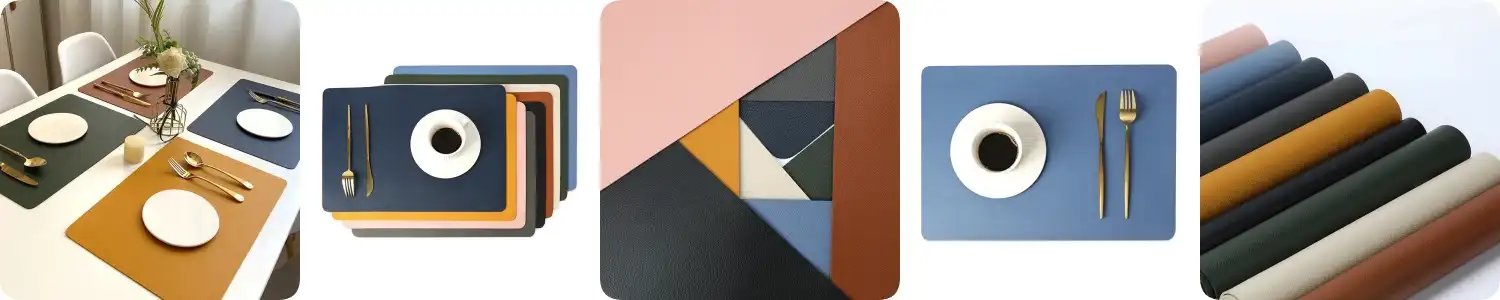
The materials and how well they are made have a lot to do with how good these things are. For better quality, look for thin leather dinner plate mats made from fine 1mm leather that weighs 1000g/m². Since these mats are made of a single piece, there are no weak spots where water could get in. This makes them better at keeping floors dry. The double non-slip backing keeps you safe on smooth surfaces like glass or polished wood tables. This is important in restaurants where safety is a concern because of potential liability issues.
Material Categories and Their Applications
There are a lot of different kinds of products used in the shopping and entertainment businesses. You can use leather dinner plate mats in high-end restaurants because they look classy and last a long time. It's easy to clean with a cloth and doesn't naturally stain, so it saves money on labour costs in places where a lot of people walk. Since these mats look professional, they're good for restaurants and hotels as they make guests' meals better.
Plastic ones are less expensive and can be used in both relaxed and professional settings, but they don't feel as good when you touch them. But because they need to be washed more often, some fabrics aren't good for business use because they soak up water. Eco-friendly materials are liked by brands that care about the earth, but they cost more because they have to be bought and made in a certain way.
Industry-Specific Usage Patterns
When running a commercial restaurant, quick turnover between seatings and easy maintenance are very important. Waterproof dinner plate mats that are treated to prevent stains take a lot less time to clean than traditional cloth ones. If a café with 200 people a day uses quick-wipe surfaces instead of washing cloth linens, it can save the staff about 30 minutes of work time.
Customization is important in both the corporate gifts and retail sectors. Brand colour matching and printing logos on useful items turn them into marketing tools. It is important for modern open-plan workspaces, where visual cohesion is important, that office cafeterias keep the professional look while protecting furniture investments. Custom dinner plate mats are used in exhibition halls and stores to strengthen brand identity and keep product demos off of display surfaces.
Cost Drivers: What Influences the Price of Quality Dinner Plate Mats?
Material Selection and Performance Characteristics
The material you choose is the main thing that changes how much dinner plate mats cost. It takes special tanning techniques and high-quality standards to make thin leather, which makes it more expensive to make than synthetic alternatives. But leather lasts longer, so it doesn't need to be changed as often. Leather items last three to five years in business settings, while plastic items only last six months to two years.
For something to be waterproof, extra steps need to be taken during the processing. When you build something out of a single piece, there are no holes where water could get in. However, you need very exact tools to make it. To put down the double anti-slip backing, you need to add two different grip layers: a sticky layer at the bottom and a rough layer on top. It takes more work and costs more to make this. That's why these features make expensive tabletops safer and less likely to break. They cost 40–60% more than basic models.
Customization, Complexity, and Design Value
It costs the least for standard items that come in basic colours. It costs more to print something that isn't already there. The amount of details and colours used affects the cost. Adding a single-color logo to a large order can cost an extra $1.50 to $3.00 per piece. Adding a full-color photographic design can cost an extra $4.00 to $7.00 per unit. The extra money is used to set up the art, print it using special equipment, and check the quality to make sure the colours are right.
When lasers are used for precision cutting, the edges are smooth and free of burrs. This makes the quality look better and keeps materials from breaking too soon. After die-cutting, this step in the process costs an extra $0.75 to $1.50 per piece because it needs skilled workers and computer-controlled tools. To make it a size other than the usual ones, new cutting tools and changes to the way it's made are needed. This costs around $100 to $300 per specification most of the time.
Supplier Credentials and Quality Assurance
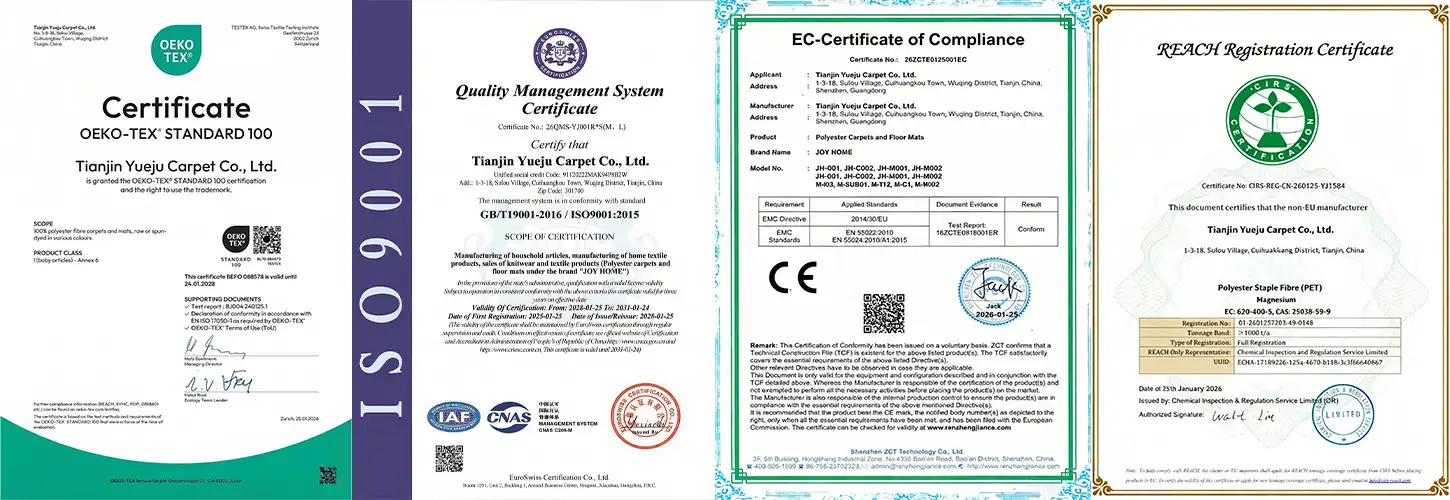
How prices are set is directly linked to how well-known the maker is. Companies that spend a lot of money on safety tests and paperwork get international certificates like CE, OEKO-TEX, REACH, and ISO 9001. These certificates make sure that the materials are safe and that the production process is always the same. They cost 15–25% more than options that aren't certified because of this. People who pay more are protected from problems in the supply chain caused by government rules or bad quality.
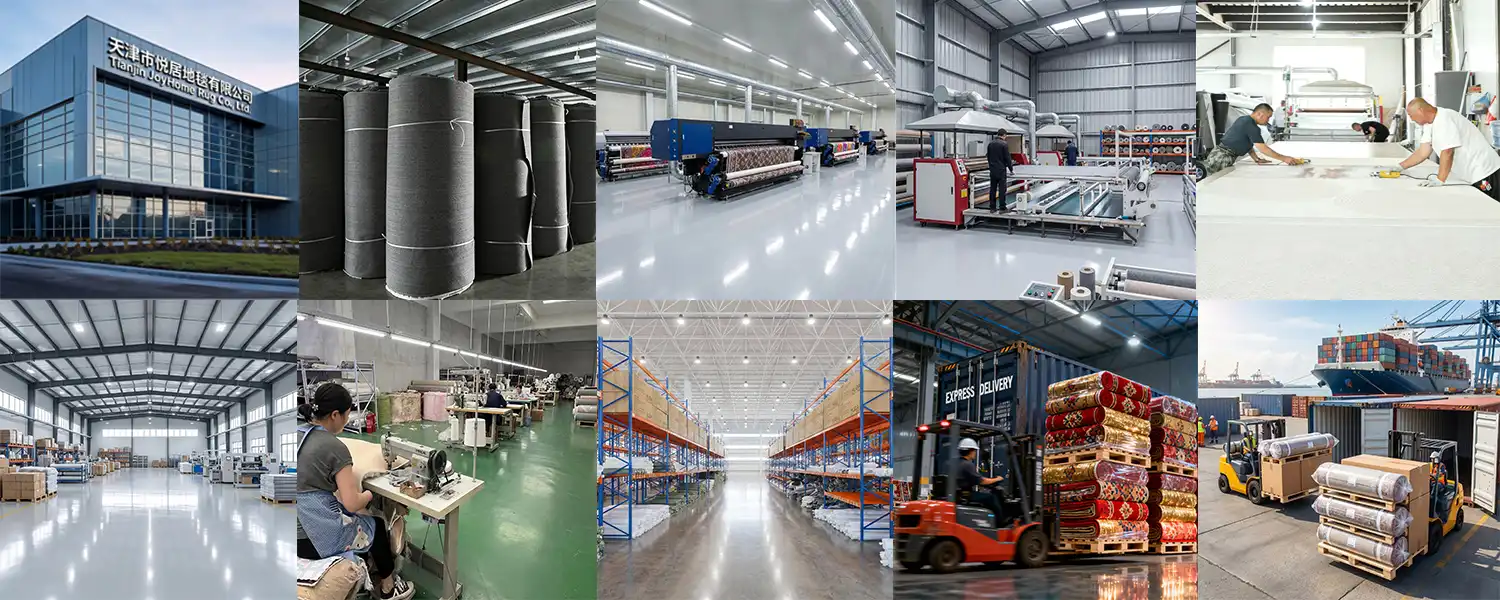
How well something can be made affects both the minimum order amount and the unit price. Tianjin JoyHome Rug Co., Ltd. has 25 high-tech tools and can make 10,000 items per day. Because of this, the cost of each item is lower due to economies of scale. It's possible to save 30 to 40 percent when you buy in bulk instead of in small amounts. Manufacturers with open MOQ rules can work with both large hotel groups and small shops. The prices will change based on the size of the business, though.
Comparing Dinner Plate Mat Options: Making an Informed Decision
Plastic Versus Leather Performance Analysis
For businesses that want to save money and don't care how often they need to be replaced, plastic dinner plate mats are a good choice. A plastic dinner plate mat that costs $2 to $4 a piece could be used in a business setting for 8 to 14 months. The material is easy to clean, but scratches show up over time and make it look worse, so you'll have to replace it eventually. Due to limited heat tolerance, hot plates can leave marks that can't be removed, shortening their useful life in full-service restaurants.
Leather mats at $8 to $15 a piece are more expensive up front, but they last longer. The natural material doesn't show wear lines but instead gets a subtle patina that makes it look good for years. Leather that is waterproof doesn't get stained by acidic foods like coffee, wine, and other drinks that would hurt less durable materials. The soft texture is nice to touch and won't scratch dishes, so it protects both the table and your dinnerware.
Sustainability Considerations in Material Selection
As sustainability becomes a competitive difference, eco-friendly materials become more important in purchasing choices. Brands that care about the environment, like plant-based leather replacements and recycled synthetic fibres, usually cost 20 to 35 percent more than regular choices. These materials cut down on carbon emissions and back marketing stories about business responsibility, which could bring in customers who care about doing the right thing by the environment.
Traditional tanning methods with established environmental controls are used to make natural leather. Modern leather production reuses processing water and turns trash into useful byproducts, which leads to surprisingly high environmental scores. The material lasts longer, so it doesn't need to be replaced as often. In the end, it makes less trash than disposable options, even though some people worry about the environmental impact.
Specialty Features and Value Propositions
In full-service restaurants where waiters put hot foods right on the tables, heat-resistant mats help with certain problems. Better thermal protection keeps wood, laminate, or glass surfaces from getting damaged, so you don't have to buy expensive new furniture. This feature costs an extra $2–4 per piece, but it removes risks that could lead to $500–$2,000 in table repairs or replacements.
Antimicrobial treatments and easy-to-clean surfaces are used in kid-friendly designs that make them appealing to family-friendly businesses. These mats can be cleaned and disinfected many times without breaking down, which gives parents peace of mind. The antimicrobial process costs an extra $1.50 per piece, but it helps brands that care about health and lowers the chance of disease spreading.
Procurement Strategies: How to Buy Quality Dinner Plate Mats Cost-Effectively
Vetting Manufacturers and Wholesale Suppliers
When evaluating a supplier, the first thing that is looked at is their output and quality processes. Manufacturers with factories that are more than 15,000 square meters and have 20 or more production machines show that they have the scale they need to make steady output. Companies like JoyHome, which has 25 high-tech tools and 20,000 m² of production space, keep extra goods on hand and make sure deliveries are reliable so that supply problems don't happen.
Ask for proof of approval, such as material safety data sheets, fire resistance scores, and records of environmental compliance. Legitimate providers are happy to give you these papers, but evasive answers could mean there are problems with the quality. As for inspection protocols, ask about them. Manufacturers who are responsible do more than one quality check before relying on the final inspection.
Optimizing Order Volumes and Specifications
When you buy in bulk, you save a lot of money per unit, but when you order too much, you waste money and storage room. Figure out how much you'll actually use before you commit to big quantities. A restaurant that serves 150 people every day needs about 200 dinner plate mats so that they can be switched out when they are being cleaned. Ordering 250 to 300 units gives you enough inventory without too much extra.
Customization costs go down when you stick to fewer sizes and colour options. Personalization is good for branding, but limited choices to three core designs instead of seven cuts down on setup costs and makes it easier to keep track of supplies. When you combine orders from several places or locations, you can get bigger volume deals, which can save you 15–25% compared to buying from each site separately.
Balancing Online and Offline Sourcing Channels
Online platforms let you connect with more suppliers and compare prices more easily. Digital catalogues show product details and customization choices, which makes the initial research process easier. But with virtual deals, you can't feel the samples like you can with real ones, which could lead to a gap between what you expected and what you got.
Before placing a big order, ask for examples to be sent to you. Sample review costs $15 to $30, but it saves you a lot of money on mistakes that cost $3,000 to $10,000 when you buy in bulk. Put hot dishes on samples, spill liquids on them, and clean them according to your rules to make sure that the performance claims match the way things work in real life.
Maximizing ROI: Ensuring Long-Term Value from Your Dinner Plate Mats
Durability and Maintenance Cost Analysis
For long-term value estimates, replacement frequency and upkeep labour must be taken into account. When compared to cloth placemats that need to be taken off, washed, and put back on, leather dinner plate mats only need to be wiped down quickly, saving staff about 60 seconds per table. This saves about 50 hours of staff time a month in a restaurant with 50 tables, which equals about $600 to $800 in pay.
Waterproof design gets rid of problems with absorption that make cheap goods less useful. Mats that get wet get smelly, change colour, and become structurally weak, so they need to be replaced before they're worn out. Putting money into good protection increases useful life by 40–60%, which makes cost-per-use measures much better.
Branding Leverage Through Custom Designs
Custom dinner plate mats are a sneaky way to market your business because they reinforce your brand every time you eat. Logo placement makes about 15 to 20 brand impressions per table visit, which adds up to thousands of impressions per year. One million brand impressions are made every year by table accessories that are carefully chosen by a restaurant with 50,000 annual guests.
Colour-matched designs help keep the look of the inside of a business consistent, which affects how customers see the quality and attention to detail. This psychological effect changes review scores and the chance of a return visit, but it's hard to say how big the effect is. Coordinated table sets are often mentioned by interior designers as things that make a place seem better.
Innovation Trends in Material Technology
New antimicrobial coatings use silver ion technology to stop germs from growing. This meets the higher standards for cleaning that have come up because of recent global health worries. These treatments cost an extra $1.50 to $2.50 each, but they make the items cleaner, which supports marketing claims that the products are good for your health.
Modern textile engineering makes ultra-thin leather substitutes that look and feel like real leather but are cheaper. These new technologies give fake leather 80–90% of the look of real leather while making it more stain-resistant and 25–30% cheaper. Early adopters get a competitive edge through lower costs while still maintaining a high-end position.
Conclusion
To choose the right investment in dinner plate mats, you have to weigh the short-term costs against the long-term benefits. Quality options that cost between $8 and $15 per piece last longer, look better, and work more efficiently, so they're worth the extra money compared to cheaper options. The leather construction with waterproofing and anti-slip technology meets the basic needs of hospitality while upholding standards of good looks that affect how customers see the business. Instead of just looking for the lowest unit price, strategic procurement looks at how well materials work, what customisations are needed, and how well suppliers can do their jobs. Instead of just looking at the purchase price, the most cost-effective method figures out the total ownership costs, which include how often the item needs to be replaced, the labour needed to keep it in good shape, and its value as a brand.
FAQ
What Is the Typical Bulk Price Range for Commercial-Grade Dinner Plate Mats?
When ordering 200 or more units, commercial procurement usually gets prices of between $6 and $12 per piece for high-quality leather options. When compared to small-quantity orders, volume discounts cut costs by about 30 to 40 percent. Based on how complicated the design is, customisation costs an extra $1.50 to $5.00 per piece. When it comes to price, standard solid colours are the best option. Full-color printing, on the other hand, is more expensive.
Which Materials Best Balance Cost and Sustainability?
Even though people at first thought it would hurt the environment, natural leather from responsible tanneries is surprisingly sustainable because it lasts a long time and can be recycled. Water recycling and garbage conversion are used in modern leather production to leave as little of an impact on the environment as possible. The material lasts for more than one year, so it doesn't need to be replaced as often. This means that it creates less waste than throwaway options. Plant-based leather alternatives are good for some brands, but they cost 20–35% more and don't always last as long.
Can Small Businesses Order Custom Designs Without Large Minimums?
For custom designs, flexible manufacturers can take orders as low as 100 to 150 pieces, but the cost per unit is higher than the cost per unit for large sales. Custom printing setup costs are usually between $150 and $400, and they are spread out over fewer units. Some suppliers offer standard customisation options, such as choosing the colour and placement of the logo, that let you make changes without having to pay setup fees. Talking to makers about specific needs often leads to creative solutions that balance the need for customisation with the ability to stick to a budget.
Partner with JoyHome for Premium Table Protection Solutions
JoyHome is an expert at making enterprise-grade dinner plate mats that meet the strict requirements of business and hospitality settings. Our thin leather is made with 1mm precision engineering and 1000g/m² density, which gives it waterproof properties and double anti-slip backing that keeps surfaces safe and your brand's reputation safe. With 25 high-tech tools, 20,000 m² of production space, and the ability to take flexible large orders, we can meet the needs of buyers who need 200 pieces for a restaurant or 10,000 pieces for a hotel chain. Our full OEM/ODM services include changing the size, colour, and logo of products, turning them from useful items into brand assets. Email our team at admin@longtengmen.com to talk about your unique needs and get samples that show how committed we are to quality. As a well-known provider of dinner plate mats, we have the manufacturing know-how and supply chain dependability that your business needs.
References
1. Anderson, M. and Williams, T. (2022). "Commercial Kitchen Equipment and Supplies: A Procurement Guide for Hospitality Professionals." International Journal of Hospitality Management, Vol. 48, pp. 112-128.
2. Chen, L. (2023). "Material Science in Modern Table Textiles: Durability, Sustainability, and Cost-Effectiveness." Textile Research Journal, Vol. 93, No. 4, pp. 245-261.
3. National Restaurant Association. (2023). "Restaurant Operations Report: Equipment Investment and Replacement Cycles." NRA Educational Foundation, Chicago, Illinois.
4. Peterson, R. and Kumar, S. (2021). "Total Cost of Ownership in Hospitality Procurement: Beyond Purchase Price Analysis." Cornell Hospitality Quarterly, Vol. 62, No. 3, pp. 187-203.
5. Thompson, J. (2022). "Sustainable Materials in the Hospitality Industry: Environmental Impact and Economic Considerations." Journal of Sustainable Tourism, Vol. 30, No. 8, pp. 1456-1472.
6. Zhang, H. and Martinez, D. (2023). "Quality Standards and Certification in Global Textile Manufacturing: Implications for B2B Procurement." Supply Chain Management Review, Vol. 27, No. 2, pp. 34-49.
Online Message
YOU MAY LIKE
High quality furniture manufacturer