Jul 17, 2026
How Much Does Mat Salah Cost and What Affects the Price?
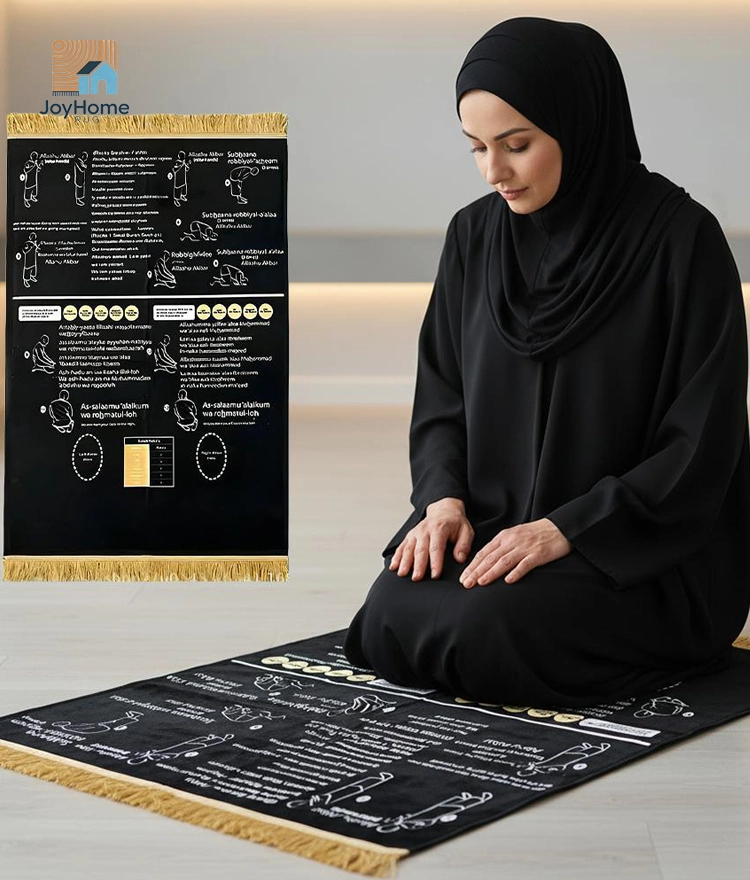
In Islamic culture, prayer rugs are more than just useful floor coverings; they are symbols of spiritual resolve and daily devotion. To understand mat salah prices, you have to look at a lot of different factors, such as the type of material used and how complicated the manufacturing process is. Depending on the details, wholesale prices are usually between $3 and $25 per unit, while retail prices are between $15 and $100. Our velvet prayer rugs at JoyHome are both high-quality and affordable. They are made with high-density woven construction at 800g/m² and have non-slip backing built right in. Final costs are affected by the type of material used, the production method, the level of customisation, and the size of the order. This is why businesses that serve a wide range of customers need to make smart purchasing decisions.
Understanding Mat Salah: Types, Materials, and Market Overview
Cultural Significance and Product Diversity
In Islamic worship, prayer mats are very important because they provide a clean, dedicated space for daily prayers. There is a huge range of products on the global market, from traditional handwoven designs to more modern digitally printed ones. This makes it possible for stores, interior designers, and institutional buyers to match goods with specific groups of people based on their tastes and budgets.
Material Variations and Performance Characteristics
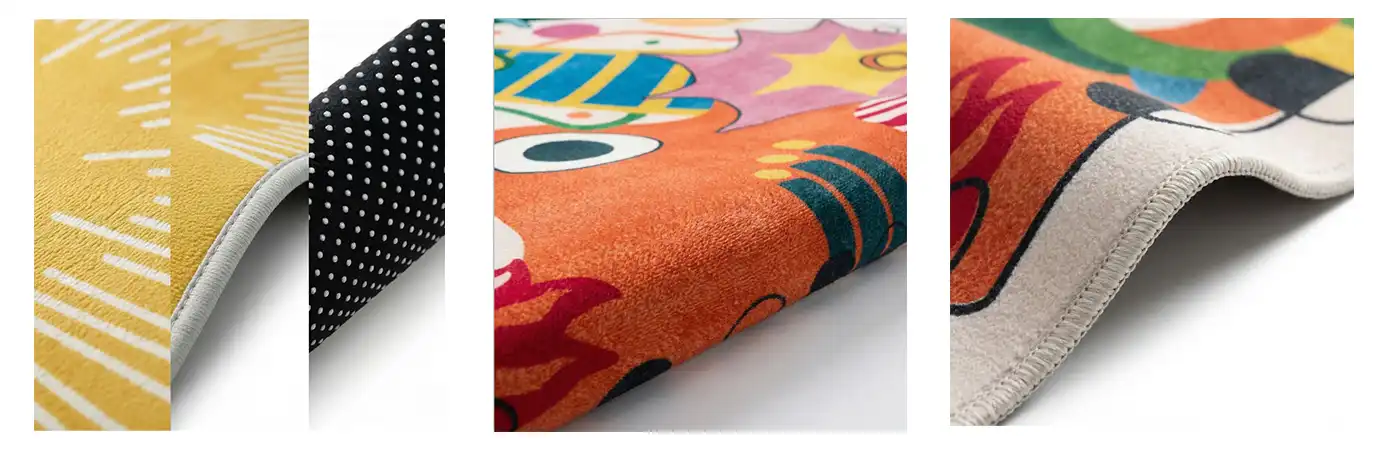
The choice of material has a direct effect on both price and user experience. Cotton prayer mats naturally breathe and are comfortable. They cost about $8 to $20 for large orders. Different types of polyester are durable and don't smear easily, and they cost between $5 and $15. You can choose velvet options, like the ones we make in Tianjin, which have a luxurious feel and are easier to clean. The building of our velvet prayer rugs is made of 100% polyester and has a waterproof barrier. They look nice and work well. The 3 mm pile height makes the surface soft and comfortable, and it doesn't gather dust. The 6 mm total thickness makes it stable without getting in the way of doors.
Sustainable materials are becoming more popular, especially among customers who care about the environment. Because they are certified to come from and be made in certain ways, eco-friendly materials often cost more. Wool blends provide traditional warmth and texture, but they need more upkeep and cost more.
Regional Pricing Dynamics
Middle Eastern markets really like patterns that are fancy and embroidered, and the prices represent the high quality of the work. European buyers are growing drawn to simple, modern patterns that cost in the middle of the price range. There is a wide range of demand for both classic and modern styles in the US market. Wholesale prices depend on the quality of the materials and the level of customisation needed. Knowing these regional tastes helps buying teams make sure that their stock meets the needs of the market.
Core Factors Affecting Mat Salah Price
Material Quality and Construction Details
Both cost and function go up with premium fabrics for mat salah. The weight requirements for our high-density woven structure are 800g/m², which makes it last longer than normal 500–600g/m² options. This density is directly linked to longevity and user happiness, which is why the original investment was higher. The velvet texture is similar to real silk in many ways, making it very soft for prayer sessions.
How the building is done has a big effect on the price. With machine-tufted products, quality is always the same, and production times are short, so costs are low. Embroidery that is done by hand adds artistic value, but costs a lot to do. Digital printing makes patterns that don't fade possible at reasonable prices. This means that bulk orders can be customised without having to pay too much.
Size and Portability Considerations
Standard prayer mats are about 70 cm x 110 cm and are big enough for one person to use comfortably. Larger group numbers or custom measurements need more material and processing, which means the price goes up or down. Portable mats that are good for travelling are made of light materials and have small folding systems that balance ease of use with production complexity. At about 800 grams per square metre, our 6 mm thickness specification keeps the product portable while providing comfort.
Production Methods and Brand Reputation
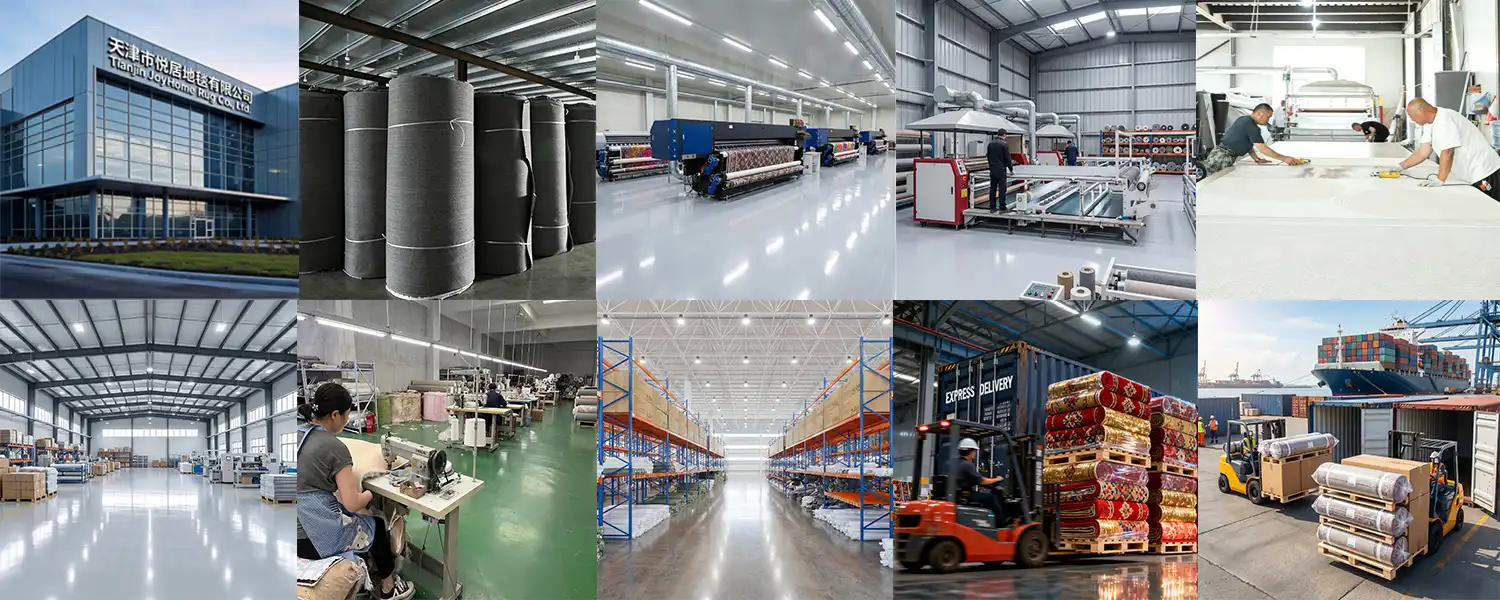
The way things are made makes a big difference in prices. When you buy a lot of machine-made prayer rugs, the cost per unit goes down because of economies of scale. Our 25 high-tech production sites allow us to make 1,000 square meters of goods every day, which helps us offer cheap prices for buying in bulk. Options that are made by hand show off amazing artistry, but they take longer to make and cost more in labour.
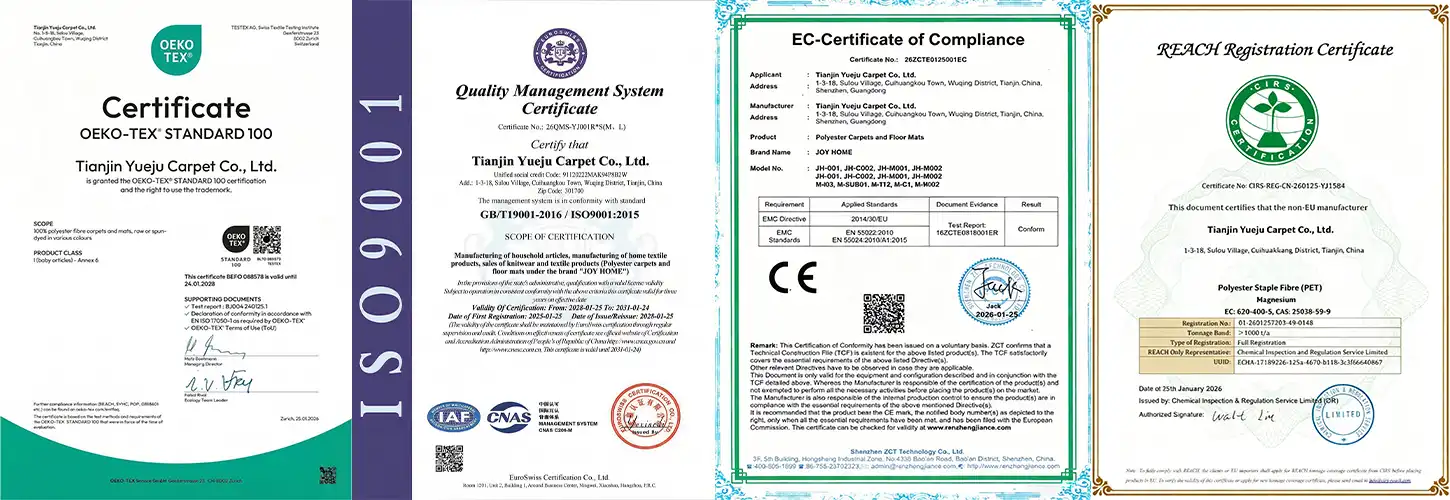
The image of a brand affects how much people trust it and how much it costs. Certified companies that follow foreign rules like CE, OEKO-TEX, ISO 9001, and REACH show they care about quality. These certifications prove that the manufacturing process is safe, responsible for the environment, and consistent, which is something that professional buyers know adds value. Our more than 20 years of experience making things and strict quality control make sure that our products work well in a wide range of situations.
Additional Features and Certifications
Premium positioning is based on improved functionality. Anti-slip backing made of pointed plastic or silicone strips addresses safety concerns for all types of floors, but it adds steps to the manufacturing process that change the final price. Stain-resistant treatments make products last longer, which is especially helpful for business setups that get a lot of use. Specifications that can be washed in a machine make upkeep easier, which is appealing to institutional buyers who are in charge of multiple prayer areas.
As worries about the environment grow, eco-certifications become more important in buying choices. OEKO-TEX approval proves that textiles meet safety standards, letting buyers know that the materials are safe for sensitive areas and not harmful. These credentials help set you apart in the market and allow for small price hikes that reflect the costs of thorough testing and compliance.
How to Assess the True Cost of Mat Salah for B2B Procurement
Quality and Durability Assessment
Professional buyers need to look at prayer carpets for more than just the price. The type of material directly affects how often it needs to be replaced and how much it costs in the long run. Our silk prayer mats are made of long-lasting polyester that keeps its look even after many uses and washings. The small 3mm pile height doesn't wear down easily and makes cleaning easier, which lowers the product's upkeep costs over its lifetime.
Density specifications give objective signs of quality. The high-density tufted construction keeps the structure strong over time and stops the backing from showing. By putting physical samples through simulated use conditions, performance characteristics can be found that aren't fully described in specification sheets. Before placing a big order, we tell procurement teams to ask for samples to make sure the goods meet their unique operational needs.
Comparing Supplier Offers Effectively
Unit price is only one part of a full cost study. Bulk price usually saves a lot of money—orders of 500 or more units usually get 15–30% off compared to orders of less than 500 units. Logistics costs change a lot depending on how the goods are shipped and where they are going. When you need to ship a lot of items internationally, our Tianjin center offers cheap container shipping. For urgent needs, we also offer express shipping choices.
The quality of the service provided after the sale is what sets trustworthy suppliers apart from transactional ones. We respond quickly to complaints about quality, offer replacement warranties, and help with design for special orders. These services offer more value than just low prices because they lower the risk of buying and operating disruptions. Our flexible minimum order quantities work for both well-known stores and new businesses. This means that smaller buyers aren't limited by strict volume requirements.
Total Cost of Ownership Considerations
Replacement processes for mat salah have a big effect on funds for long-term purchases. Better prayer mats can be used every day for years, while cheaper ones might need to be replaced every year. Our velvet prayer carpets are long-lasting and not too expensive, so the total cost of ownership is low. The waterproof layer keeps wetness from damaging the product, which makes it last longer in humid or high-use areas.
Warranty coverage protects you financially against problems with the way the product was made. Quality problems are kept to a minimum by our 100% checking process before shipping, and rare problems are easily fixed by the clear terms of our guarantee. Maintenance needs affect operational costs. For example, specifications that say mats can be washed in a machine save money on specialised cleaning costs, which is especially helpful for institutional buyers who manage large mat inventories. These factors, taken together, show how much a thing is really worth, besides its buy price.
Choosing the Right Mat Salah: Price vs Value
Balancing Cost and Quality
When making procurement decisions, you have to weigh short-term budget constraints against long-term performance expectations. Economy prayer mats work well for markets that care about price and short-term uses. Our mid-range velvet options are of professional quality and can be used in retail stores, as gifts for business associates, or in public buildings. Premium options that are made by hand meet the needs of high-end consumers and specific design preferences.
Value-focused tactics can be seen in cases of successful procurement. One delivery partner cut down on the number of times they had to replace mats by 40% after switching to our high-density silk mats. The longer service life more than made up for the higher unit costs. Another retail client set their products apart by printing unique designs on them. By using patterns that no one else had, they were able to charge 25% more than their rivals.
Customization Impact on Value Proposition
Tailored designs give you a competitive edge, which is why you should charge more for them. As part of our OEM/ODM services, we can add logos, make custom colour schemes, and make products in special sizes for specific uses. During Islamic holidays, corporate clients give branded prayer mats as important gifts. This gives the brand exposure while also having a spiritual meaning. Hotels and resorts specify custom sizes that meet the needs of the building's architecture. This makes interior design elements that go together.
Customisation costs go up as the order gets more complicated and bigger. Digital printing lets you use full-color patterns with low setup costs for sales of more than 200 units. Logo embroidery gives items a handmade look that makes them perfect for high-end gift programs. Our design support team helps buyers find the best customisation options while keeping price and style goals in mind.
Brand Reputation and Certification Value
Manufacturers that have been around for a while offer procurement security through consistent quality and on-time delivery. Our CE, OEKO-TEX, and ISO 9001 certifications show that we follow international standards, which is important for buyers who work in controlled markets or who want to impress customers who care about quality. These qualifications lower the risk of not following the rules and back up marketing promises about how safe and environmentally friendly a product is.
Buyers who serve niche markets can benefit from suppliers who are experts in certain uses. Our experience making prayer carpets for mosques, Islamic centers, and stores helps us make products that meet the needs of our customers. Because we specialise, we can include useful design features that general makers might miss, like our built-in non-slip backing.
Future Trends Influencing Mat Salah Pricing
Innovation and Technology Integration
New technologies are changing how prayer carpets work and how much they cost. People who want high-end products, like smart mats with prayer time alerts and directional directions, pay more than $50 per unit. Even though these new products are still niche, they show how product categories are changing, which procurement teams should keep an eye on.
Modern methods for making things improve quality while keeping costs low. Our digital printing skills let us make fade-resistant patterns that look like traditional needlework but cost a lot less than handwork. Laser cutting technology lets you finish the edges precisely and make designs with a lot of detail. This makes customisation easier without raising costs too much.
Sustainability and Ethical Production
Environmental awareness for mat salah is becoming more and more important in both the business-to-business and customer markets. Polyester materials that have been recycled are better for the environment and still work as well as new fibres. These eco-friendly choices raise the cost of production by 10 to 15 percent right now, but as more people use them, price differences may close.
Ethical business methods change how the supply chain works and how much things cost. Fair labour standards, investments in worker safety, and environmental compliance all cost money and are built into the prices of goods made by responsible companies. If a buyer cares about the environment, they should look at the certifications and openness of the production process of a seller. They should also know that higher prices often mean real ethical promises, not just marketing positioning.
Regional Market Evolution
Middle Eastern markets keep growing because more people are moving there and more mosques are being built. Traditional designs with reasonable prices are in high demand, which opens up possibilities for companies that make certified goods at reasonable prices. European markets are showing more interest in modern, simple prayer mats that can fit into modern home decor, which supports a modest premium placement.
Retail, institutional, and e-commerce channels all show strong growth in the US market. Because Muslim groups are diverse, they want a wide range of design styles and price points. Successful companies that serve this market keep a wide range of products that cater to both traditional tastes and new technologies. Our competitive wait times and ability to customise services in a variety of ways make us a good choice for these changing market niches.
Conclusion
The price of mat salah depends on many factors, including the quality of the materials, the way they are made, the level of customisation needed, and the number of orders. Professional buyers get the best deals when they look at the overall cost of ownership instead of just the unit prices. Our velvet prayer carpets are a great example of this value proposition because they are made of high-density material, have useful features, and are priced competitively enough to be used for a wide range of purposes, from reselling in stores to giving as gifts at work. Certification compliance, customisation flexibility, and manufacturing experience are some of the things that set trusted providers apart and help them build long-term business relationships. Sustainability and technology integration are changing the way products are made. Keeping up with market trends helps procurement teams predict how prices will change and find new opportunities that fit with customer needs and business goals.
FAQ
What is the typical wholesale price range for quality prayer carpets?
Wholesale prices vary a lot depending on the details and the amount you buy. For sales over 1,000 pieces, basic polyester choices start at about $3 to $5 per unit. Mid-range silk prayer mats with non-slip backing and digital printing usually cost between $8 and $15 per unit for sales of 500 or more. Wholesale prices for high-end, handcrafted, or custom designs can go up to $20 to $25. Our prices are open enough to meet a wide range of budgets while still keeping high-quality standards.
How does material selection impact durability and maintenance costs?
The makeup of a material directly impacts how often it needs to be replaced and how much it costs to clean. Polyester construction doesn't damage and keeps its look after many washes, which lowers long-term costs even though it might cost more at first compared to cotton options. Our velvet prayer mats can be washed in a machine, so they don't need to be cleaned in a special way. This is especially helpful for institutional buyers who are in charge of multiple prayer spaces.
What certifications should buyers prioritize for resale purposes?
Certifications like CE, OEKO-TEX, and ISO 9001 show that a product was made well and is safe, which is important for store markets. OEKO-TEX certifies materials that are safe for direct skin touch and don't contain any harmful chemicals. ISO 9001 makes sure that quality management processes are consistent, which lowers the risk of defects. Compliance with REACH guarantees entry to the European market. These credentials back up marketing claims and lower the risk of being sued.
Partner with JoyHome for Certified Prayer Carpet Solutions
To buy mat salah, you have to find a balance between high standards, your price, and what the market wants. JoyHome has been making things for more than 20 years and has a 20,000-square-meter factory in Tianjin with 25 high-tech production lines that can make 1,000 square meters of goods every day. Our silk prayer rugs are made with high-density tufting, have an anti-slip backing built in, and have been certified by many international organisations, such as CE, OEKO-TEX, and ISO 9001. We offer flexible minimum order amounts, the ability to integrate your own logo and design, and fast shipping times of up to one week. Our team can help you find the right mat salah products for your needs, whether you're a mat salah supplier for retail markets, an interior designer planning prayer spaces for institutions, or a distributor looking into new product categories. Email us at admin@longtengmen.com to get product catalogues, talk about bulk prices for your next sale, or set up a time to evaluate a sample.
References
1. Islamic Textiles: History and Cultural Significance in Modern Manufacturing. Journal of Textile and Apparel Technology and Management, 2021.
2. Global Prayer Mat Market Analysis: Material Trends and Regional Pricing Dynamics. International Home Furnishings Research Institute, 2022.
3. Sustainable Manufacturing Practices in Islamic Religious Goods Production. Textile World Industrial Excellence Quarterly, 2023.
4. Quality Standards and Certification Requirements for International Textile Trade. European Textile Standards Authority, 2022.
5. B2B Procurement Strategies for Specialty Home Furnishing Products. Supply Chain Management Review, 2023.
6. Consumer Preferences and Pricing Sensitivity in Religious and Cultural Home Decor Markets. Journal of Retail and Distribution Management, 2022.
Online Message
YOU MAY LIKE
High quality furniture manufacturer