Oct 20, 2026
Is a Fluffy Rug Nursery Essential for Comfort?
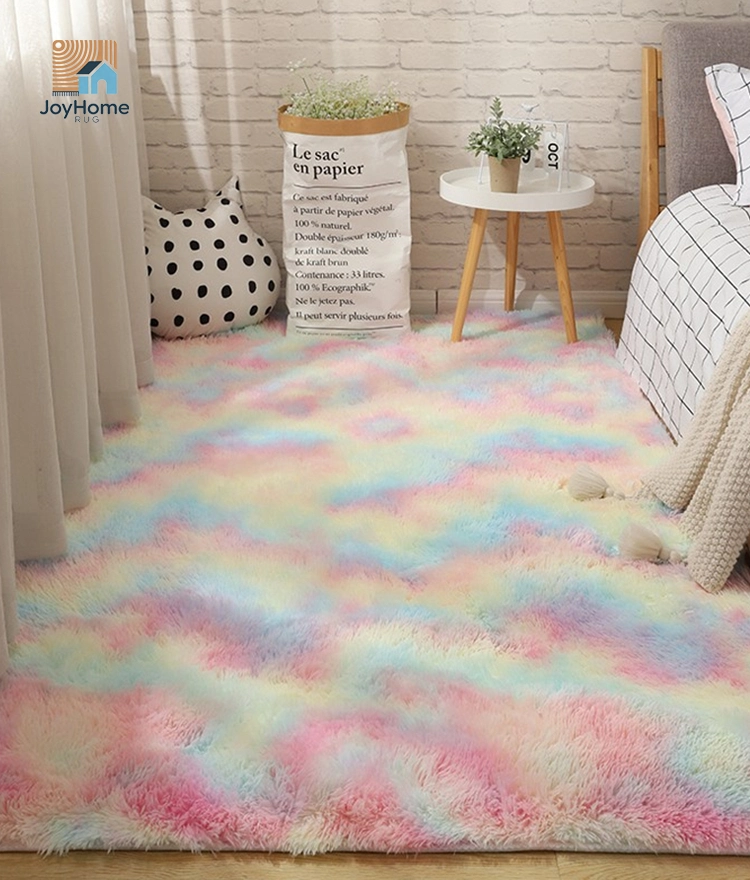
A fluffy rug nursery setup does more than look appealing — it creates a physically safe and sensory-rich environment where infants spend hours crawling, rolling, and exploring. Research in early childhood development consistently links soft floor surfaces to reduced injury risk and improved tactile stimulation. From my experience sourcing nursery textiles for commercial clients, a well-chosen plush nursery rug addresses warmth, hygiene, and aesthetic requirements simultaneously. The short answer is yes — a fluffy rug for nursery spaces is a practical investment, not a luxury, when it meets certified safety and material standards.


Understanding Fluffy Rugs in Nurseries: Benefits and Safety Considerations
Plush floor coverings are good for baby rooms because they add extra comfort, but business buyers need to compare the benefits to safety standards that can be checked.
Comfort and Sensory Development
A high-density pile nursery area rug helps with tummy time, learning to crawl, and developing motor skills. Studies in the journal Early Child Development and Care show that babies younger than 12 months can benefit from rough floor surfaces that help them feel their bodies. A 10 mm thick plush rug offers physical support that hard floors can't match, lowering the impact of falls that happen often.
Safety Certifications That Matter
Chemical safety is a must when buying things for a business garden. Heavy metals like lead, cadmium, and barium are checked for using ASTM F963 and EN71-3 screens. Colorfastness to drool (ISO 105-E04) makes sure that dyes don't move when babies put nearby things in their mouths. Flammability compliance under 16 CFR 1630 demands action that puts out fires on its own. With OEKO-TEX approval, you can be sure that there are no harmful chemicals in any part of the production process.

Strategic Placement and Slip Resistance
If you put a soft nursery rug on hard floors, the back of the rug needs to be non-slip so that kids can't move around while they play. It has been shown that TPR and silicone strip backings work better on floors and tile. Tuft bind strength tests (ASTM D1335) prove pile anchorage, which keeps fibers from coming apart, which is very dangerous for babies because they could choke on them. When placed correctly, away from entryways, there won't be any problems with door opening.
Comparing Fluffy Rugs with Other Nursery Rug Options
Procurement managers can better match products to the needs and budgets of end users when they understand the material trade-offs.
Fluffy vs. Cotton Nursery Rugs
Cotton flat-weave rugs are light and easy to clean, but they don't provide much comfort. A soft, fluffy rug nursery with a fake cashmere surface and a weight of 1000g/m² has about 40% more padding than a normal cotton rug. The comfort gap is big in nurseries where babies spend a lot of time on the floor. Cotton is still useful in areas with little foot traffic or that are in transition.
Wool and Synthetic Material Comparisons
Wool rugs naturally keep your feet cool and don't bother people with allergies, but because they are more expensive and need special cleaning, buying them in bulk isn't always possible. Synthetic faux cashmere materials, on the other hand, feel soft like real wool but can be washed in a machine, don't stain easily, and offer consistent batch quality. These are all benefits that are very important when ordering in bulk for retail chains or hospitality nurseries.

Cost-Effectiveness for OEM and Distributor Buyers
Most of the time, synthetic high-density tufted nursery rugs are the best value for money for B2B portfolios. Because OEM/ODM personalization is possible for colors, shapes, and printed designs, they can be used for product lines that are specific to a brand. When compared to natural fiber alternatives, distributors who buy for a wide range of retail clients can choose from lower minimum order quantities and faster production cycles.
How to Choose the Best Fluffy Rug for Nursery: A Decision Support Guide
An organized list of technical and business factors should be used by procurement teams to judge nursery rugs.
Material Composition and Pile Specifications
With a 5 mm pile height and a 10 mm total thickness, faux cashmere polyester is just the right amount of soft and stable. The makeup of a material directly affects its ability to get OEKO-TEX approval. Make sure that the fiber doesn't contain any azo dyes or formaldehyde, which are both banned in the US market by CPSIA rules. This list of standards for non-toxic polyester fibers means that they are safe for kids and pets.
Size, Customization, and Design Options
Standard sizes work for most nursery floor plans, but custom sizes can be made to fit odd-shaped rooms or installations with a brand name. Look for suppliers that offer options like solid color, printed, and fully custom design. You can get JoyHome's fake cashmere baby rugs in standard sizes or custom sizes. Within 7–15 business days, OEM/ODM services can help you place your logo or request a unique pattern.
Certifications and Warranty Coverage
Give more weight to sellers who have CE, OEKO-TEX, and REACH certifications and who have recorded 100% pre-shipment inspection processes. Warranty terms and return rules lower the risk of losing money on large sales. If a supplier can turn around a sample within 24 to 48 hours, procurement teams can check the quality before committing to large production runs. This is a practical safety feature that all serious fluffy rug nursery manufacturers should offer as standard.
Maintenance and Cleaning of Fluffy Rugs in Nursery Environments
Keeping things clean is very important in nurseries, and products should be made so they are easy to clean.
Machine Washing Guidelines
The faux cashmere nursery rug from JoyHome is made to be washed in a machine, which is useful for areas with a lot of foot traffic. It is best to use cold water and mild soap on the gentle mode. Bleach breaks down fibers, so stay away from it. Drying in the air is better for keeping the pile height and backing stuck together than drying in a machine at high heat. These easy steps keep things clean and make them last longer.
Stain Resistance and Day-to-Day Care
The stain-resistant treatment on the top of JoyHome's soft nursery rug stops liquids from going through to the fibers. For daily care that keeps the product in great shape, here are the suggestions:
- Blot spills immediately using a clean cloth, working from the edges inward to prevent spreading.
- Vacuum weekly on a low-pile setting to remove dust and dander without pulling at the tufted structure.
- Spot clean with a damp cloth and mild soap for dried residue; the stain-resistant layer makes this process straightforward.
- Roll and store when not in use; the foldable design prevents permanent creasing during transport or between uses.
These practices make products last a lot longer, which is important for retailers and big buyers who need products to work the same way during multiple restocking rounds.
Vendor After-Sales Support
Reliable service after the sale keeps your property safe. All of JoyHome's clients get quick help with design before and after the sale for a fluffy rug nursery. When buying, managers have problems with batch consistency or shipping times; talking directly with the maker speeds up the process of fixing the problem. This full-chain service model helps buyers and distributors of nursery products who handle large lines.
Procurement Considerations: Where and How to Buy Nursery Fluffy Rugs
The quality of the goods and the total cost of ownership depend on which outlet you use to buy them.
Evaluating Supply Channels
Most of the time, buying directly from a maker gives you the most control over quality, price, and customization. The headquarters of Tianjin JoyHome are in Wuqing District, Tianjin. The company runs a 20,000-square-meter factory with 25 production lines and about 100 employees. JoyHome has been making fluffy rugs for nurseries for more than 20 years and ships them in a variety of ways to meet different shipping needs. These include export-standard roll packaging, box packaging, and woven bag choices.
Bulk Order Terms and Lead Times
For business-to-business buyers, the production wait time and the flexibility of the MOQ are the most important factors. JoyHome has a flexible MOQ for large orders and sends samples within 24 to 48 hours. It takes 7–15 days to finish a bulk production run. Every order comes with export-standard packaging and a 100% pre-shipment inspection. This takes away the quality risk for buyers who can't do audits on-site.
Emerging Trends in Nursery Textile Procurement
Eco-friendly materials, waterproof backing systems, and a variety of style options that match brand identities are becoming more popular in the market. JoyHome's fake cashmere carpet meets all three needs: it's OEKO-TEX certified, has a waterproof TPR backing built in, and can be customized in any way you want. If buyers make choices about where to get their goods based on these trends, their lines will be more competitive in the US home decor market.
Conclusion
A good soft fluffy rug nursery can improve comfort, safety, and cleanliness in measured ways if it meets approved material and structure standards. Each standard, such as pile width, non-slip backing, and chemical resistance, affects how well the carpet works in baby rooms. JoyHome's fake cashmere baby rug meets all of these requirements: it's approved, can be customized, and is made to work in both homes and businesses. Buying a certified soft baby rug is a smart choice for procurement teams, interior designers, and stores. This is because it is backed by both research on child development and common sense.
FAQ
What pile height is recommended for a nursery rug?
A pile height of 5mm combined with a total thickness of 10mm offers the ideal balance of softness and stability for infant use. This specification, used in JoyHome's faux cashmere nursery rug, cushions falls while keeping the surface firm enough for safe crawling.
Is a faux cashmere nursery rug safe for newborns?
Yes, when OEKO-TEX certified and free from azo dyes, formaldehyde, and heavy metals. JoyHome's non-toxic polyester fibers meet these benchmarks and have been tested to comply with CPSIA standards applicable to the US market.
Can fluffy nursery rugs be machine washed?
JoyHome's nursery rugs are machine washable. Use a gentle cycle with cold water and mild detergent. This feature makes them practical for high-use environments where hygiene is a priority.
What certifications should a nursery rug carry?
Look for OEKO-TEX Standard 100, CE marking, and REACH compliance at minimum. Flammability compliance (16 CFR 1630) and tuft bind strength testing (ASTM D1335) are also important for nursery-specific applications in the US.
What is the minimum order quantity for JoyHome nursery rugs?
JoyHome is able to accommodate both small test orders and large-scale procurement thanks to its flexible minimum order quantity (MOQ) service for bulk purchases.
Start Your Nursery Rug Order with JoyHome Today
Every time JoyHome works with a fluffy rug baby provider, they bring more than 20 years of experience in manufacturing. Our fake cashmere nursery mats are made from OEKO-TEX-certified materials and have an anti-slip TPR backing. They can also be fully customized by OEMs and ODMs, and they are inspected 100% before they are shipped; the production wait time is 7–15 days. We work to your specs, whether you need normal sizes or a design that is made just for you. To get a sample right away, email us at admin@longtengmen.com or go to yuejuditan.aixdb.cn.
References
1. Goldschmied, E., & Jackson, S. People Under Three: Young Children in Day Care. Routledge, 2004.
2. Bly, L. Motor Skills Acquisition in the First Year. Therapy Skill Builders, 1994.
3. ASTM International. ASTM D1335: Standard Test Method for Tuft Bind of Pile Floor Coverings. ASTM International, 2017.
4. OEKO-TEX Association. OEKO-TEX Standard 100: Testing for Harmful Substances in Textiles. OEKO-TEX, 2023.
5. U.S. Consumer Product Safety Commission. 16 CFR Part 1630: Standard for the Surface Flammability of Carpets and Rugs. CPSC, 2021.
6. Crain, W. Theories of Development: Concepts and Applications. Pearson Education, 2015.
Online Message
YOU MAY LIKE
High quality furniture manufacturer