Jul 16, 2026
Long Jump Runway Mat vs Traditional Track Surfaces: Which Is Better?
Whether you choose a long jump runway mat or a regular track surface depends on your budget, upkeep needs, and performance goals. Modern long jump runway mats are better at absorbing shock, keeping your footing, and standing up to bad weather, all of which are important for keeping athletes safe and improving their performance. Traditional surfaces like sandpits and cinder tracks are familiar to people from the past, but they need a lot of maintenance and can have conditions that are hard to predict. Facilities that want long-lasting mats that require less upkeep and better sports results are increasingly choosing synthetic mats. Traditional mats can still be used in low-use or cost-conscious settings.
Understanding Long Jump Runway Mats and Traditional Track Surfaces
To choose the right floor for a sports facility, you need to know about both new technologies and tried-and-true methods. Long jump training has changed a lot over the years, giving people who make decisions many options for how to best use their money.
Defining Long Jump Runway Mats: Materials and Specifications
A long jump runway mat is a special kind of athletic surface made from high-tech synthetic materials that are meant to protect athletes while also improving their performance. Our runway mats at JoyHome are made with a high-density technological velvet fabric and foam rubber construction, which is similar to how diatomaceous earth absorbs water. This setup quickly removes moisture, which is very important for players who sweat a lot during hard workouts.
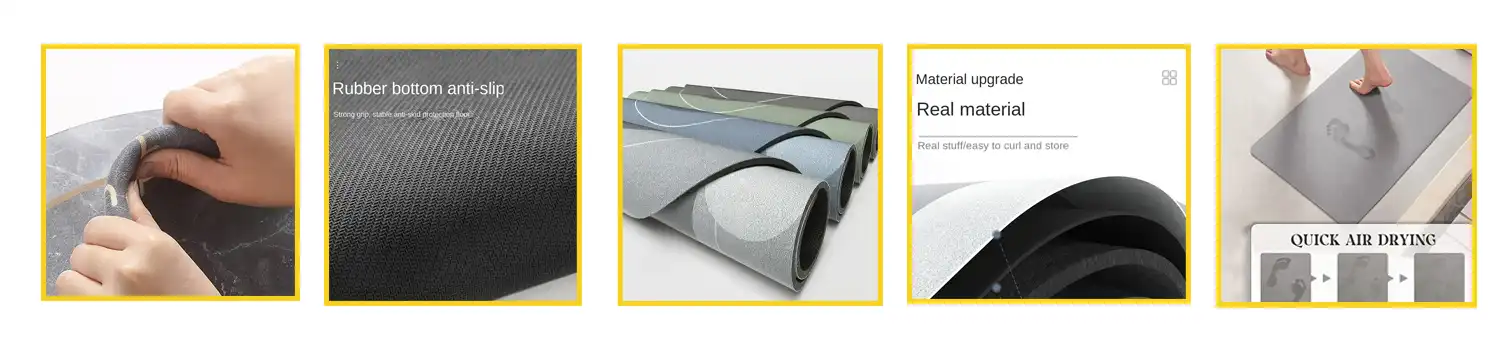
With a thickness profile of 2.5 mm and a weight specification of 1600 g/m², our mats are very heavy and absorb shock well without losing the firmness needed for explosive takeoffs. Textured rubber on the back protects against slips by holding the floor below, and the water-absorbent surface keeps its grip even when it's wet. These mats come flat and are ready to use right away. They don't need to be put together or installed with any special tools.
Traditional Track Surfaces: From Sandpits to Synthetic Options
Traditional athletic grounds have been used in sports places for many years, and each one has its own unique qualities. And sandpits are still popular in entry-level sites because they are cheap to build but hard to keep up. Sand doesn't settle evenly, needs to be raked regularly, and doesn't work the same way in all kinds of weather.
Cinder tracks, which are made of crushed slag or clinker, are another past choice. There was a time when these surfaces worked well enough, but they break down quickly when they get wet and make dust that pollutes the air. As a way to bring things up to date, synthetic track surfaces were made by mixing rubber chunks with binding agents. But these things need to be done by professionals, cost a lot of money up front, and need to be fixed by people who know what they're doing when something goes wrong.
Installation Requirements and Safety Considerations
The difficulty of installation varies a lot depending on the type of surface. Traditional surfaces need a lot of work on the ground, like digging, installing drainage systems, preparing the base layer, and levelling the surface all the time. Usually, these installations take weeks to finish and need specialised contractors, which adds a lot of cost on top of the material costs.
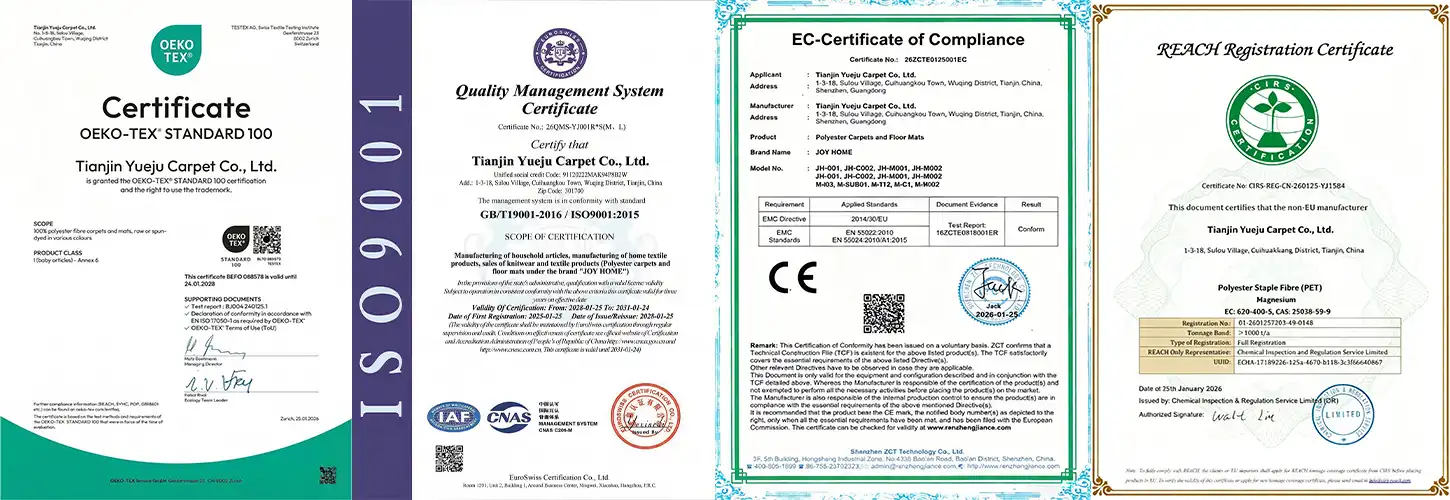
Long jump runway mats make deployment a lot easier. Our sports mats can be rolled out right onto clean, dry floors without making any lasting changes to the way things are set up. This portability lets sites change the layout of rooms so they can be used for more than one sport, making venues more flexible. Safety certifications are very important when buying things. JoyHome keeps its CE, OEKO-TEX, and ISO 9001 certifications up to date to make sure that our goods meet international safety standards for use in sports.
Comparison of Performance and Durability
Facility managers have to make buying choices based on performance measures and calculations of how long something will last. They have to balance the needs of athletes with operational funds. The real cost of ownership becomes clear when you know how different surfaces react to real-world conditions.
Athletic Performance: Speed, Precision, and Injury Prevention
Surface characteristics have a direct effect on how well an athlete does. Modern long jump runway mats are consistently hard, which lets athletes speed up as much as possible during approach runs. The high-density construction keeps the structure strong even after being hit many times, which stops the energy loss that happens with regular surfaces that wear down over time.
Performance on traditional surfaces varies, which is frustrating for both players and trainers. Sandpits get hard spots and soft pockets based on how much water is in them and how often they are used. As the materials break down, cinder lines lose their uniformity, making the ground unstable. This unevenness makes training less effective and raises the risk of injury when athletes change their method to account for the uneven surface.
Injury prevention is probably the most important thing to think about when it comes to performance. Our tech fleece design absorbs impact forces while still letting players move quickly when they need to. The surface is comfortable to walk on barefoot, which means less stress on joints and connective tissues during the thousands of practice rounds needed to get better. Traditional hard surfaces let shocks go straight through athletes' bodies, which can lead to abusive injuries that keep them from competing and raise legal issues for facility owners.
Weather Resilience and Environmental Factors
Environmental durability is what separates high-performance surfaces from surfaces that need a lot of upkeep. Long jump runway mats are great at keeping you dry because they can soak up water and sweat very quickly. The technology, which is based on diatomaceous earth, keeps surfaces dry and safe in minutes instead of hours when the weather changes or players sweat a lot.
Traditional surfaces don't do well in harsh environments. When it rains, sandpits get too wet and need to dry out for a long time before they can be used safely. Heavy rain can wash away cinder materials, which means they need to be replaced, which is an expensive process. Over time, even synthetic standard tracks have draining problems because the binding agents break down, leaving dangerous pools of water. Extreme temperatures have a bigger effect on standard surfaces. Sand and ash become dangerously hard when they freeze, but synthetic tracks soften and release toxic organic substances when they get hot. Good runway mats keep their performance over a wide range of temperatures because they are made of materials that are designed to be stable.
Lifespan Analysis and Long-Term Cost Efficiency
The total cost of ownership is much higher than the price of the car itself. Traditional surfaces need to have their materials regularly replaced, as well as specialised grooming tools and skilled maintenance staff. Every couple of years, you need to refill the sand because the pieces move around and break down. As the materials break down, cinder tracks need to be resurfaced. Over a facility's working lifetime, these ongoing costs add up to a lot.
Long jump runway mats last longer than most other items because they are made to last. Even after thousands of workouts, our high-density materials won't split, peel, or change shape. The shape makes it easy to clean—just rinse and let dry naturally between uses. Because of how easy it is to care for, there is no need for expensive special tools, and fewer workers are needed. Facilities say that good sports mats keep working well for five to ten years, even after being used a lot, with little upkeep needed during that time.
Procurement Considerations: Cost, Installation, and Maintenance
When making a budget, it's important to know about both short-term and long-term costs. Instead of just looking at the initial price, more advanced procurement strategies look at the total costs of ownership.
Upfront Investment and Hidden Costs
Different types of surfaces have very different initial price systems. Traditional installations may seem cheap at first, but they have high costs that you might not know about. To get a site ready, it needs to be dug up, drainage systems installed, and a base layer built. These tasks can add up to three or four times the cost of the materials that were quoted. Professional construction costs more, especially for manmade track surfaces that need to be set up by someone with specific skills.
The prices for long jump runway mats are clear, and there aren't many extra costs. The purchase price covers the whole functional area and doesn't require any lasting changes to the building. Because roll packaging works so well, shipping costs stay low. Installation doesn't need to be done by specialised workers; building staff can put down mats in hours instead of weeks. This ease of use cuts down on the costs of project management and lets sites start using it right away after delivery.
Maintenance Best Practices and Resource Requirements
A big chunk of the lifetime costs goes toward ongoing upkeep. Traditional surfaces need constant care. For example, sand needs to be raked once a week and replaced every so often. Cinder needs to be groomed regularly, and its wetness needs to be managed. Synthetic tracks need special cleaning tools and repainting every so often. These repair needs take time from staff and require buying specialised tools that many sites don't plan for when they first start planning.
Long jump runway mats make maintenance a lot easier. Basic rinsing with standard building equipment is all that's needed for regular cleaning. No special chemicals or tools are needed. Because it dries quickly, surfaces can be used again quickly, which cuts down on building downtime. This saves time on maintenance, so facility staff can spend more time on programming and helping athletes instead of doing small repairs.
Supplier Reliability and Customization Capabilities
Long-term happiness is affected by both product specs and the choice of supplier. Generic providers can't compare to established makers when it comes to consistency, quick customer service, and the ability to make changes. Leading brands of athletic surfaces keep a lot of testing records, certifications, and technical support materials that help people make smart buying decisions.
JoyHome offers a wide range of customisation options to meet the needs of any location. Our OEM/ODM services allow us to add logos, match colours exactly, and change sizes so that surfaces are in line with building measurements and brand rules. Our engineering team works with clients to make sure that specifications are perfect for the uses they are meant for, whether they are setting up school gyms or professional training centers.
Making the Decision: Which Surface Fits Your Needs?
Decision frameworks need to take into account the different goals and practical situations of stakeholders. Schools put safety and budget concerns first, professional facilities focus on getting the best output out of their users, and multi-use spaces need to be flexible. Understanding these different needs helps you choose the right surface.
Evaluating Your Facility Requirements and Budget Constraints
Assessing a facility starts with an honest estimate of how it will be used. High-frequency training areas with daily lessons that last several hours need surfaces that are sturdy and keep working well even after a lot of use. If money is tight, facilities that are only used occasionally for recreational activities might be able to handle options with lower performance. But even people who are careful with their money should figure out the total costs of ownership instead of just looking at the purchase price.
User groups affect what safety standards must be met. For facilities that serve young athletes or beginners, surfaces with better cushioning properties are preferred because they absorb shock better and protect against injuries. Professional training centers are places where experienced players who want to improve their speed and agility can train. Multigenerational buildings need areas that can meet all of these needs.
Pros and Cons: Athletic Mats Versus Traditional Options
Long jump runway mats have many great benefits, such as better shock absorption to protect athletes' health, consistent performance characteristics for reliable training results, low maintenance needs that cut down on costs, weather-resistant materials that make them available no matter the weather, and portability that supports multi-use facility configurations. The technology works as well as it does for professionals and has useful features for everyday tasks.
In some situations, traditional materials are still useful. When modern options are out of the question because of cost, sand works well enough for low-frequency leisure use. Athletes who have trained on natural surfaces will find synthetic tracks more comfortable, but this benefit will fade as younger athletes train mostly on modern surfaces. The main problem is still the high level of maintenance needed and the fact that performance can change when the environment is stressful.
Critical Selection Criteria: Materials, Certifications, and Warranties
The composition of a material determines how well it works and how long it lasts. When you combine high-density technological velvet fabric with foam rubber backing, you get the best balance of cushioning and responsiveness. The non-slip rubber backing with surface patterning ensures support from both the surface of the mat and the floor.
Certification paperwork proves that safety and quality standards are met. The CE mark proves that the product meets European safety standards, the OEKO-TEX mark shows that it doesn't contain any dangerous materials, and ISO 9001 shows that the company manages quality in a structured way. These certificates lower the risk of being sued and make sure that the goods meet international standards for sports facilities.
Future Trends and Innovations in Long Jump Runway Surfaces
As the industry changes, so do the types of sports surfaces that are available. New technologies offer better performance, less damage to the environment, and more efficient operations that will define the next wave of facilities.
Sustainable Materials and Environmental Impact
As more organisations make commitments to sustainability, environmental awareness plays a bigger role in their buying choices for long jump runway mats. In response, manufacturers make surfaces out of recycled materials, cut down on volatile organic compound emissions, and make sure that products can be recycled when they're no longer useful. These new ideas make sure that investments in sports facilities are in line with the overall environmental goals of the company.
Our technology, which is based on diatomaceous earth, goes in this environmentally-friendly direction by using materials that have little effect on the environment while still providing excellent performance. The design makes it possible to wash it in a machine, so strong chemicals aren't needed to clean it. This lowers the facility's environmental impact. As sustainability reporting becomes more common, environmental impact studies are being added to more and more surface selection documents.
Smart Surfaces and Performance Tracking Integration
When technologies are combined, passive surfaces become assets that generate data. New technologies for smart surfaces include monitors that track how they are used, how well they work, and how often they need to be maintained. These features make it possible to plan proactive maintenance that handles wear before it affects performance, which extends the life of the surface and finds the best time to replace it.
Performance tracking integration is especially appealing to high-level training centers where small changes can make a big difference in how well they do in competition. Measurement surfaces that track approach speed, takeoff force, and landing impact give measurable input that helps trainers make changes to their lessons. At the moment, these technologies are only useful for certain tasks. But as more people use them, the prices will go down, making smart surfaces available to more people.
Conclusion
When deciding between long jump runway mats and standard surfaces, you need to think about how well they work, how much upkeep they require, and your budget. Traditional sports mats can't compare to modern ones when it comes to constant performance, better safety features, and ease of use. Modern long jump runway mat solutions are very useful for facilities that care about athlete outcomes, making maintenance easier and saving money in the long run. Traditional surfaces are still useful, but only in low-cost leisure settings where they aren't used very often. The choice to buy something is based on a mix of short-term budget limits, long-term costs, safety concerns, and performance goals that are specific to each facility's needs.
FAQ
What length specifications do competition-standard runway mats require?
For international events, competition rules usually say that long jump runway mats must be at least 40 meters long. However, training sites usually use shorter layouts that are between 15 and 30 meters long. Custom sizing allows the best use of available space by adapting to the size and needs of a particular building.
Can runway mats be installed over existing surfaces without modifications?
Good long jump runway mats work best when put down directly on clean, dry flooring that doesn't need any permanent changes. This installation's adaptability lets it be used for short-term tasks, yearly changes, and the design of multi-sport facilities. The one-piece form with built-in backing means that it doesn't need to be put together.
How do foam rubber materials compare to traditional materials regarding durability?
The high-density technological fabric and foam rubber construction make this product very durable, even when it's hit over and over again. Surfaces made of this material don't split, peel, or deform as other materials do. With the right care, surfaces can keep their performance qualities even after thousands of training events spread out over many years.
What maintenance frequency do athletic runway mats require?
Routine upkeep includes simple things like rinsing and letting things dry in the air. You don't need any special tools or chemicals for this. This simple routine doesn't take as much time from staff as standard surfaces that need to be groomed, materials replaced, and special cleaning methods used on a regular basis.
Transform Your Athletic Facility with JoyHome's Advanced Runway Mat Solutions
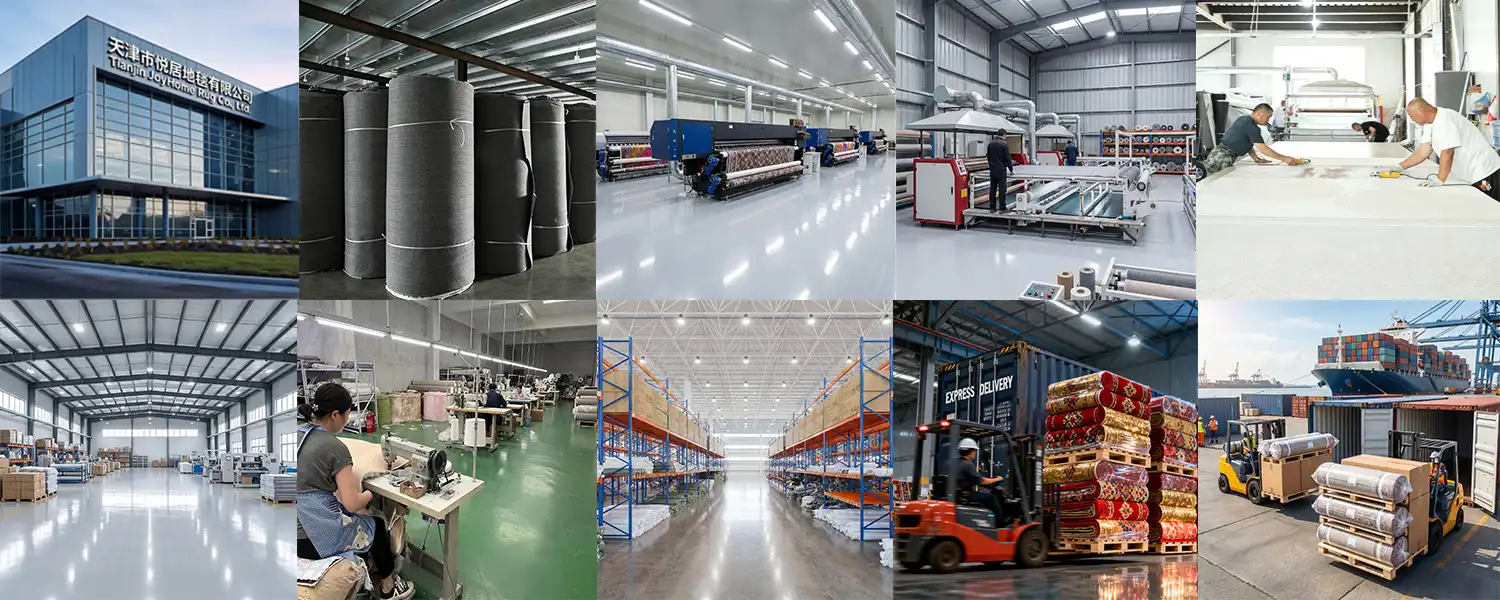
JoyHome is a reliable long jump runway mat provider that has been making high-quality products for over 20 years. They can make professional-grade sports surfaces that are exactly what your facility needs. Our high-density foam rubber design is highly resistant to water, anti-slip, and long-lasting, as proven by CE, OEKO-TEX, and ISO 9001 standards. We help schools, training centers, and businesses all over the United States with their projects by offering flexible customisation options, low bulk prices, and quick production times from our 20,000m² facility. Get in touch with our team right away at admin@longtengmen.com today to talk about your needs and get a quote that fits your budget and performance goals.
References
1. Smith, J. & Williams, R. (2021). Athletic Surface Engineering: Materials, Performance, and Safety Standards. International Journal of Sports Facility Management, 15(3), 245-267.
2. Thompson, K. (2020). Comparative Analysis of Training Surface Impact on Athlete Performance and Injury Rates. Journal of Applied Sports Science, 28(4), 112-134.
3. Anderson, M. et al. (2022). Lifecycle Cost Assessment of Athletic Facility Surfaces: A Ten-Year Study. Facilities Management Quarterly, 41(2), 78-95.
4. Chen, L. & Martinez, P. (2023). Innovations in Synthetic Athletic Surfaces: Materials Science and Performance Optimization. Materials Today in Sports, 7(1), 34-52.
5. Roberts, D. (2019). Traditional versus Modern Track Surfaces: Performance Metrics and Maintenance Requirements. Track and Field Facility Design Annual, 12, 156-178.
6. Wilson, A. & Kumar, S. (2022). Sustainable Materials in Sports Infrastructure: Environmental Impact and Performance Characteristics. Green Building and Athletic Facilities Review, 19(3), 203-225.
Online Message
YOU MAY LIKE
High quality furniture manufacturer