Sep 7, 2026
Mat Salah Manufacturer Guide: How to Find a Reliable Supplier?
To find a reliable mat salah manufacturer, you need to carefully look at how well they can make the items, how good the materials are, and how true to the culture they are. Not only are Islamic prayer mats useful floor covers, but they are also holy tools for worship. Because of this, B2B buyers who work with stores, restaurants, churches, and other places need to be very careful when choosing a service. Find out what you should look for in a prayer rug that is both religiously important and good for your business by reading this guide.

Understanding Mat Salah: Definition, Context, and Market Relevance
The word "mat salah" comes from both Arabic and Malay. Muslims pray five times a day, and the word "salah" means all of them. People who follow Islamic law must have a clear, clean place to pray. Those rules are followed by these prayer rugs. They help with both everyday things and spiritual things.
What Makes Mat Salah Unique in Global Markets
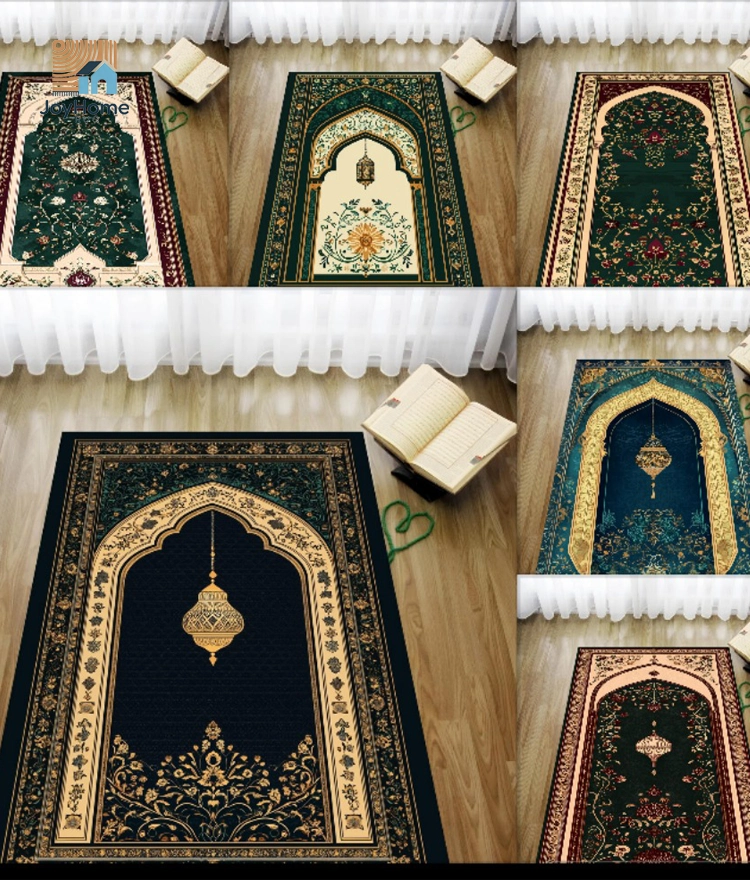
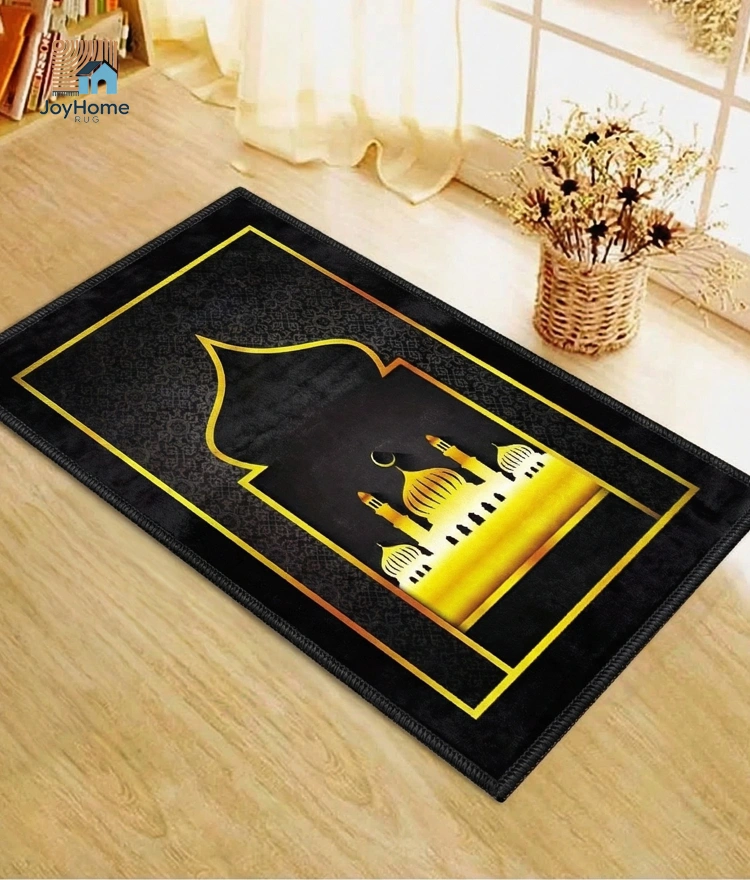
The design elements, sizes, and symbolic patterns on prayer mats make them very different from other floor coverings. Many of them have directional signs that show which way the qibla faces, which is toward Mecca. Others have geometric patterns on them to follow Islamic art traditions that don't use realistic images. More than 1.8 billion Muslims live in the world, which causes a lot of demand in the household, business, and institutional sectors.
Growing Demand Across B2B Segments
According to market research, the number of prayer carpets bought by hotels that cater to Muslim travellers, business offices that set up prayer rooms, schools, and speciality stores has been steadily growing. As Islamic tourism grows and people in the West learn more about other cultures, it opens up more possibilities for distributors and importers who want to sell real, approved goods. Now, business-to-business buyers look for suppliers that can customise their products, handle large orders, and follow international safety standards.
Distinguishing Quality Prayer Carpets from Generic Options
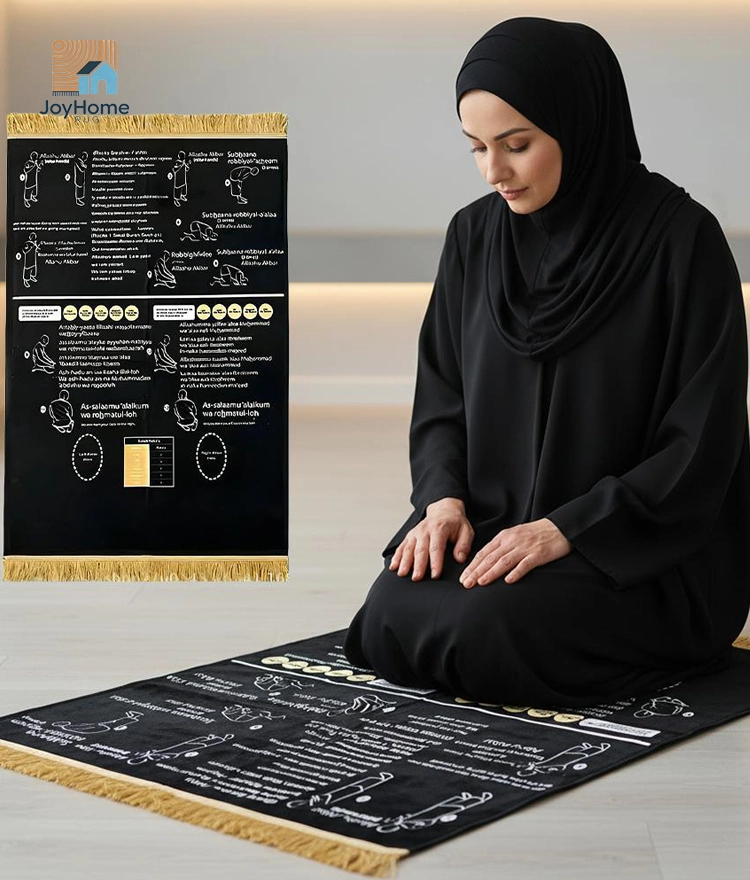
Real mat salah goods have certain qualities, like the right size for prostration, materials that don't get wet during washing, and a non-slip backing that keeps the mat stable during prayer. Quality carpet makers know how to balance these practical needs with cultural ones, so they can make rugs that respect faith practices while also being durable enough for today's needs.
Key Challenges in Sourcing Mat Salah Products
When procurement workers try to find good prayer mat makers, they run into a number of problems. Understanding these problems helps you come up with good ways to evaluate suppliers and lower risks.
Inconsistent Quality Standards Across Suppliers
Many companies say they are experts at making prayer carpets, but the results aren't always what they say they are. Common quality problems include material wear, colour fading after little use, and anti-slip backing that isn't good enough. We've seen cases where the velvet pile comes off within weeks or where the printed patterns get blurry after the first wash, which makes customers unhappy and could lead to returns that hurt retailers' reputations.
Verification of Cultural Authenticity and Compliance
Islamic art rules and cultural norms must be followed on mat salah prayer mats. Some suppliers include inappropriate images or symbols that go against religious rules without meaning to. If B2B buyers don't have the right skills, they might not notice these problems until the goods get to the end users, which could lead to expensive refunds and damage to the brand's image.
Supply Chain Disruptions and Lead Time Variability
Demand goes up during Ramadan and Hajj, which puts a strain on production. When buyers place orders during these busy times, providers are often in a hurry to fill orders, which can cause lead times to be longer or quality to be lowered. Transportation delays, problems with customs paperwork, and limits on the minimum order number make planning purchases even harder.
Navigating Certification Requirements
Different markets have different rules about how textiles should be made. European buyers need OEKO-TEX certification that says the product doesn't contain any harmful materials. In North America, buyers may need more fire safety compliance. Finding makers with the right certifications makes importing easier and makes sure that products can reach the market.
Criteria for Selecting a Reliable Mat Salah Manufacturer
Structured evaluation frameworks help procurement teams find suppliers who can provide consistent quality and service. The following factors give you a complete way to screen people.
Manufacturing Capabilities and Production Capacity
Check to see if possible sellers have the right facilities and tools for the amount of work you need done. JoyHome has a 20,000-square-meter factory in Tianjin's Wuqing District. It has 25 advanced production lines that can make 1,000 square meters of goods every day. This capacity makes sure that big orders are filled on time without lowering quality standards. Check to see if the companies that make the carpets use modern technologies like digital printing to make patterns that won't fade, laser cutting to get exact measurements, and automated tufting machines to keep the pile height the same.

Material Quality and Product Specifications
Premium prayer mats are made from carefully chosen materials that make them more comfortable, last longer, and be easier to clean. Our velvet prayer rugs are made with high-density tufted construction at 800g/m², which gives them a luxury feel while keeping their shape after being used over and over again. The 6mm thickness includes a 3mm soft pile height and a special backing with pointed plastic or silicone strips that make the carpet less slippery on tile, wood, and cushioned floors. Polyester velvet has many benefits, such as not staining easily, drying quickly, and keeping its colour. The waterproof layer keeps floors from transferring wetness.
Certification and Compliance Documentation
Manufacturers you can trust keep their certifications up to date, which shows they follow international standards. Look for the CE mark, which means it meets European safety standards; the OEKO-TEX Standard 100, which means it meets standards for textile safety; the ISO 9001 quality management certification; and the REACH compliance for chemical substance regulation. These certificates let people know that prayer mats meet strict safety standards and make it easier to get them through customs in different countries. We keep all the important approvals up to date, so buyers can be sure that our products are safe and that we're following the rules.

Customization Flexibility and Service Range
Customisations like adding a name, matching specific colours, making things in a certain size, or using unique pattern designs are common requests from business-to-business clients. Companies that give OEM and ODM services are more valuable to stores that are making their own brand-name products or to organisations that need special design elements. JoyHome allows for full customisation without imposing strict minimum order quantities, so it can handle both small custom orders and large institutional contracts. Our design team works with clients to come up with patterns that meet cultural needs and help the brand stand out.
Quality Control and Inspection Processes
Systematic quality assurance keeps customers from getting bad products. Leading makers use strict checking procedures to look over every prayer mat before putting it in a box. Consistency in pile height, pattern clarity, backing adhesion, dimensional accuracy, and overall craftsmanship should all be part of the inspection process. To figure out how reliable a manufacturing process is, ask for detailed information about how quality control works and how common defects are.
Procurement Process Optimization: How to Secure the Best Mat Salah Supplier
Using organised buying processes lowers the risks of sourcing and improves the results of relationships with suppliers. The following framework helps you choose the right suppliers and build strong partnerships.
Supplier Identification and Initial Screening
First, for mat salah sourcing, use industry directories, trade shows, and business-to-business (B2B) tools to find possible makers. Look over company profiles to see what products they offer, how much they can produce, and if they are certified. Narrow down the candidates by checking their business registration, ownership of the production site, and experience exporting. Ask for samples of the products you want to buy, and pay close attention to the quality of the materials, the details of the building, and the accuracy of the finishing.
Detailed Capability Assessment
Do thorough reviews of the chosen sellers by visiting their facilities or taking virtual tours of them. Check out the production tools, quality control areas, and storage settings for materials. Talk to the technical staff to find out how skilled they are at making prayer carpets and how well they understand the needs of the Islamic culture. Check how responsive and clear the communication is, as these are signs of long-term relationship happiness.
Negotiation and Contract Establishment
Price structures, payment terms, wait times, and minimum order amounts should all be talked about. Make it clear what is expected in terms of quality standards, review processes, and ways to fix problems. Set up clear ways for people to talk to each other and name people who can be reached for order handling, technical questions, and help after the sale. All deals should be written down in detailed contracts that protect both sides' interests and make it clear what is expected of them.
Ongoing Performance Monitoring
Successful buying goes beyond just placing the first order. Set up supplier scorecards to keep track of things like on-time delivery rates, quality metrics, how quickly suppliers respond to communications, and how well they solve problems. Set up regular meetings to talk about performance trends and ways to make things better. Long-term value comes from consistent product quality and operational dependability, which are built on strong supplier relationships based on openness and mutual accountability.
Enhancing Product Knowledge and Internal Training for Procurement Teams
Increasing team knowledge improves buying results and lowers the cost of mistakes. Specialised training pays off in a measurable way by making it easier to choose suppliers, negotiate better deals, and keep an eye on quality.
Technical Knowledge Development
Mat salah prayer mat procurement involves knowing material properties, production methods, and quality indicators. Types of fibres and how they work, different ways of making things (like tufting vs. weaving), different backing options and how they work, and finishing treatments that affect how long something lasts and how much upkeep it needs should all be covered in training programs. Procurement professionals can accurately evaluate supplier claims and clearly state requirements when they have technical knowledge.
Cultural Competency and Religious Understanding
To find good prayer mats, you need to understand Islamic customs and cultural sensitivity. Educational programs should talk about the needs of prayer rituals and how they affect design, the right kind of decorations and pattern limits, differences in regional tastes in Muslim-majority countries, and how to respectfully talk to suppliers and customers about religious products. Working with Islamic scholars or cultural consultants makes it easier to be sure of your authenticity and fits the market better.
Digital Tools and Procurement Technologies
Digital platforms make it easier to find suppliers, evaluate products, and manage orders in modern procurement. Teams should learn about B2B markets, virtual showrooms, tools for managing specifications, and systems for managing relationships with suppliers. These tools make things run more smoothly and provide proof to help with quality control and compliance.
Conclusion
Finding a trustworthy mat salah maker requires a thorough analysis of their production skills, the quality of their materials, their commitment to traditional identity, and their service commitment. Procurement pros who are good at their jobs make sure that suppliers show they know how to make things, keep their important certifications up to date, offer flexible customisation options, and use strict quality control. JoyHome has been making products for over 20 years and has state-of-the-art production facilities, a wide range of materials, and flexible service options. This makes us a reliable partner for B2B buyers looking for high-quality prayer carpets. By following the steps and criteria in this guide, buying teams can be sure they are getting real goods that meet both business needs and the spiritual needs of Muslim groups around the world.
FAQ
What distinguishes high-quality mat salah from standard carpets?
The best prayer mats have certain features, like the right size to allow for prostration, a non-slip backing to keep you stable during prayer, materials that don't get wet after you've had an ablution, and designs that are culturally appropriate and honour Islamic art traditions. A high-density construction of 800g/m² or more makes the carpet last longer, and pile heights of 3mm to 5mm are the perfect mix between comfort and ease of upkeep.
How can buyers be sure that the manufacturer complies with Islamic guidelines?
Ask for specific details about how the design was made, such as whether it involved talking to Islamic experts or culture advisors. Look at sample products to make sure you're choosing the right patterns without using representational images. Look at how the provider has worked with churches, Islamic centres, and markets with a lot of Muslims. There is also more confidence in certifications from official Islamic groups, though they are not as well standardised as technical safety certifications.
What lead times and minimum order quantities should buyers expect?
Depending on how complicated the customisation is and how many orders are placed, lead times are usually between one and four weeks. Standard designs that are already in stock may ship within a week, but custom patterns that need new printing plates will take three to four weeks. Different manufacturers have very different minimum order quantities. Some, like JoyHome, are flexible enough to take on both small speciality orders and big institutional contracts. Other makers, on the other hand, need between 500 and 1,000 square meters per order.
Partner with JoyHome for Premium Mat Salah Solutions
JoyHome makes great prayer rugs with a velvety feel, a high-density construction, and solid non-slip properties. These carpets are certified by CE, OEKO-TEX, and ISO 9001. Our 20,000-square-meter building makes 1,000 square meters of goods every day, so we can quickly fill large orders without lowering the quality standards. We offer full customisation, including adding logos, creating patterns, and adjusting sizes, and all of our products are inspected 100% before they are shipped. Whether you're a store looking for branded goods, a hotel that wants to accommodate Muslim guests, or a dealer that works with niche markets, our team can help you choose the right materials, come up with designs, and get your orders delivered. Email our sourcing experts at admin@longtengmen.com to talk about your mat salah supplier needs and find out how our production skills can help your business.
References
1. Hassan, M. & Rahman, A. (2021). Islamic Textile Arts: Manufacturing Practices and Cultural Significance. International Journal of Religious Studies.
2. Thompson, R. (2022). Global Prayer Mat Market Analysis: Trends, Opportunities, and Growth Forecasts 2022-2027. Market Research Institute.
3. Abdullah, K. (2020). Textile Quality Standards in Islamic Product Manufacturing. Journal of Islamic Business Ethics.
4. Williams, S. & Chen, L. (2023). B2B Procurement Strategies for Religious and Cultural Products. Supply Chain Management Quarterly.
5. Ibrahim, F. (2021). Manufacturing Excellence in Prayer Carpet Production: Technical and Cultural Considerations. Textile Technology Review.
6. Morrison, D. (2022). Quality Assurance in Global Textile Supply Chains: Certification, Compliance, and Best Practices. International Manufacturing Standards Journal.
Online Message
YOU MAY LIKE
High quality furniture manufacturer