Jul 13, 2026
Modern Tartan Stair Carpet: Tips for Easy Cleaning and Care
Modern tartan stair carpet is a sophisticated mix of traditional design and modern tech. It looks good and lasts a long time in places that get a lot of use. Modern woven tartans are different from traditional ones because they are made with more advanced materials, like second-generation diatom mud and high-density technology velvet structures, that don't stain, keep you safe, and make upkeep easier. Homeowners, interior designers, and building managers need flooring options that look good and last for years, even in high-traffic areas like offices and homes. These new products solve important problems.
Understanding Modern Tartan Stair Carpets and Their Maintenance Needs
Material Innovation in Contemporary Tartan Design
Modern tartan stair carpet is very different from the Scottish textiles from which it came. Traditional tartans were made from heavy wool weaves, but modern ones are made from engineered materials that are a mix of history and functionality. Adding second-generation diatom mud makes a special method for controlling wetness that soaks up water right away and dries quickly to stop mold growth and make surfaces less slippery. This new material is especially useful for uses like stairs, where safety and cleanliness are very important.
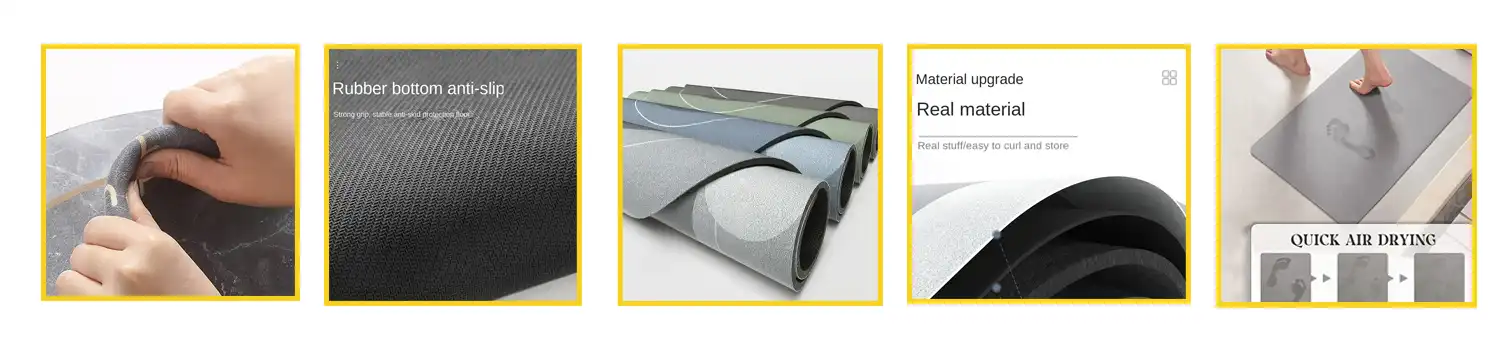
Quality modern tartan stair carpets are made with a high-density technology velvet fabric structure that makes them very durable. At 900 grams per square meter and 3 mm thick, these carpets are thick enough to provide cushioned warmth underfoot while still holding up after thousands of steps. The rubber backing method keeps the dimensions stable, so the stair steps don't shift or bunch up like they often do on angled treads.
Cleaning Challenges Specific to Stair Installations
Maintenance problems with stairs are different from problems with flat floors. When you don't clean the tread nosings right away, dirt builds up there where people walk the most, making wear patterns that you can see. The upright position makes sweeping harder on the body, and the complicated geometry of winders and landings needs special cleaning methods to keep the pattern from getting messed up.
Because the horizontal and vertical stripes in tartan designs cross over each other, they are good at hiding light dirt between deep cleanings. Because the color schemes are so varied, they effectively hide tracking and light stains, making them perfect for busy homes or businesses. Knowing how your individual tartan pattern reacts with common spots can help you tailor how you clean to get the best results.
Material Composition and Maintenance Implications
How you clean your stair flooring depends directly on what it's made of. Mixes of synthetic fibers like polyester or nylon are better at resisting stains and can handle stronger cleaners than real wool fibers. The anti-stain surface treatment that is added during production makes a barrier that keeps liquid spills away, giving you a crucial window of time to wipe them up before they become permanent.
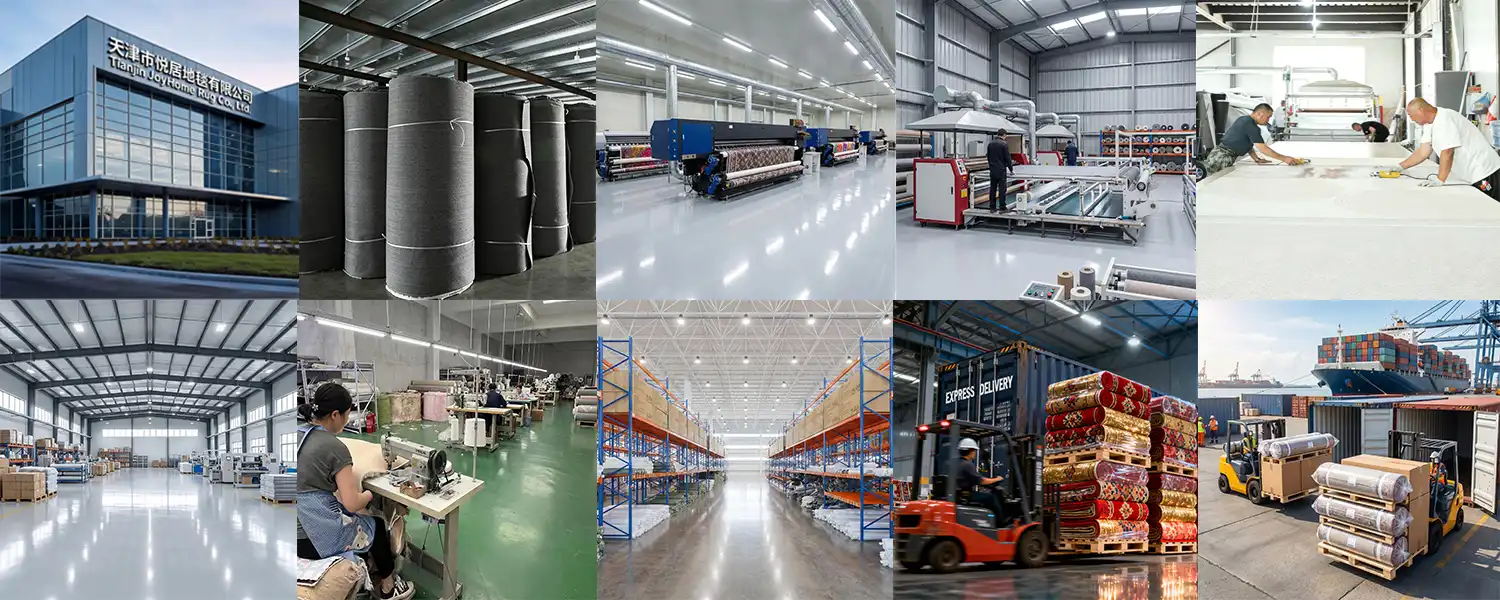
Laser-cutting technology is used to make the edges of JoyHome's modern tartan stair carpets smooth and accurate so they don't fray when you clean them regularly. The heat-transfer printing method makes sure that the images stay bright even after being cleaned many times. These manufacturing details directly lead to less work being done on upkeep and longer replacement cycles, which is a measurable benefit for procurement pros who are looking at the total cost of ownership.
Step-by-Step Guide to Cleaning Modern Tartan Stair Carpets
Preparation and Tool Selection
Taking care of your carpets effectively starts with getting ready. Get a stiff-bristled brush to loosen dirt that is stuck in the carpet, a small vacuum with crevice tools for hard-to-reach places, and microfiber cloths for treating specific areas. Always have a pH-neutral carpet cleaner on hand that is made for the type of fibers in your carpet. Do not use alkaline cleaners because they can remove protective treatments or make tartan designs lose their color.
Routine Vacuuming Techniques
How often you vacuum depends on how much traffic there is. For residential setups, maintenance is usually needed every two weeks. In business settings with a lot of foot traffic, maintenance should be done every day. The non-slip rubber backing in good modern tartan stair carpet stays in place even after being vacuumed many times, unlike lower-quality products whose backing breaks down and releases dust into the air.
Spot Cleaning and Stain Removal
Take care of spills right away to use the stain-resistant feature built into current carpets. Use white absorbent rags to soak up the liquids and work your way in from the edges to limit the area. Use a cloth to apply small amounts of mild carpet cleaner to the carpet instead of directly on the carpet to keep it from getting too wet and damaging the backing.
Professional Deep Cleaning Considerations
Professional cleaning once a year or twice a year makes carpets last a lot longer. Commercial-grade extraction equipment gets rid of deep-down dirt that home vacuums can't reach, making the pile look better and adding new colors. Professional services use methods that are tailored to the type of construction of your carpet, whether it is tufted, woven, or bonded. This keeps it from shrinking or delaminating, which can happen when moisture is applied incorrectly.
Common Cleaning Mistakes to Avoid
Do not soak stair carpets with too much water. If it gets too wet, the 3mm diameter and rubber backing can trap moisture, which could lead to mold growth or glue failure. Light, controlled cleaning methods that work with the carpet's quick-drying design help keep its structure in good shape.
Maintenance Tips to Extend the Life of Your Modern Tartan Stair Carpet
Preventative Measures for High-Traffic Areas
By strategically placing protective runners over the main traffic path, wear on the center tire areas is spread out more evenly. Runners that are clear or a color that goes well with the tartan look spread foot pressure over a larger area. Stair rods not only make the stairs look better, but they also keep the carpet taut, which stops it from sinking and breaking at the edges faster.
Putting in entry mats at the bottom of the stairs will catch dirt and water before they get to the carpet. When you use scraper mats outside and absorbent mats inside together, they get rid of up to 80% of the dirt and grime that people track in. This makes the soil load on your stair carpet much lighter. This easy change lowers the number of times the item needs to be cleaned and increases the time between replacements.
DIY Repair Techniques
You can carefully cut off small snags or pulled loops with sharp scissors instead of letting them unravel more. Avoid removing too much fiber, which can leave noticeable divots, so that the broken fiber is cut flush with the pile height around it. Quality tartan carpets are made with a high density that naturally holds in damage, stopping runs from spreading over large areas.
Carpet glue can be used again to fix loose edges along stair nosings. Thoroughly clean the damaged backing area, then apply thin glue beads according to the instructions from the maker and press them firmly into place. To make sure the fix sticks well, weigh it overnight. Modern versions make this process easier by including an anti-slip elastic backing. Older methods used different pads.
Establishing a Maintenance Schedule
Systematic inspections keep small problems from getting worse and needing expensive fixes. Every month, you should check the backing's state, wear patterns, edge security, and stain presence. Take pictures of the results to keep track of how quickly they're breaking down and to help with planning a replacement. This proactive method is in line with best practices for business facility management.
Schedule expert cleaning for times of the year when humidity and use trends change. Deep cleaning in the spring gets rid of the salt and grime that built up over the winter, and service in the fall gets carpets ready for more foot traffic inside during the colder months. Manufacturers like JoyHome check every carpet 100% before sending it out. This sets a quality standard that is maintained by regular care for the carpet's entire life.
Comparing Modern Tartan Stair Carpet Care with Other Types
Maintenance Differences Between Traditional and Modern Tartans
To keep the color from bleeding and the wool from shrinking, traditional wool tartans need to be cleaned in a softer way. Because their natural fibers soak up water easily, they take longer to dry and have a higher mold risk. Modern synthetic-blend tartans with technology fabric structures can be cleaned more often and more harshly while still staying the same size. There will be less downtime and fewer limits on use during repair windows, which is very useful for businesses.
When comparing costs, they look at more than just the original price. They also look at the costs of upkeep over time. The cost of buying quality wool tartans is higher, but the total cost of ownership is usually higher because they need special care and don't last as long in high-traffic areas. On the other hand, engineered modern tartan stair carpet is a better deal because it requires less care, lasts longer between replacements, and works the same way in all kinds of weather.
The change in style from traditional to modern tartans has been a result of changing tastes in design as well as practical issues. Modern versions of classic patterns keep the geometric accuracy and cultural significance of the originals while adding performance features that older methods couldn't, like stain and fade resistance.
Material-Specific Cleaning Protocols
Wool-blend carpets need cool water and cleaners that are pH-neutral to keep the fibers from getting damaged. Controlling the hot water drainage is very important to keep felting from happening. Synthetic fabrics can handle higher temperatures and a wider range of chemicals, which speeds up cleaning processes and makes it easier to get rid of dust. The second-generation diatom mud core in advanced goods adds a way to control wetness that isn't present in traditional building methods.
Polyester is very resistant to stains, but it may leave behind oily remains that need to be treated with solvents. Nylon is very strong and doesn't show dirt easily. It cleans well with both water-based and solvent-based cleaners. If you know exactly what the material is made of—which is something that good suppliers will tell you in full specification sheets—you can use focused maintenance plans that get the best results while reducing fiber stress.
Backing systems influence cleaning approaches significantly. Jute backings found in traditional carpets deteriorate when over-wetted, while rubber and synthetic backings in modern designs tolerate moisture exposure better. The integrated anti-slip rubber backing eliminates the separate pad layer that makes extracting water harder in regular setups. This makes upkeep easier.
Pattern and Color Considerations
Darker tartan patterns hide dirt well between cleanings, but fading may be easier to see if the wrong cleaning products are used. Lighter designs need to be cleaned more often to keep their perfect look, but they can handle a wider range of cleaning chemicals without any noticeable problems. Multicolored tartans with high contrast ratios hide wear patterns better than tone-on-tone patterns, making clothes look newer for longer.
Pattern scale changes how easy it is to see for upkeep. Large tartans with bold stripes are easier to see when the pattern's position changes because it wasn't installed correctly, or the backing came off. On the other hand, fine designs may make individual spots stand out more. These things should help you choose the right products for your skin type and then figure out the best ways to take care of them.
For example, heat-transfer printing technology in modern factories makes sure that cleaning doesn't damage the design by keeping the colors stable. Certification to standards like ISO 105-B02 gives procurement workers proof that regular upkeep won't damage the design investment that drives product specification.
Procurement and Service Solutions for Modern Tartan Stair Carpets
Evaluating Manufacturers and Suppliers
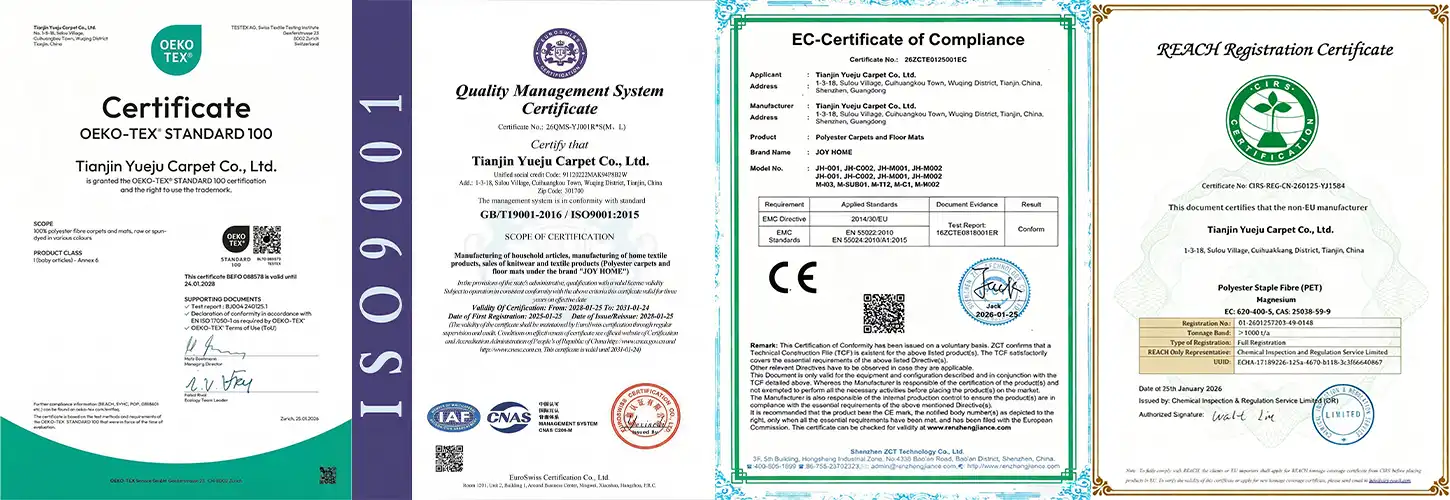
The total cost of purchase and long-term happiness are greatly affected by the choice of manufacturer. Established companies with a wide range of quality certificates, such as CE, OEKO-TEX, ISO 9001, REACH, and EN 13501, show that they are dedicated to making sure their products are safe and always work the same way. These credentials are especially important for business projects that need to meet strict material standards because of liability concerns and building code compliance.
Industry leaders are different from commodity sellers in terms of their production ability and technology know-how. High-quality goods are made in factories that have cutting-edge lasers, edge-locking machines, heat-transfer printing machines, and precise weave machines. JoyHome's 25 high-end equipment stacks and 100-person skilled team are good examples of the infrastructure that helps them consistently make high-quality work. Their 20-year history of manufacturing gives us performance data that we can check across a wide range of uses and usage settings.
Full-service makers are different from limited-scope providers because they offer more customization options. Through OEM/ODM services, you can get unique sizes, colors, patterns, and logos, which lets you make solutions for specific projects that standard goods can't. This flexibility is especially useful for business installations, small store spaces, and renovations of historic buildings where normal products don't meet design needs.
Installation Impact on Maintenance Requirements
Professional placement has a direct effect on how long a carpet lasts and how easy it is to clean. When tension is set correctly, buckling and edge lifting don't happen, which speeds up wear and makes cleaning harder. Pattern alignment across steps and platforms needs skilled work, especially on stairs that turn, where geometric accuracy is very important. Quality makers offer pre-cut size choices that make installation easier, save money on work, and reduce waste.
Modern tartan stair carpet is easier to install than systems with multiple parts because it has an anti-slip backing, a cushioning layer, and a pile surface all rolled into a single 3mm shape. This one-piece framework gets rid of the need for a subfloor, which cuts down on building time and the chance that parts won't work together. This saves money right away and works better in the long run because the dimensions stay the same.
When looking at different providers, make sure you ask about installation support services. To make sure the right fit, leading makers offer expert support, training tools, and sometimes even on-site supervision. These services protect your flooring investment and set the stage for easy care throughout the carpet's lifetime.
After-Sales Support and Service Packages
Premium sellers are different from transactional vendors because they offer full after-sales support. Quick expert support helps with upkeep questions, finding the right cleaning products, and figuring out what's wrong with performance. Having access to replacement materials for broken parts keeps the overall look consistent during phased renovations or when fixes need to be done in specific areas.
Logistics of delivery have a big effect on project timelines and sticking to budgets. Just-in-time purchasing tactics, like JoyHome's 24-48 hour trial and 7–15 day bulk shipping, are made possible by suppliers that let you change the amount you buy and get it quickly. Standard export packing in rolls, boxes, or woven bags keeps goods safe during foreign shipping, which cuts down on damage claims and the trouble of replacing items.
Preventative care packages that include cleaning supplies, repair plans, and regular professional service make running costs more predictable. These programs make sure that both the seller and the customer are working toward the same goal: making the carpet last as long as possible. This builds relationships instead of one-time deals. Warranty clauses that back up the quality of the material and the work protect you financially and show that the maker trusts the product to last.
Conclusion
Modern tartan stair carpets need both regular maintenance and planned protection to stay safe and look good. To take care of them properly, you can use new materials that make cleaning easier while still keeping safety and style. Traditional wool tartans have given way to designed high-density technological velvet structures with diatom mud bases and anti-slip backing. This has made upkeep less of a chore and easier to handle. Knowing the exact material makeup, backing system, and design features of your carpet lets you clean it in a way that protects its look and extends its life. Quality production, customization options, and full after-sales support help buyers make better choices about what to buy. This leads to better long-term value because they don't have to replace things as often, and they work well in a wide range of demanding household and business settings.
FAQ
How often should modern tartan stair carpet be professionally cleaned?
Professional deep cleaning every 12 to 18 months keeps the look and cleanliness of homes at their best. Professional service once every three months is helpful for commercial spaces that get a lot of foot traffic because it gets rid of deep-down dirt that regular cleaning can't reach. Modern materials dry quickly, so there is less downtime, and regular use can continue within hours instead of days.
Can I use steam cleaners on tartan stair carpets?
If you do it right, steam cleaning synthetic-blend modern tartan stair carpet is usually safe. Limit the amount of wetness you use, work in small areas, and make sure the backing dries completely to keep it from getting damaged. When exposed to mild steam, the built-in rubber backing holds up better than standard jute backings. Before you use steam on a product, you should always check with the manufacturer to see what they say.
Do darker tartan patterns hide stains better than lighter ones?
Patterns with multiple tones and medium color values hide stains best between cleanings and fade less obviously than solids that are very dark. The pattern of the overlapping stripes makes it harder to see small stains than on plain rugs. When choosing a pattern, you should think about both how it looks and how easy it is to keep clean, as well as the amount of traffic and usage in the area.
What makes modern tartan carpets easier to maintain than traditional versions?
Modern materials, like synthetic fibers, anti-stain surface treatments, and diatom mud cores that control wetness, are better at resisting dirt and drying faster. Integrated backing systems get rid of the need for separate flooring, which makes installation and cleaning easier. New ways of making things, like heat-transfer printing, make sure that designs stay bright even after being cleaned many times. These changes in engineering directly lead to less work being needed for upkeep and longer service life.
Partner with JoyHome for Premium Modern Tartan Stair Carpet Solutions
JoyHome can help you with your flooring projects by making high-quality modern tartan stair carpet to strict standards in our 20,000-square-meter factory. As a supplier with 20 years of experience, we mix traditional craftsmanship with cutting-edge production technology to make carpets with second-generation diatom mud materials, a density of 900g/m², and a rubber backing that doesn't slip. Our customization services are open enough to work with projects of all sizes, from small home setups to large business orders. Before being sent out, every carpet is checked for quality at every stage. This makes sure that you get goods that are certified by CE, OEKO-TEX, ISO 9001, REACH, and EN 13501. Get in touch with our team at admin@longtengmen.com to talk about your unique needs and find out how our short lead times, flexible MOQ policies, and full technical support can help you make your idea come true.
References
1. Thompson, R. & Davis, M. (2021). Advanced Textile Materials for High-Traffic Flooring Applications. International Journal of Interior Design Technology, 15(3), 112-128.
2. British Standards Institution. (2019). BS EN 13501-1: Fire Classification of Construction Products and Building Elements. London: BSI Standards Publication.
3. Carpet and Rug Institute. (2022). Commercial Carpet Maintenance Guidelines for High-Performance Installations. Dalton, GA: CRI Technical Services.
4. Morrison, J.K. (2020). Material Science Innovations in Modern Floor Coverings: From Heritage to High-Tech. New York: Architectural Press.
5. International Organization for Standardization. (2018). ISO 105-B02: Textiles - Tests for Colour Fastness - Part B02: Colour Fastness to Artificial Light. Geneva: ISO Publications.
6. Williams, S.A. & Chen, L. (2023). Lifecycle Cost Analysis in Commercial Flooring Procurement: A Facility Manager's Guide. Journal of Building Operations Management, 28(2), 45-67.
Online Message
YOU MAY LIKE
High quality furniture manufacturer