Jun 11, 2026
Multi-Use Kitchen Drying Mats: More Than Just Drying?
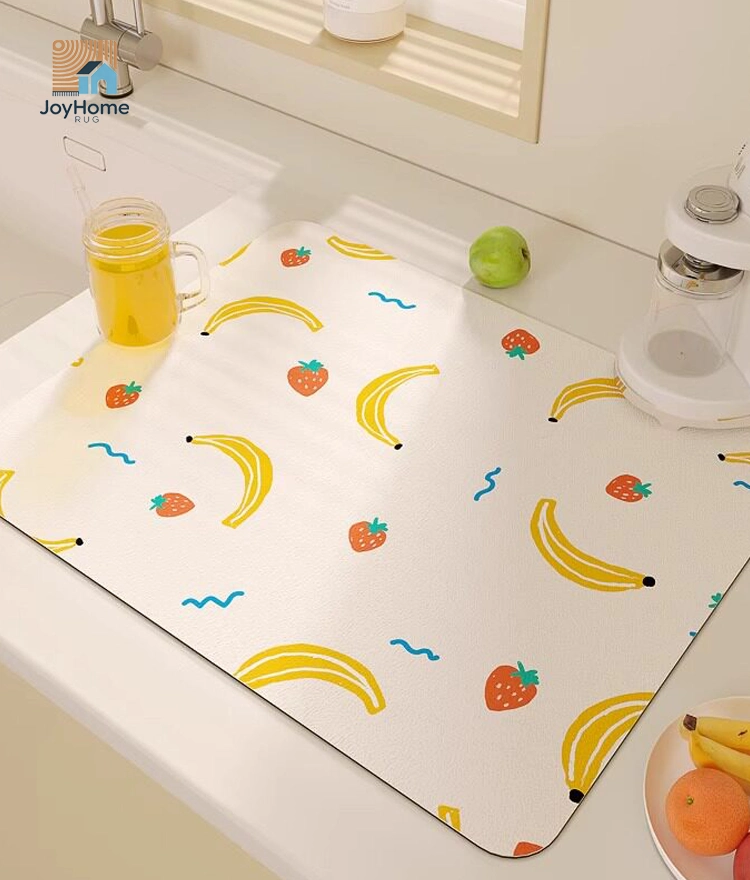
A kitchen drying mat is more than just a place to lay items out to dry in the air. These specialized tools represent a significant advancement in moisture management technology. They are made to quickly soak up water while protecting countertops and making cooking work easier. Modern versions, especially those made from diatomaceous earth and improved microfiber blends, lack the water spots and bacterial growth seen with older wire racks. Today's drying mats can be used for more than one thing, making countertops more useful and healthier. This is true whether you're in charge of a busy business kitchen or looking for stylish solutions for your home.
What Is a Kitchen Drying Mat and How Does It Work?
Defining the Modern Drying Mat
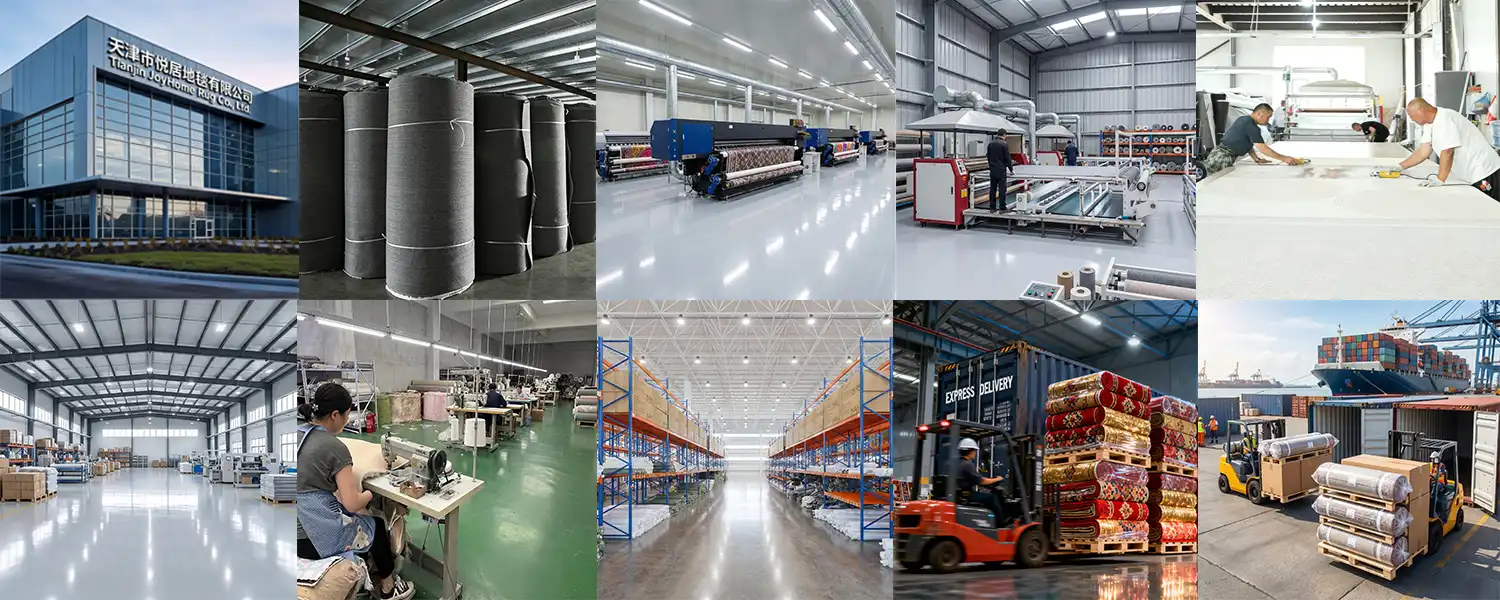
In its most basic form, a kitchen drying mat is a high-performance surface designed to quickly evaporate wetness while keeping the countertop's shape. Instead of big, bulky dish racks that take up important space, these mats are a space-saving, foldable option that works well in any kitchen. Capillary action is what makes drying mats work. Tiny tubes in the material pull water away from dish surfaces and spread it out over a bigger area, accelerating the process of natural evaporation. Porous mineral structures in advanced materials like diatomaceous earth allow them to absorb several times their weight in water in seconds. This makes them very useful in situations where there is a lot of change. When looking at hygiene results, the difference between old-fashioned drying methods and current mat systems becomes clear. Wire racks leave behind still water pockets where biofilm forms, which helps germs grow and can re-contaminate clean items. Good drying mats don't pose this risk because they are made of materials and have antibacterial treatments that stop microbes from growing. We've noticed that when businesses switch to professional-grade mats, they have fewer health inspection issues and fewer cases of cross-contamination.
Material Science Behind Performance
When procurement workers know what the materials are made of, they can choose the right goods for their operations' needs. Silicone versions are very resistant to heat and can be used as trivets for hot pots while also having non-slip surfaces that keep dishes from breaking. They are strong enough to be washed in a washing machine many times without losing their quality, so they are a good value for long-term use in institutions. Memory foam choices offer cushioned support that keeps fragile glasses safe, and their soft texture makes them easy to walk on barefoot in home kitchens where people often work without shoes.
When it comes to absorbency, diatomaceous earth mats are the best thing ever made. These surfaces instantly soak up water when they come into contact with water because they are made up of fossilized algae that have tiny pores that form naturally. The super-effective water absorption gets rid of the sticky, damp residue that comes with cheaper materials, and the quick-drying qualities stop mold growth even in wet places. Quality diatomaceous earth goods have a soft, fine texture that makes walking barefoot surprisingly pleasant. This can help with comfort issues in both home and business settings. These mats don't need much care—just rinse them under running water and let them dry naturally. Within hours, they'll be fully absorbent again.
Hygiene and Safety Considerations
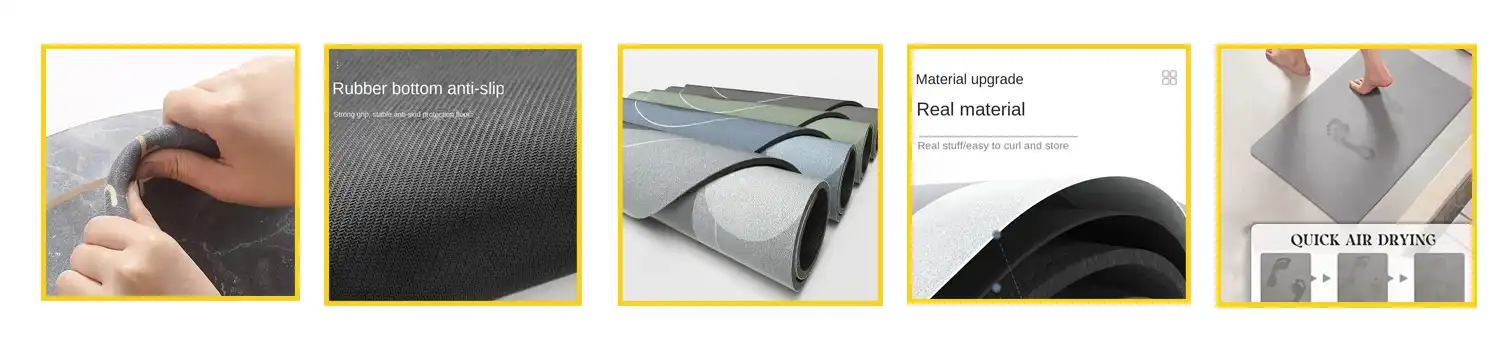
Professional-grade goods are different from consumer-level products because they have safety features. Double anti-slip protection systems have rough bottoms that keep tables from moving while the tops stay stable, even when they're wet. This two-layer method is very important in business kitchens with a lot of foot traffic where slipping risks cause legal issues. When buying something, you should look at the slip-resistance specs. This is especially important for installs near sinks and stovetops, where water and oil tend to build up.
Antibacterial properties built into the structure of the material provide long-term safety that doesn't need chemical treatments. Silver ion technology, which is often found in high-end microfiber choices, kills germs and stops smells from developing after long periods of use. The alkaline pH and ability to absorb wetness in diatomaceous earth naturally stop the growth of germs, making it naturally cleaner than synthetic options. Third-party certifications should be used by procurement managers to check these antimicrobial promises and make sure that the goods meet the food-service safety standards in the area where they work.
Multi-Functional Benefits of Kitchen Drying Mats Beyond Drying
Heat Resistance and Surface Protection
Modern kitchen drying mats can be used for many things besides their main purpose of removing wetness. Some types of high-quality silicone can withstand temperatures above 400°F, which makes them useful trivets for serving plates, baking sheets, and hot pots. This two-in-one feature means you don't have to buy as many different heat-resistant accessories, which makes your cooking tool storage easier and your countertop more efficient. We know of restaurants that cut down on their protected mat inventory by 40% after switching to multi-use drying solutions. This was possible because the drying solutions required less space and were easier to buy.
Surface safety features are especially useful for businesses that use high-end tabletop materials. Marble, quartz, and other natural stone surfaces can still be damaged by heat shock, water etching, and chemical spills while food is being prepared. Putting absorbent drying mats under cutting boards, appliances, and drink stands protects expensive setups by keeping them from getting damaged. Memory foam and thick microfiber goods have a cushioned structure that also dampens noises from blenders, mixers, and espresso machines. This keeps solid surfaces from getting micro-fractures from repeated mechanical stress.
Space Optimization and Workflow Enhancement
High-quality drying mats that are bendable and take up little space are great for small kitchens. Permanent dish racks take up space on the counter all the time, but mats can be rolled up or folded up when they're not in use, making room for making meals during busy times. This adaptability is very important in places like food trucks, private kitchens in cities, and galleys on boats, where every square inch is important for planning purposes. The fast deployment and storage options allow for flexible changes to the process during service times.
For another real-world example, look at commercial drinking stations. Portafilter purges, steam wand condensation, and rinse processes create a steady flow of moisture in coffee bars and drink-service areas. Strategically placed absorbent mats catch this spillage before it gets to the wooden bar tops, which keeps them from getting swollen and discolored and needing an expensive cleaning. The soft feel keeps glass from breaking while it's being placed, which helps businesses make more money. We've seen speciality coffee shops cut the cost of replacing broken glasses by almost 25% after putting down full-coverage mats around espresso machine stations.
Sustainability and Eco-Conscious Operations
Environmental factors are becoming more and more important in all areas of buying. Durable, washable mats are an eco-friendly option to paper towels and other absorbent goods that are only used once. The performance of high-quality materials doesn't change even after hundreds of washing cycles. This drastically cuts down on trash and lowers long-term operating costs. Companies that keep track of their environmental effects find that switching to drying solutions that can be used more than once makes their sustainability numbers much better. This helps with corporate responsibility efforts and green certification efforts.
The choice of materials has a direct effect on how the environment works. Natural diatomaceous earth doesn't need much work and breaks down fully when it's time, which is very different from manufactured foams made from petroleum. Businesses that want to use plant-based products should look into organic cotton and bamboo fiber as renewable choices. When reviewing suppliers, people in charge of buying things should ask for specific information on the materials used and how to properly get rid of them at the end of their useful life. This way, they can make sure that the suppliers' practices are in line with their company's environmental goals and waste management rules.
Choosing the Best Kitchen Drying Mat for Different Procurement Needs
Evaluating Durability and Operational Lifespan
To judge durability, you have to look at both how resilient the material is and how well it was built. Commercial-grade goods should be able to handle heavy daily use without getting compressed, delaminated, or losing their ability to absorb water. Protocols for testing look at how well something can stand up to repeated kitchen drying mat cycles, cleaning chemicals, and the physical stress of heavy cookware. We suggest getting third-party guarantees of durability and looking over warranty terms that show the maker is confident in the product's long-term performance. Manufacturers of good products usually offer new warranties that last between 12 and 24 months, which shows that the product was built to high standards.
The working setting has a big impact on choosing the right materials. For use near stovetops and ovens that get very hot, you need rubber or heat-treated materials that won't melt or give off harmful fumes. Heavy foot traffic areas need strengthened backing that stops mats from moving and edges from rolling up. Diatomaceous earth works best in setups next to sinks where it will be exposed to water all the time, while microfiber choices are better for general-purpose drying jobs where flexibility is more important than specific performance.
Size, Configuration, and Customisation Options
The dimensions should match the amount of workroom you have and the average number of dishes you make. For small sinks, standard home mats are 16x18 inches, and for full-service kitchens, they are 24x18 inches. For commercial installs, the sizes need to be tailored to fit specific counter plans, bar station layouts, or places for washing dishes. Flexible makers can meet these specific needs without requiring huge minimum orders, which lets businesses get the best coverage without having to buy too much inventory.
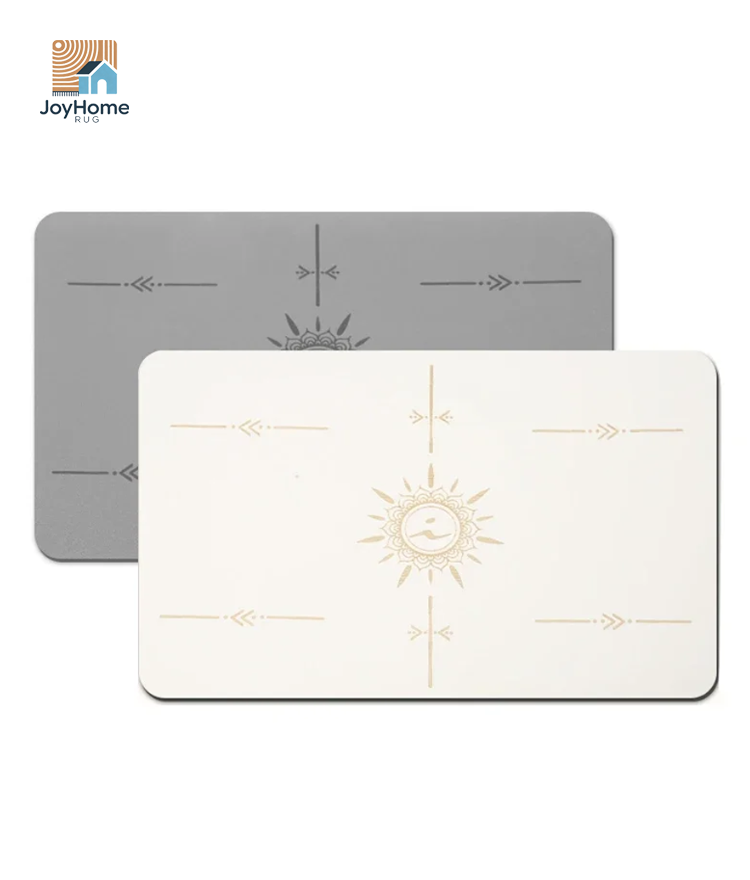
Customization goes beyond just changing the size; it also includes marking options for businesses and leisure operations. With heat-transfer printing and laser etching, logos and designs are etched directly into matte surfaces. This makes presentations that look good together and strengthen brand identity. These personalization options help gift, carpet, and specialty market uses, turning useful tools into high-end retail items. We've worked with interior designers who ask for custom-colored mats that go with the general look of the kitchen. This shows how useful things can help achieve larger aesthetic goals.
Non-Slip Features and Safety Requirements
Slip resistance needs to be carefully looked at, especially in school settings where safety rules apply to workers. Reliable makers give measures of the coefficient of friction that show how well the grip works on different types of surfaces, like stainless steel, laminate, natural stone, and sealed wood. Products that meet ANSI B101.3 guidelines have been tested to make sure they are safe, which lowers the risk of liability from slip-and-fall accidents. Premium types have double anti-slip protection that works on both the bottom surface grip and the top surface traction. This makes sure that the mat stays stable whether it stays dry or gets wet from heavy use.
When you test slip resistance in real-world operational situations, you can see changes in performance that aren't clear from the specs alone. Before agreeing to large orders, we suggest getting sample units to test out on-site. In addition to technical paperwork, staff comments about how the dish feels to the touch, how stable it is while it's being placed, and how resistant it is to shifting during cleanup are very helpful. This hands-on evaluation method stops buying mistakes that cost a lot of money and makes sure that the products chosen really meet business needs, not just look good on paper.
Practical Maintenance and Longevity of Kitchen Drying Mats
Cleaning Protocols and Hygiene Maintenance
Maintaining a kitchen drying mat in the right way will keep its performance and cleanliness standards high for as long as it lasts. Most good mats can be washed in a washing machine on gentle runs with mild detergents, but care directions depend on the type of material used. Different types of diatomaceous earth only need to be rinsed under running water to get rid of any particles that get stuck in the porous structures. They should then be placed vertically to let the air dry them completely. Silicone options can be cleaned in a dishwasher, making it easy to keep things clean in busy businesses where hand-washing isn't a choice.
Preventive Care and Performance Optimization
Besides simple cleaning, there are a number of preventative measures that can be taken to make equipment last longer and keep it running at its best. By using more than one mat at the same time, wear patterns are spread out evenly. This stops the localized compression that happens when heavy dishes are placed on the same surface over and over again. Letting things dry completely between uses stops them from holding on to water, which helps bacteria grow and materials break down. To support this rotation approach, facilities should keep enough inventory, which is usually 1.5 to 2 times the number of places that can be used at the same time.
During idle times, storage conditions have a big effect on the quality of the object. Mats should be kept flat or lightly rolled up in dry, well-ventilated places. They should also be kept out of direct sunshine, which can break down some polymers and natural fibres. When you fold something, don't make creases that stay there. This is especially important for memory foam and stacked materials. Temperature-controlled storage keeps things from breaking when they are exposed to very cold temperatures or to mildew growth in damp places where organic materials are stored. These simple steps will greatly increase the useful life, which will improve the return on investment for funds that pay for purchases.
Identifying Replacement Indicators
Knowing when to replace worn-out tools keeps you from having to deal with the health and safety issues that come with them. Our main performance sign is decreased absorbency. If mats can't remove moisture as well as they used to, leaving water on surfaces, their usefulness has dropped below accepted levels. If smells don't go away after being cleaned well, it means germs have colonized the material and can't be removed by normal washing. Wear patterns that can be seen, like shrinking, cracking, or delamination, hurt both performance and safety, especially when the non-slip qualities get worse.
Businesses should set repair plans based on how often they are used and how fast they wear out. In high-traffic areas, primary-use mats may need to be replaced every three months, while auxiliary units covering areas with less foot traffic might work well for twelve to eighteen months. Tracking replacement rounds gives you useful information for making better spending and purchase predictions. Quality goods usually last two to three years with normal use, so buying one high-quality choice at first will save you more money in the long run than buying cheap ones over and over again.
Procurement and Supply Chain Insights for Kitchen Drying Mats
Sourcing Channels and Supplier Evaluation
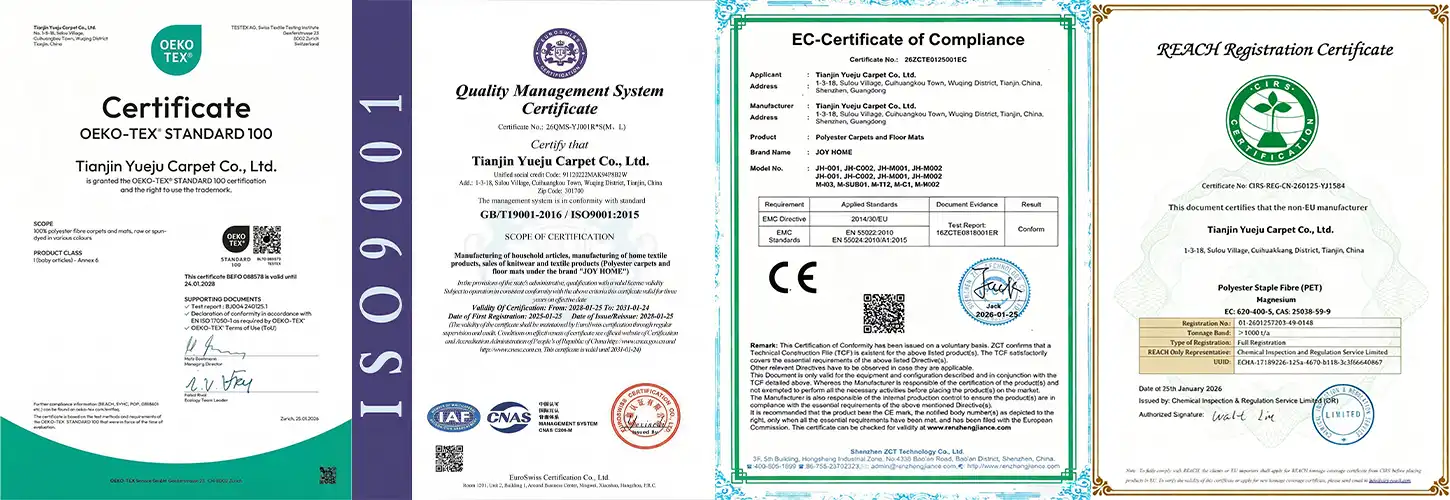
Comparing prices isn't the only thing that needs to be done to find trusted providers. Manufacturers that have been around for a while and have complete production facilities show that they can keep up with demand and control quality in ways that younger companies may not be able to. Tianjin JoyHome Rug Co., Ltd. is a great example of a kitchen drying mat. They have a 20,000-square-meter building with 25 advanced production systems and about 100 specialized workers. Their knowledge of materials includes polyester, diatomaceous earth, soft rubber, PVC leather, fake cashmere, fake sisal, and linen, giving sourcing workers a wide range of choices to meet a wide range of needs.
During the verification process, certificates that show agreement with safety and quality standards should be looked at. International certificates, such as ISO 9001 for quality management and Oeko-Tex for textile safety, confirm the manufacturing method and the materials used by a third party. It is important to make sure that marketing promises are backed up by test results that show absorbency rates, slip resistance coefficients, and antimicrobial effectiveness. For partnerships that deal with a lot of products, we suggest doing site checks to see how the products are made, how they are checked for quality, and how the workers are treated, all of which can affect how consistently the products are delivered.
Bulk Purchasing Strategies and Volume Discounts
Strategic methods to purchasing make the best use of the budget while also making sure there is enough product. Suppliers with tiered price systems offer better unit costs for bigger orders, but businesses must weigh these savings against the costs of storage and the rate at which their product is sold. JoyHome's method is flexible, so there are no hard minimum order quantities. This means that buyers can make purchases that fit their needs. When you use volume-based pricing, you can get bigger savings on unit prices when you place larger orders. This lets both small businesses and large institutional buyers get the right cost structures.
Supply chain reliability is increased by negotiating good payment terms and delivery times. Manufacturers who can make about 5,000 units per day can fill large orders in about seven days, which lets them quickly restock their shelves without having to do a lot of planning ahead of time. Multi-modal transportation support, such as sea freight for large, cost-sensitive amounts, air freight for urgent restocking, and fast shipping for immediate needs, gives you the freedom to deal with different levels of urgency. Setting up framework deals with chosen suppliers guarantees stable prices and priority production schedules, which is especially helpful when demand is high during the busy holiday season.
Emerging Trends and Future-Ready Solutions
Innovation keeps making drying mats better, and a few trends will affect how new products are made in the future. Smart textile integration adds wetness sensors that let users know when mats need to be cleaned or are full, which stops overflows. Antimicrobial technologies are always getting better. For example, materials with copper in them and photocatalytic films offer better cleanliness protection. As environmental concerns affect buying choices, eco-friendly materials gain market share. Options with recycled content and full biodegradability are getting better.
Customization technologies get better as more people want personalized goods. Digital printing lets you make short runs of unique designs without having to pay a lot for setup. This means that small businesses and speciality stores can get branded mats. These changes have helped the gift market by turning useful items into pretty ones that can be used as housewarming gifts or in workplace giving programs. Professionals in procurement who keep an eye on these trends set their companies up to use new technologies that make operations more efficient, help them meet their sustainability goals, and set their products apart in crowded markets.
Conclusion
Kitchen drying mats have changed from simple places to dry dishes to high-tech tools that improve cleanliness, protect surfaces, and speed up work in the kitchen. New materials, like diatomaceous earth, offer unbeatable absorption and quick-drying performance. Careful design features address safety, longevity, and aesthetic concerns. To get the best return on investment, procurement workers who are looking at these goods should put material quality, slip-resistance standards, and supplier reliability at the top of their list of priorities. Today's advanced drying solutions are smart investments that offer real operating benefits beyond their low cost. They can be used in home kitchens, commercial food service businesses, or specialty retail settings.
FAQ
What kitchen scenarios benefit most from drying mats?
You can use these items in both home and business kitchens because they are very flexible. In homes, they can be put next to sinks, near stovetops, and under small appliances to keep tables dry and protect them. In restaurants, cafeterias, coffee shops, and industrial kitchens, they are used in wet areas with a lot of foot traffic where oil and water build up and pose a safety risk. The kitchen drying mats are especially useful next to sinks where dishes are washed, areas where drinks are made, and other places where glassware is handled a lot. Marine galleys, RV kitchens, and small cooking areas in cities all benefit from their space-saving, foldable designs that let you use them fully without taking up a fixed spot on the table.
How do minimum order quantities work for bulk purchases?
Buyers with different volume needs can use flexible buying arrangements. There are no strict minimum order requirements at JoyHome, so both small companies and big institutional buyers can use their products. The pricing system gives better unit costs as the order number goes up. For larger amounts, discounts on each piece become available, while smaller orders can still be placed at prices that are fair. This tiered method lets procurement managers find the best way to buy things based on price, storage space, and how fast things are used, all without having to deal with high entry hurdles or too much inventory.
What production timelines should buyers expect?
Standard-sized items are made when they are ordered instead of being kept in stock. Manufacturing capacity reaches about 5,000 pieces per day, and production starts as soon as the order is confirmed. Most bulk orders are filled within seven days of being placed, which is a pretty quick response time compared to many special manufacturing situations. There are different shipping methods for different levels of urgency and budgets. Sea freight is the most cost-effective way to ship big amounts of goods with flexible schedules. Air freight is the best mix of speed and cost for middling urgency, and express services are for urgent needs. To meet unique shipping needs, customized logistics solutions can be set up.
Partner With a Trusted Kitchen Drying Mat Supplier
JoyHome stands ready to support your procurement needs because they can make a wide range of products, accept a variety of order sizes, and send quickly. Our 20,000-square-meter factory in Tianjin uses cutting-edge technology to make goods and has strict quality control to make sure they meet international safety and performance standards. We are experts in diatomaceous earth, cloth, and silicone materials that are made to be more absorbent, last longer, and be easier to clean. Our team offers full design help before the sale and quick service after the sale, whether you need standard sizes or unique configurations with your own logo. Email our buying experts at admin@longtengmen.com to talk about your specific needs, ask for samples, and get detailed quotes that are based on your specific needs and delivery schedule for your next kitchen drying mat order.
References
1. Anderson, K. & Thompson, R. (2023). "Material Science in Modern Kitchen Textiles: Absorbency and Antimicrobial Properties." Journal of Food Service Equipment Technology, 18(4), 112-128.
2. Chen, L. (2024). "Sustainable Solutions in Commercial Kitchen Design: Reducing Single-Use Products Through Multi-Functional Accessories." International Hospitality Operations Review, 31(2), 45-61.
3. Martinez, S. & O'Brien, P. (2023). "Hygiene Performance Comparison: Traditional Dish Racks versus Modern Drying Mat Systems in Food Service Environments. "Food Safety and Sanitation Quarterly," 29(3), 78-94.
4. National Restaurant Association. (2024). "Kitchen Equipment Trends Report: Space Optimization and Multi-Use Accessories in Contemporary Food Service Design. Chicago: NRA Publications.
5. Williams, J., Foster, D., & Kowalski, M. (2023). "Diatomaceous Earth Applications in Consumer Products: Structure, Absorbency Mechanisms, and Maintenance Considerations." Materials Science and Home Economics, 42(1), 33-49.
6. Zhang, H., & Richardson, E. (2024). "B2B Procurement Strategies for Kitchen Supplies: Evaluating Supplier Reliability and Total Cost of Ownership. Supply Chain Management in Hospitality," 16(1), 102-119.
Online Message
YOU MAY LIKE
High quality furniture manufacturer