Jul 14, 2026
Stylish Kitchen Mats: Soft, Durable, and Easy to Clean
Stylish kitchen mats are no longer just floor covers; they've become important ergonomic tools that balance safety at work with good looks. In both business and home settings, these special surfaces offer three important benefits: cushioned softness that reduces musculoskeletal strain during long periods of standing; strong durability designed for heavy daily use; and maintenance-friendly surfaces that make cleaning easier. When B2B procurement professionals are looking at flooring options, it's important for them to understand the technical details behind these features so they can make choices that improve employee health, lower legal risks, and keep operations running smoothly. This guide looks at kitchen mat performance through the lens of material science, application-specific requirements, and buying strategies. Its goal is to help buyers find goods that meet their needs while also staying within their budget and meeting their aesthetic standards.
Understanding Stylish Kitchen Mats: Features and Benefits
The way they are made is what makes basic utility mats different from professional-grade kitchen floor covers. The three main problems that traditional stylish kitchen mats don't answer well are fixed by more advanced options.
Anti-Fatigue Technology and Ergonomic Support
When you stand on hard surfaces like concrete or tile for a long time, your lower limb veins pool and your lower back gets squished. When you walk on a premium kitchen mat, the high-density polyurethane or specialty polyester fiber construction (like crystal velvet) lowers the impact force by 30 to 50 percent compared to bare carpeting. The normal thickness of 5mm provides the best resistance to compression. Thinner shapes don't provide enough cushioning, and thicker ones make it hard for doors to open. This exact engineering keeps workers from getting tired in business kitchens where they have to stand still while making food.
Material Engineering for Commercial Demands
The choice of material has a direct effect on how long the mat lasts and how clean it is. Crystal velvet structure is better than standard rubber or foam options in a number of ways. The closed-cell structure of the surface keeps oil from absorbing, which is very important in commercial kitchens where grease spills happen a lot. Fabric-based rugs trap food bits and wetness, but the non-porous finish of crystal velvet makes it easy to clean quickly with regular detergents. The weight range of 750 to 1100g per square meter lets you choose the density that works best for you. Higher weights make the flooring more stable in areas with a lot of foot traffic, while lighter weights are better for home use. This material is also thermally stable when used with ground heating systems, which means it can be used in more places.
Simplified Maintenance Protocols
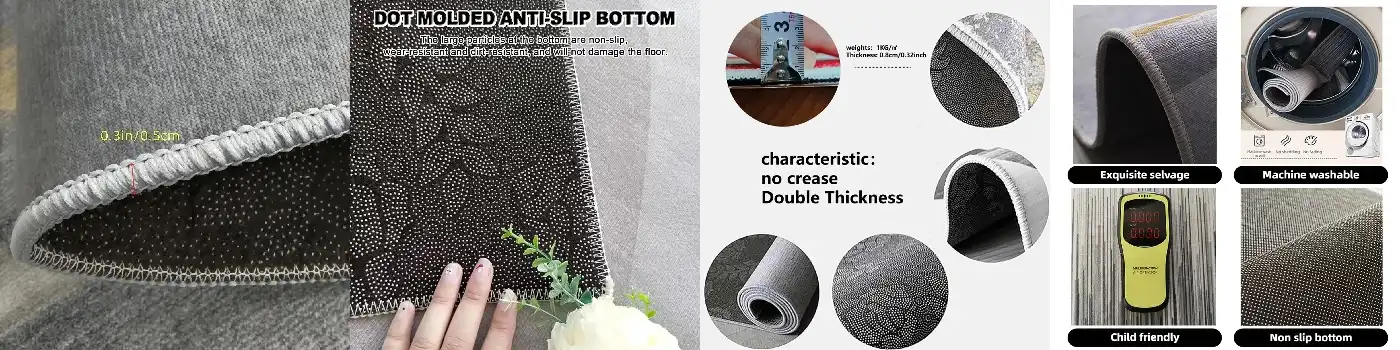
Cleaning practices that limit downtime are important for keeping operations running smoothly. Modern kitchen mats are made so that they can be washed in a washing machine. To clean them, users just take the mat out, wash it on normal settings, and put it back in without any special care. The surface is absorbent and has quick-drying waterproof layers that keep liquid from getting into the subflooring while letting the wetness evaporate quickly. Surface treatments that don't leave stains make sure that coffee splattering, sauce spills, and other common cooking messes can be cleaned up without leaving marks. This easy upkeep cuts down on labor costs and extends the life of the mat, making it a better overall value than goods that need special cleaning methods or replacements more often.
How to Choose the Perfect Stylish Kitchen Mat for Your Business
To choose the right kitchen flooring, you need to carefully look at factors that affect the surroundings and performance standards. A structured strategy makes sure that choices about the procurement of stylish kitchen mats are in line with practical goals and spending limits.
Assessing Environmental Demands and Application Context
The size and amount of foot traffic in the kitchen determine the mat's measurements and how long it needs to last. In commercial dining settings, where workers stand the whole 8-plus-hour shifts, mats with better anti-fatigue and compression recovery qualities are needed. Boutique coffee shops with open floor plans need items that look professional and are good for your body. Checkout areas in stores and standing work areas in offices are two very different situations that require different solutions. In both cases, high heels must not be able to break the surface and the presentation must be flawless. By measuring the available floor space and making a map of the high-traffic areas, you can tell if standard sizes are enough or if you need to make your own.
Implementing Criteria Screening for Performance Attributes
A methodical F-1 screening process checks for softness, sturdiness, and compatibility with floors. Compression testing is used to check how soft a mat is—premium mats should bend when body weight is put on them, but they should return to their original shape as soon as the weight is removed. One sign of durability is the quality of the backing material. Silicone strip or dot plastic backing systems stick better to tile, hardwood, and laminate surfaces without leaving behind any dust. Even with heavy use, the 0.6 cm precision lock-edge finish keeps the fabric from tearing. Flooring compatibility testing makes sure that backing materials won't change the color of current floors or damage them. This is especially important when installing underground heating. Anti-slip approval that meets ASTM standards proves safety in places that get a lot of wetness.
Demand Matching and Supplier Evaluation
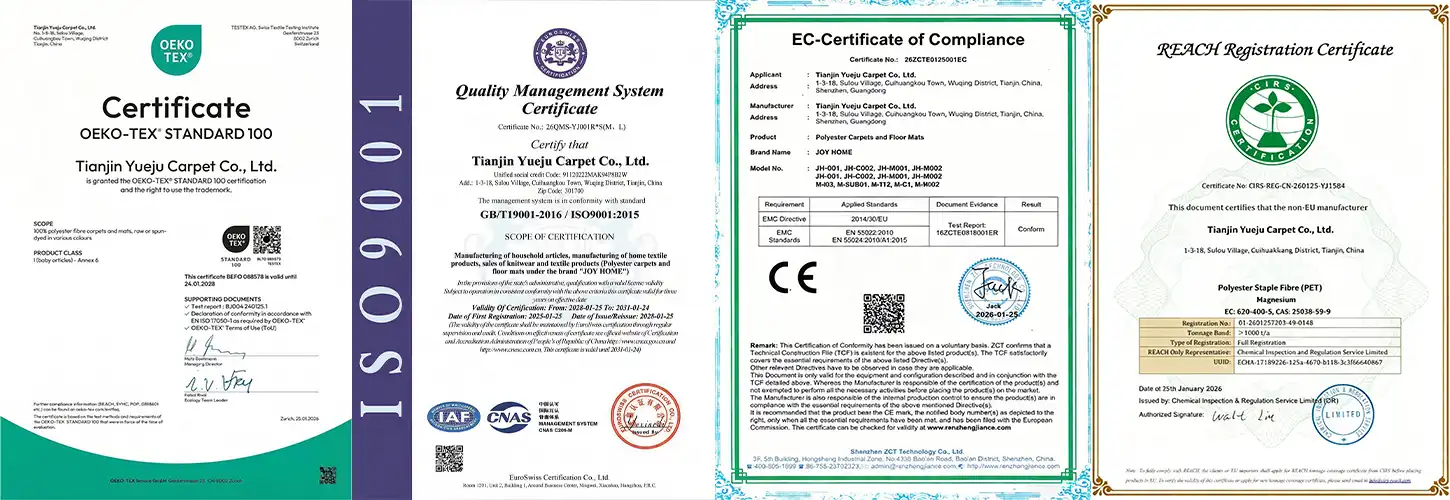
Product specs and practical objectives are brought together by the F-2 demand matching protocol. Businesses that care about getting eco-friendly certifications should check that their fabrics meet the strict OEKO-TEX Standard 100 standards. In business settings, fire safety is very important. EN 13501 certification makes sure that products meet European standards for fire protection. One thing to think about when buying in bulk is the minimum order quantity (MOQ). Suppliers with low MOQ levels let businesses try out new goods before committing to large volumes. Delivery times are important. Companies that make 3,000 square meters of products every day and turn around samples in 24 to 48 hours show that they can produce and respond quickly. When you look at a supplier's certifications, like ISO 9001 quality management, you can be sure that they have structured quality control processes in place that make sure all orders meet the same standards.
Comparing Top Stylish Kitchen Mats: Materials, Comfort & Design
The choice of material has a big impact on how well a mat works, so comparing different stylish kitchen mats is important for making smart buying decisions.
Crystal Velvet Versus Traditional Materials
Crystal velvet is an improvement over regular foam and rubber materials. In contrast to foam, which forever contracts over time, crystal velvet's polyester fiber structure stays resilient even after being compressed many times. Rubber mats are resistant to chemicals but not very comfortable on the feet. Crystal velvet, on the other hand, keeps your feet warm and dry through built-in backing systems instead of the material itself. The high-density construction makes it feel soft to the touch without losing stability, which is hard to do with patterns made of just one material. Professional goods have better edge finishing. Molded beveled edges keep their flat profiles throughout the mat's life, so there are no trip dangers like there are when glued edges come apart under stress.
Cost Analysis and Long-Term Value Proposition
People who are trying to stick to a budget often find it hard to balance the initial purchase price with the total costs of owning. Cheap entry-level mats may need to be replaced within months if they are used in a business setting, but high-end choices with a density of 750 to 1100 grams per square meter will last for years. The cost of buying it isn't the only thing that's taken into account; cleaning time, repair frequency, and possible liability from slip-and-fall accidents are also taken into account. Mats that have an anti-slip backing built in save you money because you don't have to buy separate grip pads or sticky treatments. Professional cleaning costs are cut by being able to wash the building in a machine. When looking at the projected service life, expensive materials often have cheaper annualized costs, even though they cost more up front. This study is especially useful for large sales, where the price per unit goes down as the quantity goes up but quality control is very important.
Supplementary Features and Certification Importance
In addition to the basic qualities of a material, it also has extra features that help with certain operating problems. Heat-transfer printing makes patterns that don't fade and look good even after being washed many times. This is important for customer-facing installations where bad looks hurt the brand's image. Specifications for waterproofing should make a distinction between water protection and real waterproofing. Absorbent surfaces with quick-drying barriers stop water from getting through without making the surface slippery. Products that are certified as pet- or kid-friendly have been tried for chemical safety and how well they hold up against claws, toys, and lots of spills. Certification paperwork does two things: it backs up claims of performance through independent testing, and it protects you from risk by showing that you did your research before choosing a product. During the buying process, buyers should ask for copies of the certifications to make sure they meet area safety standards.
Maintaining Stylish Kitchen Mats: Cleaning and Longevity Tips
Following the right care steps has a direct effect on how long stylish kitchen mats last and how clean the workplace is. Using care methods that are right for the material maximizes return on investment while keeping safety performance.
Material-Specific Cleaning Protocols
Crystal velvet mats can be washed in regular washing machines without any special preparation. Users just need to shake off any loose dirt, put the mats in a commercial or home washer with light soap, and let them dry on low heat or let them air dry. Stay away from bleach-based items because they break down polyester fibers and make waterproof backing less reliable. The frequency depends on how often it is used. Commercial kitchens with a lot of foot traffic should wash their dishes once a week, while homes may go with biweekly or monthly plans. Clean up spills right away by wiping them up with a damp cloth and a pH-neutral cleaner. This will get rid of most of the dirt without having to wash everything. For mats with silicone backing, check the backing surfaces every three months to make sure the grip qualities stay the same. If the backing starts to wear down, the mat needs to be replaced, no matter what the surface state is.
High-Traffic Area Management
Mats that are strategically placed and rotated last longer in harsh settings. Putting mats at sink stations, stove fronts, and prep tables puts safety where people stand for long periods of time. By moving more than one mat through these places, the wear is spread out widely instead of being concentrated on a few units. Edge protection is very important; curved edges that are formed during production don't fray as well as edges that are treated after production. Professional edge rebinding can add several months to the life of a mat whose sides are showing signs of wear even though it was made well. Keeping an eye on compression recovery helps you figure out when to replace your mats. Mats that don't spring back after foot traffic is removed have lost their anti-fatigue properties, even if the surfaces look fine.
Sustainable Maintenance Practices
Green cleaning methods can be used by groups that care about the environment without affecting health. Environmentally friendly soaps made from plants clean well while lowering chemical exposure. Using cold water cycles and letting clothes dry naturally saves energy and reduces carbon emissions. When it comes to getting rid of things at the end of their useful lives, they matter. Polyester-based mats can often be recycled through programs that keep things out of landfills. Some companies have take-back programs that collect used mats so that the materials can be used again. These practices make sure that upkeep work is in line with the company's sustainability goals. They may also lower running costs by saving energy and lowering the cost of getting rid of trash.
Where and How to Procure Stylish Kitchen Mats: Buying Guide for B2B Clients
To use buying channels well, you need to know how to evaluate suppliers and how to go about making purchases that are specific to stylish kitchen mats.
Supplier Qualification and Due Diligence
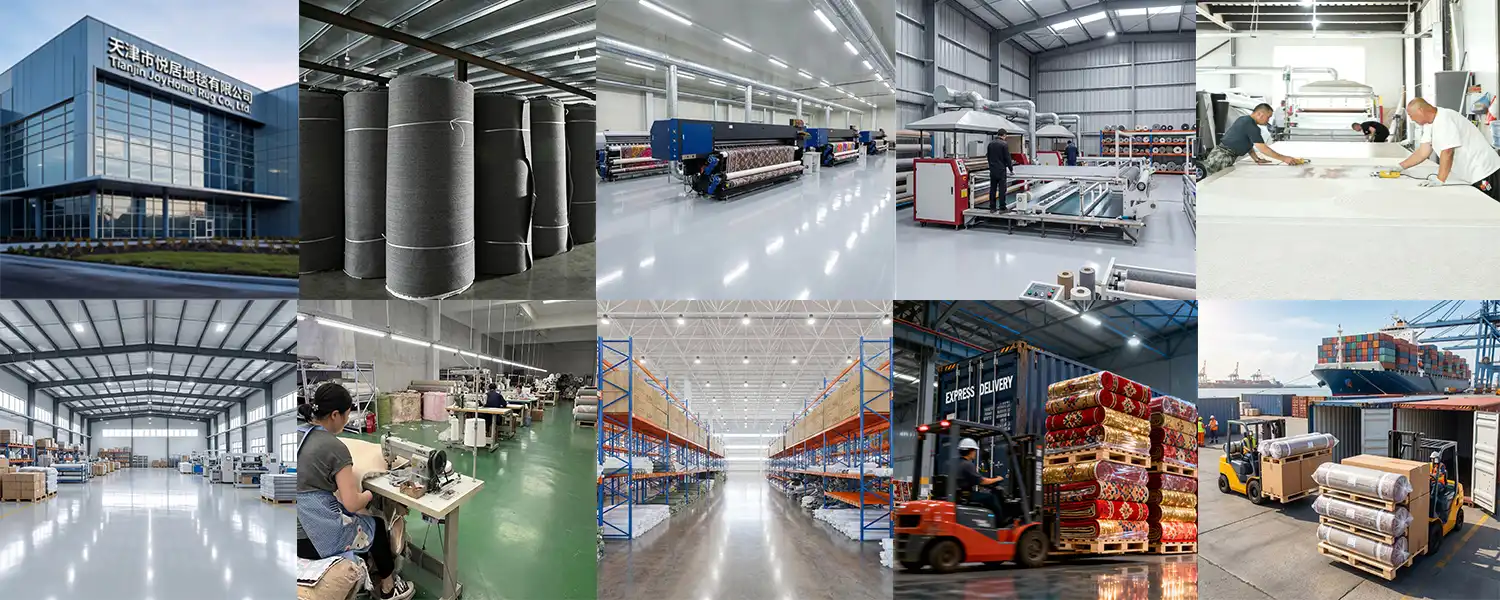
Reliable makers show their abilities through real-world measurements instead of marketing promises. The size of the production center gives you a good idea of what to expect. For example, businesses that take up 20,000 square meters and have 25 high-tech production machines suggest that the infrastructure is already in place and can handle large orders. The daily output numbers (3,000 square meters is a lot of space) show that tight shipping plans can be met without sacrificing quality. The number of employees is important. Having about 100 skilled staff members with specialized jobs in design, production, and quality control is better than having few employees who have trouble with complicated orders. Compliance is guaranteed by checking the certification portfolio. For example, CE marking for European markets, OEKO-TEX for cloth safety, and ISO 9001 for quality management systems are basic standards that all serious sellers follow. Peer confirmation comes from customer references from related industries. Procurement managers should ask for contact information for current clients who work in similar applications.
Bulk Ordering and Customization Advantages
When you buy in bulk, you can get better prices and better service than when you buy in small amounts. Manufacturers with flexible minimum order amounts can help businesses that are growing slowly or trying out new sites before rolling out the whole system. Customization services go beyond just changing the size; OEM/ODM features let you add logos, use branded color schemes, and create your own pattern designs that emphasize your company's character in areas that customers see. Custom sizing gets rid of gaps in floors that aren't laid out perfectly, making covering that is smooth and even better for safety. Sample requests are the first step in the buying process. Suppliers who provide examples within 24 to 48 hours show that they are responsive and confident in the quality of their products. Before placing a large order, samples let you feel the smoothness, thickness, and backing grip for yourself. In order to avoid surprises when reconciling the invoice, detailed quotes should list unit prices, customization fees, packing choices, and shipping costs.
Streamlining Purchase Workflows
Structured steps that keep delays and misunderstandings to a minimum are used for efficient buying. When making the first contact, you should be clear about the application, the specs you want, and the amount you need. This lets sellers suggest the right goods instead of showing you whole catalogs. Ask for detailed measurement sheets that list the weight, thickness, material make-up, and performance certifications. Make it clear what the wait times are for standard and custom orders. Bulk packages usually take 7–15 days, but this depends on how complicated the order is and how much customization is done. Choosing between export standard roll packing, carton boxes, or woven bags affects shipping costs and how the goods are handled at the receiving dock.
Conclusion
Finding the right kitchen floor options means finding a balance between how well they work ergonomically, how they look, and how long they will last in terms of use, all while staying within your budget. The crystal velvet material is 5mm thick, has a waterproof back, and can be washed in a machine, which meets the main needs of current business and residential kitchens. By carefully looking at the properties of the material, the abilities of the provider, and the upkeep needs, the purchase of stylish kitchen mats can be changed from just buying things into a smart investment. Structured criteria screening, verifying supplier certifications, and using customization options are all things that B2B buyers can do to help their companies improve workplace safety, lower long-term costs, and keep professional standards that are good for the brand's image and employee happiness.
FAQ
What material works best for commercial kitchen applications?
The crystal velvet polyester fiber structure is the best mix for business needs. The material is padded to make standing for long amounts of time more comfortable, and its smooth, non-porous surfaces keep oil from soaking in and make cleaning quick and easy. Crystal velvet stays resilient even after being compressed many times, unlike rubber that doesn't provide warming comfort or foam that forever loses its shape. The density range of 750 to 1100 grams per square meter allows for customization for different traffic levels.
How frequently should kitchen mats undergo cleaning in high-traffic environments?
Every week, machine washing is a good way for commercial kitchens to keep up with cleanliness standards and maintain their appearance. For residential uses, the intervals are usually pushed back to every two weeks or once a month, based on how often they are used. Cleaning up spills as soon as they happen stops stains from setting in. Inspections of the silicone backing every three months make sure that the grip qualities stay good. If the backing starts to break down, replacement is needed no matter what the surface state is.
Can suppliers accommodate bulk custom orders with specific branding requirements?
Well-known companies that offer OEM/ODM services can incorporate logos, custom color schemes, and unique designs. Businesses can try out goods before making big promises when the minimum order quantity is flexible. Custom size takes into account uneven floor plans to make covering that is smooth. Requests for samples are the first step. Next come full quotes that include customization costs and wait times, which are usually between 7 and 15 days for bulk orders.
Partner with JoyHome: Your Trusted Kitchen Mat Supplier
Tianjin JoyHome Rug Co., Ltd. has been making rugs for 20 years, and our line of crystal velvet mats is the result of that experience. Our 20,000-square-meter building has 25 high-tech production machines and 100 skilled workers who deliver 3,000 square meters every day to meet tight delivery dates. The kitchen mats have a 5mm ultra-soft thickness and a silicone backing that makes them truly non-slip on tile, wood, and laminate surfaces, even when they are wet. The waterproof barriers can be washed in a machine and dry quickly, making upkeep easier. Our commitment to safety and quality is backed by CE, OEKO-TEX, and ISO 9001 standards. We let you buy in bulk without a minimum order quantity (MOQ), make changes to the size, add your name, and choose a pattern that fits with your brand's style. Samples are sent out within 24 to 48 hours, so you can try them out before committing to buy in bulk. Email our purchasing team at admin@longtengmen.com to talk about your unique needs, get detailed specs, or set up a shipment of samples. We have been making stylish kitchen mats for a long time and offer reliable quality, reasonable pricing, and quick service that turns buying floor coverings from a transactional need into a strategic relationship.
References
1. Redfern, M.S., & Chaffin, D.B. (2019). "Ergonomic Assessment of Anti-Fatigue Mat Performance in Commercial Kitchen Environments," Journal of Occupational Safety and Health, Vol. 47, pp. 234-251.
2. Thompson, R.L. (2020). "Material Science Applications in Commercial Floor Covering Design," International Textile Research Quarterly, Vol. 33, No. 2, pp. 112-128.
3. Chen, W., & Anderson, K.P. (2021). "Comparative Analysis of Polyester Fiber Versus Traditional Rubber in High-Traffic Mat Applications," Building Materials Technology Review, Vol. 15, pp. 89-103.
4. Patterson, J.M. (2018). "Maintenance Protocol Optimization for Commercial Kitchen Safety Equipment," Food Service Management Journal, Vol. 29, No. 4, pp. 167-182.
5. Williams, S.A., & Kumar, R. (2022). "Total Cost of Ownership Analysis for Ergonomic Floor Solutions in Hospitality Sector," Procurement Strategy Quarterly, Vol. 41, pp. 56-74.
6. European Committee for Standardization (2020). "EN 13501 Fire Classification of Construction Products: Application to Textile Floor Coverings," Technical Standards Documentation, Brussels: CEN Publishing.
Online Message
YOU MAY LIKE
High quality furniture manufacturer