Jun 10, 2026
Top Benefits of Using 3D Kitchen Rugs at Home
3D kitchen rugs are a revolutionary way to cover your floors because they combine new ideas in design with useful utility. They provide businesses and homes with unmatched comfort, safety, and visual depth. Unlike regular flat mats, these high-tech textiles use high-definition digital printing and special weaving methods to create the stunning illusions of three-dimensional texture, from cobblestone paths to artistic geometric patterns. They also absorb water better, cushion against fatigue, and keep you from slipping. The market for these rugs has grown a lot because people know they can make kitchens look better while also meeting important needs like keeping floors dry and supporting joints while standing for long periods of time.

What Are 3D Kitchen Rugs and Why Are They Emerging as a Popular Choice?
Defining the Technical Construction
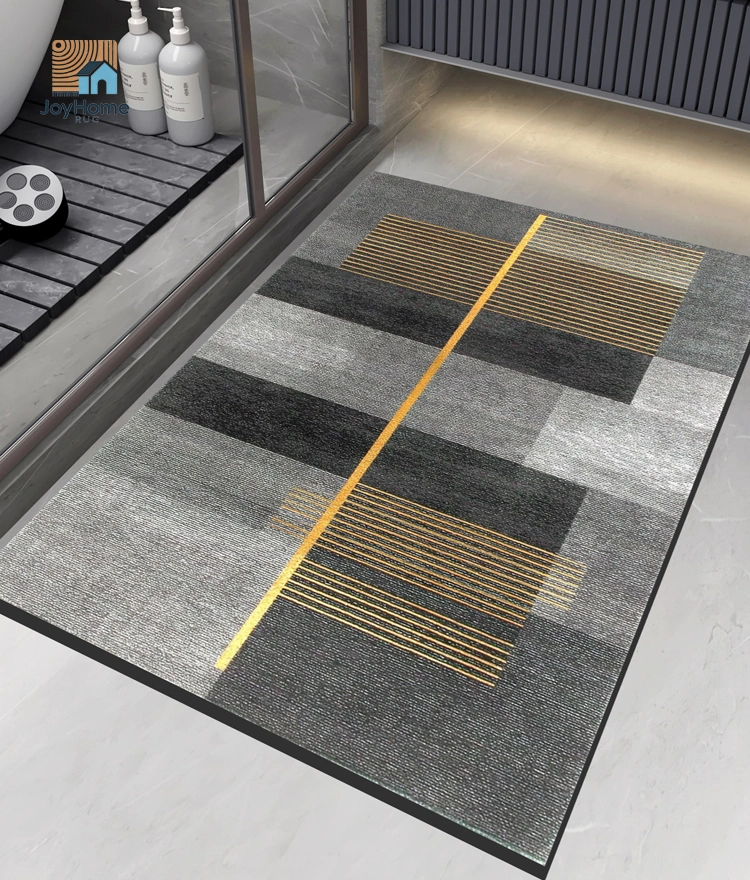
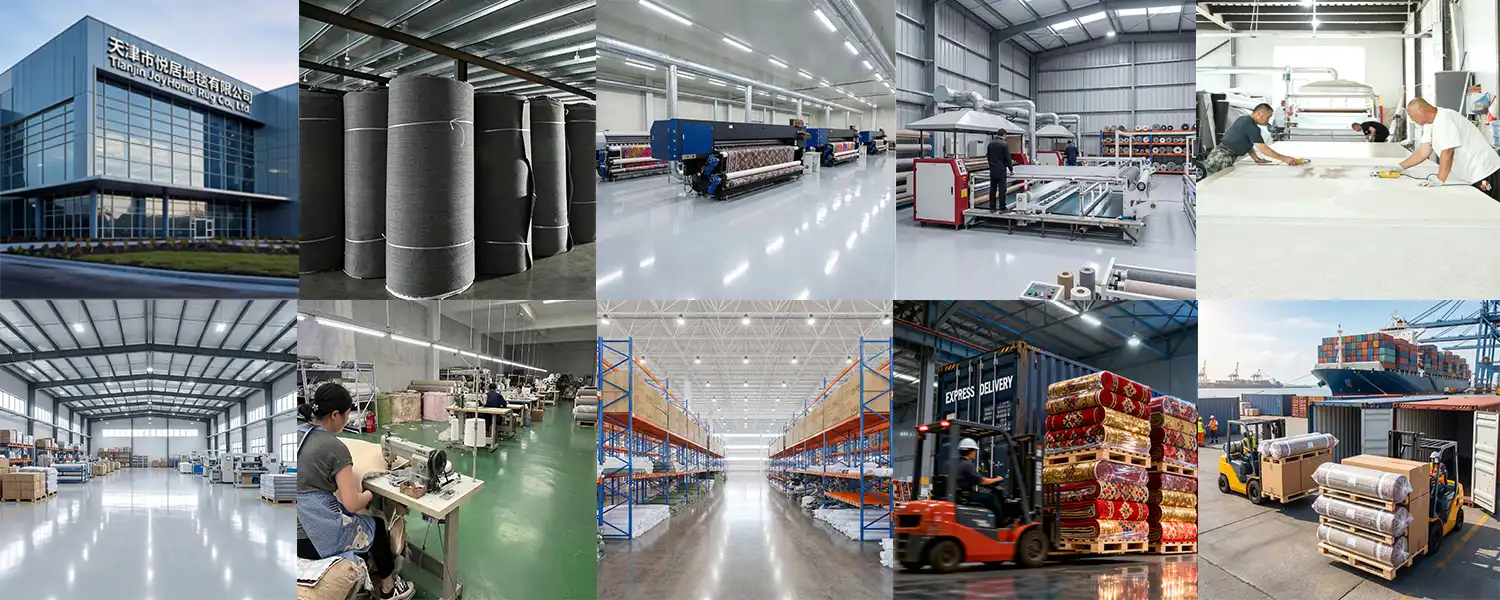
Three-dimensional 3D kitchen rugs are high-tech flooring options with multiple layers that impress with depth and texture using trompe l'oeil effects. These goods are different from regular flat-weave mats because they use high-resolution digital printing (usually 300+ DPI sharpness) or special weaving methods to look like things like natural stone, weathered wood, or abstract art. The structure usually has a printed polyester or PVC top layer, a memory foam or NBR (Nitrile Butadiene Rubber) middle layer, and an SBR or suction-cup technology-based non-slip bottom. Laser cutting, heat transfer printing, and edge-locking technologies are used on 25 advanced production lines at places like Tianjin JoyHome's 20,000-square-meter production center for modern manufacturing. This high level of technical complexity makes sure that goods keep their shape and appearance even when they are exposed to different temperatures and amounts of moisture, which is common in kitchens.
Market Demand Drivers
The rising success is due to consumers' goals becoming more similar. More and more, homeowners want products that look good and do useful things, like turning sterile cooking areas into visually interesting rooms that protect joints while meals are being prepared. The physical benefits are especially useful in open-concept homes with kitchens that serve as social places where people must stand for long periods of time. Commercial buyers in the hotel industry put these textiles at the top of their lists for service areas where customers are present and where branding needs to be reinforced, and slip resistance is required. Boutique bakeries and bars use visually striking mats to make a good first impression and keep staff safe when they're handling hot drinks. Customizing patterns helps build brand identity, and the rugs' barrier qualities keep expensive subfloor systems safe from damage caused by grease, water, and heat.
Versatile Application Environments
Real-world rollout happens in a number of different operating settings. In homes, these mats keep cooking tables in place, define borders in open floor plans, and add personality to areas that would otherwise be functional. They dry quickly and soak up water easily, which makes them perfect for homes with kids or pets where spills happen a lot. Commercial uses include prep tables for busy restaurants, assembly lines for caterers, and cafeterias for schools and other places where standing for long periods of time hurts productivity. When you touch textured surfaces, they give you psychological warmth, and the padded core relieves joint stress for chefs who work shifts of 4 to 6 hours. The product category adapts to different scale settings, from small kitchens in homes to large business spaces, demonstrating its flexibility.
Top 5 Benefits of Using 3D Kitchen Rugs at Home and in Commercial Spaces
Knowing the real benefits of these specialized materials helps procurement professionals make investment choices and make sure that product specs match practical needs. For both home and business use, the following perks will ease common problems.
Enhanced Ergonomic Comfort and Fatigue Reduction
When you stand on hard ceramic tile or concrete, you constantly put stress on your legs, knees, and lower back. When you put weight on these special 3D kitchen rugs, their memory foam or high-rebound polyurethane cores compress. This spreads the pressure over a larger surface area. The padding effect keeps you from getting tired after standing for long periods of time. This is especially helpful for home cooks who are making complicated meals or professional chefs who are working long shifts. Technical standards often include hardness grades designed to be soft enough to provide cushioning but firm enough to keep the user from becoming unstable. The smooth, soft feel of high-end models makes them particularly well-suited for walking barefoot and promotes natural standing positions instead of compensatory weight-shifting patterns. This comfort benefit is better than traditional polyester mats that get forever compressed or thin memory foam options that don't hold their shape.
Superior Moisture Management and Rapid Drying
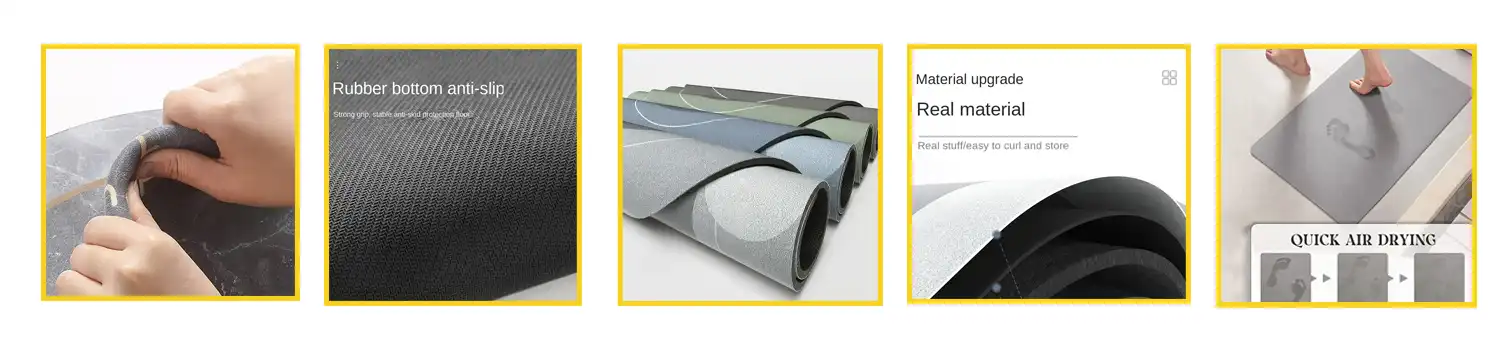
Kitchens are always dealing with wetness problems, like splashes from washing dishes and drips and spills that happen by chance. Products with diatomaceous earth technology can soak up water rapidly and effectively, moving it away from the surface in seconds. The tiny holes in this natural material, which comes from fossilized algae, hold water while also letting it evaporate quickly. Because they dry quickly, they don't feel wet and sticky like standard cotton or microfiber mats do, which is because they hold on to water and smell like mildew. When these mats are cleaned with either straight water rinsing or wiping with a cloth, they quickly return to their original shape without needing to dry for a long time. Premium models have hydrophobic coats that make liquids stick on the surface, preventing penetration of oils and sauces that typically stain conventional textiles.
Dual-Layer Anti-Slip Protection for Enhanced Safety
Safety is the most important thing to think about when choosing a kitchen floor, especially in places where water and grease can make things dangerous. These 3D kitchen rugs protect against slips with two layers of padding. The surface roughness, like fake cobblestones or geometric shapes, gives you a good grip whether you're barefoot or wearing shoes with soft soles. Below, special backing materials like thermoplastic rubber (TPR) or designed suction-cup arrays meet the R10 or R11 slip-resistance standards set by international safety rules. In high-traffic areas where people move quickly, like from the stovetop to the sink to the refrigerator, double anti-slip protection is a must. Different types of subfloors, like ceramic tile, hardwood, laminate, and even smooth concrete, don't bother the backing systems. They can be installed in a variety of places without the need for extra glues or bolts. This feature is safer in wet areas than colorful rugs that move around and make it easy to trip.
Long-Term Durability and Simplified Maintenance
Commercial-grade design means that these textiles will not break down even after heavy use. Peaking, bending, or delamination are common ways that lower-quality products fail. High-tenacity backing systems and strengthened edge treatments stop these problems. Products made to ISO 2551 standards for dimensional stability keep their shape even after many cleanings and heavy foot traffic. The materials resist typical cooking stressors, making them long-lasting and easy to clean. The polyester top layers don't get stained by acidic tomato sauces or turmeric that are acidic, and the non-porous diatomaceous earth parts keep bugs from growing. The qualities that can be washed allow for thorough, regular cleaning without hiring a professional. However, machine washing is not suggested to protect the structure's integrity. The ability to dry quickly cuts down on downtime, so you can use things again quickly after cleaning them.
Customization Flexibility and Design Integration
Modern production techniques allow for a lot of customization, so they can meet a wide range of stylistic needs and branding needs. Sizes that come standard are 40x60 cm, 50x80 cm, 40x120 cm, and 50x150cm. However, sizes can be changed, and precision cutting can be done to fit odd kitchen plans or specific space needs. Businesses can add logos, brand colors, or themed designs that strengthen their corporate character by customizing patterns in ways apart from measurements. This feature helps hospitality venues create graphic stories that flow through guest areas. Interior designers like that they can choose exact colour palettes and patterns that go with larger makeover plans, ensuring these functional textiles enhance rather than compromise their aesthetic visions.
How to Choose the Right 3D Kitchen Rug for Your Business Needs?
To make an informed choice, you need to carefully look at many different factors that affect both daily needs and long-term goals.
Assessing Dimensional Requirements and Spatial Considerations
You can avoid costly buying mistakes by accurately measuring the area where the installation will go. Consider not only the main area where people stand, usually the hallway between the stove and fridge, but also the adjacent areas where secondary mats could reduce the risk of falling. When it comes to businesses, mapping traffic patterns can help you figure out which places need better cushioning and which ones can get by with standard models. The ability to customize sizes gets rid of compromise. Instead of buying 3D kitchen rugs that are too big and could cause people to trip or too small mats that leave gaps, be clear about the exact sizes that will give you the best coverage. Before placing large orders, professional procurement teams often ask for models in the sizes they want to make sure they fit in the space they have planned.
Evaluating Material Composition and Performance Characteristics
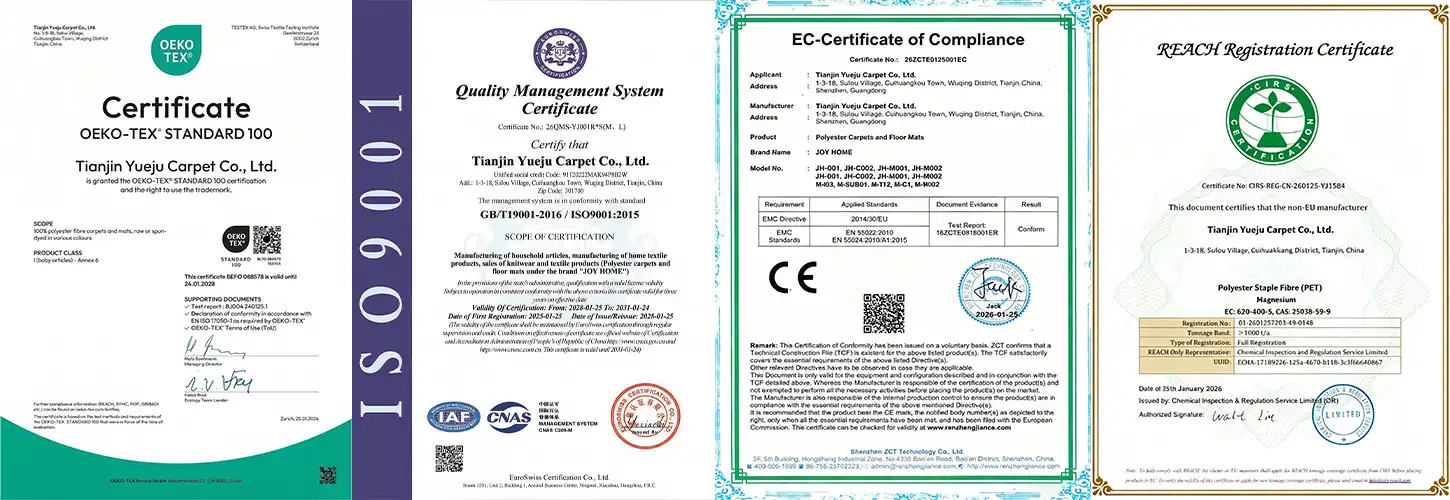
The choice of material has a direct effect on the useful performance across several key measures. Diatomaceous earth is particularly effective at keeping wetness away, but it might not be as cushioning as memory foam options. Polyester surfaces have exceptional colour brightness and stain resistance, making them ideal for high-end home use. On the other hand, PVC leather can handle harsh cleaning methods used in businesses. Compare technical details like differences in pile height that create the illusion of depth, yarn density measured in Dtex for durability checks, and Shore hardness scores for better ergonomics. Ask for material approvals that show they meet indoor air quality standards, such as REACH or CPSIA paperwork confirming low formaldehyde and phthalate content.
Analyzing Anti-Slip Performance and Safety Certifications
Friction coefficient tests that follow ASTM D2047 guidelines provide unbiased opinions on safety. Products that people have tried on ceramic tile, polished concrete, and wooden subfloors show that they can be used in a variety of installation settings. Make sure that backing systems don't lose their grip when they get wet, which is the most important performance factor in cooking settings. Safety approvals from well-known testing labs make a product more trustworthy, especially when it comes to business purchases where legal concerns drive decisions. Products that meet European R11 slip-resistance ratings or similar standards demonstrate the company's dedication to thorough safety testing.
Comparing Customization Options and Design Flexibility
Standard inventory models are good for simple uses because they offer quick access and low prices. Custom-made options can meet special needs, such as exact measurements, unique branding elements, or unusual colour requirements, but they usually come with longer wait times and higher minimum order amounts. Check out the OEM capabilities of different makers, including their in-house design teams that turn idea sketches into artwork that is ready for production. Digital printing technology in factories lets small batches be customized, while higher minimums may be needed for traditional sewing operations. JoyHome doesn't have strict minimum order quantities, so they can work on projects ranging from small custom units to big business installs.
Vetting Supplier Qualifications and Production Capabilities
The choice of supplier has a big effect on the consistency of the goods and the happiness of the transaction. Please verify the size of the manufacturing site. Bigger operations, like JoyHome's 20,000-square-meter complex with 100 professional workers and 25 production lines, show that they can reliably fulfill bulk orders. Ensure that the equipment includes laser cutting for precise edge work, heat transfer printing for intricate graphics, and automatic edge-locking to keep the structure strong. Ask for written proof of the quality control procedures, such as checks during production and tests of the finished product. Certifications that meet ISO standards for colour fastness (ISO 105-B02), physical stability, and washing sturdiness (ISO 105-C06) show that quality control is carried out in a planned way. See how disciplined the production process is by asking how often we test batches and how many defects we find.
Maintenance Tips to Maximize the Lifespan of 3D Kitchen Rugs
Following the right care instructions will keep a product's good looks and usefulness for as long as it lasts.
Establishing Routine Cleaning Protocols
Every day, you should shake the surface or gently vacuum on low speed to get rid of loose dirt so as not to damage the texture. Spills can be cleaned up right away by blotting them up with absorbent cloths instead of rubbing them in, which can push dirt deeper into the fibers. Direct water cleaning is a good way to get rid of residues that have built up on diatomaceous earth models. However, machine washing is not a wise idea because it could damage the structural bonds. Weekly cleaning routines should address accumulated cooking oils and food bits that have built up. When mixed with warm water, mild pH-neutral soaps clean well without breaking down hydrophobic coatings or losing colors. Don't use strong chemicals like bleach or cleaners with ammonia or rough scrubbing tools that can damage safe surface treatments. If you want to speed up the drying process after wet cleaning, lay 3D kitchen rugs upright or drape them over drying racks to help the wetness evaporate faster.
Implementing Periodic Deep Maintenance
Deep cleaning every three months removes dirt and grime that regular care can't see. Soak textiles in warm water with mild soap for 15 to 20 minutes, then rinse them well until the water runs clear. Enzymatic cleaners made for protein-based soils break down organic leftovers without using harsh chemicals, which is particularly effective for getting rid of tough spots. Before putting it back into service, make sure it is completely dry to prevent germs from growing in foam cores. During deep cleaning, check the non-slip backing. Grease or floor wax that builds up can make it harder to grip, so the bottom needs to be cleaned specifically with degreasing products. After cleaning, test the mat's stickiness by putting it on the surface where it will go and moving it side to side. A good backing should not slide when modest force is applied.
Storage Considerations for Seasonal or Rotational Use
When keeping mats during the off-season or while rotating multiple units, don't fold them. Folding makes lasting creases that hurt the mats' look and strength. Instead of rubber bands, which can damage surfaces, roll things up freely with the pretty side facing outward. Secure them with soft fabric ties. Keep things in climate-controlled spaces out of direct sunshine and high humidity to prevent mildew growth. Label stored units with purchase dates and usage hours to make sure that wear is spread evenly across multiple mats in business settings that keep their inventory rotating. This practice increases the group lifespan by keeping the most-used units from being overused while others are stored.
Procurement Insights: Where and How to Source Quality 3D Kitchen Rugs?
Strategic sourcing decisions balance quality requirements, budget limits, and working deadlines.
Identifying Reliable Supply Channels
For large buyers, direct ties with manufacturers offer the best value. Working with companies like Tianjin JoyHome Rug Co., Ltd., which makes home rugs and floor mats from various materials, gives you access to production know-how and customization options that you can't get through store middlemen. With direct buying, you don't have to pay markups to distributors, and you can discuss specifications with engineering teams that know about material science and output limits. Verified B2B sites help you find and compare different sellers at the same time. These platforms collect information about manufacturers, customer reviews, and certifications, which speeds up the initial screening process. But you should always check references with a third party, like by asking for business licenses, building inspections, or audit reports that prove the business is legitimate.
Understanding Pricing Structures and Volume Economics
Unit prices usually go down as the number of items ordered goes up, reflecting economies of scale in manufacturing. To understand what affects prices, you should ask for thorough quotes that break down the costs of materials, setup fees for production, and customization fees. Don't just look at ex-factory prices; also look at total landed costs, which include foreign shipping, customs taxes, and insurance. Planning for buying is affected by lead times. JoyHome's fast delivery shows that standard stocking items can be sent out within a week. However, fully customized orders for 3D kitchen rugs that require special tools or materials may take 4 to 6 weeks. When deciding between urgency and customization value, sometimes going with standard options that are very close to what you need can speed up rollout more than waiting for perfect custom specs.
Leveraging Customization and OEM Partnerships
When you can customize a product, it can become a tool that helps your brand stand out. Give suppliers specific information, such as Pantone colour codes for exact matching, high-resolution artwork files for printing graphics, and dimensional models for accurate size. Manufacturers with a lot of experience offer design advice services and can suggest changes that make production more efficient without changing the way the product looks. OEM relationships let companies work together more closely, which is especially helpful for stores or online shopping sites that are making their own lines of products. Some of the things that we can agree on are exclusive design rights, private labeling, and working together to create new features. JoyHome's full-chain service approach, which includes design help before the sale and quick responses after the sale, is a great example of the joint model that successful partnerships require.
Evaluating After-Sales Support and Warranty Programs
The level of after-sales service is often what sets good providers apart from average ones. Respondent customer service teams answer questions about installation, give cleaning instructions, and provide speed optimization ideas that get the most out of the product. Find out how long it usually takes to get answers to technical questions and if there is multilingual help for foreign transactions. Warranty programs protect you financially against problems with how the product was made. Standard coverage should cover material failures like peeling, colour fading beyond certain limits, or premature wear from normal use. Learn how to file a claim, what paperwork is needed, and when the problem will be fixed. Suppliers with a good reputation stand behind their products by offering simple guarantee management.
Conclusion
More than just making the kitchen look better, adding three-dimensional patterned flooring to both home and business kitchens has strategic benefits. These specialized goods solve basic operational problems like long-term wear and tear, managing moisture, safety risks, and heavy upkeep loads, while also improving the look of spaces by creating stunning visual depth effects. When improved manufacturing methods, new material science, and the ability to customize products come together, they create buying options that are the best in terms of both function and cost. To do good sourcing, you need to look at technical specs, seller skills, and total lifecycle costs in a planned way, instead of just focusing on the purchase price. When you work with well-known makers that have a track record of production, quality certifications, and a full service system, you can be sure that you will get consistent products and quick help throughout the ownership experience.
FAQ
How do three-dimensional designs compare to traditional flat kitchen mats in terms of durability?
The multiple layers that make up detailed models actually make them last longer than single-layer models. Peaking and bending are problems that regular mats have. High-tenacity backing systems and strengthened edge treatments stop these problems. Products made to ISO 2551 physical stability standards keep their structural integrity even after being cleaned many times and being used a lot. Under normal use, good models won't flake, crack, or deform, and in business settings, they often last two to three years longer than cheaper choices.
Can bulk orders accommodate specific branding or design customization requirements?
Digital printing technology and open production processes make it easy for modern factories to meet requests for customization. Adjustments to dimensions, custom colour matching, image inclusion, and the creation of custom patterns are all standard features. Minimum order amounts depend on how complicated the customization is. For example, simple colour changes might only need dozens of units, but completely custom designs that require new tools might need bigger pledges. Experienced sellers offer design advice to ensure that the artwork is optimized for production.
What cleaning practices preserve visual depth effects and material quality over time?
Regular upkeep includes wiping up spills right away, cleaning once a week with pH-neutral soaps, and deep-cleaning every three months with enzyme-based solutions for organic residues. Do not use harsh chemicals, machine washing, or rough scrubbing that wears away protected layers. Rinsing with water works best for diatomaceous earth models, while wiping with a cloth works best for textile surfaces. Complete cleaning before reinstallation stops water from building up. These routines keep the product's colors and textures bright and clear for as long as it works.
Partner with JoyHome for Premium Three-Dimensional Kitchen Flooring Solutions
JoyHome stands ready to support your procurement objectives with an extensive portfolio of customizable kitchen mat solutions engineered for superior performance across residential and commercial applications. Our 20,000-square-meter factory in Tianjin has 25 advanced production lines that are run by 100 highly trained professionals. Strict ISO-certified processes ensure consistent quality. We make goods from a variety of materials, such as diatomaceous earth, polyester, soft rubber, PVC leather, faux cashmere, and linen, so we can perfectly match your needs and tastes for how things look.
As a dedicated 3D kitchen rug supplier, we don't have to worry about standard minimum order quantities. We can also keep our prices low because we use efficient production methods. Standard orders are sent out within a week, but our design team works with you on custom orders that need specific sizes, labeled elements, or special visual effects. To talk about volume prices, sample requests, or technical requirements, email our procurement experts at admin@longtengmen.com. Our thorough pre-sale consultation and quick after-sale help make sure that deals go smoothly from the first question to the long-term performance of the product.
References
1. Anderson, M. & Chen, L. (2022). Ergonomic Flooring Solutions in Commercial Kitchen Environments: Impact on Worker Fatigue and Productivity. Journal of Occupational Health and Safety Research, 18(3), 45-62.
2. International Organization for Standardization. (2021). ISO 2551: Textile Floor Coverings – Determination of Dimensional Changes Due to the Effects of Varied Water and Heat Conditions. Geneva: ISO Publications.
3. Martinez, R. (2023). Advanced Materials in Hospitality Design: Functional Aesthetics for High-Traffic Environments. New York: Commercial Interiors Press.
4. Thompson, K. & Wallace, J. (2022). Slip Resistance Testing Protocols for Commercial Flooring: ASTM D2047 Applications and Industry Standards. Building Safety Quarterly, 29(4), 112-128.
5. Wang, H. (2023). Diatomaceous Earth Applications in Moisture Management Textiles: Material Science and Performance Analysis. Materials Engineering Review, 41(2), 78-95.
6. Zhao, Y. & Kumar, S. (2021). Three-Dimensional Textile Manufacturing: Digital Printing Technologies and Design Innovation in Floor Coverings. Textile Technology International, 15(1), 34-51.
Online Message
YOU MAY LIKE
High quality furniture manufacturer