Jun 12, 2026
Trending Geometric Carpet Stairs Designs for 2026
Geometric carpet stairs are one of the most important new flooring ideas coming to the business and domestic market in 2026. Patterns like chevrons, hexagons, lattices, and diamonds were carefully built into these specialized works to improve the transitions between vertical and horizontal lines. In addition to looking nice, geometric carpet stairs serve important practical purposes: they hide uneven subfloors, provide high-contrast visual cues for safety, and keep the pattern's integrity even when people walk on them every day. When purchasing managers, interior designers, and building engineers look at different staircase options, they need to know about current design trends so that projects have the right mix of looks, long-lasting quality, and low cost.
Understanding Geometric Carpet Stairs and Their Benefits
What Makes Geometric Patterns Stand Out?
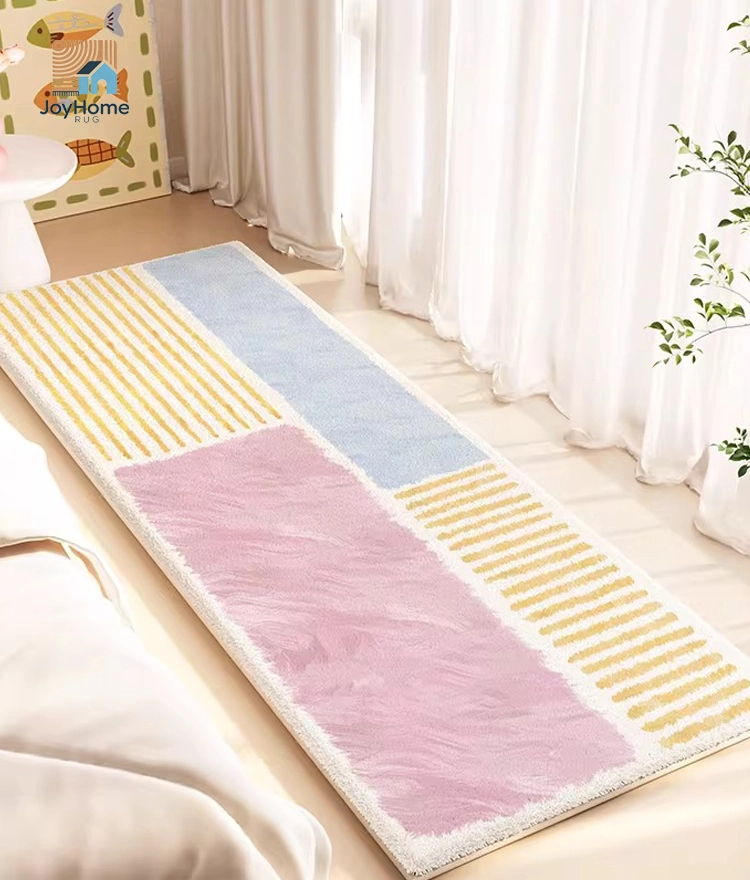
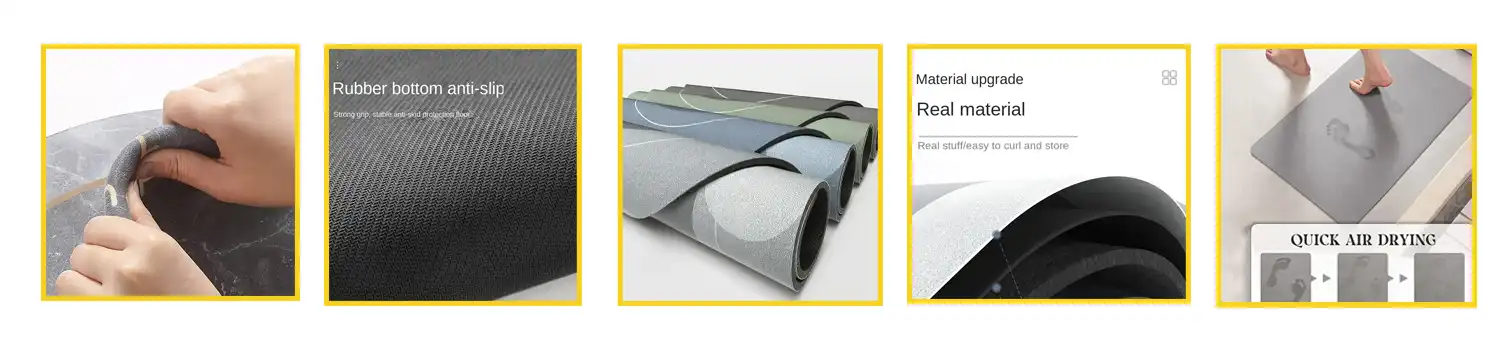
In contrast to solid-color carpeting, geometric designs use repeated mathematical patterns to add structure to the overall design. The surface has a technical flannel feel, clear designs, a soft touch, and a little fluff. It has a classy look that goes well with the clean lines of modern architecture. You can still change the colour choices in any way you want, so they fit with any business brand or home design theme.
Enhanced Safety and Comfort Features
Stair design must always put safety first. The uneven surfaces and high-friction backings of geometric carpet stairs make them twice as safe against slipping. The fine, soft touch makes going barefoot more comfortable and less stressful on the joints. According to research from the National Safety Council, clearly distinct tread patterns help people avoid tripping by making it easy to tell how deep something is. This makes these rugs especially useful in business spaces with a lot of foot traffic.
Durability Meets Modern Aesthetics
These goods can stand up to tough situations thanks to advanced manufacturing technology. Polyester, fake cashmere, and carefully treated fibres are used to make materials that absorb water very well and dry quickly, so you can say goodbye to surfaces that are wet and sticky. The design makes it easy to clean and drys quickly, and the print stays clear even after years of use. Pile weights between 32 and 50 ounces per square yard keep the backing hidden when the carpet is spread over stair nosings. This way, the carpet's appearance is kept even after thousands of people walk on it every day.
Trending Design Ideas and Material Choices in 2026
Bold Motifs for Contemporary Spaces
In 2026, lively geometric forms will be popular in design. Chevron patterns make things move up, which makes them perfect for business lobbies and modern homes that want to show growth and energy. Hexagonal tessellations create a sense of natural flow while still looking sophisticated and structured. They work especially well in small hotels and high-end flats. Lattice designs are elegant and modern at the same time, which makes them great for professional offices that want to look good for a long time.
When choosing designs, think about how the stairs are built. Straight runs can handle bigger repeats, while winding stairs work better with smaller, tighter geometric pieces that cut down on waste during pie-cut installations. Our factory in Wuqing District, Tianjin, has 25 high-tech production tools, such as laser cutting and heat transfer printing, so it can match complex patterns perfectly, making sure that the visual flow is smooth on landings and turns.
High-Performance Material Selection
The choice of material has a direct effect on how long something lasts and how much care it needs. Here are some of the main benefits of advanced production for materials:
Type 6,6 Nylon: This solution-dyed fibre keeps geometric lines sharp without "blooming," which makes design edges less clear. Its high robustness and fibre memory make sure that patterns stay clear even in places where more than 500 people walk by every day. Heat-set processing makes the dimensions more stable, stopping the bowing and skewing flaws that make geometric axes not line up.
Polyester Blends: Polyester blends treated with fluorochemical dirt resistance are cost-effective without losing performance. They also do a great job of blocking stains. When it comes to domestic uses where modest traffic is acceptable, and cost is a concern, these materials work perfectly.
Sustainable Wool Alternatives: New Zealand wool is still the best choice for high-end setups because it naturally resists fire and hides dirt. Faux cashmere and naturally treated fibres that have been treated are eco-friendly options that meet the growing demand for sustainability while still having a good feel.
These important new ideas solve certain problems with buying geometric carpet stairs that have to do with lifetime costs. An industry study from the Carpet and Rug Institute says that geometric carpeting on stairs can last 8–12 years in business settings, while standard solid carpets only last 5–7 years. The extra investment is usually paid back in the first replacement cycle thanks to a longer useful life and less work needed for upkeep.
Colour Psychology and Practical Application
Colour choice is more than just a matter of taste. Dark geometric designs on light backgrounds make a strong visual contrast that makes tread lines stand out more clearly, which improves safety. On the other hand, tone-on-tone designs in neutral colours work well in business settings that value modest grace. Greys, taupes, and soft blues used together in mid-tone palettes show the trend towards biophilic design principles for 2026, which connects indoor areas with natural settings.
Installation and Maintenance Best Practices for 2026 Trends
Professional Installation Techniques
To put down geometric carpet on stairs correctly, you need to be very careful with the details. When you tightly wrap the carpet around the nosing and tuck it under the tread, the Hollywood or contoured wrap method works best for geometric patterns. This method brings out the details of the design and stops it from looking too loose, which takes away from its visual effect.
Aligning patterns needs to be carefully planned. We figure out 20–30% waste factors for stairs that wind around, making sure that geometric planes stay in the middle of wedge-shaped steps. Pattern unity is kept in place through intermediate zones with low-moisture seaming tapes and centre-point motif matching at landings. Our pre-sale design support includes thorough plan drawings that show where to cut and sew, which helps keep things clear in the field and prevents mistakes during installation.
You can't forget to prepare the subfloor. Because geometric patterns draw attention to surface flaws instead of hiding them, it is important to level the surface carefully. To keep patterns from getting messed up and wear from concentrating too soon, stairs must be flat within 3/16 inch over 10 feet.
Maintenance Strategies That Preserve Investment
The trendy geometric carpet stairs are made to last and be easy to clean. Regular repair procedures keep things looking good and extend the life of the service. Two times a week, use tools with beating bars set to the right pile height to vacuum the traffic lanes. Deep cleaning once a month with low-moisture sealing systems stops film buildup that makes colours look dull and attracts dirt.
In places with a lot of foot traffic, you can stop wear by strategically placing landing mats during busy times and having a professional check the seams on a regular basis. Because good geometric carpets dry quickly, they can be put back into use the same day after being cleaned, which keeps business facilities running smoothly.
When it comes to installation and maintenance, geometric designs are easier to hide than regular carpet. They also cover up traffic patterns and dirt better. Pattern matching may make the original installation costs 15-20% higher, but the total lifetime costs are usually 25-30% lower when you consider the longer time between replacements and less visible dirt between deep cleans.
Choosing the Right Geometric Carpet Stairs: Comparison and Procurement Guide
Performance Comparison Across Flooring Types
When looking at different types of stair flooring, geometric carpet stairs stand out as being the best choice. Compared to plain rugs, geometric designs are better at hiding dirt and adding visual interest without costing anything extra other than the cost of licensing the patterns. Compared to wooden stairs, carpeted choices offer noise reduction, impact protection, and non-slip properties—all of which are important in homes with elderly people or businesses that want to lower their liability.
The coefficient of friction (COF) for good geometric loop constructions is usually between 0.6 and 0.8 when dry and between 0.5 and 0.7 when wet. This is higher than the ADA minimum standards of 0.6 for flat surfaces and 0.8 for stairs. Because of how well they work, geometric carpet stairs are perfect for places like institutions where safety paperwork is important.
Procurement Considerations for B2B Buyers
Prices for geometric carpet stairs depend on the type of fibre, the difficulty of the design, and the number of items ordered. It makes sense that bulk orders have better unit economics, but project-specific buying can also be supported by flexible minimum order amounts. JoyHome doesn't have a strict MOQ, so we can take special orders as small as a single staircase for a repair project or as large as a lot of stairs for a multi-property development.
Important things to think about when buying something are the warranty terms that cover manufacturing flaws, wear guarantees, and the quality of the fitting work. Standard business guarantees last between 5 and 10 years, based on the type of use and how well the warranty is maintained. When planning building plans, delivery procedures are very important. Being able to deliver quickly, with lead times as short as one week for standard patterns, keeps projects from being delayed, which costs a lot of money.
Selecting Reliable Suppliers
When choosing a supplier, you should look at their image, their ability to customise, and their commitment to sustainability. Manufacturers who are recognised by worldwide standards show that they care about quality control and the environment. Look for partners that offer full-chain service, such as design help before the sale and quick responses after the sale. This way, problems can be fixed right away instead of being put in administrative lines.
The ability to work together with OEM and ODM shows how sophisticated the manufacturing process is. Suppliers who offer product design plans and design services can turn abstract ideas into detailed instructions that can be carried out. This lowers the risk of buying. This partnership method works especially well for interior designers who are working on projects for a lot of different clients, each with their own unique style needs.
Future Trends and Strategic Outlook for Geometric Carpet Stairs
Technology Integration and Smart Flooring
In 2026, the coming together of floors and technology speeds up. Facility managers can keep an eye on repair plans and traffic patterns by using geometric carpet stairs with RFID tracking chips. This lets them figure out the best way to clean the stairs and when they should be replaced. Embedded sensors can find areas of high moisture and send repair alerts before damage happens.
Sustainability and Circular Economy Models
Being aware of the environment changes the goals of purchasing. More and more carpet manufacturers are offering take-back programs for old carpet. This keeps trash out of landfills by turning it into new goods. Solution-dyed fibres are used to make geometric designs that don't require a lot of water for dyeing. This is better for the earth and keeps the colours bright longer.
The shift toward bio-based products is still going strong, with next-generation polyesters derived from plants rather than oil. These new ideas keep the same level of performance while handling worries about carbon footprint that affect purchasing choices in ESG-conscious businesses.
Strategic Recommendations for Competitive Advantage
Innovative design applications can help businesses stand out. Adding corporate names or brand colours to custom geometric designs on stairs turns them from plain old stairs into branded experiences that reinforce identity at every step up or down. Lifecycle planning that takes into account pattern update rounds keeps things looking modern without having to be replaced completely, which increases the value of an asset.
Protecting capital spending means making upkeep more efficient by training staff and buying new tools. Taking the right steps to care for something can make it last 30 to 40 per cent longer, which greatly increases the return on investment. Forward-thinking procurement strategies take these practical facts into account and judge suppliers based on their training, support, and upkeep product availability, not just the price of the product.
Conclusion
Geometric carpet stair designs that are popular in 2026 combine new ideas with old ones in terms of how well they look and how well they work. These special flooring options meet safety standards by making floors less slippery and providing visual cues. They also offer design freedom that works with a wide range of architectural ideas. New materials have improved durability to the same level as or higher than traditional choices. They also have upkeep features that keep their look and extend the time between replacements. As smart building integration and commitments to sustainability change the goals of property management, projects with geometric carpet stair patterns are at the centre of how the industry is changing. If procurement professionals understand these factors, they can recommend solutions that meet both the needs of the current project and the needs of long-term operating efficiency. This creates value that lasts far beyond the initial installation.
FAQ
How long do geometric carpet stairs last compared to traditional options?
In business settings, good geometric carpet stairs usually last 8 to 12 years, which is longer than the average of 5 to 7 years for solid-colour options. The pattern's complexity helps hide signs of wear and dirt buildup, keeping the pattern's good looks for longer. Choosing the right material is very important. Type 6,6 nylon setups in homes with mild traffic can last for 15 years or more with the right care.
Can geometric patterns be customised for large-scale commercial projects?
Of course. Modern production techniques allow for a lot of customisation, from changing the colour palette to match company brand guidelines to making completely custom patterns that incorporate building themes. Minimum order amounts depend on how complicated the job is, but open makers can meet the needs of any project. Production wait times for unique designs are usually between 3 and 6 weeks, so they need to be specified early on in the planning stages of a project. Design services help turn abstract needs into specs that can be manufactured, making sure that the end product matches the goals of the project.
What materials work best for high-traffic areas?
Applications with a lot of data need fibre systems that are strong. The best performance comes from solution-dyed type 6,6 nylon, which has excellent wear protection and pattern retention properties. Loop pile designs better spread weight than cut piles, so they don't crush the ground and keep the texture. Treatments like dirt resistance and constant anti-static strands take into account issues that come up in business settings. For projects that need to stay within a budget, polyester mixes work well enough and don't cost too much, but they may need to be replaced more often (20–30% less often than premium nylon choices).
Partner with JoyHome for Your Geometric Carpet Stairs Solutions
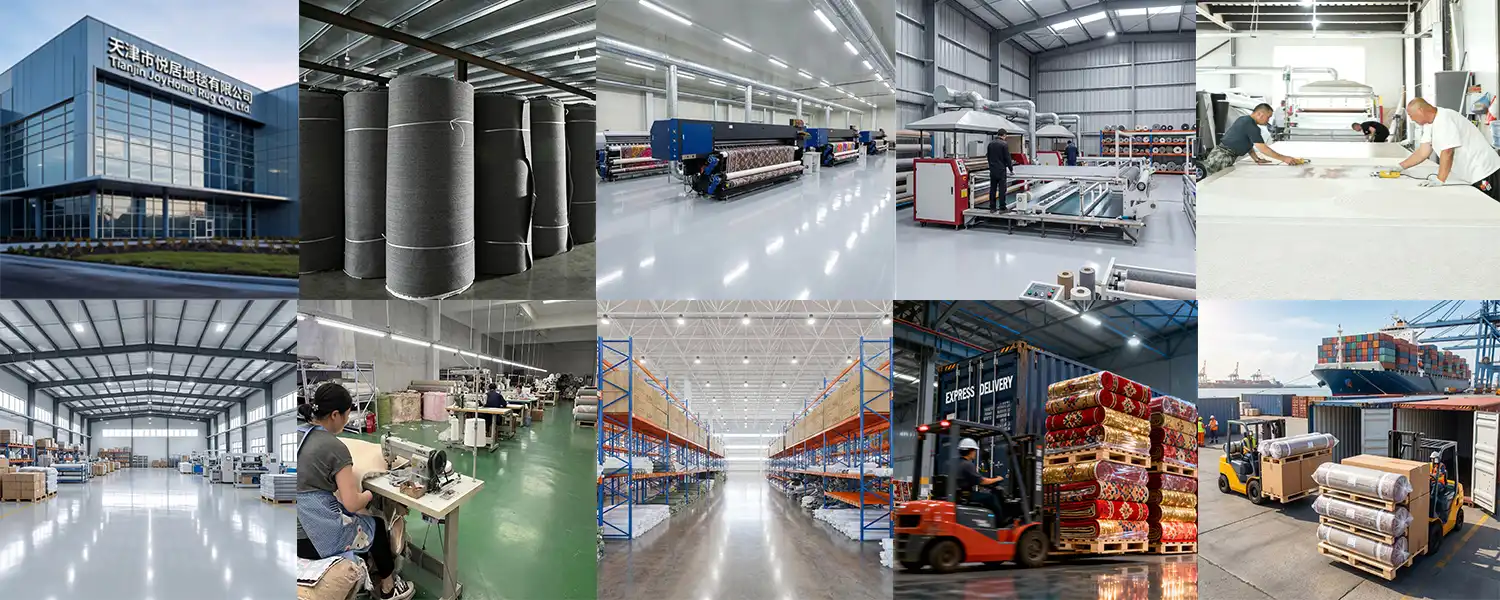
To take your staircase projects to the next level, you need a maker of geometric carpet stairs who is dedicated to quality, customisation, and quick service. JoyHome works from a 20,000-square-meter building in Tianjin with 25 high-tech production systems and 100 professional workers. We can do a lot of different things for every job. Our wide range of materials includes polyester, diatom mud, soft rubber, PVC leather, fake cashmere, and natural fibres. This means we can provide the best options for both home and business use, whether the need is for style or sturdiness. Strict quality control that meets international standards ensures consistent performance, and there are no fixed minimum order quantities (MOQs), so projects of any size can be accommodated. Our full-chain service model supports procurement success from giving product drawings and specs before the sale to quickly helping customers after the sale. Email our team at admin@longtengmen.com to discuss your geometric carpet stair needs and get personalised quotes that balance your style goals with your budget.
References
1. Carpet and Rug Institute. "Commercial Carpet Performance Standards and Lifecycle Analysis." Industry Research Report, 2025.
2. National Safety Council. "Stairway Safety and Visual Perception: Impact of Surface Patterns on Fall Prevention." Safety Engineering Journal, 2024.
3. Interior Design Association. "2026 Flooring Trends: Geometric Patterns in Commercial and Residential Spaces." Annual Design Forecast, 2025.
4. Green Building Council. "Sustainable Flooring Materials: Environmental Impact Assessment of Carpet Production Methods. "Environmental Standards Publication, 2025.
5. American Society of Interior Designers. "Material Selection Guide for High-Traffic Commercial Interiors." Professional Practice Manual, 2024.
6. International Facility Management Association. "Lifecycle Costing Models for Flooring Systems in Multi-Story Buildings." Procurement Best Practices Series, 2025.
Online Message
YOU MAY LIKE
High quality furniture manufacturer