Jul 6, 2026
Utility Door Mat: Choosing the Right Size and Material
Choosing the right floor covering for your entrance isn't just about how it looks; it also affects safety, cleanliness, and the cost of care over time. A utility door mat is your first line of defense against dirt, wetness, and other things that people walk on and bring inside, which can damage floors and make them slippery. Whether you're a homeowner wanting to protect your wooden floors, an interior designer choosing materials for a business project, or a buying manager looking for supplies for several stores, it's important to know how to pick the right size and material. This guide shows you the practical things you need to think about to make sure your investment works well, lasts a long time, and is worth the money in both home and business settings.

Understanding Utility Door Mats – Purpose and Key Benefits
Why Functionality Matters More Than Appearance
In contrast to colorful accent rugs, a useful floor covering at entryways is designed to do its job. Up to 80% of the dirt and wetness that comes in through the transition zone is trapped by these special utility door mats. This keeps the contaminants from getting into the rooms inside. This barrier lowers the number of times that the floor needs to be cleaned, keeps expensive floors safe from rough particles, and reduces the number of slip-and-fall accidents that can result in insurance claims in business settings.
Core Advantages That Drive Purchasing Decisions
There are measured benefits in many areas when you invest in the right entrance option. The benefits go beyond just getting rid of dirt; they also include meeting safety standards, saving time on upkeep, and even improving brand recognition when customization choices are used.
High-quality choices keep dirt in better because they are made of dense fibers. JoyHome's designs have a crystal velvet surface that picks up small particles that smooth surfaces miss. The 5mm thickness makes sure that doors can open without affecting the surface's ability to trap dirt. This balance solves a common problem where bigger mats make it hard to open doors and close them properly, while smaller mats don't catch as much dirt.
Professional-grade goods have safety features like non-slip backing systems that keep them in place. Dot plastic or silicone strip backing technologies keep mats from moving on smooth surfaces, which is very important in business settings where people walk around a lot and cause changing forces. The moisture-absorbing layer and quick-drying qualities work together to get rid of dangerous standing water.
When door mats work as intended, they save a lot on maintenance costs. Facilities that use door mats that are the right size and specification report a 60% drop in the number of times they need to clean the floors inside. Quality polyester choices are made to be machine-washable, which makes maintenance easier. Regular rotation and cleaning processes keep the look and function without the need for special tools.
Applications Across Diverse Settings
These options can be used in mudrooms for homes, hotel lobbies, storefronts, office buildings, places of worship, and show halls. Different places have different problems, like mud from pets in homes or salt waste in businesses during the winter. The right material and size choice can solve these problems.
How to Choose the Right Size for Your Utility Door Mat
Measuring for Maximum Coverage
Getting the right size starts with measuring the opening correctly. At least three to four steps should be taken to reach the coverage area. For business settings, this should be 8 to 12 feet, and for domestic ones, it should be 4 to 6 feet. This length lets people take several steps, which move dirt from their shoes onto the mat's surface.
How wide something is depends on how the doors are set up and how people use the space. For a home entry with one door, mats should be 24 to 36 inches wide. For business double-door systems, mats should be 48 to 72 inches wide to cover the whole area without any gaps. Custom-sized choices get rid of the common problem where standard sizes leave edges open to dirt, letting it go right around the mat.
Traffic Volume Assessment
How much foot traffic affects both the size and longevity needs of the material. Light home use is very different from retail settings that get hundreds of people every day. Larger coverage areas and heavier weights work better in business settings with a lot of foot traffic. JoyHome offers weight choices from 750g to 1100g per square meter to meet different traffic loads for every utility door mat.
Whether the item will be placed indoors or outdoors also affects the size choice. Mats on the outside remove large pieces of garbage, while mats on the inside collect the last bit of moisture and small particles. Overall success is best when multi-mat systems use matching sizes at transition points.
Standard Versus Custom Dimensions
Standard sizes save money and make things available right away for popular uses. Custom measurements, on the other hand, can solve problems that ready-made solutions can't. Custom production is often necessary because of things like odd-shaped entryways, brand marketing needs, and safety standards that are specific to a building.
JoyHome's flexible method gets rid of the need for strict minimum order amounts, which usually limit custom sizing to big projects. Because of this, interior designers can give accurate measurements to customers who are buying for their homes, and business procurement teams can make sure that custom sizes are the same in all of their locations. For large custom orders, the production time frame of 7–15 days keeps projects on plan without having to wait for longer lead times.
Selecting the Best Material for Your Utility Door Mat
Material Properties and Performance Characteristics
The choice of material has a direct effect on how well a utility door mat does what it's supposed to do. Each type of fiber has its own benefits that make it better for certain situations and ways of using it.
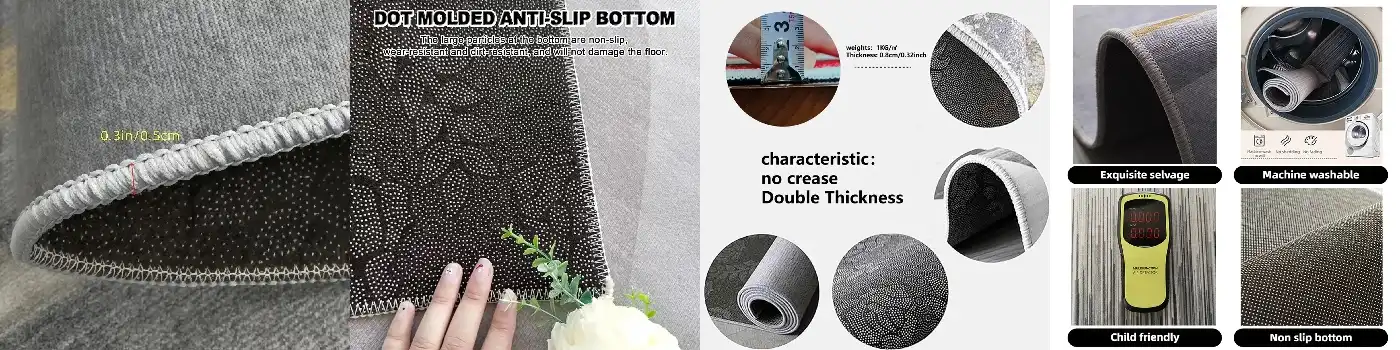
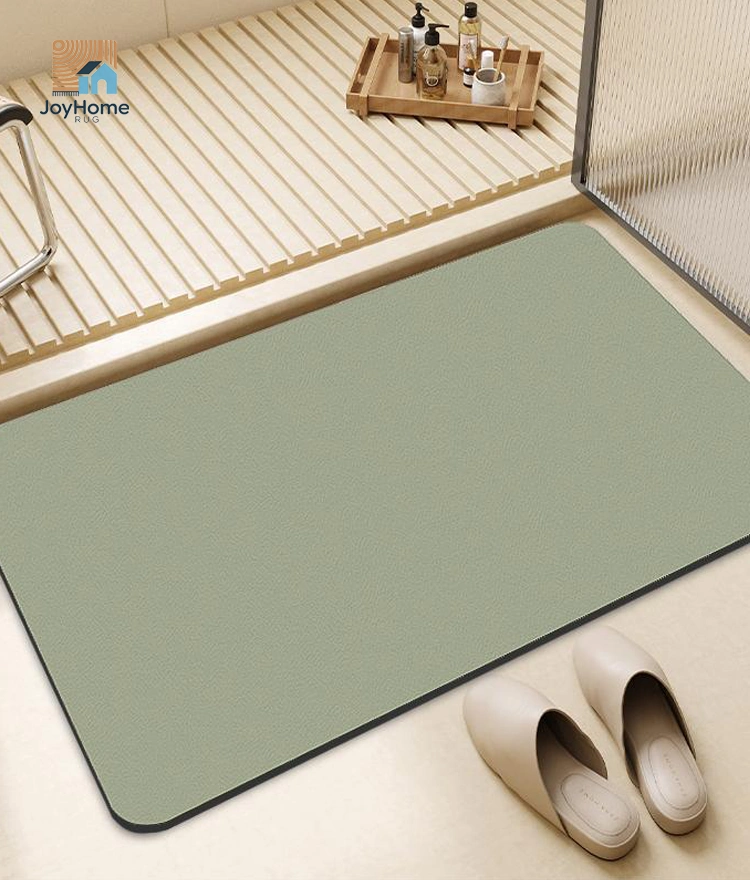
Crystal velvet is made from high-density polyester threads that make the surface soft and comfy while still being very good at catching dirt. The structure of the fibers traps small particles by mechanical interaction, and the ability to absorb water stops it from spreading further into buildings. When washed in a washing machine, this material doesn't lose its look, even after many rounds.
Slip resistance is built on top of rubber backing systems. Professional-grade dot plastic backing makes friction points that stick to smooth surfaces without using glues that damage floors or leave behind sticky residue. When used in business settings where mats need to be moved around a lot, silicone strip options are more durable.
Moisture Management Capabilities
Because it absorbs water and dries quickly, it keeps water from standing, which can be dangerous and smell bad. Layered construction in good designs moves wetness from the walking surface to lower holding zones, which keeps the top dry for the next person to use. Having this feature is very important in places where it rains a lot or when snow and ice melt in the winter.
Environmental and Sustainability Factors
Environmental effect and functional success are becoming more and more important in procurement choices. Polyester fiber choices are easier to recycle than petroleum-based options, and patterns that can be washed in a machine cut down on the use of throwaway items. Durable construction has a longer lifespan—often 3 to 5 years with proper maintenance—which makes it more environmentally friendly than replacing less durable options more often.
Anti-stain methods that are used during production keep things from getting permanently dirty, which would shorten their useful life otherwise. These surface treatments use chemicals that are safe for the environment and keep working without releasing dangerous gases that are a problem for indoor air quality.
Maintenance and Durability Considerations in Procurement
Cleaning Protocols That Extend Service Life
Maintenance needs depend on the type of material and how often the utility door mat is used. Options that can be washed in a machine make regular cleaning easier. For example, people who live in their own homes can wash mats in regular home machines, while businesses use industrial machines for big processing. The 0.6 cm wide lock-edge wrapping design keeps it from coming apart during machine cleaning.
As part of routine maintenance, you should shake or vacuum to get rid of loose dirt and dust between deep cleanings. Daily vacuuming and weekly washing rounds keep business spaces with a lot of foot traffic running at their best. Quality materials dry quickly, so cleaning mats can be put back into use within hours instead of days (which is what usually happens).
Durability Factors That Justify Initial Investment
The quality of the construction decides how long a door solution lasts and whether it needs to be replaced too soon. Heavy-duty development using weight standards of 750 to 1100g per square meter gives structures strength that doesn't break under heavy loads and repeated traffic patterns.
The 5 mm thickness is the perfect amount of depth to catch trash without making it hard to open doors or causing people to trip over the height. This design is good for doors because it stops the binding and damage that happens when mats that aren't made right get in the way of door swing patterns.
Fade-resistant colors keep their professional look for as long as they're used. Custom pattern designs use advanced heat transfer printing technology that can withstand being in the sun and being cleaned over and over again without losing its color, which makes things look worn out after months of use.
Quality Standards and Certifications
Professionals in procurement should make sure that safety standards are being followed. Manufacturers with a good reputation check every item thoroughly before sending it out. This way, they can find any flaws that might affect performance or safety. The non-slip backing should meet standards for coefficient of friction, and fire resistance scores are important for businesses that have to follow strict building code rules.
Procuring Utility Door Mats – Tips for B2B Buyers
Evaluating Supplier Capabilities
A successful procurement process for utility door mats includes more than just product specs. It also includes how reliable the provider is and how well they can help you. The manufacturing capacity of a supplier determines whether they can meet deadlines for large orders. For example, JoyHome's 20,000-square-meter facility with 25 high-tech machines and a daily production capacity of 3,000 square meters can handle large projects without sacrificing quality by working too quickly.
When unique needs include adding a name, matching a specific color, or needing something with odd dimensions, technical knowledge is important. A supplier that offers full OEM/ODM customization services can help with design, turning ideas into products that can be used. This feature is useful for stores that want to make branded entrances and for business clients who want to make sure that all of their buildings look the same.
Cost Optimization Strategies
When you buy in bulk from well-known makers, you can save a lot of money without losing quality. The flexible minimum order quantity method lets buyers get the most out of their inventory investments by buying just the right amount to get good prices without having too much stock that takes up room and money.
Standard export packaging choices, such as roll packaging, box packaging, and woven bag packaging, keep goods safe while they're being shipped internationally and meet customs requirements. This advanced packaging keeps things from getting damaged or held up when sellers don't use the right materials for long-distance shipping.
After-Sales Support and Long-Term Partnership
Suppliers who are true partners set themselves apart from transactional sellers by providing reliable help before and after the sale. Technical advice during the creation of specifications keeps requirements and given goods from not matching, which can be very expensive. Respondent's after-sales service takes care of the questions and problems that will inevitably come up while the product is being used and set up.
Competitive lead times and clear communication help with project management. For bulk custom orders, the 7–15 day shipping window gives you peace of mind that lets you work with building plans, seasonal demand, and inventory planning cycles.
Conclusion
To get the best performance and value when choosing the right entrance option, you need to think about size, material qualities, upkeep needs, and the supplier's abilities. The right size makes sure that everything is covered without causing any dangers, and the right material is chosen based on the surroundings and the amount of traffic. Designs that are easy to maintain and are built to last give you years of reliable service that pays for itself through lower running costs and fewer replacements of each utility door mat. Working with makers who offer customization options, quality assurance, and quick support changes buying from a one-time purchase to a long-term relationship that helps with building management goals and brand presentation goals in a variety of settings.
FAQ
What size should I choose for high-traffic commercial entrances?
Coverage that goes 8 to 12 feet into the entrance zone is usually needed in commercial settings so that multiple steps can effectively move waste. The width should go all the way around the door opening, plus 6 to 12 inches on each side to keep dirt from getting around the edges. Custom sizing for a utility door mat gets rid of gaps that make things less effective in doorways that aren't standard sizes.
How often should commercial entrance mats be cleaned?
Places with a lot of foot traffic should be vacuumed every day to get rid of loose dirt and should be machine-washed once a week to keep the best moisture absorption and look. In residential settings, things need to be vacuumed once a week and washed once a month. Quality materials dry quickly, so they don't stop service too much during cleaning processes.
Can I customize mats with company logos and specific colors?
Full OEM/ODM customization lets you add your own name, make your own patterns, and match colors exactly. With heat transfer printing, you can make pictures that won't fade and will still look professional after years of use and many cleanings. Customization is possible for projects of different sizes thanks to flexible minimum amounts.
What backing type provides the best slip resistance?
You can get professional-grade dot plastic backing that works great on smooth surfaces for most uses, while silicone strip alternatives last longer in harsh industrial settings. Both choices keep mats from moving around without using glues that damage floors or leave behind dust, so they meet safety standards for not slipping.
Partner With JoyHome for Your Entrance Solution Needs
JoyHome brings more than 20 years of experience making things to every project they work on that involves a door cover. They use cutting-edge production technology and offer open customization options to meet your needs for any utility door mat. Our 20,000-square-meter factory has 25 state-of-the-art tools that make high-quality floor covers. All of them are inspected by hand before they are shipped, so they work the same way in both homes and businesses. Our short wait times and flexible minimum order numbers make it easy to handle projects of all sizes. Whether you need standard sizes that can be delivered right away or custom sizes that can include your logo for brand presentation, we can help. Contact our team at admin@longtengmen.com to talk about your entrance solution needs with experienced suppliers who know how to find the right mix between functionality, durability, and cost-effectiveness to make good buying choices.
References
1. National Floor Safety Institute. "Slip and Fall Prevention Standards for Commercial Entrances." Journal of Facility Management, 2022.
2. Building Owners and Managers Association International. "Best Practices for Walk-Off Mat Systems in Commercial Buildings." Facilities Management Report, 2021.
3. American Society for Testing and Materials. "Standard Test Method for Static Coefficient of Friction of Shoe Sole and Heel Materials." ASTM F2913-19, 2019.
4. International Sanitary Supply Association. "Soil Removal Efficiency of Entrance Matting Systems." ISSA Technical Research, 2020.
5. Green Building Council. "Sustainable Material Selection for High-Traffic Floor Coverings." LEED Reference Guide, 2023.
6. Occupational Safety and Health Administration. "Walking-Working Surfaces and Personal Protective Equipment Standards." OSHA Publication 3124, 2021.
Online Message
YOU MAY LIKE
High quality furniture manufacturer