Jun 15, 2026
Utility Door Mat: Keep Dirt and Moisture Out in Style
A utility door mat is the first line of defense against tracked-in dirt and wetness, as it is designed to catch up to 80% of the dirt within the first few feet of any opening. These special floor covers, unlike decorative rugs, are both useful and nice to look at. They have high-density fibers and advanced backing systems that protect indoor flooring while keeping a professional look. Choosing the right door mat can have a big effect on upkeep costs, guest impressions, and safety compliance, whether you're in charge of a storefront, a hotel hallway, or a home entryway.
What Is a Utility Door Mat and Why It Matters
Defining Utility Door Mats vs. Standard Floor Coverings
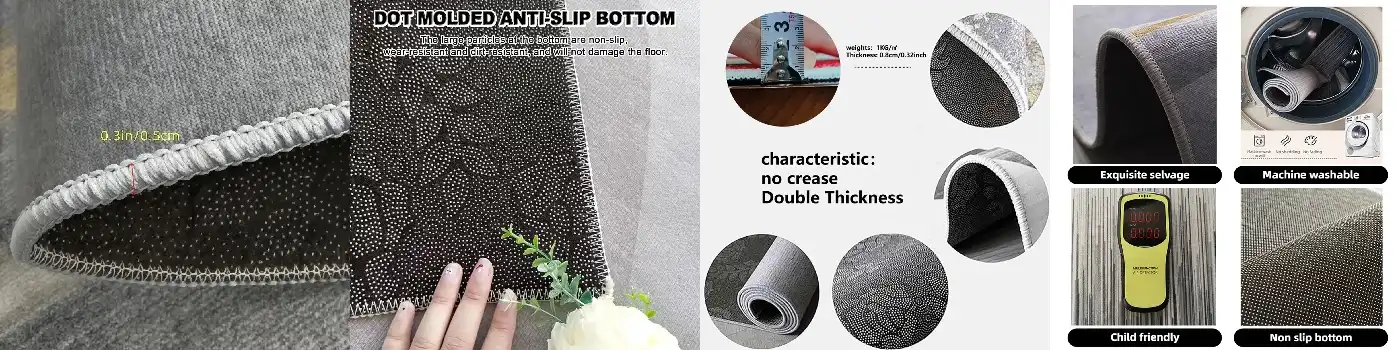
Because they are designed, utility door mats are very different from artistic rugs. These special floor covers are made of high-performance materials that are meant to collect dirt and water before they spread throughout your building. Our production team at JoyHome has seen that entry mats with 5mm crystal velvet surfaces and dot plastic backing work better than regular ones in business settings because they keep picking up dirt even when there is a lot of foot traffic. The difference is in the density of the material, how stable the backing is, and how well it keeps wetness in. These are scientific details that directly lead to cleaner surfaces and lower cleaning costs.
Operational Benefits for Commercial and Residential Spaces
Three important operational problems can be solved by installing good door mats. The anti-slip backing method lowers the legal risks that come with wet floors, especially during the rainy seasons when more slip-and-fall accidents happen. From our experience in production, we know that using the right entry mat systems cuts down on floor upkeep by 40 to 60 percent. This is because rough particles get stuck in the mat's fiber structure instead of scratching hardwood or tile floors. In addition to saving money, these products change how visitors see your business. For example, a well-kept doormat shows that you pay attention to details and run your business professionally.
The Role of Entry Mats in Safety Compliance
More and more, safety rules say that changeover zones must have surfaces that don't slip. The silicone strip backing on our crystal velvet mats meets the standards set by flooring safety centers for friction coefficient. Building managers and facilities experts know that buying compliant door mats isn't just a matter of choice; it's also a way to control risk. Our 750-1100g/㎡ weight range lets customers choose the right density for their traffic patterns. This way, mats stay in place without creating tripping risks or getting in the way of doors opening and closing.
Types of Utility Door Mats and Materials Explained
Crystal Velvet: The Premium Synthetic Choice
Crystal velvet is a new type of manufactured mat material that combines the softness of natural fibers with better longevity. While still looking nice, this polyester-based design is better at resisting stains and crushing than standard choices. The crystal velvet in our factory is made by high-density weaving, which gives it depth and texture and improves both its look and its performance. The structure of the material allows for bright printed patterns and custom designs without affecting its ability to trap dirt, which is a quality that interior designers really value when they are trying to match the look of entrances to overall decor schemes.
Understanding Backing Systems: Dot Plastic vs. Silicone Strip
The backing material of a utility door mat decides whether it stays in place while it's being used or becomes a trip hazard. Dot plastic backing is a cheap way to make places with mild traffic non-slip. It has raised rubber dots that stick to smooth floors. Silicone strip backing makes the mat more stable, which is especially helpful in business settings where carts or people walking in different directions might move less stable mats. During our quality checks, we check how well the backing sticks to different types of floors, like smooth concrete, ceramic tile, and vinyl composition tile, to make sure that the product will work reliably in a wide range of installation settings.
Size and Customization: Standard vs. Tailored Solutions
Standard mat sizes fit most front doors in homes; they are usually between 18x30 inches and 24x36 inches. For commercial uses, special sizes are often needed to cover vestibule areas or meet design requirements. Our production skills allow us to handle orders ranging from small residential sizes to large business installations that are several meters in length. We support logo integration, custom color matching, and pattern design that turns useful matting into branded elements. The freedom goes beyond measurements. Retailers use this customization to strengthen their visual brand, and corporate facilities use it to make sure that all of their places look the same.
Eco-Conscious Material Considerations
More and more, procurement pros look at environmental effect along with functional requirements. Our crystal velvet mats are made of 100% polyester fiber, which is a material that can be recycled and keeps things out of landfills when it's time to throw them away. Our 20,000-square-meter factory uses waste-reduction guidelines in the manufacturing process, and the materials used in our export-standard packages can be recycled. While coir fiber mats break down naturally, synthetic choices like crystal velvet last longer and may be better for the earth because they don't need to be replaced as often. This detailed comparison helps buyers who care about the environment make purchases that are in line with their company's social responsibility goals.
How to Choose the Best Utility Door Mat for Your Business
Evaluating Durability Through Material Specifications
To figure out how durable something is, you must first know how much it weighs per square meter. Lighter mats (about 750g/㎡) are better for homes with mild usage, while heavier mats (1000-1100g/㎡) are better for businesses. The 5mm thickness we designed keeps dirt in the best way possible without making it hard to open the door, which is a common problem with alternatives that are too thick. Facilities managers should also look at the build of the edges. Our 0.6 cm wide lock-edge wrapping stops fraying and keeps the dimensions stable even after multiple cleaning processes. When you add up the projected service life, these technical factors have a direct effect on the total cost of ownership.
Matching Mat Properties to Environmental Conditions
The right choice of material depends on how it will be exposed to weather. When entrance mats are in covered vestibules, they have to deal with different conditions than when they are in direct rain. Our crystal velvet construction dries quickly, which stops mold from growing, which is a major problem in areas that are open to moisture. The anti-stain process that was used during production keeps the look even after being exposed to de-icing chemicals, mud, and organic matter. For buildings in damp areas or places where it rains for a long time, absorbent capacity is the most important feature. Our moisture-absorbent layer pulls water away from the flooring surface, keeping it non-slip even when it's very wet.
Calculating Total Cost Beyond Initial Purchase Price
When making purchases, people shouldn't just look at the cost of the purchase itself, but also at the costs that come up over time. A high-quality doormat that is well-made might cost more at first, but it will save you money in the long run by lasting longer and needing less upkeep. Our machine-washable design means that you don't have to pay for a special cleaning service—facility staff can wash mats using regular office supplies. Advanced heat transfer printing keeps the colors from fading, so the item doesn't need to be replaced as soon as it starts to look bad. When figuring out the return on investment, you should take into account things like lower cleaning work hours, lower accident claims, and lower floor refinishing costs.
Assessing Supplier Capabilities and Support
Supplier dependability for utility door mat affects both the standard of the product and how efficiently it is bought. JoyHome has 25 high-tech production tools and a daily capacity of 3,000 m². This lets us keep to our shipping schedules, and bulk orders are usually met within 7 to 15 days. The procedure for 100% review before shipment makes sure that the quality is the same for all big orders, which is very important when filling more than one location. Check not only how well the product can be manufactured, but also how well it can be designed before and after the sale. Our team helps choose the right materials, figure out the right sizes, and make sure that the customization requirements are met so that the given product meets practical needs. This all-around service method sets makers apart from suppliers.
Maintenance and Cleaning Best Practices for Utility Door Mats
Cleaning Protocols for Crystal Velvet Construction
Simple upkeep is all that's needed to keep crystal velvet mats looking good and working well. Regular vacuuming gets rid of surface dirt before it gets deep into the fiber structure. For business settings, we suggest high-frequency sweeping at least once a day, or more often in bad weather. The design that makes it machine-washable lets you do deep cleanings on a regular basis using normal commercial laundry equipment. Cold water cycles with mild soap keep the fibers intact and the colors bright. Do not use strong chemicals or cleaners that contain bleach, as these can damage the stain treatment and make it harder for the backing to stick. Heat contact, which could make the backing less flexible, is not as good as air drying.
Inspection Schedules and Wear Indicators
Preventative inspection finds performance loss in mats before they fail safety standards. Check the backing's soundness once a month for cracks, twisting, or loss of grip, which are all signs that it needs to be replaced. The top of the mat should keep its structure. Fibers that are crushed or matted show that they can't trap dirt as well. Even though color loss is mostly for looks, it could be a sign of UV damage that comes with materials breaking down. In areas with a lot of foot traffic, the mat may need to be rotated to even out the wear patterns. Based on our experience, business entrance mats that are used in areas with a lot of foot traffic should last between 3 and 5 years with proper upkeep. On the other hand, residential mats usually last longer than this.
Addressing Common Maintenance Challenges
When something is exposed to wetness, mold growth is a common worry. This risk is lessened by the quick-dry technology in our crystal velvet construction, but it's still important to install the mat correctly. Make sure there is enough airflow around where you put the mat so that moisture doesn't get trapped under the surface. If you work in a hot area, you can make the mat last longer by lifting it every day and moving air under it during slow times. The anti-stain treatment gives protection but doesn't promise immunity, so stains should be removed right away. Immediately soak up any liquid spills and use focused spot cleaning to get rid of tough stains instead of rough scrubbing that could damage the fibers.
Procurement Strategies and How to Acquire Utility Door Mats Efficiently
Bulk Purchasing and Volume Considerations
When you buy utility door mats in bulk, you can save money and make sure that everything is the same at all placement places. Our minimum order number is flexible enough to fit both big business projects and small store sales. When outfitting chains or businesses with multiple locations, consolidated buying makes managing goods easier and makes sure that all of the locations look the same. The export-standard roll packaging we use makes sending and storing mats easier—mats arrive safely and only need a small amount of warehouse room before they can be installed. By negotiating yearly contracts for ongoing mat repair, you can plan your budget and get better prices by committing to a large number.
Customization as a Way to Set Yourself Apart
With custom door matting, useful items become company assets. Putting logos on building doors strengthens the company's image while keeping the dirt-controlling function. Stores use unique patterns that go with seasonal ads and change the designs of the mats as the themes of their displays change. Our OEM/ODM services allow for full customization, including matching colors to brand rules, changing sizes to fit specific building features, and designing patterns with anything from soft textures to bright graphics. This level of customization lets procurement pros meet practical needs while also helping with branding and marketing goals.
Supplier Evaluation: Certifications and Quality Assurance
Checking the credibility of a seller guards against inconsistent quality and problems in the supply chain. Our international standard certifications show that we are dedicated to making the best products, and the 100% checking procedure before shipping makes sure that the quality is always the same. In addition to certificates, you should look at the company's production capacity and technological know-how. For example, our 25 advanced machines and 20+ years of experience in manufacturing show that we run a stable business that can grow with our customers. Ask for samples of the goods before you place a big order so you can compare the quality of the materials, the performance of the backing, and the construction details to the specifications. Reliable manufacturers can be told apart from shady vendors by being open and honest about wait times, production methods, and quality control routines.
Balancing Lead Times with Inventory Management
When you buy something affects both cost and operating consistency. Our 7-15-day lead time for big sales lets us respond quickly without having to pay a lot for storage. Facilities that want to rotate mats throughout the year should place their orders 4 to 6 weeks before they are supposed to be installed, to allow for time for production, shipping, and internal distribution. When damaged mats need to be replaced quickly, suppliers need to be able to respond quickly. Our customer service infrastructure supports expedited orders when business needs require quick completion. Building relationships with makers that offer both standard and rush production gives buyers more options for both planned repairs and last-minute needs.
Conclusion
When choosing the right door mats, you need to think about how they look, how well they work, and how efficiently you can buy them. The unique way that modern utility door mats are made has real benefits, such as lower upkeep costs, better safety compliance, and a better look for the building. Our crystal velvet mats have a 5mm designed thickness and non-slip backing systems. They are proven to trap dirt without getting in the way of opening and closing doors. The material is flexible enough to be customized for use in homes, businesses, and institutions, and it's easy to keep up, so it will last for a long time. When purchasing managers rate sellers based on their ability to manufacture, their commitment to quality, and how quickly they respond to customer service requests, their companies are in a better position to get the most out of their entrance mat purchases. Every encounter with a building starts at the door, so make sure yours shows quality, safety, and attention to operational excellence.
FAQ
What makes utility door mats different from other rugs?
There is sophisticated construction in utility door mats that is specially made to keep dirt in and soak up water. Unlike artistic rugs, they are made with high-density yarns, special backing systems, and performance features like non-slip properties and drying quickly. The features of the material, like its 750-1100g/㎡ weight range and 5mm thickness, make it useful in places with a lot of foot traffic or bad weather that regular rugs can't match.
Can business traffic damage crystal velvet mats?
If the right conditions are met, the crystal velvet structure is very durable for business use. The material doesn't break easily and keeps its shape even after heavy use. Our 1000-1100g/㎡ weight choices are designed for business settings, and the dot plastic or silicone backing keeps the mat in place even when people walk in different directions, carts move, or wheelchairs move across it.
How often should you change the mats at the door?
When to replace something relies on how much business there is and how maintenance is done. For commercial installations, the best performance lasts between 3 and 5 years, while for private installations, it lasts longer. Keep an eye out for signs of wear like fibers that are crushed, backing that is breaking down, or stains that won't go away even after cleaning. Regular replacement keeps safety standards high and keeps the professional look that door mats are meant to give.
Transform Your Entrance with JoyHome Quality
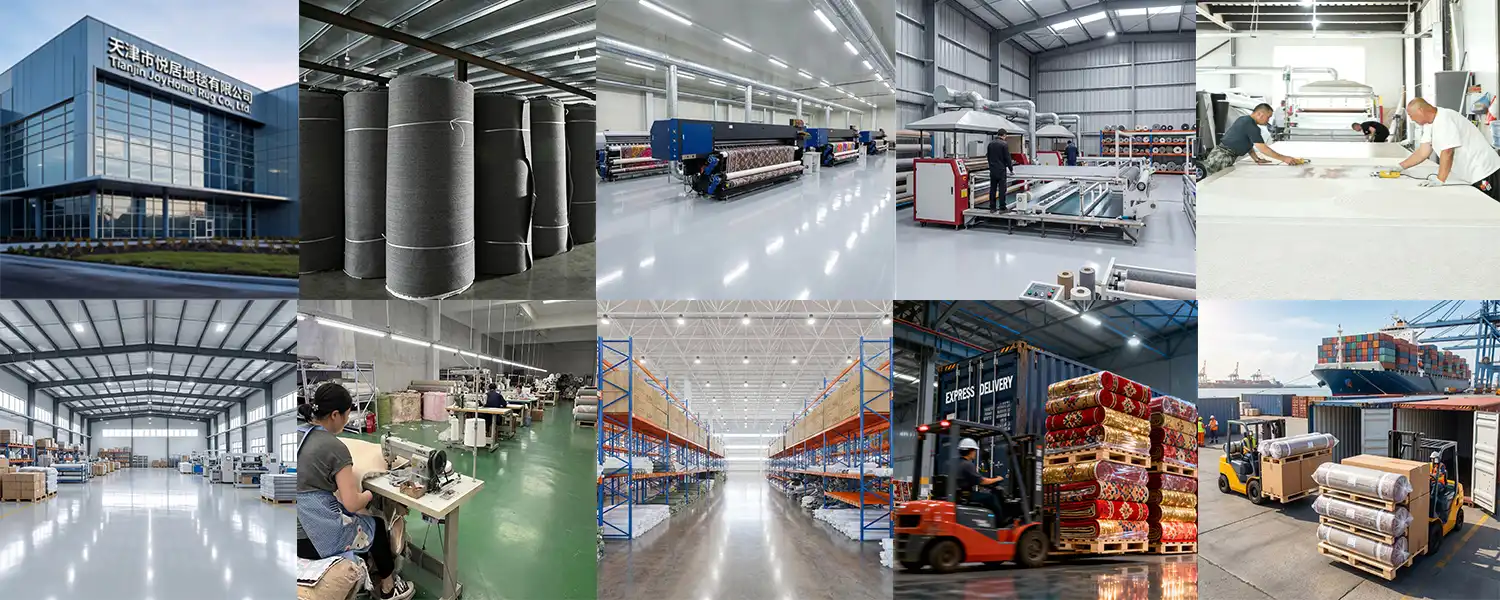
At our 20,000 m² factory in Tianjin, JoyHome makes high-quality door mats by mixing more than 20 years of experience with cutting-edge production technology. Professional-grade dirt-holding, real anti-slip safety, and quick-dry technology designed for tough business settings are all part of our crystal velvet utility door mat systems. We allow full OEM/ODM design for names, colors, sizes, and patterns, and our minimum order quantity (MOQ) is open. For large orders, we can deliver within 7-15 days. Before being packed according to export standards, every mat goes through a 100% quality check. You can talk to our team at admin@longtengmen.com about your unique needs and find out why top stores, hotels, and businesses trust JoyHome as their utility door mat provider.
References
1. National Floor Safety Institute. (2021). Walkway Safety and Slip Resistance Standards: Commercial Flooring Guidelines. NFSI Technical Publication Series.
2. Building Owners and Managers Association International. (2022). Preventive Maintenance Best Practices for Commercial Facilities. BOMA Educational Foundation.
3. American Society of Interior Designers. (2020). Material Selection in High-Traffic Commercial Environments. ASID Knowledge Center Research Report.
4. International Sanitary Supply Association. (2023). Cost-Benefit Analysis of Entry Matting Systems in Commercial Facilities. ISSA Technical White Paper.
5. Green Building Council. (2022). Sustainable Material Selection for Commercial Interiors: Environmental Impact Assessment. USGBC Research Publications.
6. Occupational Safety and Health Administration. (2021). Walking-Working Surfaces and Personal Protective Equipment: Compliance Guidelines for Commercial Facilities. OSHA Technical Manual Section V.
Online Message
YOU MAY LIKE
High quality furniture manufacturer