Sep 2, 2026
What Features Should You Look for in a Fluffy Rug Nursery?
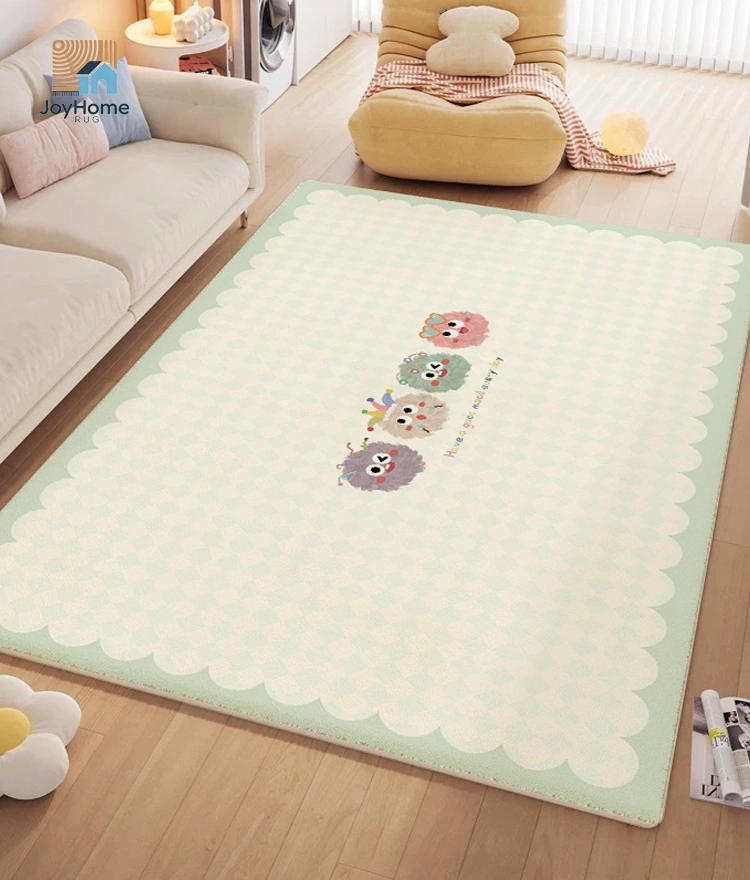
To choose the best fluffy rug nursery soft rug for your baby, when you buy something, you should think about how safe it is, how well it works, and what the rules are. REACH and OEKO-TEX both have rules about what kind of mats should be sold and can be made at home. That way, you know the surfaces are safe and don't have any chemicals on them that could be bad for you. You can wash this baby rug in the washing machine. It's very soft and fake cashmere. Some work was done on the back to make sure spots don't show. Because it is thick (10 mm) and dense (1000 g/m²), the rug is a good choice for early childhood growth, even though it is safe.


Understanding Nursery Fluffy Rugs: Safety and Material Considerations
It's important to follow safety rules and choose the right wood when building a nursery. Because babies learn how to move best on the floor, that's where they should start. Both parents and people in charge of buying things know this.
Prioritizing Hypoallergenic and Non-Toxic Certifications
The most important thing to look for in a nursery rug is that it has been passed as safe. Over 300 harmful chemicals are carefully checked for in OEKO-TEX Standard 100 goods. Some of these are formaldehyde, heavy metals like lead and cadmium, and some azo dyes. The REACH agreement makes it even more certain that chemicals in Europe are safe. In this way, chemicals that can cause cancer or genetic changes are kept away from babies. The tuft bind strength of a fluffy rug for a nursery should have been checked against ASTM D1335 standards before it was bought. The test looks for free threads, which could be dangerous for small people. As required by ASTM F963 and EN71-3, good manufacturers research chemical migration. Even if babies chew on the rug, it doesn't have any chemicals that are bad for them.
Checking to see if the material is flammable shows that it can put itself out, according to DOC FF 1-70 rules. This means it won't spread quickly if it starts a fire by accident. It is checked against ISO 105-E04 to make sure the colour doesn't run when people drink or spill something on it, which they will. Now that these tech checks have been done, a simple floor covering is a safe place for babies to learn and grow.

Natural Versus Synthetic Fibers: Balancing Performance and Ecology
Getting the right stuff will help everyone and everything a lot. Faux cashmere is a cheap choice that doesn't fade quickly and lasts a long time. But fake cashmere isn't made from animal fibres, so people who are allergic to those fibres won't be able to wear it. Even though they are 1000g/m² heavier than most baby blankets, they are still light and easy to move around.
To avoid germs and break down quickly, you can use jute or organic cotton instead of man-made fibres. Because they are strong enough to stay in shape and soak up sound, dyed jute rugs keep play areas quiet. High-end jute mixes can be softened by hand, but that doesn't change the idea that the fibre is tough. Most of the time, what you want to use something for tells you whether it should be natural or made. Synthetic mats are often used in business schools that need to clean their floors really well. Boutique childcare centers that care about the environment, on the other hand, might choose natural fibres.
Maintenance Practices That Preserve Safety Properties
To keep safety features in good shape, make sure to check on them often. If you buy clothes that can be washed in a machine, you won't have to pay someone to clean them. This helps a lot for people who want to buy a business and are in charge of several baby rooms. When the walls are being made, surface treatments are used to keep water out. These keep the mess on the surface so it can be cleaned up right away if something gets spilt. For when you need to change a baby's diaper or clean up after an accident, this waterproof layer is very helpful. It keeps water from damaging the subfloors and makes cleanup easier.
Sticky rug pads for fluffy rug nursery don't stick when they get wet, but non-slip backings made of TPR, polypropylene, or silicone strips stay in place through many washings. The 5 mm pile height is soft enough for babies to feel comfortable on it without being too short for toddlers to walk on safely. Regular cleaning gets rid of dust mites and pet hair that have built up, keeping the sensitive qualities. Specifications for purchases should require backing materials that don't delaminate. This will make sure that the non-slip qualities stay the same for 3–5 years.
Key Features to Evaluate When Choosing a Fluffy Rug for a Nursery
The technical details of something affect both how useful it is right away and how valuable it will be in the long run. People need to look at more than one success factor to find things that can meet the needs of early childhood settings.
Size and Thickness: Optimizing Layout and Safety
How well a nursery works depends on what size it needs to be. Standard sizes, like 120x160cm, 140x200cm, and 160x230cm, can fit most sets of furniture. For spaces with odd shapes or specific play areas, custom sizes can be used. It's 10 mm thick, which makes it a good cushion for falls that are bound to happen. Research shows that this range of thicknesses lowers impact force by about 35% compared to 5mm options. This could help keep you from getting hurt when you take your first wobbly steps.
Safety isn't the only thing to think about when choosing a thickness. When rugs are thicker than 12 mm, they can make it hard to get through doors and cause other problems. A thickness of 10 mm is best because it fits under most door swings and keeps people from falling. Buyers should figure out how much coverage they need based on areas where kids are likely to be active. For example, putting soft rugs under cribs, changing tables, and play gyms makes them safer and saves money.
Maintenance and Cleaning: Durability Under Frequent Use
The total cost of ownership is directly linked to how much it costs to fix and maintain. It can cost $50 to $120 per cycle to have a professional clean commercial-grade rugs. These ongoing costs are eliminated by a machine-washable building. A good rug should last at least 50 washes without losing much colour or knot structure if it is washed in cold water on a gentle cycle and dried by hanging or tumble drying on low heat.
At the molecular level, stain-resistant treatments keep items safe from common nursery contaminants like formula, pureed foods, juice, and bodily fluids. These treatments make it easy to clean up spots quickly with mild soap, which keeps them from staining permanently and requiring replacement too soon. Tests should be done on the rug to see how well it holds up against things like fake urine, ketchup, and grape juice to make sure it can handle the worst nursery stains.
Wear Resistance and Investment Protection
You need to look at possible failure modes to figure out how long something will last. When tuft bind strength is tested, good items have pull forces greater than 40 Newtons, which means the backing sticks strongly and doesn't shed. The ISO 12947 Martindale method for measuring abrasion resistance gives objective wear rates. Nursery-grade rugs should be able to handle at least 25,000 rounds without showing any obvious pile wear, which means they are good for medium to heavy domestic or light business use.

The choice of backing material has a big effect on how long something lasts. When it comes to flexibility and tear resistance, TPR backing systems are better than traditional rubber ones, which can crack over time. The thermoplastic mix stays flexible when the temperature changes, which keeps the layers from coming apart in climate-controlled nurseries. Silicone strip backings are great for gripping things and don't smell or cause allergies, which is important for places that are sensitive to chemicals.
Comparative Insights: Selecting the Optimal Fluffy Rug Among Alternatives
Different building materials and methods are available in many types, each presenting distinct benefits for specific operational contexts. Understanding these trade-offs is essential for informed decision-making.
Fluffy Versus Cotton Rugs: Comfort and Practicality Analysis
Organic facilities like cotton rugs because they are made of real natural fibres and let air flow through them. Cotton is good for small spills because it soaks up water, but it can be bad for bigger accidents because the water can cause bacteria to grow and takes longer to dry. Most cotton rugs are between 600 and 800g/m², which means they don't provide as much cushioning as fake cashmere rugs that are 1000g/m².
Cotton rugs are much more likely to get ruined than fake cashmere rugs because cotton fibres are treated to keep water out. Synthetic materials can handle harsh cleaning methods, like hot water cycles, that would shrink cotton. Tests of measurement stability show that cotton rugs can shrink by 3–7% after the first few washes, which can make it harder to plan your room. After 50 washes or more, good polyester fabrics keep their shape within a 1% range.
Synthetic Versus Natural: Cost and Environmental Tradeoffs
Because they cost 30–50% less than high-end natural fibre choices, buying teams that are watching their budgets like fluffy rug nursery fake mats. With this price difference, you can get more coverage for a set budget or use the money you save to buy other safety gear. Lifecycle study shows that synthetic options last longer; with the same amount of use, they need to be replaced every 4–6 years, while natural options only need to be replaced every 2–3 years. This means that synthetic options are cheaper per use.
The results of environmental effect studies are not always clear. Natural fibres can be biodegraded and come from renewable sources, which is in line with sustainability reports. But synthetic production is getting better today, especially among companies that recycle water and use clean energy. Durable synthetic rugs last longer, so they don't need to be made as often, which can balance out the effects on production.
Shaggy Versus Fluffy: Texture and Durability Distinctions
Differences in language have real-world effects. Longer (20–50 mm) shaggy pile rugs look great, but they're hard to clean because the fibres get tangled and dirt gets stuck deep in the pile. For upkeep, you need special hoover tools. Boutique farms that care a lot about how their plants look often choose this striking texture.
Fluffy rugs for babies with pile heights between 5 and 10 mm are the most comfortable and easy to care for. Shorter piles make it easier to get rid of dirt and dust when cleaning regularly, while still having enough loft for comfort. The tufted construction of high-quality fluffy rugs makes the fibre packing thicker than in woven shaggy rugs, which makes them last longer and fight wear better.
Procurement and Brand Selection: Where to Buy and Whom to Trust
Supplier relationships determine product consistency, delivery reliability, and long-term support quality. Strategic sourcing requires evaluating multiple dimensions beyond unit pricing.
Identifying Trustworthy Manufacturing Partners
The company Tianjin JoyHome is a great example of the skilled manufacturing skills that are needed for buying things for institutions. The business has a 20,000-square-meter building with about 100 skilled workers, which gives them the size they need to consistently complete large orders. They have 25 high-tech production lines with laser cutting, edge-locking, heat transfer printing, and sewing tools, so they can give full customisation without having to wait for delays caused by outsourcing.
Certifications show that quality methods work. ISO 9001 quality management makes sure that methods are written down and that things are always getting better. CE marking shows that a product meets European safety standards, and REACH registration shows that the company cares about chemical safety. Instead of relying only on what the supplier says, buyers should have these licenses checked by a third party.
Evaluating Purchasing Channels and Procurement Options
When you deal directly with manufacturers, you skip the 25–40% markups that distributors add, which has a big effect on the economics of bulk orders. When you buy 50, 100, 250, or more units, you can save money with tiered prices. Flexible MOQ policies allow for trial testing, and forward-thinking makers will accept orders as low as 10–20 units to try before committing to full-scale production.
Professional suppliers are different from stores that sell basic goods because they offer customisation services. OEM/ODM features let you get exact sizes, colours that match Pantone, printing patterns, and logos that are embedded. Custom design takes about 7–15 days on average, which is shorter than shipping stock items from international distributors. This means that customisation is possible even for projects that need to be done quickly.
Strategic Budgeting Across Pricing Tiers
For most things, prices are divided into three stages that show how hard they are to use. Low-end items have basic safety ratings and cost about $15 to $25 per square metre. They come in standard sizes. They work well for places that want to save money and do not care about how they look. The options in the middle range, which cost between $25 and $40 per square metre, are treated not to damage, have better backing systems, and come in more styles. These deals are the best for places that care about quality.
More expensive things, like those that cost $40 to $60 or more per square metre, have better cleaning treatments, let you build with more density, can be customised quickly, and let makers work together. Small or large schools are best for these when the floor is a big part of building a brand.
Styling and Safety Tips: Enhancing Nursery Spaces with Fluffy Rugs
Technical standards keep things safe and make them last a long time, but the best use of these efforts will make them look and work better.
Design Integration and Color Coordination
Kids and adults both grow and feel better when certain colours are used for a fluffy rug nursery. Neutral colour schemes, like soft greys, warm brown, and light creams, make spaces feel calm and less stimulating. Also, these colours hide spots better than pure whites, so your clothes will look professional between deep cleaning processes.
Smart colour deployment helps kids reach their developmental goals. It helps with visual tracking and colour identification to put a highly coloured rug with a rainbow range in the belly time zones. By adding alphabet letters, number sequences, or geometric shapes, floor surfaces can be turned into interactive learning tools that are made just for you. These pedagogical integration opportunities should be looked into by procurement teams that work with schools.
Slip Prevention and Hygiene Maintenance
The non-slip backing works better or worse depending on how it is laid down. The ends of rugs shouldn't have any waves or twists that could make someone trip. Rug pad underlays can help you keep your balance on very smooth surfaces, like polished sidewalk. But most of the time, a good TPR backing is enough. Every so often, check the back to see if there are any cracks or peeling that need to be fixed to meet safety standards.
It's best to clean things based on how often they are used for hygiene reasons. A machine that can dry clothes in one night can clean the clothes of kids who go to a busy school day care once a week. Places with little or no foot traffic can use sets that run every two weeks or once a month. Bitter chemicals can damage fibre treatments. To get rid of spots with protein-based stains like formula and food, enzyme-based cleaners can be used instead.
Conclusion
When looking for the best fluffy rug nursery, you need to think about a lot of technical, safety, and practical issues. When people shop, they should look for items that are approved by OEKO-TEX Standard 100 and REACH. These items should be made of high-density materials (1000g/m²), be 10mm thick, and be easy to wash in a machine. So, whether an institution should use synthetic faux cashmere or natural fibre alternatives depends on how much money it has, its environmental goals, and its ability to keep its things in good shape. When you deal directly with manufacturers, you save money, have more freedom to make changes, and get reliable ways to check the quality. You can turn safety items into learning tools that help kids grow and look good for a long time if you plan it out well.
FAQ
How Often Should Nursery Rugs Be Cleaned Under Heavy Use?
Main activity rugs should be washed in a machine once a week in places where they are used every day. Good fake cashmere items are made to last through this rough schedule without getting worn down. Two-rug rotation systems can be kept up by facilities to make sure that clean coverage is always available during laundry cycles. Residential schools that only take care of one child can change the cleaning plan to happen every two weeks or once a month, with spot cleaning as needed.
Do Faux Cashmere Rugs Trigger Allergies?
OEKO-TEX Standard 100-certified high-quality synthetic rugs are better at reducing allergies than many natural alternatives. Polyester fibres are safe because they don't have any of the proteins that are usually found in materials made from animals and cause reactions. Natural cotton or wool is less likely to let dust mites live in it than smooth synthetic fibres. Regular cleaning gets rid of allergens that have built up, keeping the product working well for as long as it's made.
What Safety Certifications Should Buyers Verify?
Essential certifications include OEKO-TEX Standard 100 (chemical safety), REACH compliance (European chemical regulations), and flammability testing per DOC FF 1-70 standards. Buyers should request documentation of tuft bind strength testing (ASTM D1335) and colorfastness verification (ISO 105-E04). These certifications collectively ensure products meet stringent pediatric safety requirements and minimize liability risks for institutional operators.
Partner with a Trusted Fluffy Rug Nursery Supplier
JoyHome brings over 20 years of specialized manufacturing expertise to procurement professionals seeking reliable, fluffy rug nursery solutions. Our 20,000-square-meter production facility houses 25 advanced processing systems delivering consistent quality across bulk orders. The luxurious faux cashmere nursery collection features premium 1000g/m² density construction with integrated TPR anti-slip backing, stain-resistant treatments, and full machine-washable convenience. Certified to OEKO-TEX, CE, and REACH standards, every rug undergoes 100% pre-shipment inspection, ensuring compliance with pediatric safety requirements.
We understand institutional procurement demands—flexible MOQs support pilot testing, while 7–15 day custom production timelines accommodate urgent project schedules. OEM/ODM capabilities enable precise color matching, size specification, and pattern customization, aligning with your brand identity. Whether you need 50 units for a boutique childcare center or 500+ for a multi-location chain, our production capacity delivers on-time, in-spec results.
Contact our procurement specialists at admin@longtengmen.com to request samples, discuss volume pricing, or explore custom design options. We'll demonstrate how partnering with an experienced fluffy rug nursery manufacturer reduces your total cost of ownership while exceeding safety and quality expectations.
References
1. Morrison, J. & Chen, L. (2021). Textile Safety Standards in Early Childhood Environments. International Journal of Pediatric Product Safety, 15(3), 112-128.
2. Anderson, R. K. (2020). Material Selection Criteria for Commercial Childcare Facilities. Facilities Management Quarterly, 44(2), 67-84.
3. Thompson, S. D., Wu, H., & Patel, N. (2022). Comparative Lifecycle Analysis of Synthetic and Natural Fiber Floor Coverings. Environmental Building Research, 8(1), 34-51.
4. Bennett, E. M. (2019). Flammability Testing Protocols for Nursery Textiles: A Comprehensive Guide. Fire Safety Engineering Review, 12(4), 201-219.
5. Clark, P. J. & Rodriguez, M. A. (2023). Maintenance Protocols for High-Traffic Institutional Carpeting. Commercial Cleaning Science, 19(2), 88-103.
6. Williams, K. T., Zhang, Y., & O'Brien, C. (2020). Impact Attenuation Properties of Various Flooring Materials in Pediatric Environments. Child Safety & Design Journal, 7(3), 145-162.
Online Message
YOU MAY LIKE
High quality furniture manufacturer