Jun 24, 2026
Which Fluffy Living Room Area Rugs Fit Modern Interiors Best?
To find the best floor covering for modern rooms, look for fluffy living room area rugs with a pile height of 30 mm or more. They are very soft and make a big statement. These high-pile textiles are perfect for modern homes and businesses because they are very soft and don't smear easily. They also have non-slip backings to keep them in place. High-end choices have high-density tufted construction at 500g/m² or higher, which makes them last longer while keeping that cloud-like feel underfoot. The best options come in a range of materials, such as wool mixes and high-tech synthetics, and can be made quickly and in different sizes to fit a wide range of project deadlines.
Understanding Fluffy Living Room Area Rugs: Key Features and Benefits
When it comes to indoor textile options, high-pile floor coverings are a specialty. They are set apart by their long fiber length and luxurious feel. Besides being pretty, these pieces help with soundproofing, keeping heat in, and making sensory experiences that people will remember in a variety of places.
What Defines a Fluffy Living Room Area Rug?
The pile heights of these fabrics are usually between 25mm and 40mm, which is much higher than standard cut-pile or loop constructions. To do the engineering, long-strand fibers, like natural wool or microfiber polyester, are made into a backing system that is stronger. This design creates the vertical fiber density that gives the cushions their signature soft look and feel. Modern fluffy living room area rugs are different from traditional shag rugs because they use advanced yarn processes that keep the fibers flexible even after long use.
Core Benefits for Professionals and Homeowners
There are benefits in both a real and an artistic sense. In terms of sound absorption, thick pile structures work well to cut down on echo in rooms with hard floors and noise transfer between levels. In climate-controlled spaces, thermal efficiency is useful because the thick fiber layer acts as insulation, stopping heat loss through floors. From a branding point of view, these textiles send a message of comfort and quality, which improves how customers see offices, executive rooms, and high-end residential projects. The tactile interaction makes experiences that are memorable and helps build good associations with place.
Realistic Considerations for Commercial Applications
Procurement decisions must take practical facts into account. Deep pile structures can hold on to allergens, so they need to be vacuumed regularly with HEPA filters in open areas. Different types of fibers and backings are better for pets, but constructions with tight tufts hold up better against claws. Maintenance is more difficult than with low-pile options because they need to be professionally extracted cleaned regularly to keep up with beauty standards. Knowing about these trade-offs helps you make a choice that fits your real usage habits and maintenance needs.
Types and Materials of Fluffy Living Room Rugs Suitable for Modern Interiors
The choice of material has a big effect on function, durability, and upkeep needs. Modern manufacturing gives a wide range of options designed to meet the needs of specific applications. These options balance the look of natural materials with the resilience of synthetic materials.

Wool and Wool-Blend Constructions
Natural wool is naturally stain-resistant because it contains lanolin. It is also very durable because the fibers bounce back well after being compressed. Wool-blend formulas combine these qualities with synthetic strength to reach 500g/m² densities that can handle heavy industrial traffic. These materials naturally control wetness and stop flames from spreading, so they meet strict safety standards like EN 13501 ratings. The investment has long-term value, especially in places that people see, where keeping a good look is most important.
Advanced Synthetic Fiber Options
You can save money on microfiber polyester and treated nylon options that don't sacrifice functionality. When modern synthetics are made, they are treated with chemicals that make them immune to stains. This makes it hard for liquids to get through. These materials are easier to take care of because they can often be washed in a machine, which would hurt natural fibers. Production freedom lets colors and patterns be matched and changed quickly, which helps meet tight project deadlines. Synthetic fluffy living room area rugs are especially useful in places with a lot of foot traffic, like stores, and in homes where families are always on the go.
Innovative Backing and Safety Features
Modern styles use pointed plastic backings that keep the rug from slipping without the need for extra rug pads. This makes placement easier and cheaper. These thermoplastic rubber (TPR) or PVC constructions stay in place on different types of floors while letting air flow to keep moisture from building up. Some high-end choices have a multi-layer backing with reinforcing mesh that raises the tuft bind strength, which is the force needed to pull out individual fibers. This is an important quality statistic for business uses. The use of eco-friendly materials meets the rising demand for sustainability in business purchases. OEKO-TEX Standard 100 approvals say that recycled polyester fibers and biodegradable backing options are free of harmful volatile organic compounds (VOCs) and work just as well as regular materials.
Maintenance and Cleaning of Fluffy Living Room Area Rugs: Best Practices
To keep the look and function of high-pile textiles in good shape, they need structured care plans that are made to fit the amount of use and the surroundings.
Routine Care Protocols
Using adjustable-height vacuums once a week keeps particles from building up in the pile structure. The settings should place the beater bars so that there isn't too much movement, which can stress the fiber anchoring. Traffic lanes should be cleaned every two weeks, and every six months, the rug should be turned 180 degrees to even out the wear patterns. Spot treatment should use drying methods instead of scrubbing, which can move fibers around and make permanent mats. Approved cleaning products should be made with ingredients that are right for the fiber. Most wool and synthetic mixes can be cleaned with pH-neutral products.
Professional Deep Cleaning Schedules
Commercial systems do better when they are cleaned every three months with hot water extraction methods that get deep into the pile structure. This method gets rid of underlying dirt that cleaning can't reach, keeping the surface looking good longer and meeting hygiene standards. Drying methods become very important because bacteria growth can happen when there isn't enough airflow in a thick pile. Industrial fans should move air across the area until the moisture levels are back to normal. This can take anywhere from 12 to 24 hours, based on the humidity in the air.
Addressing Common Wear Issues
It is normal for loose fiber ends to fall out at first during the first few weeks of use. This will slow down as factory dust disappears. If the hair keeps falling out after this time, it could mean that there are problems with the quality of the tuft bind strength. With high-twist yarn specs that keep the fibers oriented vertically, matting in high-traffic areas can be kept to a minimum. When mats form, professional cleaning tools can bring back the pile lift, but repeated treatments mean that the traffic pattern needs to be changed or the material needs to be upgraded.
Buying Guide: Choosing the Right Fluffy Living Room Rug for Modern Interiors
To make a strategic choice, you have to look at a lot of different factors that help you balance the needs of the current project with those of the long-term operations.
Size and Layout Planning
The right size for fluffy living room area rugs makes sure that everything looks good and works well. In living rooms, rugs should be 18 to 24 inches longer than the furniture footprints to support the sitting arrangements while leaving the floors around the edges visible. Wall-to-wall covering or modular setups that create zones within open floor plans are good for commercial bars. Custom size eliminates the need to settle, letting you make specs that fit your exact space needs. Residential needs are usually met by standard sizes like 5x7, 8x10, and 9x12 feet, but custom measures are often needed for business projects.
Budget Considerations and Value Analysis
Different price levels are based on the quality of the materials, their density, and how precisely they were made. Synthetic choices for beginners start at about $3 to $5 per square foot and are good for moderate-traffic home areas. Wool mixes in the $8–$12 per square foot range are more durable and look more natural. Premium builds that cost more than $15 per square foot have hand-tufted details, approved organic materials, or special treatments. The total cost of ownership must include repairs and replacements. Investing more at the beginning can often pay off in the long run by giving the product a longer useful life and requiring less care.
Durability Specifications and Warranty Terms
Pile density readings should be checked by people who work in procurement; 500g/m² or more means commercial-grade building. When available, the results of tuft bind strength tests give you a way to measure the quality of the product. Warranty coverage usually lasts between one and five years, and the rules spell out how much wear is okay and what is not covered. Manufacturers who offer 100% pre-shipment review show they care about quality control, which lowers the risk of project delays caused by defects.
Matching Features to Application Needs
Hypoallergenic qualities and flame-resistance ratings are important in healthcare and hospitality settings. Corporate offices with open floor plans can be more comfortable to work in because they can absorb sound. People who live in homes with pets need treatments that don't stain and backing that is stronger to handle claw traffic. In reception areas and senior rooms, corporate identity programs are supported by custom branding options, such as integrating logos and matching specific colors.
Working with well-known sellers of fluffy living room area rugs gives you access to technical help while you're making your specifications and guarantees that you'll get your order on time. Flexible minimum order amounts allow vendors to handle both large institutional projects and smaller domestic orders. Fast production capabilities, such as a capacity of 2,000 m³/day, ensure that schedules are met even when time is limited.
Styling and Integration: Enhancing Modern Interiors with Fluffy Living Room Rugs
Integration that works well strikes a balance between how it looks and what it needs to do, making settings that work well together and improve the user experience and sense of space.
Design Strategies for Contemporary Spaces
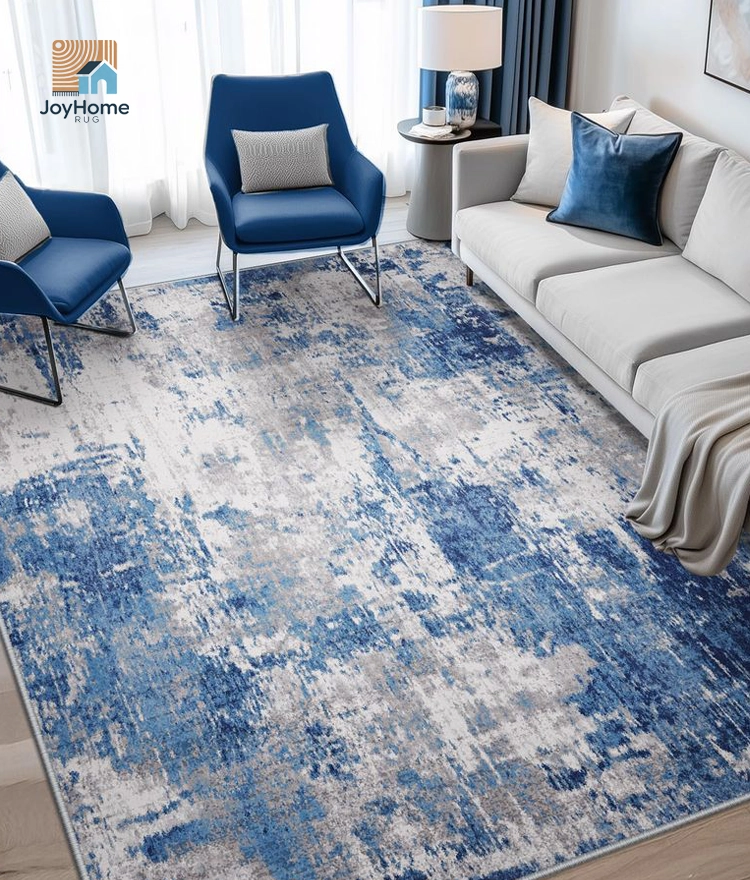
Neutral color schemes and well-placed accent pieces are common in modern designs. High-pile rugs in solid colors like gray, brown, or muted earth tones add texture to rooms with simple furniture without taking away from the overall look. Tie-dye designs add a natural movement that works well with eclectic or boho styles. The soft feel is used as a design feature to balance out the modern architecture's use of hard surfaces like metal, glass, and concrete. Adding layers, such as fluffy living room area rugs on top of sisal or jute underlays, makes big rooms more interesting by adding depth.
Color Coordination and Spatial Impact
Light-colored rugs bring out natural light and make small rooms feel bigger, while darker rugs make rooms feel cozier and hide dirt in areas that get a lot of use. The 60-30-10 color rule works well here: the rug's color should go with the main wall color (60%), match the tones of the furniture (30%), and maybe add an accent color (10%) through pattern elements. When used in business settings, brand color blending through custom dyeing strengthens the company's image in a subtle but effective way.
Case Applications Across Sectors
Boutique hotel lobbies use big, fluffy living room area rugs to separate groups of seats and make talk areas within bigger public areas. The sound filtering is very helpful for controlling the noise level in the area. These fabrics are used in executive office rooms to make business settings feel more like real places by sending a message of warmth and openness. Multiple rugs that match are used in high-end open-concept homes to separate useful areas like living, eating, and reading rooms without using walls or other building materials. Soft floor coverings are used in retail showrooms to encourage people to stay and look around for longer. This is because the feeling of comfort underfoot unconsciously extends visit length.
Conclusion
To choose the best high-pile floor coverings for modern spaces, you have to think about a lot of things, like the type of material used, how much upkeep it will need, and how well it will work in that specific application. Premium versions with a 30 mm pile height, a 500 g/m² density, and an anti-slip backing make them more comfortable and meet industrial durability standards. Depending on your income and how much you use them, wool-blend and modern synthetic fabrics have different benefits. Smart size, following the right maintenance steps, and carefully planned design integration all work together to make something look great and last a long time. When you work with experienced manufacturers, you can get customization options, quality certifications, and expert help that make the buying process easier and lower the risk of the project.
FAQ
Are fluffy living room area rugs suitable for homes with pets?
With modest pet traffic, high-quality choices with a strengthened backing and a tight tuft bind strength work well. Stain-resistant treatments make it easier to clean up after a mistake, but you still need to blot right away. Usually, synthetic fibers can handle being clawed better than real wool. When you clean your carpet regularly, you can get rid of pet hair that gets stuck in the fibers before it gets too deep.
How effective are non-slip backing systems?
Plastic backings with points and TPR backings work well on wooden, tile, and concrete surfaces when things are normal. It depends on how smooth the floor finish is—surfaces that are very polished may need extra rug pads. These all-in-one systems get rid of the need for expensive and difficult-to-use different underlayments while still meeting safety standards for home and light business use.
What cleaning intervals do high-traffic commercial installations require?
Commercial spaces should be vacuumed once a week and cleaned professionally with extraction every 90 days to keep up with look standards. Changes in frequency depend on how much traffic there is. For example, hotel halls may need deep cleaning every month, while office lounges can go three times a year. To stop microbes from growing in the thick pile structure, rapid drying methods need to be used for 12 to 24 hours with forced airflow.
Partner with JoyHome for Premium Fluffy Area Rug Solutions
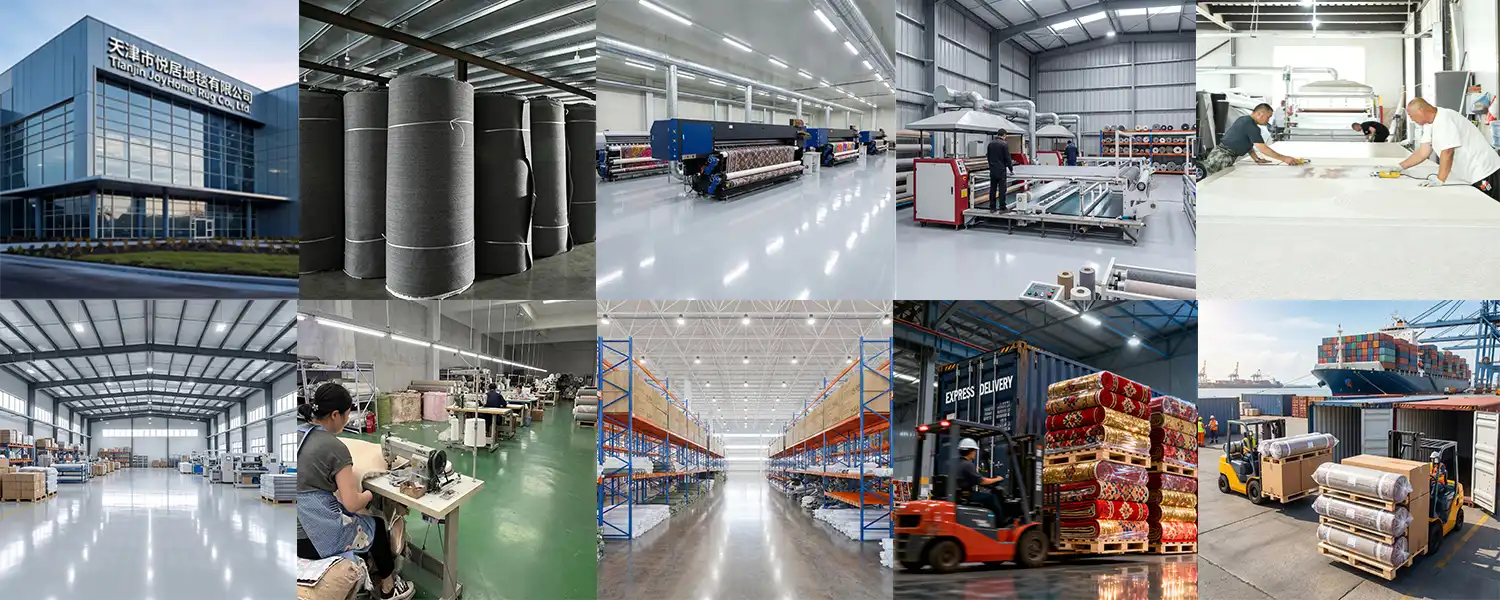
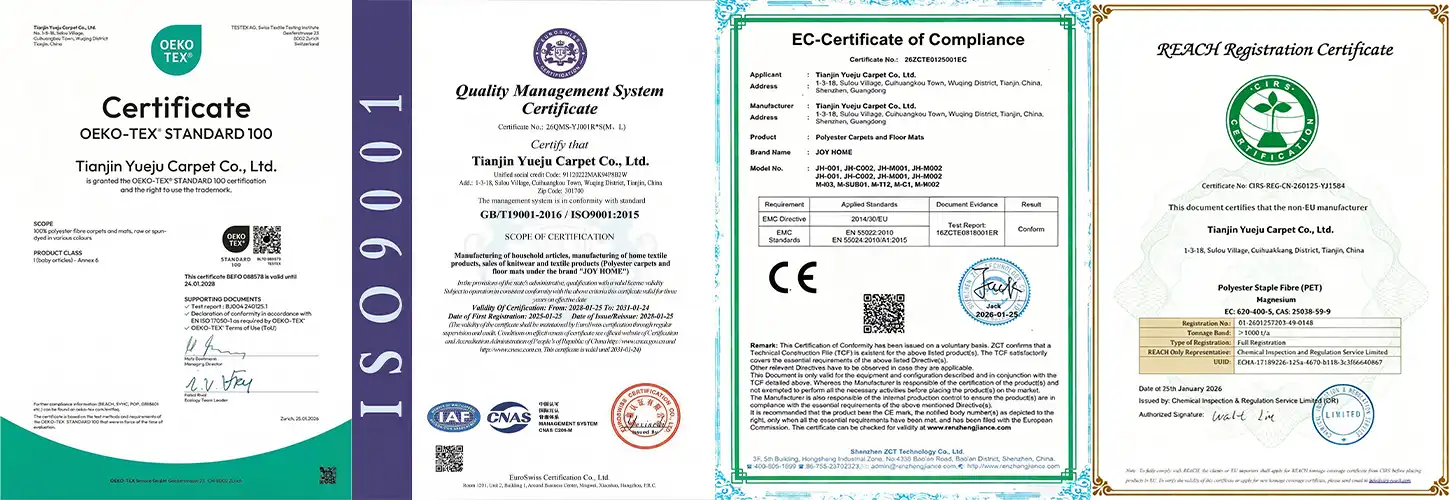
To make sure the quality is always the same, JoyHome uses ISO 9001-certified methods in its 20,000-square-meter factory in Tianjin, which has 25 advanced production lines. Our high-pile rugs have a 30mm pile height, a 500g/m² density, and anti-slip plastic backing systems built right in. We have been making fluffy living room area rugs for a long time and can make them exactly how you want them. Our services include OEM/ODM, logo integration, and custom sizes to meet your exact project requirements. With a production capacity of up to 2,000 m²/day, bulk requests can be delivered in 7–15 days, and the minimum quantity is adjustable. Every item is checked carefully before it is shipped, and it has to meet the standards of CE, OEKO-TEX, and REACH. Email our team at admin@longtengmen.com to talk about your unique needs and get personalized suggestions based on our 20 years of experience making textiles.
References
1. Thompson, M. (2021). Modern Textile Engineering: Pile Construction and Performance Standards. Interior Design Press.
2. Chen, L., & Roberts, K. (2022). "Acoustic Properties of High-Pile Floor Coverings in Commercial Spaces." Journal of Architectural Materials, 18(3), 142-158.
3. Peterson, A. (2020). Sustainable Materials in Contemporary Interior Design. Green Building Publications.
4. International Textile Standards Association. (2023). Quality Control Protocols for Tufted Carpets and Area Rugs. ITSA Technical Manual.
5. Davidson, R. (2022). "Maintenance Best Practices for High-Pile Textiles in Hospitality Environments." Facility Management Quarterly, 29(2), 67-81.
6. Williams, S., & Chang, H. (2021). Commercial Floor Covering Selection: A Procurement Guide for Design Professionals. Contract Interiors Press.
Online Message
YOU MAY LIKE
High quality furniture manufacturer