Sep 16, 2026
Which Kitchen Drying Mat Offers the Best Absorption and Grip?
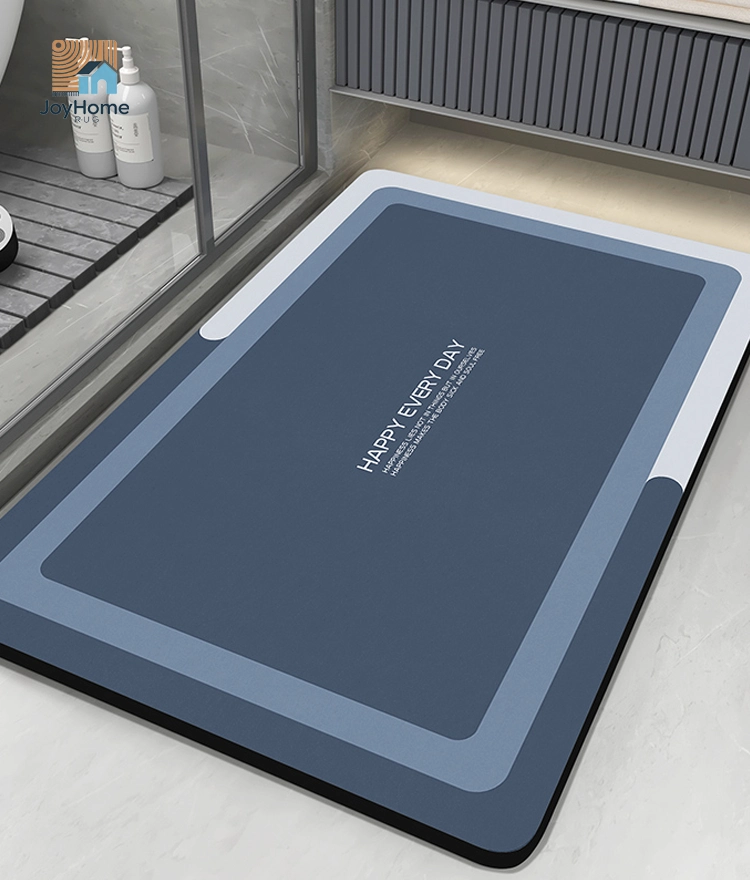
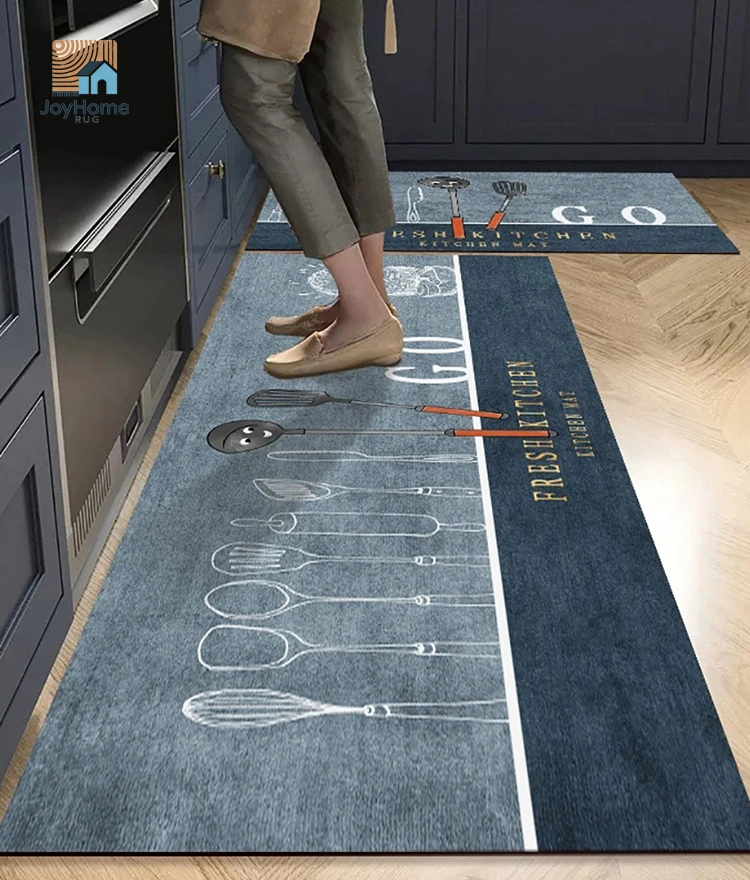
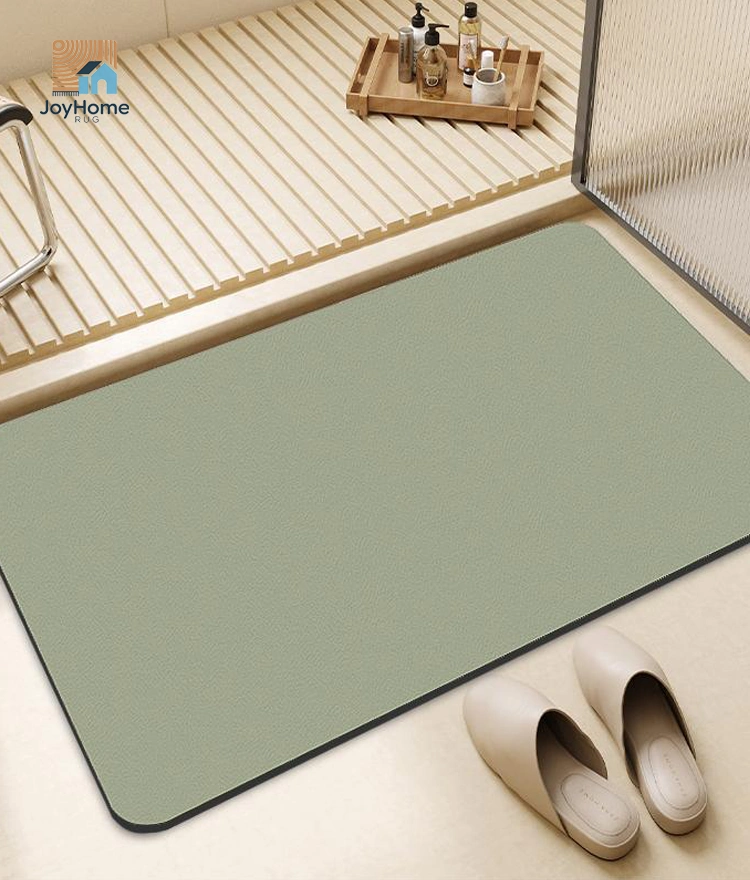
You already know that a wet table or floor is not only annoying but also dangerous if you run a business kitchen or sell furniture for the home. If you get the right kitchen drying mat, it will take care of both problems at the same time by drying surfaces quickly and staying in place. It is clear from the different products, customer reviews, and source data that diatomaceous earth is the best choice for grip and absorption. It can be used in any business or building because it doesn't move, soaks up water quickly, dries quickly, and stays put.

Understanding Key Performance Factors: Absorption and Grip
Why Absorption Matters in Kitchen Environments
If you leave water next to a toilet or stove, it can grow plaque, and the water can also make the stairs more dangerous. The National Floor Safety Institute says that when someone falls while cooking, the floor is usually wet. On a good dish drying mat, the surface doesn't get wet until it's spread out. The tables and floors stay clean this way. Four times faster than other types, this type of microfibre can soak up water. It soaks up water as cloth does, and it also pulls water into its hollow structure through a process called capillary action.
How Grip Technology Protects Staff and Surfaces
A floor mat that slides is worse than none at all. What makes a good grip? A rough top surface that moves liquid away from where your feet touch the mat and a rubberised or TPE bottom that keeps the mat in place on tile, hardwood, or stone. JoyHome's diatomaceous earth kitchen drying mats have a surface that doesn't slip and a base made of good-grip rubber. The mat will stay in place this way even when it's busy.
Balancing Both Properties for Commercial Use
It's important that the grip and the speed of soaking work well together. You shouldn't walk on a mat that soaks up a lot of water but moves around. A mat that grips well but takes a long time to dry gets mould. When you're not using something, let it dry all the way through. The thing should stay around all day, too. This kind of earth doesn't hold water because its cells are open. It lets it evaporate into the air instead. In thirty to sixty minutes, the mat will be dry and ready to use again.
Material Comparison: Which Kitchen Drying Mat Performs Best?
Microfiber vs. Diatomaceous Earth
Mil-fiber dish mats are soft and don't cost much. Water stays inside because of the thick fibre weave. It takes longer for the water to dry and the mildew to grow because of this. In tests, the Consumer Product Labs found that microfibre mats kept 40% of the water they had soaked up after being out in the air for an hour. DIEM mats, on the other hand, dried out very quickly. In a normal room, they were dry to the touch in less than an hour. A lot of people use kitchens a lot, like those in cafeterias, canteens, and business work areas, so things dry faster there. This makes the kitchens germ-free and clean.

Silicone and Cotton Options
Silicone cooling mats are safe for hot pots and easy to clean, so you can put them right on top of them. It does not soak up water, though; it moves it around. You can wash and soften organic cotton mats, but they dry slowly and need to be washed often to keep their fresh smell. It is better than either of the other two when it comes to both surface grip and speed of absorption. Silicone is still a good second choice for counters that get hot, though.
Emerging Antibacterial and Eco-Friendly Materials
Teams that care about the environment and buy things are asking for mats made from rocks found in nature or recycled plastics more and more. Germs are killed by diatomaceous earth because it breaks down their cell walls. Because it's made up of very small pieces of silica. Because of this, it's a good choice for kitchens that have to follow rules about food safety, like HACCP-compliant businesses that are worried about chemical residues on surfaces.
Real-World Performance Reviews: Top Kitchen Drying Mats
Brand Comparisons: OXO, Gorilla Grip, and KitchenAid
The OXO kitchen drying mat gets high marks for being absorbent and easy to clean in a machine. They have an average rating of 4.5 stars across big online stores. An important reason why people like Gorilla Grip mats is that they don't slip on tile floors. KitchenAid comes in a lot of different styles, but reviews from real users say it dries clothes more slowly. You can use all three brands every day, but you shouldn't buy them in bulk for your business or make your own labels with them.
Where JoyHome Diatomaceous Earth Mats Fit
The line of diatomaceous earth kitchen floor mats from JoyHome fills in the gaps left by brand-name goods. JoyHome sells to stores, distributors, and large institutions that need a steady supply. They can make about 5,000 pieces every day, and it takes them about 7 days to send a lot of them. If you need the mats quickly, they can be shipped by sea freight, air freight, or fast delivery. They can be made in any size and have your name written on them. For the most part, consumer brands don't give these options to business-to-business users.
Pricing Tiers and Bulk Value
The smallest order that JoyHome will take is not set in stone. The unit price goes down as more orders come in. Big companies can get the goods for less money this way, and small shops can still get it. This way of setting prices makes it safer for buyers to try out a new SKU and saves big buyers a lot of money per unit.
Choosing the Right Kitchen Drying Mat for Your Business Needs
Key Purchasing Criteria
Five things should help you pick the best counter drying mat for your business or store: how well it drains water, how comfortable it is to stand on, how clean it is, how long it lasts, and where the material comes from. This is how diatomaceous earth does on all five tests. International standards for cleanliness are met by its natural mineral makeup. The surface grips well even when people walk on it every day, and it doesn't wear down after 12 to 18 months of regular business use. Things like these have a direct effect on the total cost of ownership for teams of buyers who are making catalogues of goods or setting up kitchens in public buildings.
Matching Mat Type to Kitchen Scale
In small home kitchens, put small mats next to the sink to help the food drain. Bakeries, café kitchens, and school cafeterias are examples of medium-sized businesses that need mats that can cover more space and be cleaned more than once a day. It needs to be shown that mats in big commercial kitchens kill germs and meet hygiene standards. On all three scales, JoyHome's diatomaceous earth mats can be used. You can also ask for a custom size if your desk or floor isn't the standard size.
OEM and Private-Label Procurement
Gift shops, interior design companies, and stores that sell furniture for the home often need floor mats like kitchen drying mats, with their own names on them. For OEM and private-label production, JoyHome can do things like match colours to your specifications, print logos using heat transfer, and make branded packages. The process of showing buyers drafts of the plans before they are made is known as "pre-sale design support." If there are any quality or shipping issues after the sale, after-sale support will take care of them. This makes buying less risky for first-time buyers.
Maintenance and Safety Tips to Maximize Drying Mat Performance
Cleaning Methods by Material
You don't have to use a machine to clean diatomaceous earth mats. Put it somewhere with good airflow and run water over it to dry. If you need to, wipe it down gently with a soft brush. Being submerged or soaked for a long time can weaken the mineral binding over time. Fibre and cotton mats can be washed in a machine, but they need to be cleaned every three to five days in a work setting to keep germs from growing. A food-safe bleach spray is all you need to clean rubber mats.
Preventing Slip Hazards and Contamination
Check the back of any floor drying mat once a month for wear. A rubber base that is worn out can't hold anything, so it needs to be replaced before it gets dangerous. It is best to keep dish drying mats away from the edges of flames so they don't get too hot and crack rocky surfaces. In controlled kitchens, make sure that cleaning schedules and mat change times are put down as part of HACCP compliance records. This is important for health checks.
Sustainable Disposal and Lifecycle Practices
Diatomaceous earth is a mineral that can be found in nature. Since it doesn't have any man-made chemicals in it, it's safer to throw away than PVC mats. When the mineral core is done, it can be broken down and used again or buried again. JoyHome tells people who buy from them again and again to ask about large return programs for used mats. This choice helps businesses report on how environmentally friendly they are and cuts down on the trash that ends up in landfills.
Conclusion
When used in a business setting, a kitchen drying mat with good grip and strong absorption can handle heavy loads and help keep the area clean. Most of the time, diatomaceous earth is better than microfibre, cotton, and silicone. It dries faster and kills germs better than all of these materials. People, shops, and furniture designers can all buy a lot of floor mats at once on JoyHome. They accept a variety of order amounts, deliver in bulk in 7 days, and offer full customisation support. You will save money on replacements and stay safe for the life of the mat if you choose the right material now.
FAQ
Which kitchen scenarios are these mats suitable for?
JoyHome's diatomaceous earth kitchen drying mats work in home kitchens, restaurant prep stations, canteen service lines, and any area where water and oil accumulation is common—particularly beside sinks and stoves.
Is there a minimum order quantity for bulk purchases?
There is no fixed MOQ. Unit prices vary by order size, and larger orders receive greater per-unit discounts. Buyers can start with smaller quantities and scale up as needed.
What is the typical production and delivery timeline?
Production begins after order confirmation. With a daily output of approximately 5,000 pieces, most bulk orders ship within 7 days. Logistics options include sea freight, air freight, and express courier, all customizable based on your schedule.
Are these mats safe for food-contact environments?
Yes. Diatomaceous earth is naturally antibacterial and contains no chemical additives, making it suitable for food preparation environments that follow HACCP or similar hygiene protocols.
Can I order custom sizes or branded versions?
JoyHome supports custom sizing, color selection, logo printing, and private-label packaging. Pre-sale design samples are available before production begins.
Partner With JoyHome for Your Next Kitchen Drying Mat Order
JoyHome is a professional kitchen drying mat manufacturer based in Tianjin, China, with 25 production facilities and a 20,000-square-meter factory. Whether you need a single test run or a high-volume bulk order, our diatomaceous earth mats deliver fast absorption, double anti-slip protection, and quick-drying performance. Contact us today to discuss your order requirements, request samples, or explore custom branding options. Reach our team at admin@longtengmen.com or visit yuejuditan.aixdb.cn.
References
1. National Floor Safety Institute. Slip and Fall Prevention in Commercial Kitchens. 2022.
2. Consumer Reports. Kitchen Mat Performance Testing: Absorption and Anti-Slip Ratings. 2023.
3. Journal of Food Protection. Microbial Contamination on Kitchen Surface Materials and Mitigation Strategies. 2021.
4. Good Housekeeping Institute. Best Dish Drying Mats: Lab-Tested Results. 2024.
5. U.S. Occupational Safety and Health Administration (OSHA). Walking-Working Surfaces: Slip, Trip, and Fall Prevention Standards. 2020.
6. Wirecutter / The New York Times. The Best Kitchen Mats We've Tested. 2024.
Online Message
YOU MAY LIKE
High quality furniture manufacturer