Jul 13, 2026
Why Round Animal Rugs Are a Must-Have for Cozy Homes
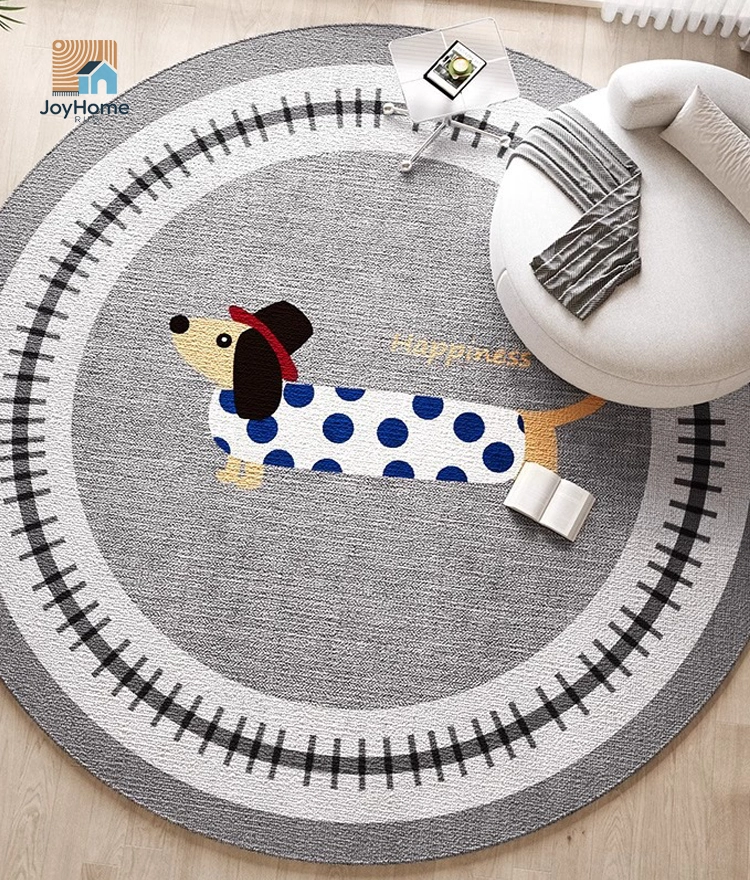
Round animal rugs are now an important part of modern interior design. They can take plain rooms and turn them into warm, welcome places that are both comfortable and unique. These round floor covers with cute animal designs meet the needs of homes who want warmth, visual interest, and long-lasting use all in one stylish package. With their soft textures, fun designs, and ability to be used in a variety of room types, circular animal-themed floor covers meet the changing needs of families, artists, and businesses that want products that look good and work well. As buyers move toward high-quality furniture that can be customised, these one-of-a-kind items are a smart investment for stores and wholesalers that want to get a piece of the cosy home decor market.
Understanding Round Animal Rugs: What They Are and Why They Matter
Defining the Product Category
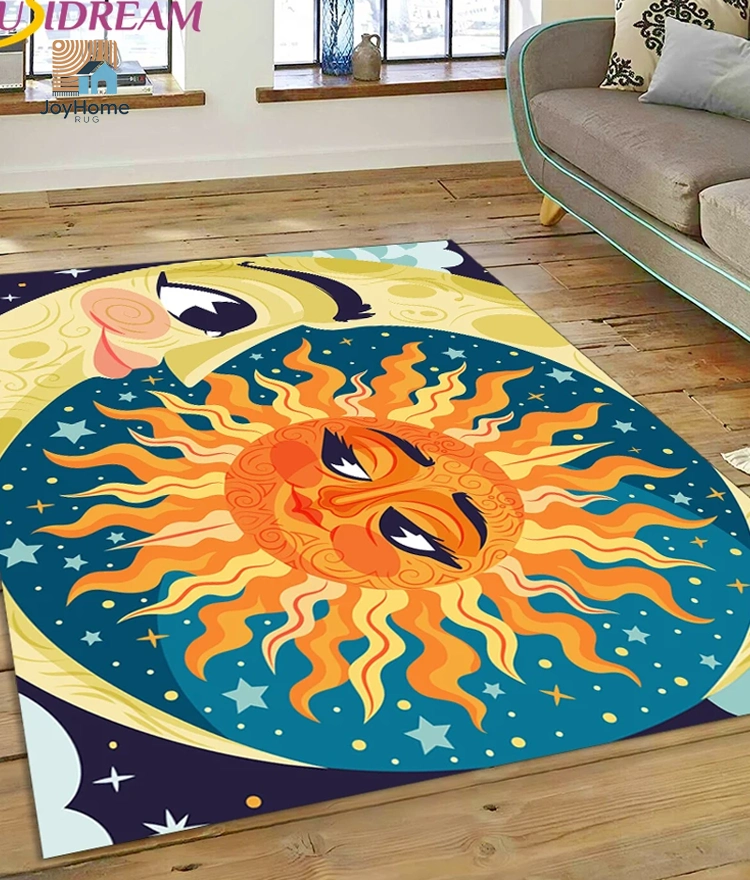
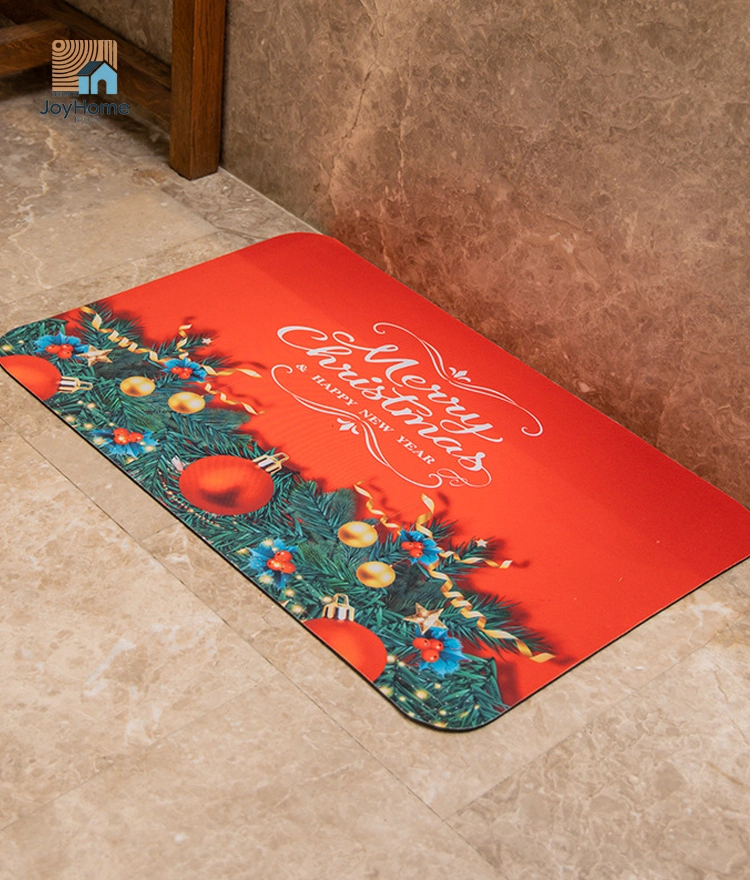
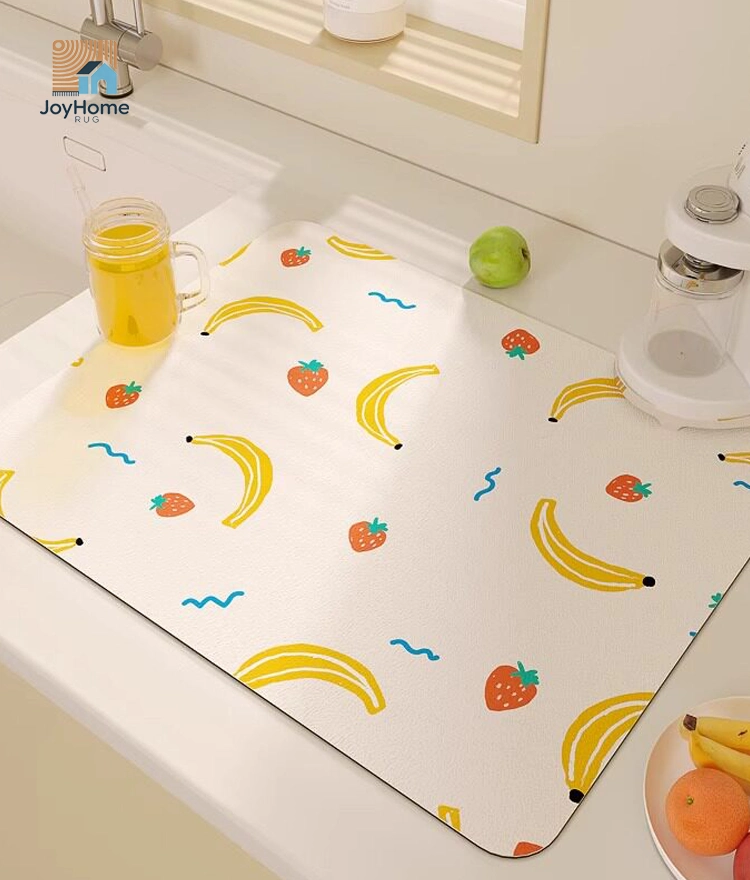
There is a specialised market for round animal rugs within the larger carpet and mat market. Round shapes, not the normal rectangle or square forms, give these pieces a more natural look and make them easy to focus on. The designs use different kinds of animal pictures, from realistic wildlife shots and artistic takes on animals to travel themes and cute cartoon animals. The methods used to make them are very different. The cheap synthetics are mostly made with printed designs, while the hand-made ones may use weaving or stitching. The types of materials used range from natural fibres like cotton and wool to high-tech synthetics like crystal silk and microfibre mixes. Because of this, providers can meet a range of price points and performance needs within the same product group.
Historical Evolution and Contemporary Relevance
Hundreds of years ago, hand-knotted Persian rugs with scenes from nature and tribe crafts with animals that stand for important ideas were the first things that had animal designs on them. These new forms of this practice make it easier for more people to participate by including kid-friendly versions that connect with modern families. Over the past ten years, biophilic elements and organic shapes have become popular in interior design. These items sit at the point where nature-inspired style and modern simplicity meet. The round shape breaks up the straight lines of most room plans and adds visual rhythm that works with both old and new furniture styles. More and more, designers are choosing these pieces for projects that need colour without too many patterns, especially in areas that can be used for more than one thing.
Key Benefits for Business Procurement
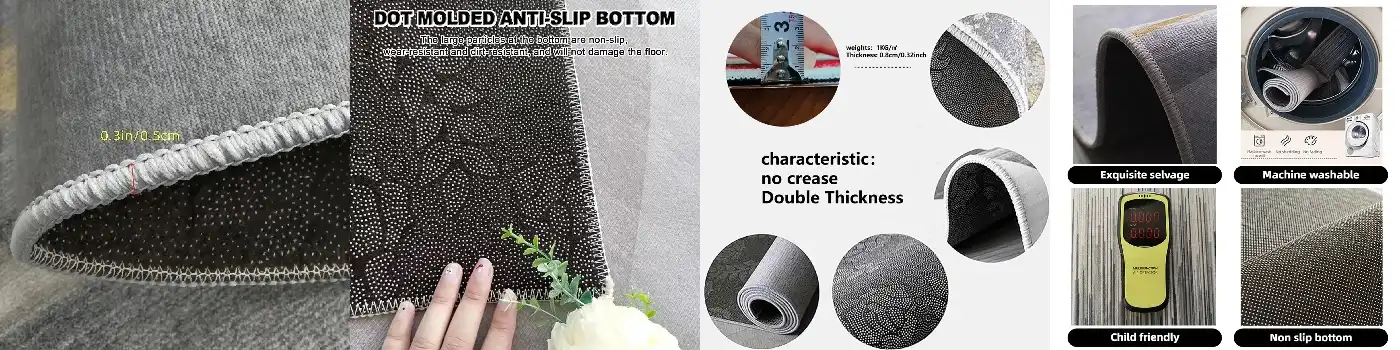
Durability is very important for both business and home users. Good examples made from high-density materials that weigh between 750 and 1100 grams per square metre can stand up to a lot of foot traffic and still look good. People who care about their health, especially parents shopping for baby furniture, can rest easy knowing that fake crystal velvet options are hypoallergenic. Another big benefit is that they are easy to maintain. Options that can be washed in a machine get rid of the need for expensive professional cleaning, which lowers the total cost of ownership. These items can be used in a variety of places because they go with a lot of different styles. For example, animal themes look great in nurseries, playrooms, and quirky living rooms. Dot plastic or silicone strips added to anti-slip backing systems make sure that safety rules are followed, meeting the needs of daycares, kindergartens, and dining settings.
How to Choose the Best Round Animal Rug for Your Business Needs
Identifying Client Categories and Application Contexts
To buy round animal rugs successfully, you must first understand the different types of buyers. Retail sellers who sell to homes put a high value on a wide range of designs, low prices, and the ability to turn items over quickly. Interior designers and artists need to be able to customise products in order to carry out their project ideas. They value sellers that allow them to change patterns and sizes. OEM clients that make sets of named home goods need production partners that can keep quality high at scale, meet deadlines, and protect intellectual property. Hospitality buyers for hotels and entertainment places want scores for commercial-grade longevity as well as looks that match the brand. Being aware of these different objectives helps when negotiating with suppliers and making decisions about product specifications.
Critical Evaluation Metrics
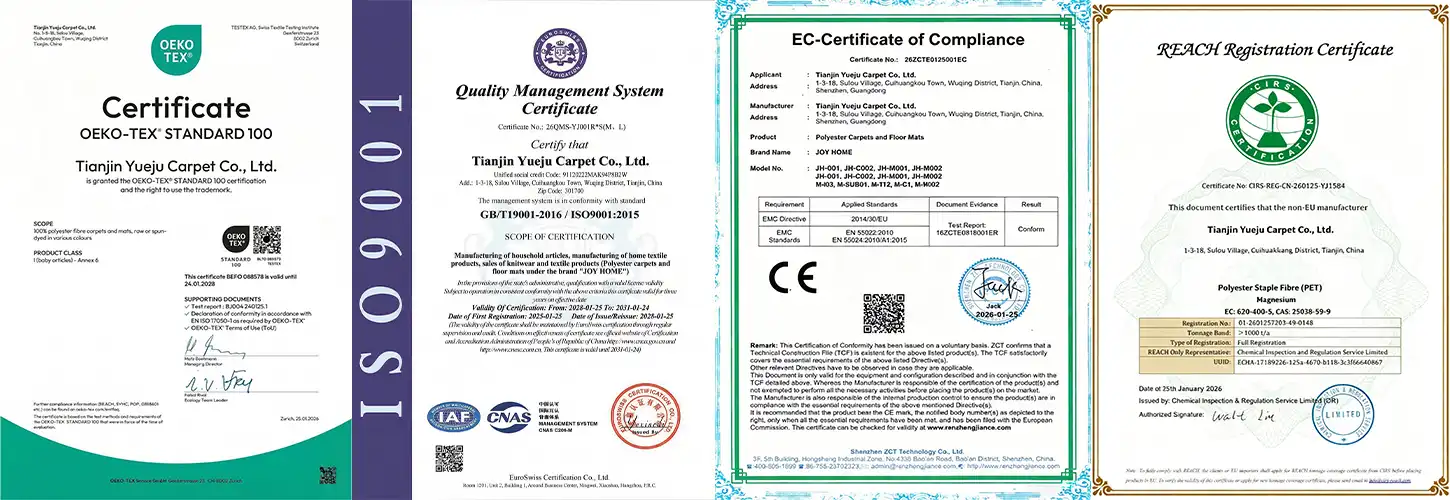
When judging quality, you should look at more than just how something looks on the surface. Pile density and weight are directly related to how long something will last; specs between 750 and 1100g/square metre mean a strong building that won't crush or mat. Safety standards make sure that the material is safe: OEKO-TEX Standard 100 makes sure that there are no dangerous substances, and REACH compliance makes sure that the product meets European regulations, which is important for foreign marketing. Ratings for flammability that meet the guidelines in CFR 16 Part 1630/1631 protect businesses from harm. Surface solutions should be carefully looked at—advanced anti-stain technologies using fluorochemical-free formulas meet environmental standards and work well in real life. The type of backing affects both safety and how easy it is to install. Dot plastic or silicone strip systems are better at stopping sliding than traditional latex options, especially on smooth flooring surfaces.
The way prices are set needs to take into account how complicated customisation is. Standard printed drawings that use heat transfer technology are the cheapest choice and can be made quickly. Custom pattern development that includes unique artwork or image integration costs more to set up, but it's worth it for OEM applications because it helps differentiate the brand. Minimum order numbers (MOQs) vary a lot from one seller to the next. Retailers that are trying out new designs benefit from MOQs that are flexible, while volume agreements allow greater discounts for well-known product lines. Warranty terms longer than the normal one-year service show that the maker is confident and lower the risk for business buyers. Growing businesses can better control their cash flow when they have payment choices like credit terms and staged delivery.
Supplier Assessment Framework
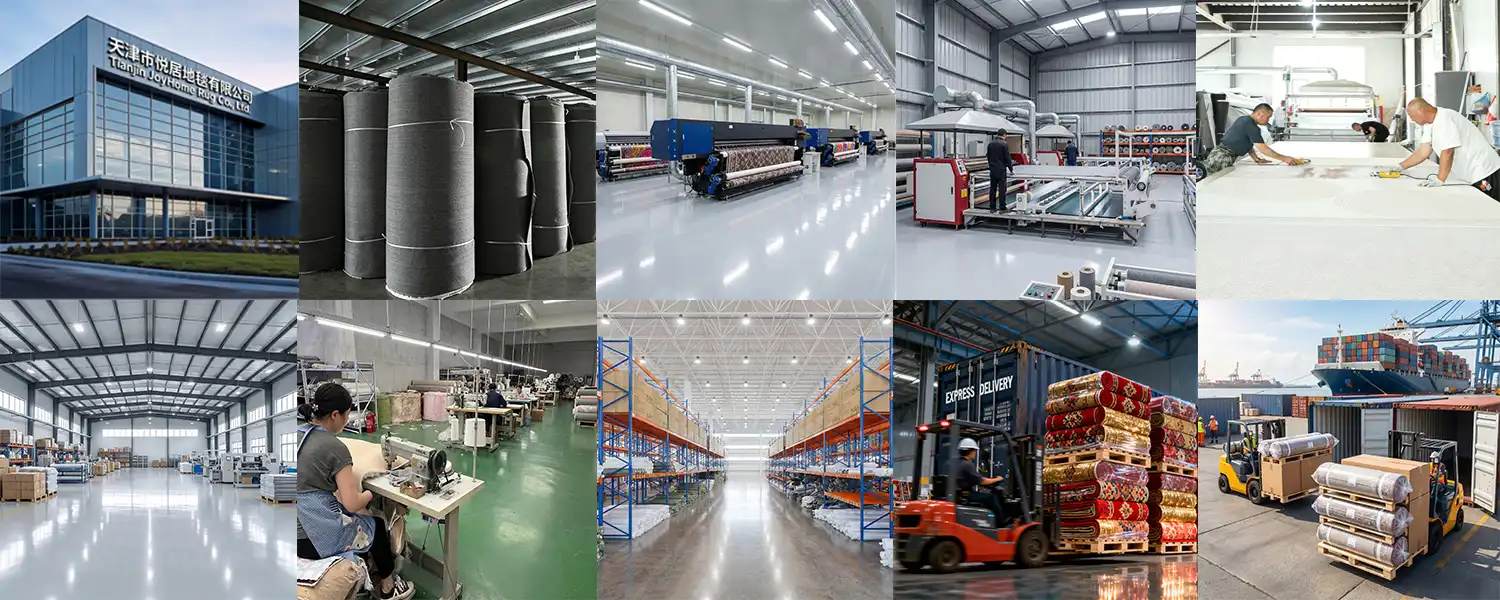
When looking for industrial partners, you need to look at more than just the products they offer in their catalogue. Size of the facility is important. Operations that cover 20,000 square meters and have 25 or more modern production tools show that they can handle large orders while still meeting quality standards. Suppliers can meet tight project dates without lowering checking standards because they can produce up to 3,000 square meters per day. Systematic quality management processes are confirmed by ISO 9001 certification, and the ability to work with a variety of materials, such as crystal silk, fake cashmere, and polyester mixes, shows that the company is technically flexible enough to support the development of new products in the future. Sample turnaround time shows how efficiently operations are running; 24-48 hour sample delivery speeds up the approval process for designs. Bulk production timelines of 7–15 days strike a good mix between speed and care, so quality isn't sacrificed when production is sped up.
Styling and Care: Maximizing the Appeal and Longevity of Round Animal Rugs
Strategic Placement Across Room Types
Round animal rugs are great for kids' beds because they have soft surfaces and educational designs with animals from the zoo, the jungle, or the farm. The 5mm thickness gives soft comfort without making it hard to open doors, which can happen with high-pile options. Nurseries benefit from sensitive materials that help with tummy time and early movement. Materials that are machine washable make it easier to clean up spills. Animal prints in bright colours are used to separate play areas in playrooms. For example, a bear print supports the reading space, while jungle themes liven up the creative play areas. In living rooms, these pieces are used to start conversations and break up formal sitting arrangements without looking too childish when main colours are changed to more mature ones. Animal images are used in office greeting areas to make brands seem more friendly. This is especially true in paediatric practices, veterinary centers, and creative companies. Themed designs are used in stores to improve selling setups and show how products can be used in ways that make customers want to buy them.
Maintenance Protocols for Different Materials
Crystal velvet made from synthetic materials needs different care than velvet made from natural fibres. As part of regular care, you should hoover once a week using brushless suction devices that pick up dirt without hurting the fibres. Spot cleaning is used for fresh spills; blotting them right away with clean cloths stops the stain from setting, then using a light soap solution and running cold water over the area to rinse it off. In places with a lot of foot traffic, washing clothes in a machine every four to six weeks keeps them clean. Cold water cycles with mild soaps protect colours and textures. Drying in the air is better at keeping the shape than using heat, which can damage backing glue. Professional hot water extraction is done once a year on commercial systems, using temperatures below 50°C to avoid damage from heat. Cleaning products that are pH-balanced and don't remove protection layers can make anti-stain solutions last longer. If you want to clean something made of natural fibres, you need to be more gentle. Immersion washing can cause the fibres to shrink and change shape. Understanding these differences can help you avoid expensive repair costs and keep up with look standards that are important for your business's brand.
Installation Services and Post-Purchase Support
Professional installation rarely proves necessary for circular designs under 5kg, yet offering this service differentiates full-service suppliers from commodity vendors. Basic placement guidance helps buyers optimize visual impact—centering beneath furniture groupings or floating in open floor plans creates intentional design statements versus arbitrary positioning. A warranty spanning 12-24 months builds buyer confidence, particularly when backed by responsive customer service addressing concerns within 48 hours. Clear return policies accommodating color mismatches or size discrepancies reduce purchase hesitation, though restocking fees for custom orders protect supplier margins. Providing care instructions in multiple formats—hangtags, digital downloads, video tutorials—ensures proper maintenance that extends product life and reduces complaint frequency.
Comparative Analysis: Round Animal Rugs Versus Alternatives
Shape Considerations: Circular Versus Rectangular Formats
Round animal rugs introduce organic movement into spaces dominated by linear furniture and architectural elements. This geometric contrast creates visual interest that rectangular counterparts cannot replicate, drawing eyes inward toward central focal points. The shape naturally suits specific placements—beneath round tables, centered in reading nooks, or anchoring conversation areas—where rectangular options appear awkward. Rectangular formats offer easier furniture coordination and more complete floor coverage in hallways or alongside beds. Space efficiency favors rectangles in compact rooms requiring maximum coverage, while circles work best in larger areas where their distinctive silhouettes remain visible. Cost comparisons generally favor rectangular production due to material efficiency, though premium circular designs command higher prices reflecting specialized cutting techniques and edge finishing requirements.
Material Trade-Offs: Synthetic Versus Natural Fibers
Synthetic crystal velvet delivers superior stain resistance and colorfastness compared to natural wool or cotton alternatives, making it ideal for high-traffic commercial applications and homes with young children or pets. The 100% polyester construction withstands repeated machine washing without losing its shape. Natural fibers, on the other hand, require professional cleaning and may shrink. Synthetic materials are naturally resistant to moisture, providing absorbent yet quick-drying performance suitable for humid climates and spill-prone environments. Natural fibers offer sustainability advantages for eco-conscious buyers, biodegrading at end-of-life versus persistent synthetic waste. Tactile qualities differ—wool provides warmth and luxury softness, while crystal velvet achieves plush comfort through engineered fiber structures. As synthetic manufacturing advances, price gaps have narrowed, with quality polyester options rivaling natural fiber costs while delivering enhanced performance characteristics.
Print Versus Tufted Construction
Printed animal designs utilize heat transfer or digital printing technologies that apply imagery to pre-manufactured base fabrics, enabling unlimited pattern complexity at controlled costs. Color accuracy and fine detail resolution surpass handcrafted methods, supporting photorealistic wildlife portraits or intricate illustrated scenes. Production speed facilitates rapid inventory replenishment and customization fulfillment, with individual pieces completed within days. Tufted construction involves inserting yarn through backing materials to create raised patterns with dimensional texture and tactile variation. This method produces premium visual depth and artisan appeal commanding higher price points, though design complexity faces practical limitations. Durability comparisons depend on execution quality—well-bonded prints withstand abrasion comparable to tufted surfaces, while inferior adhesives compromise longevity. The choice hinges on the target market: printed options maximize value and design flexibility, whereas tufted pieces serve luxury segments valuing craftsmanship.
Procurement Insights: How to Source Round Animal Rugs Efficiently
Sourcing Channel Selection
Direct relationships with manufacturers offer optimal pricing and customization control but require higher minimum commitments and longer lead times. Tianjin Joyhome exemplifies this model, combining 20 years of manufacturing expertise with flexible MOQ policies accommodating diverse business scales. Online B2B platforms provide supplier discovery and comparison capabilities, though quality verification demands careful vetting through sample orders and certification review. Domestic distributors simplify logistics and reduce shipping complexities for US-based buyers, accepting smaller orders at moderate price premiums. Trade show attendance facilitates hands-on product evaluation and relationship building, particularly valuable when initiating custom development projects requiring iterative collaboration. The sourcing strategy should balance immediate inventory needs with long-term partnership potential—mixing channels maintains supply chain flexibility while concentrating volume with preferred partners optimizes pricing leverage.
Customization Possibilities and MOQ Considerations
Pattern customization transforms generic inventory into branded round animal rugs that command premium positioning. Suppliers offering OEM/ODM services accommodate logo placement, exclusive color development, and proprietary design implementation. Setup costs typically range from nominal fees for color modifications to substantial investments for original artwork development requiring design team collaboration. Size customization addresses specific spatial requirements—standard offerings may include 80cm, 100cm, and 120cm diameters, while custom dimensions suit unique architectural contexts. Material weight selection between 750-1100g/square meter enables performance optimization for intended applications, balancing cushioning comfort against practical durability. Minimum order quantities vary by customization depth: standard designs may require 500-1000 units, while full custom development might demand 2000+ pieces justifying tooling expenses. Negotiating flexible MOQs becomes possible when consolidating multiple SKU variants into single production runs, maximizing manufacturing efficiency while testing market response across design options.
Logistics and Compliance Management
International sourcing introduces shipping complexities requiring proactive management. Export standard roll packaging protects goods during transit while maximizing container utilization efficiency, though carton packaging offers superior retail presentation for direct-to-consumer fulfillment. FOB pricing transfers shipping responsibility to buyers, demanding freight forwarder relationships and customs clearance expertise. CIF terms simplify logistics but reduce cost transparency and control. Compliance with US import regulations includes tariff classification under HTS codes determining duty rates, compliance with CPSC safety standards for children's products, and California Proposition 65 labeling for chemical content disclosure. Documentation requirements—commercial invoices, packing lists, and certificates of origin—must be accurate to avoid customs delays. Lead time calculations should account for production duration (7-15 days for bulk orders), domestic transport to port (2-3 days), ocean freight (20-30 days from Tianjin to the US West Coast), and customs clearance (3-7 days), totaling 6-8 weeks minimum from order confirmation to inventory availability.
Conclusion
Round animal rugs represent a compelling product category blending emotional appeal with practical performance, meeting diverse needs across residential and commercial applications. Their distinctive shape creates visual interest while accommodating multiple design aesthetics, from nursery whimsy to sophisticated living spaces. Material innovations in crystal velvet synthetics deliver durability and maintenance simplicity that natural alternatives cannot match, particularly in high-traffic environments requiring frequent cleaning. Successful procurement demands careful supplier evaluation focusing on quality certifications, production capacity, and customization flexibility rather than price alone. Strategic sourcing through established manufacturers like Tianjin Joyhome balances cost efficiency with reliable quality and responsive service. Understanding care requirements and application contexts ensures products meet end-user expectations, building brand reputation and repeat business. The growing market demand for cozy, personalized home furnishings positions these products as strategic inventory investments for retailers and designers seeking differentiated offerings in competitive markets.
FAQ
Are circular animal-themed floor coverings hypoallergenic for sensitive environments?
High-quality synthetic round animal rugs manufactured from 100% polyester crystal velvet resist dust mite colonization and mold growth better than natural fiber alternatives. OEKO-TEX Standard 100 certification confirms the absence of harmful chemicals, allergens, and irritants, making certified products suitable for nurseries, daycare centers, and homes where allergy concerns exist. The non-porous surface prevents particle accumulation that triggers respiratory reactions, while machine washable construction enables regular deep cleaning that maintains hygienic conditions.
How do care instructions differ between synthetic and natural fiber options?
Synthetic crystal velvet tolerates machine washing in cold water with mild detergents, air drying flat to maintain shape. Natural fibers like wool require professional cleaning to prevent shrinkage and texture damage. Synthetic materials resist staining and fading, while natural options need immediate spill treatment and specialized cleaning products. Vacuuming frequency remains similar across materials—weekly maintenance with brushless attachments preserves appearance for both types.
What factors affect custom order timelines for commercial projects?
Design complexity determines development duration—simple color modifications require 24-48 hours for samples, while original artwork needs 5-7 days for approval cycles. Production scale influences manufacturing timelines, with 500-1000 units completing within 7-10 days versus 2000+ pieces extending to 12-15 days. International shipping adds 4-6 weeks for ocean freight plus customs clearance. Advanced planning accommodating 8-10 week total lead times prevents project delays.
Partner With a Trusted Round Animal Rug Manufacturer for Your Business Growth
JoyHome delivers exceptional round animal rugs backed by two decades of manufacturing excellence and 20,000 square meters of advanced production facilities. Our crystal velvet construction meets rigorous OEKO-TEX and REACH safety standards while offering complete customization across patterns, sizes, and materials. Flexible minimum order quantities support growing retailers testing new designs alongside established distributors scaling successful products. We complete sample production within 24-48 hours and bulk orders in 7-15 days, ensuring your inventory arrives when needed. Our 100% pre-shipment inspection guarantees consistent quality that protects your brand reputation, while competitive wholesale pricing maximizes your profit margins. Whether you need standard designs or fully custom OEM solutions with proprietary branding, our technical team collaborates to realize your vision. Contact our procurement specialists at admin@longtengmen.com today to explore our comprehensive catalog and discuss how JoyHome can elevate your home décor offerings with premium circular animal-themed floor coverings that delight customers and drive repeat business.
References
1. Thompson, M. & Richards, L. (2021). Contemporary Floor Covering Design: Trends and Manufacturing Innovations. New York: Interior Design Press.
2. Chen, W. (2022). "Material Science in Synthetic Home Textiles: Performance Characteristics of Polyester Velvet." Journal of Textile Engineering, 68(3), 145-162.
3. Anderson, K. (2023). The Business of Home Décor: Procurement Strategies for Retailers. Chicago: Commerce Publishing.
4. Miller, S. & Gonzalez, R. (2022). "Child Safety Standards in Floor Coverings: Compliance and Testing Protocols." Consumer Product Safety Review, 17(2), 88-104.
5. Zhang, H. (2023). Global Supply Chain Management for Home Furnishings. London: International Trade Publications.
6. Davidson, P. (2021). "Circular Design Elements in Residential Interiors: Aesthetic and Functional Analysis." Interior Architecture Quarterly, 29(4), 210-227.
Online Message
YOU MAY LIKE
High quality furniture manufacturer